
Antique Brown Wood Drawers
These antique brown wood drawers bring centuries of cabinet-making skill into daily use, offering rich timber tones and practical storage.
Antique Brown Wood Drawers
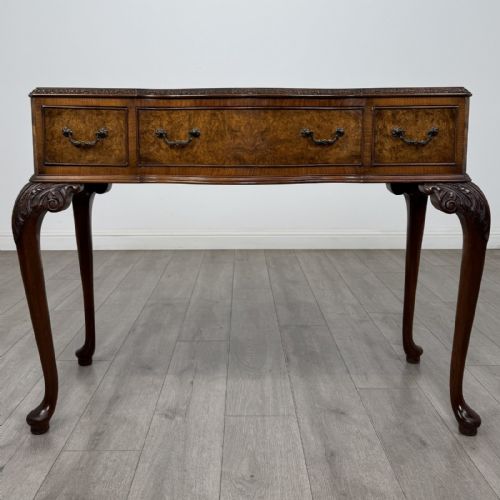
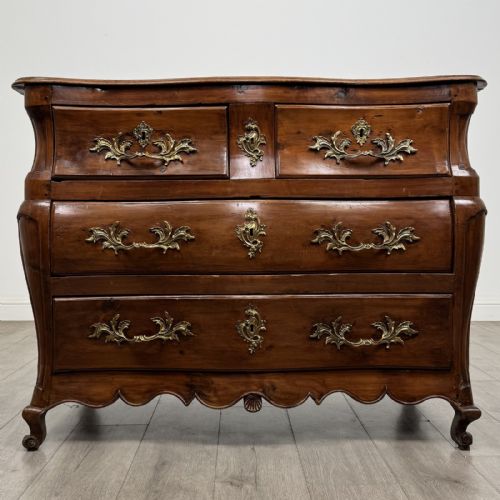
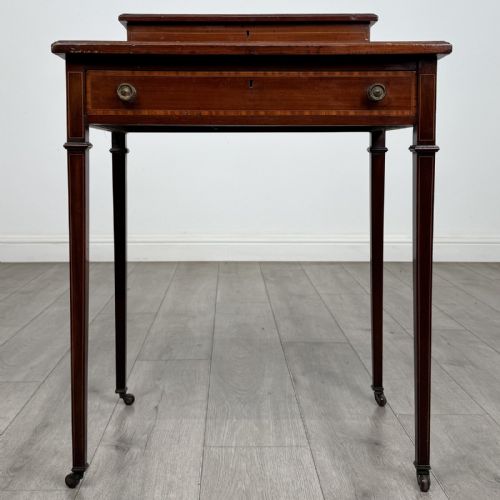
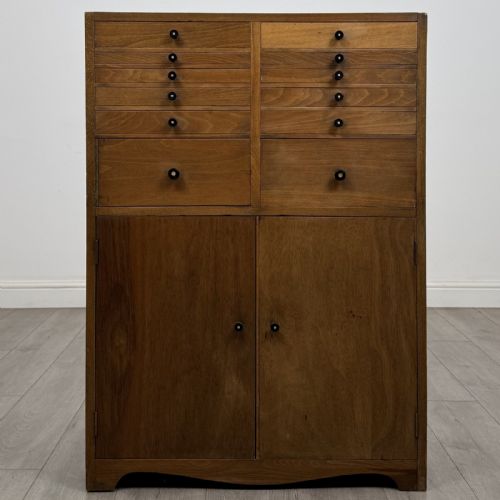
When you search for antique brown wood drawers, you encounter a wide selection of storage pieces spanning from the seventeenth century through the early twentieth century. The selection ranges from robust oak chests to refined mahogany writing tables and walnut side tables.
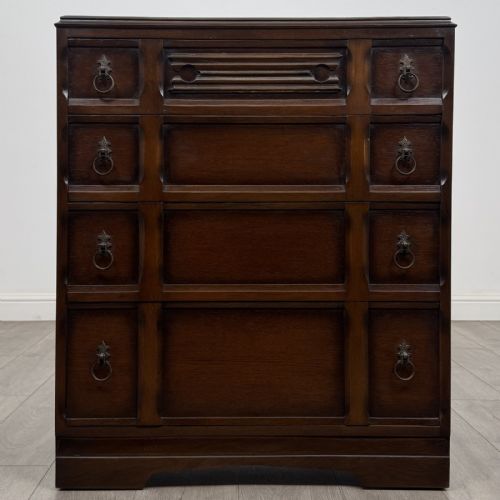
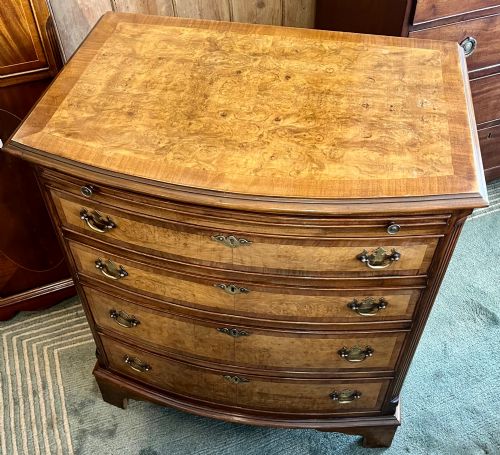
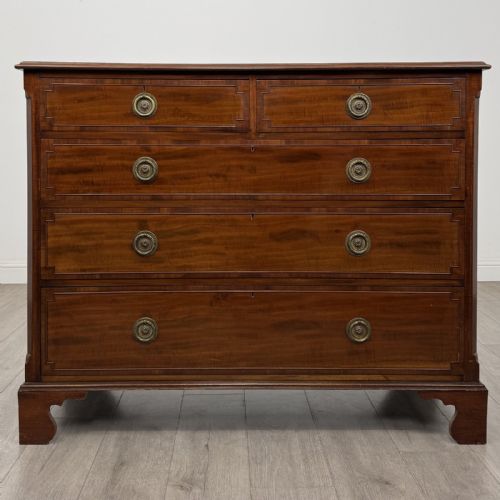
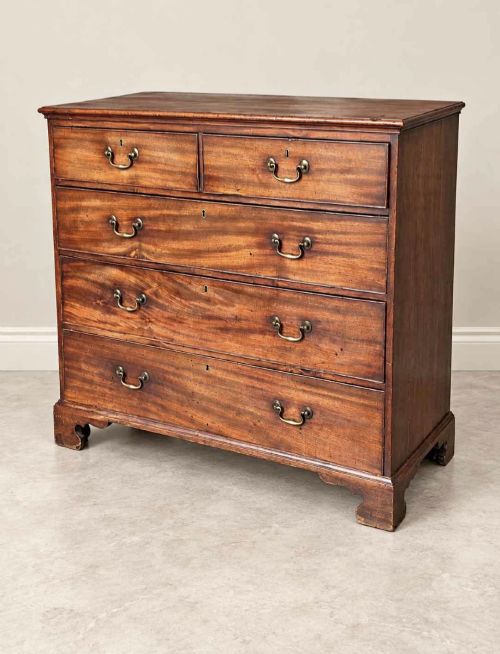
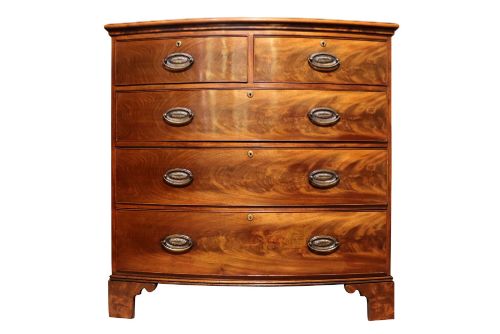
Chest of drawers pieces dominate the selection, particularly Georgian and Victorian examples featuring traditional configurations like two short drawers over three long ones. Walnut, mahogany, and oak form the backbone of these offerings, showing diverse regional styles from English provincial work to French provincial designs.
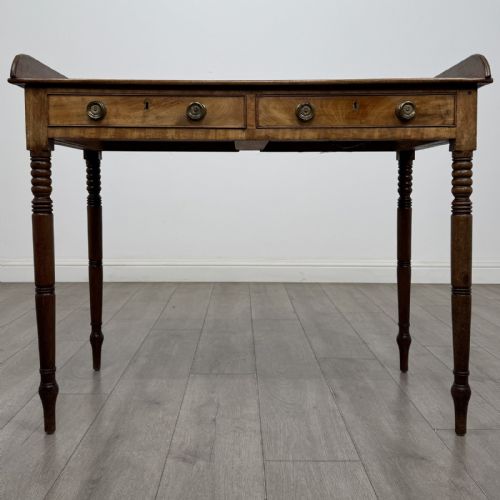
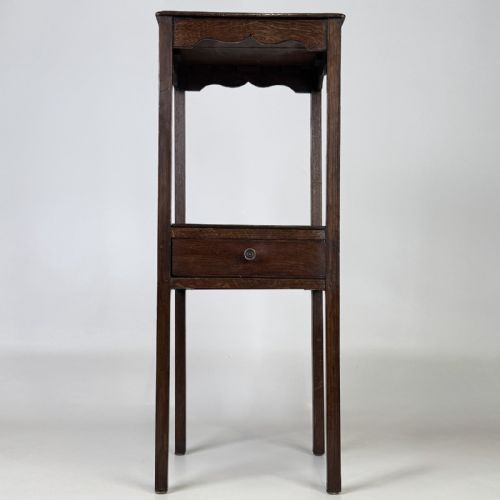
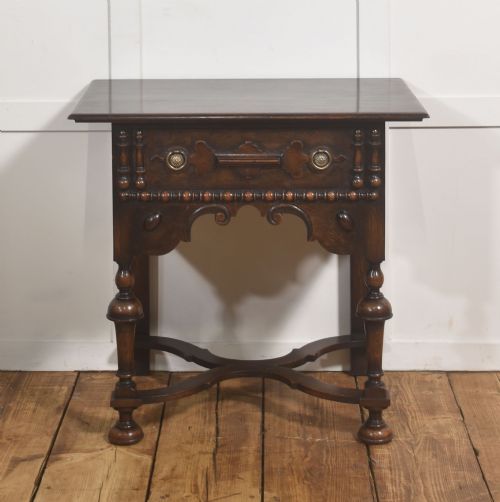
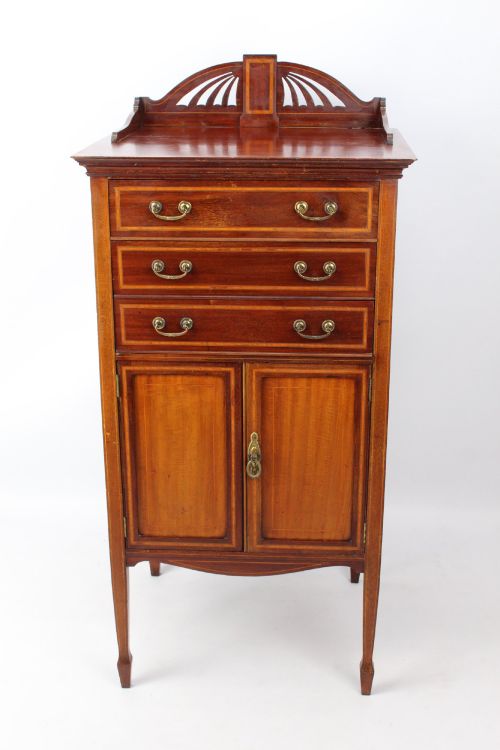
Buyers also find specialised items such as bureau desks, music cabinets, and lowboys equipped with fitted drawers. These pieces reflect the domestic habits of earlier centuries, utilising native and imported timbers to create durable household furniture.
Materials and Construction
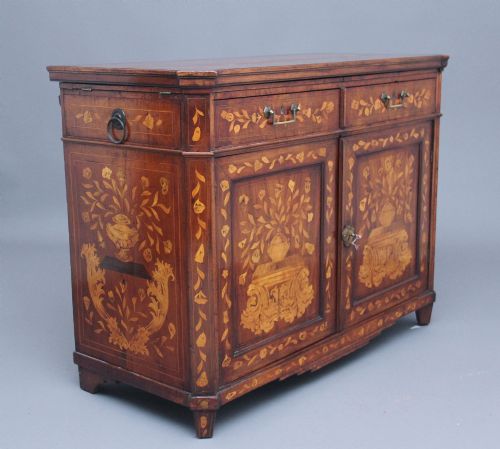
Cabinet-makers relied on solid timbers such as oak, walnut, and mahogany, often applying figured veneers like burr walnut or marquetry inlay to primary display surfaces. Fruitwood, elm, ash, and cherry also appear in regional and period pieces, showing varied grain patterns and natural warmth.
Drawer construction typically utilised hand-cut dovetails to join drawer sides to fronts and backs, ensuring lasting strength under regular use. Secondary timbers like pine or oak frequently form the interior linings of these drawers, while brass handles, drop pulls, and cup handles provide the operating hardware.
Listings feature mahogany, oak, and walnut most frequently, complemented by regional timbers like fruitwood, ash, and elm.
Evaluating the Pieces
Quality separates standard utility pieces from exceptional examples through the selection of timber veneers, the crispness of hand-carved details, and the survival of original brass hardware. Superior pieces display carefully matched wood grain across drawer fronts and harmonious proportions that reflect the aesthetic standards of their period.
Internal construction also defines the upper tier, seen in tidy dovetailing, smooth drawer runners, and intact secondary woods. Lesser examples may exhibit clumsy timber replacements, altered feet, or generic hardware that disrupts the historical integrity of the item.
Shapland and Petter
The Antique Brown Wood Drawers Glossary
- Bow Front
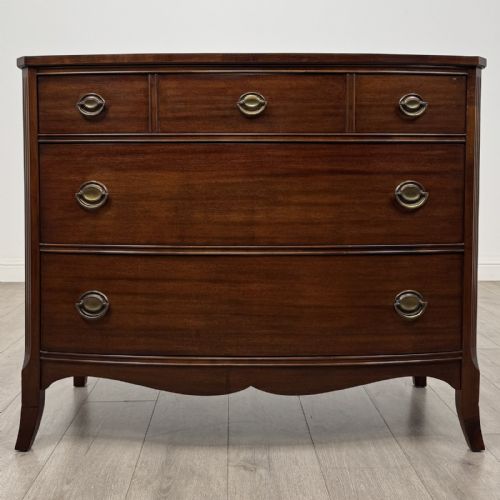
- A convex curved front facade popular on Georgian and Regency chests of drawers. This curved shape softens the profile of large storage furniture.
- Dovetail
- A traditional interlocking joint used to connect drawer corners securely. Hand-cut dovetails indicate older manufacturing methods before machine production.
- Lowboy
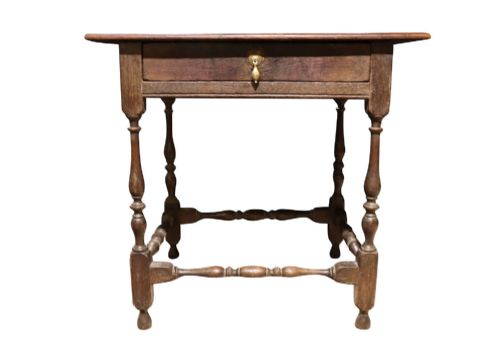
- A small kneehole table or dressing table with one or more rows of drawers, standing on relatively tall legs. These originated in the late seventeenth century.
- Marquetry
- Decorative veneer patterns formed by fitting together small pieces of various coloured woods. Artisans applied this technique to writing desks and tabletops.
- Wellington Chest
- A tall, narrow chest of drawers secured by a hinged vertical locking bar on one side. This locking mechanism protected the contents of all drawers simultaneously.
Antique Brown Wood Drawers: Frequently Asked Questions
How do I date a brown wood chest?
Dating relies on examining the construction methods, such as hand-cut dovetails and timber choices, alongside the overall style and hardware. Earlier pieces from the seventeenth and eighteenth centuries often utilise oak or walnut with pegged frames, while nineteenth-century items frequently feature mahogany with machine-sawn elements.
Secondary woods inside the drawers also offer clues, as do specific design motifs like bracket feet or bow fronts. Comparing these physical traits against known period styles helps establish the approximate decade of manufacture.
Are these drawers suitable for daily use?
These pieces served practical storage functions for generations and continue to handle modern clothing, documents, or household items effectively. Proper care ensures the structural joints and sliding drawers remain functional.
Placing items away from direct heat sources and excessive moisture protects the old timber and veneer. Gentle cleaning maintains the finish without stripping the historic patina built up over centuries.
What is the difference between oak and mahogany pieces?
Oak pieces generally hail from earlier periods like the seventeenth and early eighteenth centuries, displaying pronounced grain patterns and robust construction. Mahogany gained widespread popularity during the Georgian era, offering a denser, smoother reddish-brown surface suited to fine cabinet-making and veneer work.
While oak projects a rustic and sturdy character, mahogany often presents a formal aesthetic with crisp carving and polished finishes. Both timbers provide exceptional durability when maintained properly.
How should I clean antique wood surfaces?
Maintenance requires mild methods that preserve the existing polish and wax rather than stripping away the aged finish. A soft, dry cloth removes dust, while specialised beeswax or microcrystalline wax nourishes the timber when it appears dry.
Harsh chemical cleaners, silicone sprays, and excessive water must be avoided to prevent permanent damage to the wood and historic veneers. Regular light buffing maintains the natural lustre of the surface.