



Classic Mahogany Cabinet
A classic mahogany cabinet brings enduring warmth to a room, offering practical storage disguised in rich, figured timber.
Classic Mahogany Cabinet
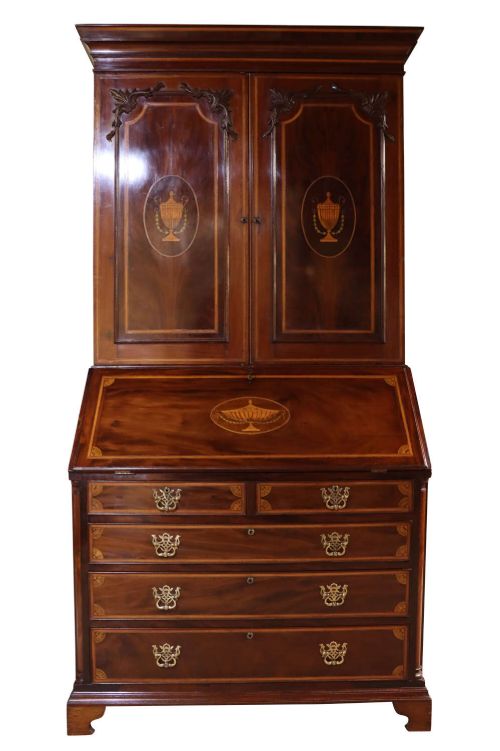
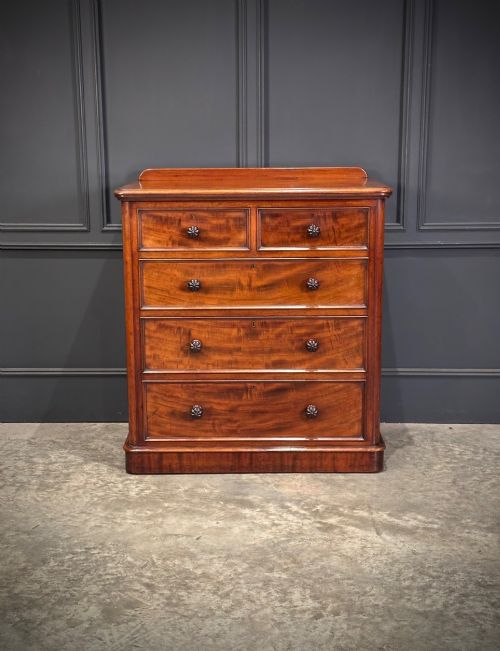
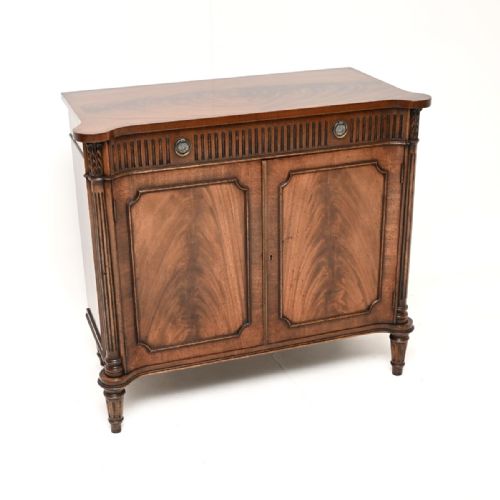
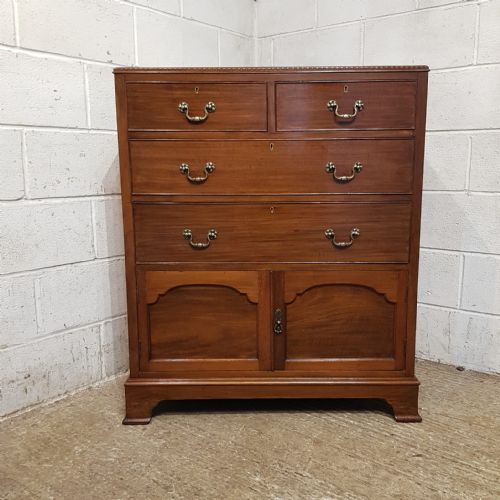
A classic mahogany cabinet encompasses a diverse group of storage furniture, from compact bedside cupboards and tall chests of drawers to expansive breakfront bookcases and sideboards. These pieces serve practical household needs while anchoring a room with traditional timber tones.
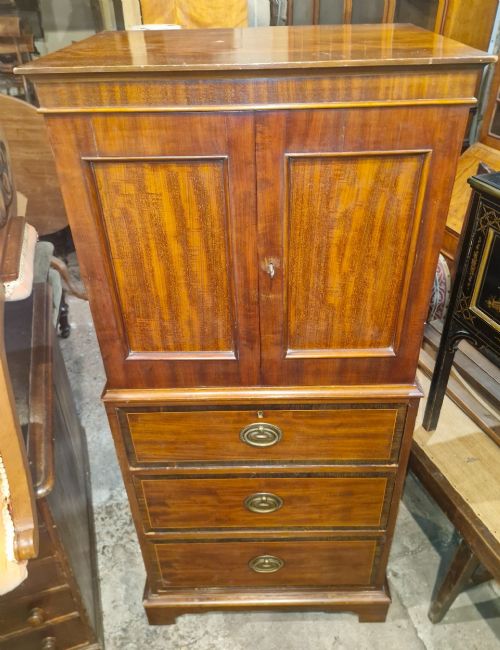
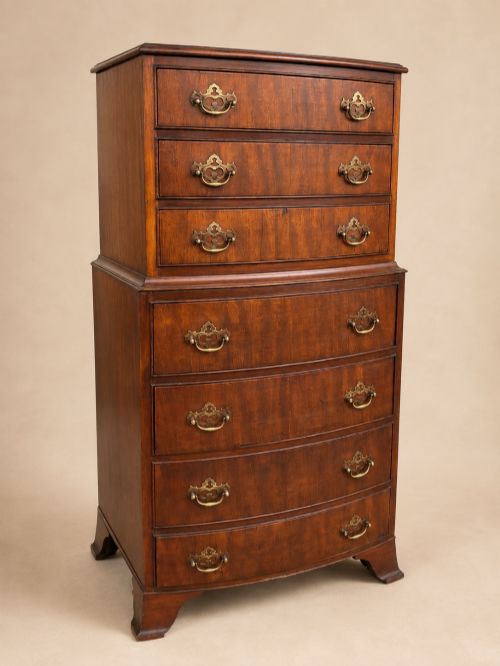
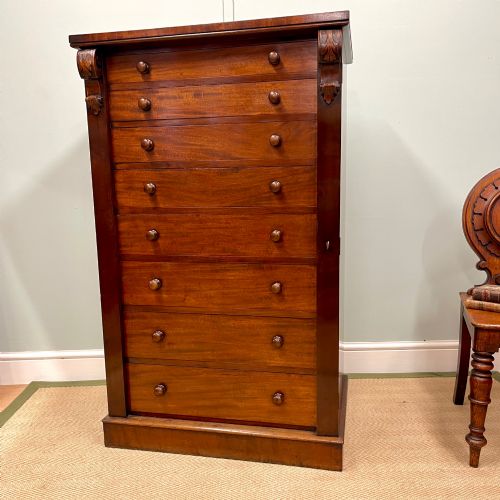
The selections available span multiple eras, most notably the eighteenth and nineteenth centuries alongside later Edwardian and revival interpretations. Buyers encounter various utilitarian forms, including wardrobe compactums, tallboys, and specialised collectors cabinets featuring numerous small drawers.
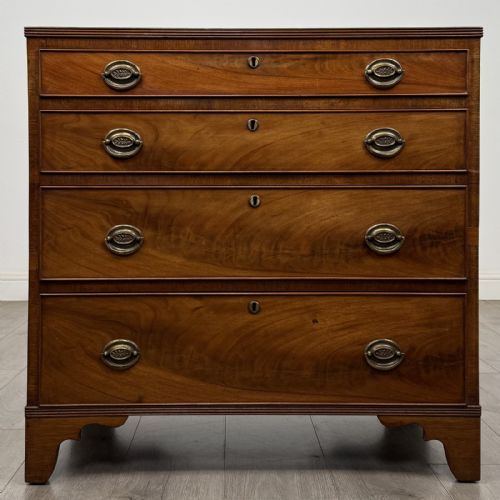
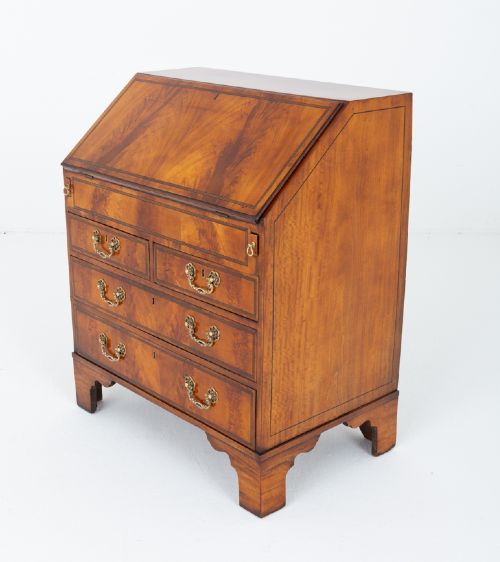
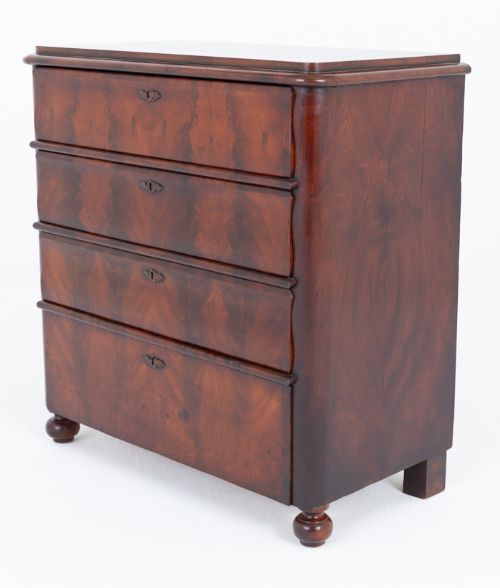
Chest of drawers configurations dominate the offerings, appearing in bowfront, serpentine, and straight formats. Alongside these, buyers find secretaires, writing bureaus, and side cabinets designed for domestic organisation.
Materials and construction
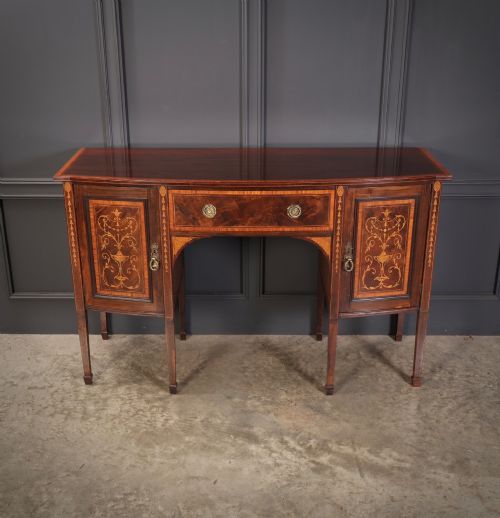
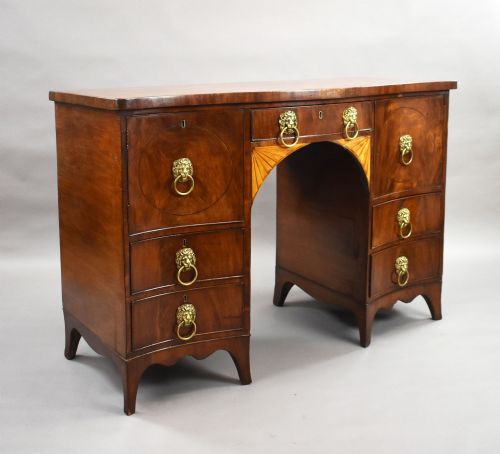
Cabinet makers relied primarily on solid mahogany and flame mahogany veneer applied to secondary carcase timbers, achieving rich depth through polished surfaces. Decorative detailing frequently incorporated boxwood inlay, satinwood banding, and marquetry motifs.
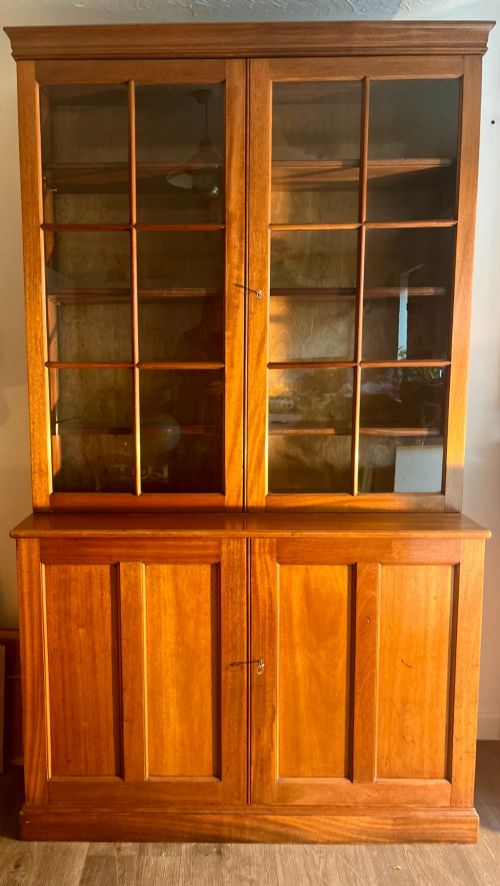
Functional elements involved cast brass handles, escutcheons, and hinges, while specialised glazed doors utilised wooden framing to showcase interior shelving. Heavier case pieces incorporated white marble tops or structural bracket feet to ground the design.
Classic Mahogany Cabinet Retail Price Guide 2026
Typical asking prices for classic mahogany cabinet among the pieces listed under this phrase on Sellingantiques today, from the lower quarter to the upper quarter. They describe what is for sale here now, not the wider market.
Listings feature storage forms ranging from Georgian bowfront chests and William IV bookcases to Edwardian tallboys and specialised multi-drawer cabinets.
Assessing craftsmanship
Quality rests upon the selection of timber figures, where matched flame mahogany veneer and crisp boxwood stringing elevate a piece above plain surfaces. Finer examples display meticulous hand-cut dovetail joints in the drawer construction and well-proportioned architectural mouldings.
Hardware integrity and internal finishing separate superior items from standard production. Original brass fittings, smooth-running drawers, and secondary timbers of consistent quality indicate higher-grade workshop execution.
Brady
The Classic Mahogany Cabinet Glossary
- Bowfront
- A convex, curved cabinet or chest front that projects outward in a smooth arc. This shape gained popularity during the Georgian and Regency periods to soften room angles.
- Compactum
- A large, multi-functional wardrobe designed with internal partitions, hanging space, and linen drawers. It maximises storage efficiency within a single case.
- Escritoire
- A writing cabinet featuring a fall-front flap that conceals small pigeonholes and drawers. It combines desk functionality with enclosed storage.
- Tallboy
- A tall chest of drawers consisting of one chest stacked upon another, creating significant vertical storage. They emerged to maximise floor space in bedrooms.
- Vitrine
- A glass-fronted display cabinet used for exhibiting porcelain and small decorative objects. These pieces often feature delicate framing and raised legs.
Classic Mahogany Cabinet: Frequently Asked Questions
What is a collectors cabinet?
A collectors cabinet is a specialised case piece fitted with numerous shallow drawers designed to organise natural history specimens, coins, or small artefacts. These units often feature secure locking mechanisms and dense timber construction.
Historically used by scholars and enthusiasts, today they function well in domestic settings for sorting jewellery, stationery, or small collections while displaying traditional cabinetmaking skills.
How do I identify a Georgian piece?
Georgian cabinets typically display restrained classical proportions, solid bracket feet or ogee feet, and understated brass swan-neck handles. The timbers used in these earlier pieces are often rich, dark Cuban or Honduras mahogany.
Construction details such as hand-cut dovetails and oak or deal secondary drawer linings help confirm the period. Later revival pieces often mimic these traits but reveal twentieth-century manufacturing techniques upon closer inspection.
Where should I place a bedside cabinet?
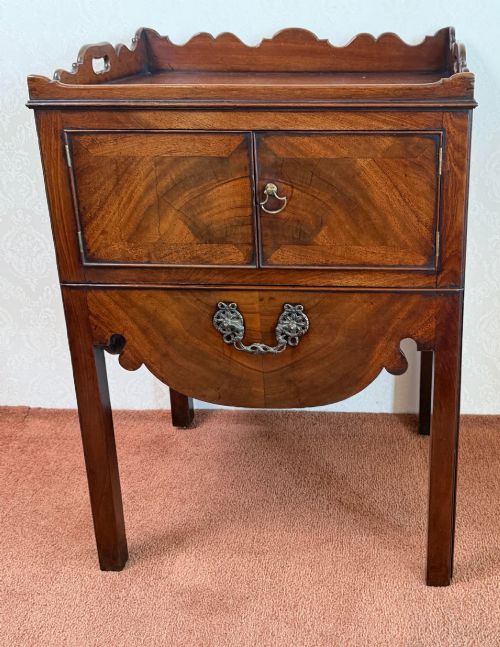
Bedside cabinets suit flanking positions beside a bed, offering a surface for a lamp and enclosed storage for nighttime essentials. Their compact footprints allow them to fit easily into smaller guest rooms or principal bedrooms.
Matching pairs provide visual symmetry, while single mismatched cupboards introduce eclectic character to a bedroom interior. Ensure the height of the cabinet aligns comfortably with your mattress level.
How do I care for mahogany furniture?
Maintain mahogany surfaces by dusting regularly with a soft, dry cloth and avoiding silicone-based polishes that build up over time. Natural beeswax applied sparingly helps nourish the timber and preserves the sheen.
Keep wooden cabinets away from direct sunlight and heat sources to prevent the wood from drying out or the veneer from lifting. Stable room humidity protects both the structural joints and the delicate inlay work.