

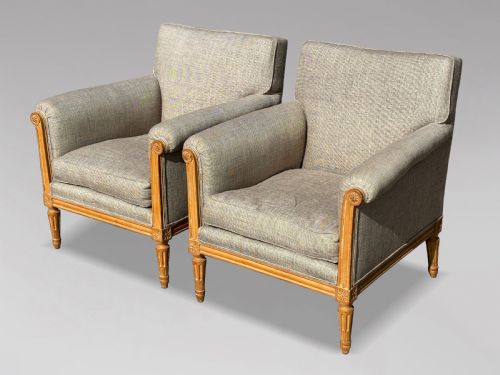


Classic Lounge Armchair
A classic lounge armchair brings deep seating and period character to a room, spanning styles from Victorian wingbacks to Art Deco club chairs.
Classic Lounge Armchair
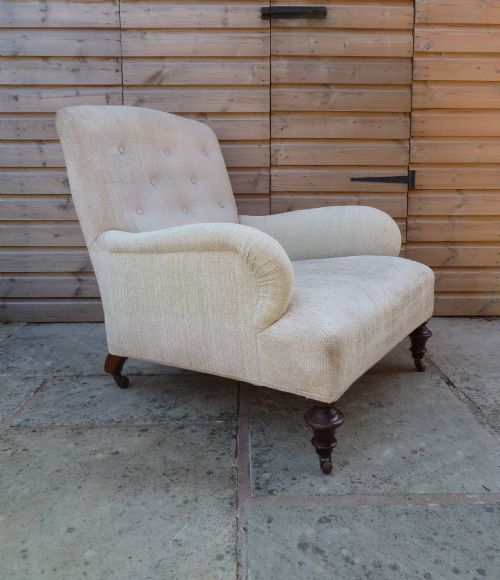
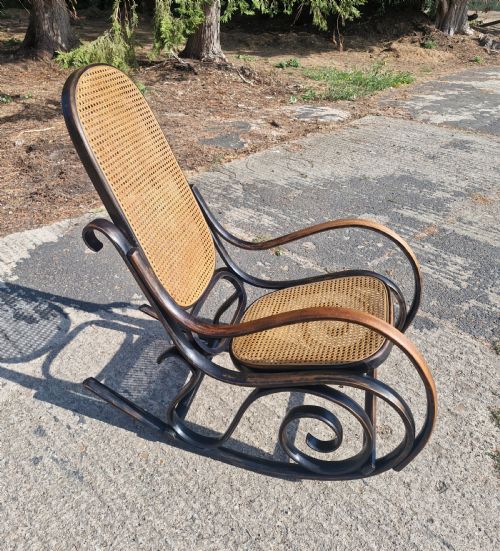
A classic lounge armchair is designed primarily for comfort and relaxation, taking forms such as the club chair, wingback armchair, and rocking chair. The pieces seen here stretch from the late eighteenth century through the Victorian, Edwardian, and Art Deco eras into the mid-twentieth century.
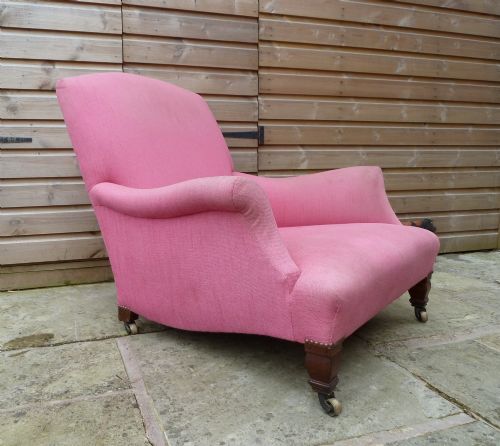
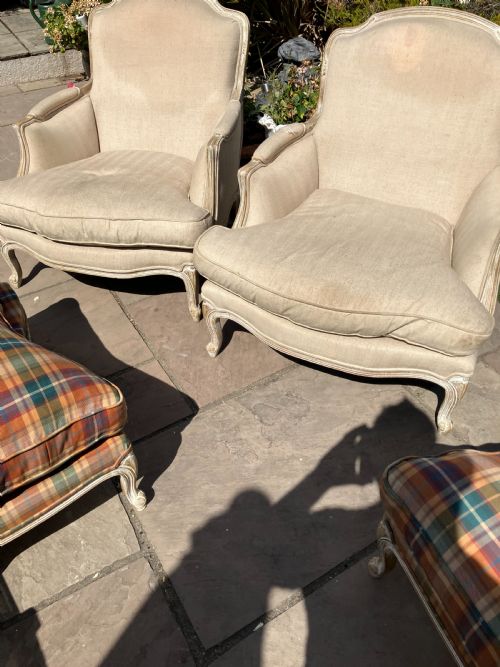
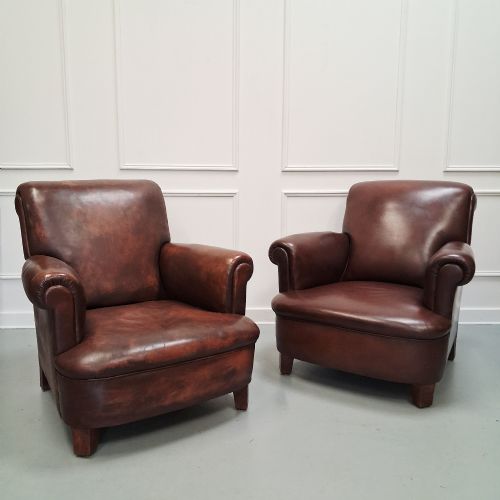
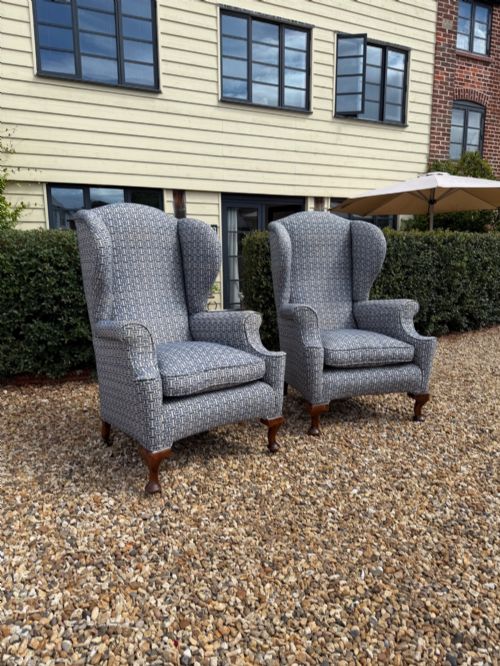
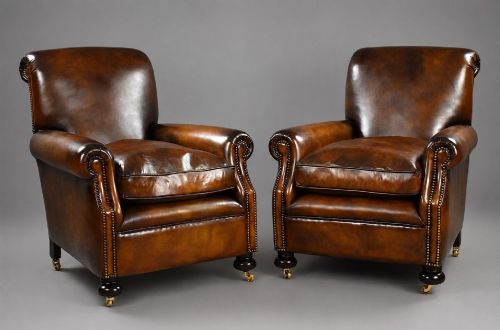
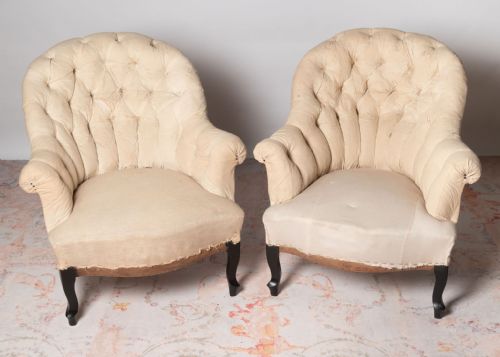
Buyers will encounter substantial club chairs upholstered in leather alongside buttonback nursing chairs, framed bergere seats, and larger wing armchairs with matching footstools. Many reflect revival aesthetics, including Georgian style, Louis XV style, and Queen Anne revival forms.
The selection ranges from robust English country house seating to French club and salon chairs. Makers and workshops such as Howard and Sons also appear in specific model iterations within the nineteenth and early twentieth century listings.
How they were made
Construction relies upon traditional timber frames utilising woods such as mahogany, rosewood, and bentwood to build the structural skeleton. Brass castors and fittings frequently provide mobility and structural accents to the heavy wooden bases.
Upholstery involves deep padding covered in materials including leather, velvet, fabric, and linen. Buttoning techniques and ribbed barrel back framing secure the textiles tightly to the internal padding and wooden structures.
Materials across the listings feature wood, brass, leather, mahogany, fabric, velvet, metal, and linen.
What varies in quality
The standard of a classic lounge armchair rests upon the integrity of its wooden frame and the depth of its original upholstery work. Superior pieces retain robust internal webbing, supportive springing, and premium hides or textiles that age with character.
Distinction also lies in the fidelity of revival detailing and the provenance of branded workshop pieces. Finer examples display well-proportioned carvings, balanced wing contours, and harmonious proportions between the timber legs and the padded body.
Howard And Sons
The Classic Lounge Armchair Glossary
- Wingback armchair
- A large seat featuring characteristic side panels designed to shield the occupant from draughts. These pieces often stand on cabriole or tapered wooden legs.
- Club chair
- A deep, heavy-seated armchair traditionally upholstered in leather. These comfortable seats became popular in twentieth-century men's clubs and domestic lounges.
- Bergere
- An enclosed upholstered armchair with a wooden frame, typically featuring cane work to the sides and back. This French seating style dates back to the eighteenth century.
- Bentwood
- Wood heated and bent into curved shapes to form furniture frames. This technique produced light yet durable rocking chairs and armchairs during the nineteenth and twentieth centuries.
- Buttonback
- An upholstery style where buttons are pulled deep into the padding to create a diamond pattern. This method secures the filling while adding texture to the chair back.
Classic Lounge Armchair: Frequently Asked Questions
How do I identify an Art Deco lounge chair?
Art Deco armchairs from the nineteen-thirties typically feature rounded club shapes, smooth leather upholstery, and polished mahogany frames. Their design emphasises clean horizontal lines and streamlined comfort rather than ornate carving.
Look for low, deep seating profiles and rich caramel or dark leather patination that distinguishes these pieces from earlier Victorian or Edwardian seating styles.
What is a Howard and Sons armchair?
Howard and Sons was a prominent nineteenth and twentieth-century London furniture maker known for producing exceptionally comfortable upholstered seating. Their chairs often feature distinctive low wooden legs on brass castors.
Collectors prize these pieces for their superior internal stuffing, robust frames, and understated English country house proportions.
Are leather club chairs comfortable for daily use?
Leather club chairs are specifically engineered for deep relaxation, utilising supportive internal springing and generous seat depths. The supple leather adapts well to daily sitting while developing a rich patina over time.
Their robust construction makes them practical for regular living room use without losing their structural integrity.
How do I care for antique leather upholstery?
Antique leather requires gentle cleaning with damp cloths and occasional conditioning with appropriate balms to prevent drying and cracking. Avoid placing these chairs in direct sunlight or near heat sources.
Proper maintenance preserves the natural grain and historic character of nineteenth and twentieth-century leather finishes.
What distinguishes a nursing chair from a standard armchair?
Nursing chairs are traditionally lower to the ground with compact frames designed to allow comfortable seating close to firesides or nurseries. They often feature rosewood or mahogany frames with slipper chair proportions.
Victorian examples frequently pair buttonback padding with slender turned legs and supportive upright backs.