
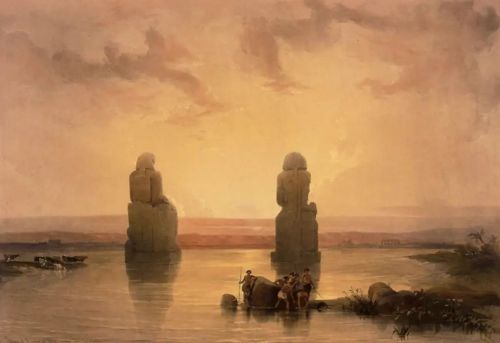
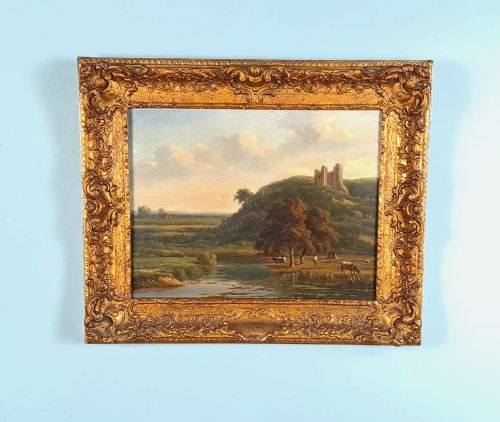
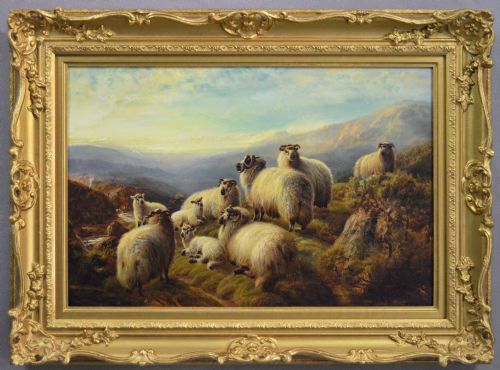

Classic Landscape Painting
A classic landscape painting brings a sense of open horizons and historical scenery into a room.
Classic Landscape Painting
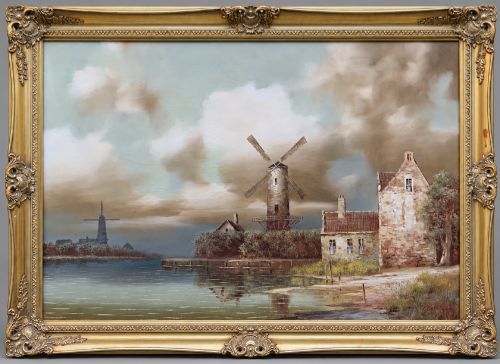
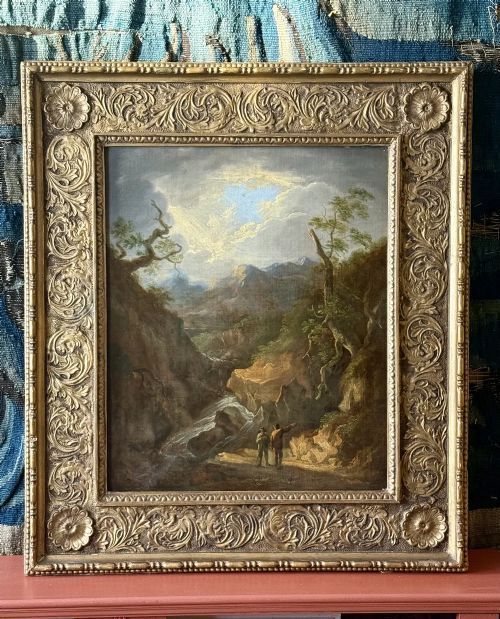
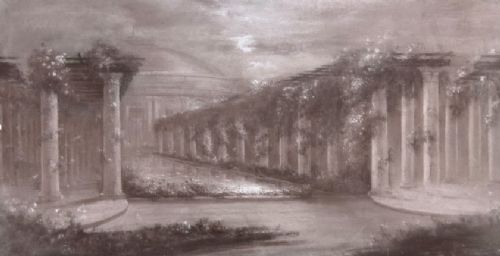
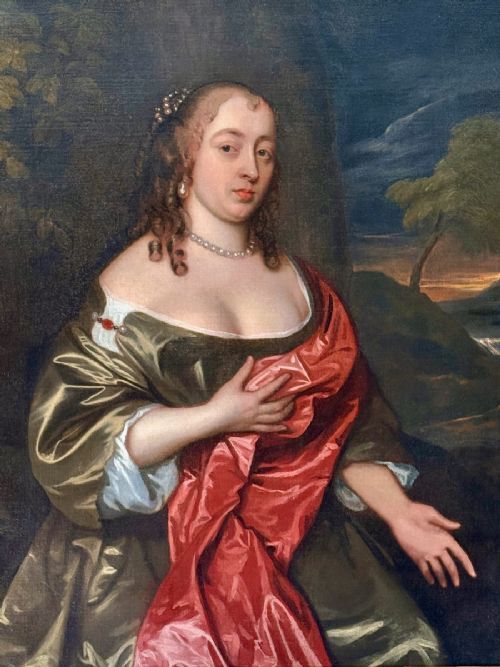
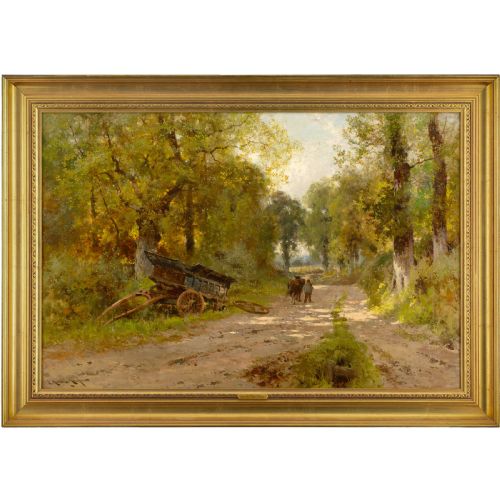
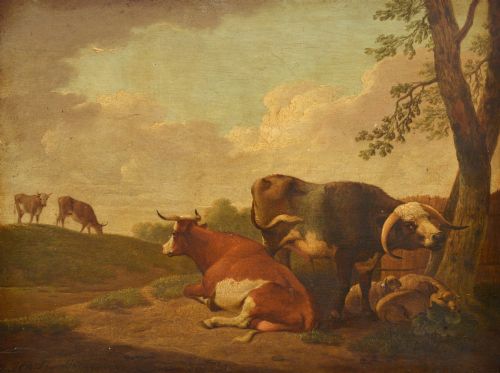
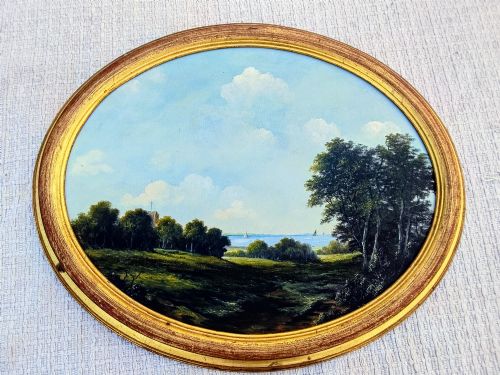
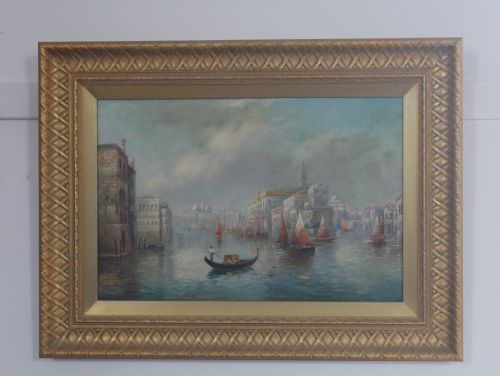
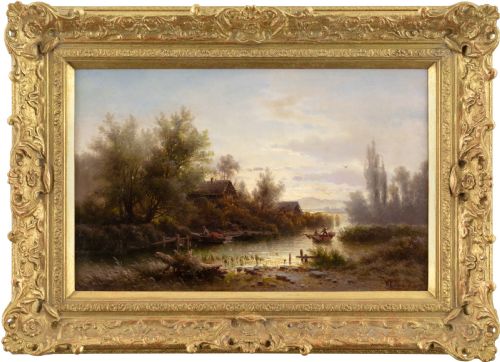
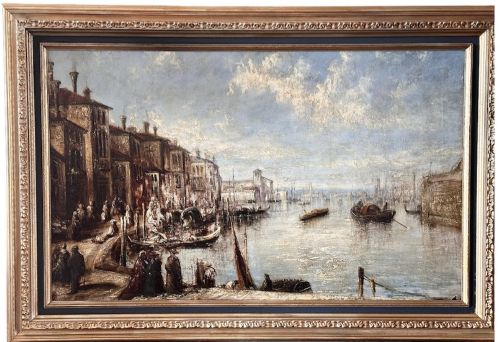
A classic landscape painting depicts natural scenery, rural views, waterways, and historic architecture rendered in traditional mediums. When searching for a classic landscape painting, buyers encounter works spanning from the seventeenth century through to the mid-twentieth century.
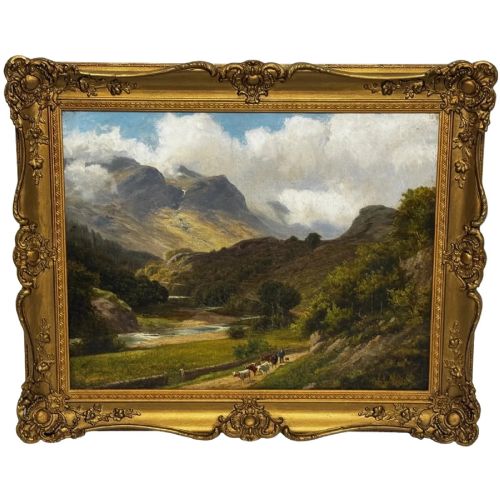
The selections available here range from expansive seventeenth-century Dutch school scenes and eighteenth-century pastoral views to nineteenth-century Victorian depictions of the Lake District, Wales, and Venetian canals. These works frequently incorporate oil on canvas or wood panels, framed in period giltwood.
Buyers choose these artworks to anchor a room with historical depth, capturing specific geographic locations from Borrowdale to Venice through the distinct styles of regional schools and named nineteenth-century artists.
How they were made
These works rely primarily on oil paint applied to canvas, wood panels, or board, utilising gesso layers to prepare wooden supports. Artists built up depth through layered brushwork, blending pigments to capture atmospheric effects such as morning light or winter snow.
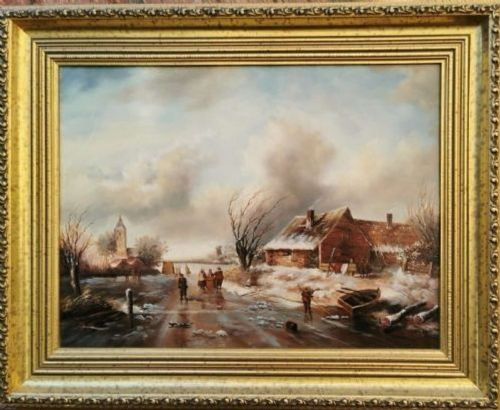
Several winter scenes capture Dutch children ice skating, proving that historic painters enjoyed a chilly day just as much as anyone.
What varies in quality
Quality rests in the handling of light, atmosphere, and perspective, where master painters achieve convincing spatial depth and tactile realism in foliage, water, and stone. Lesser examples display rigid composition and flat colour application without atmospheric nuance.
The preservation of the original paint surface and the integrity of the period frame dictate the standing of a piece. Works retaining their initial gesso and giltwood frames without heavy overpainting command greater appreciation among collectors.
Benjamin Barker of Bath·Hendrik Willem Schweickhardt·Francis Moltino·Albert Rieger·Robert Watson·T C Hofland·Sidney Richard Percy·Pieter Bout·Adriaen Frans Boudewyns·Peter Deakin·Clifton Tomson·Alfred Pollentine·Alfred de Breanski·Sydney Kendrick
The Classic Landscape Painting Glossary
- Gesso
- A plaster-like mixture applied to wood panels or frames to create a smooth surface for painting or gilding. It provides a stable base that holds fine detail.
- Giltwood
- Wood carved and covered with a thin layer of gold leaf or metallic powder. It frames many traditional paintings from the seventeenth to nineteenth centuries.
- Oil on Canvas
- Pigment mixed with drying oil applied to a woven fabric stretched across a wooden frame. This combination allows for rich colour blending and durability.
- Dutch School
- A group of artists working in the Netherlands during the seventeenth century known for realistic depictions of light, weather, and topography. Their compositions heavily influenced later landscape traditions.
- Victorian Pastoral
- A nineteenth-century artistic approach focusing on idealized rural scenes, agricultural life, and tranquil countryside views. These works emphasise harmonious nature and peaceful human interaction with the land.
Classic Landscape Painting: Frequently Asked Questions
How do I hang a heavy oil painting?
Secure the hanging wire or rings directly into wall studs using appropriate steel fixings rated for the weight of the canvas and frame. Avoid relying solely on plaster walls without anchors.
Ensure the painting hangs at eye level, away from direct sunlight and heat sources that could dry out the canvas or crack the gesso frame over time.
What is the difference between oil and watercolour?
Oil paint uses pigment suspended in drying oil, applied to canvas or wood, allowing for thick impasto and deep, blendable colour layers. Watercolour relies on water-soluble pigments on paper.
Oil paintings generally require sturdy wooden stretcher frames and offer greater durability against fading compared to works on paper.
How do I identify a Victorian landscape?
Victorian landscapes often depict recognizable British topography, such as Welsh mountains, the Lake District, or Scottish scenes, painted with realistic detail between eighteen thirty-seven and nineteen hundred.
Look for atmospheric lighting, pastoral motifs with livestock or figures, and original giltwood frames bearing nineteenth-century dealer stamps or labels.