


Classic Oil Painting Landscape
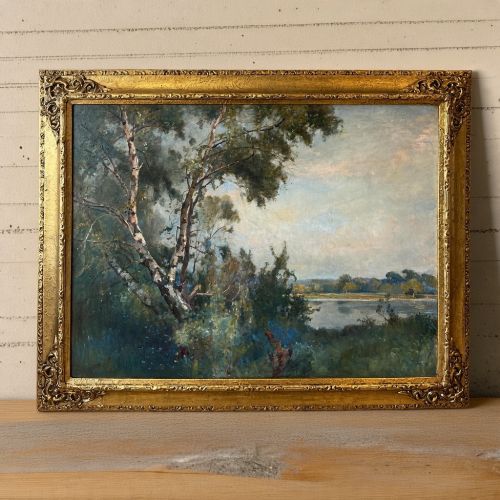
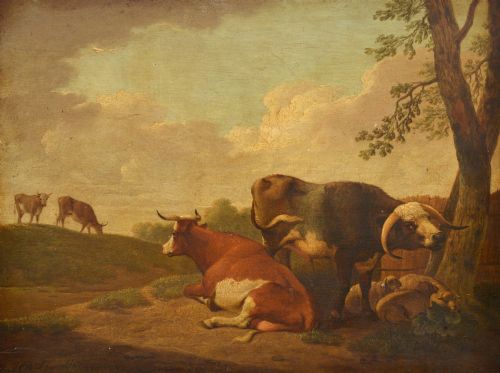
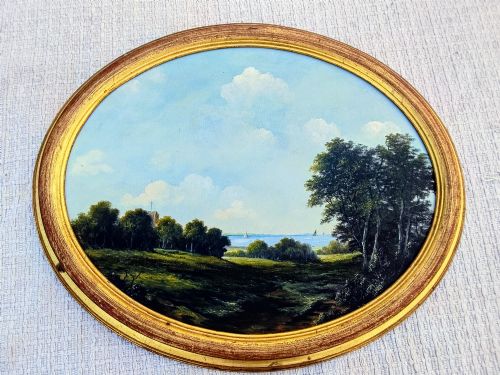
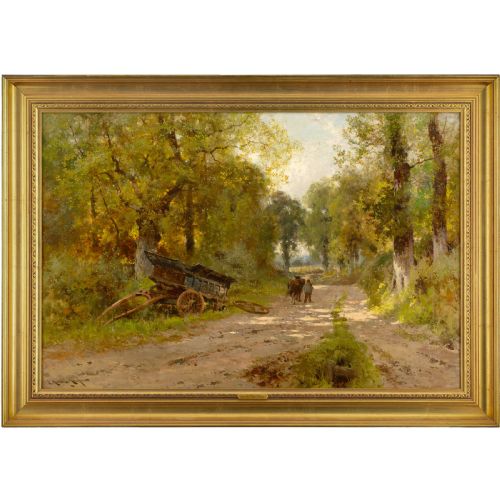
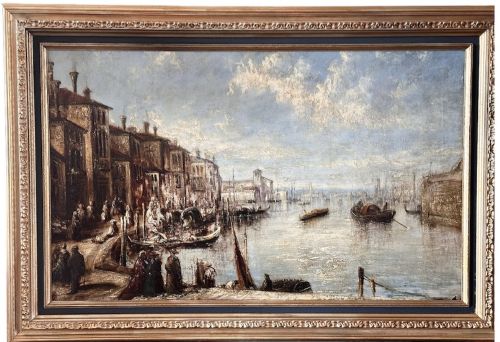
A classic oil painting landscape captures centuries of pastoral and coastal scenery rendered in rich pigments on canvas or panel.
Classic Oil Painting Landscape
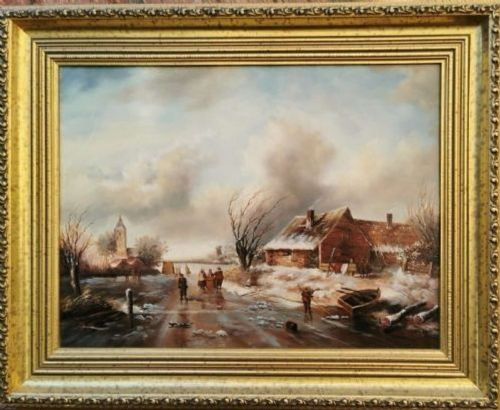
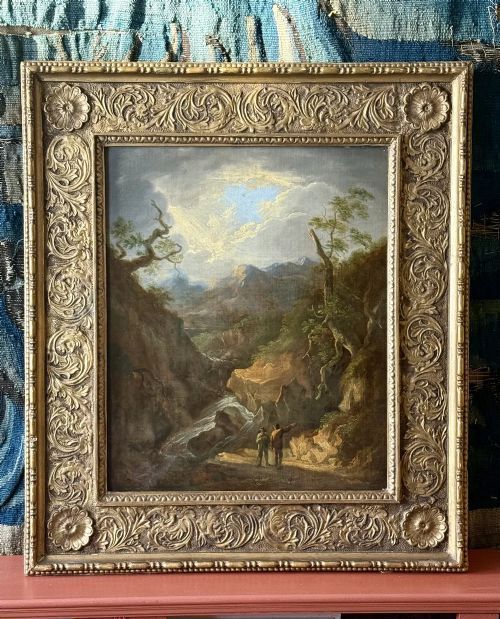
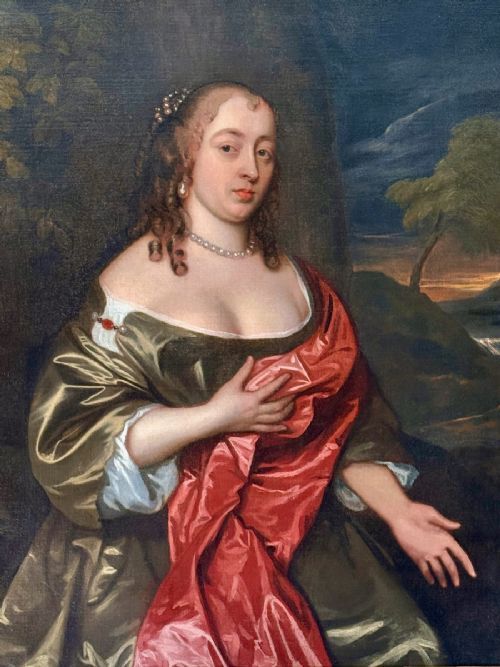
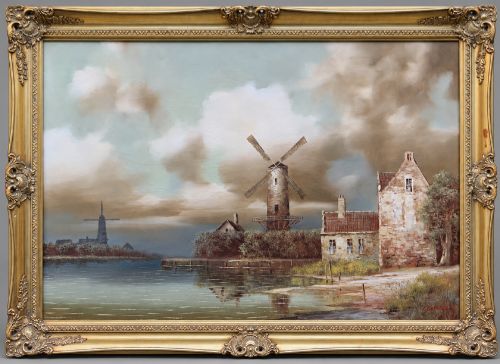
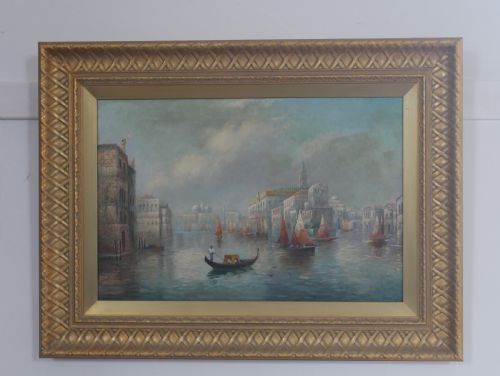
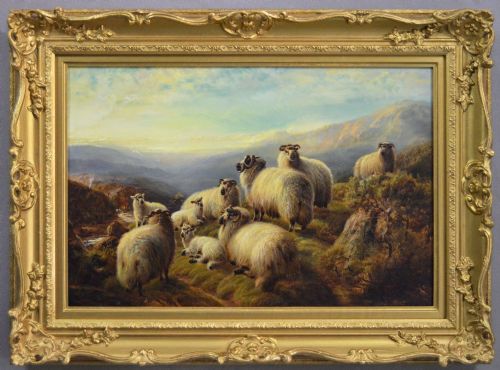
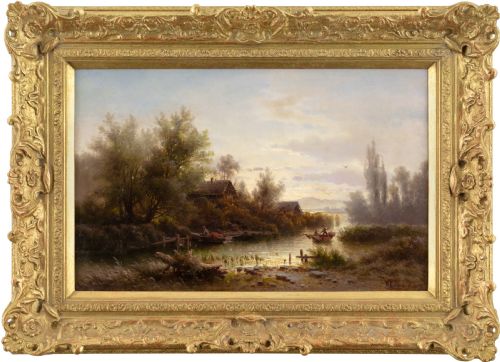
When searching for a classic oil painting landscape, buyers encounter works spanning from the seventeenth century through the early twentieth century. These pieces record rural valleys, river scenes, mountain views, and coastal settings, created by various European and British schools.
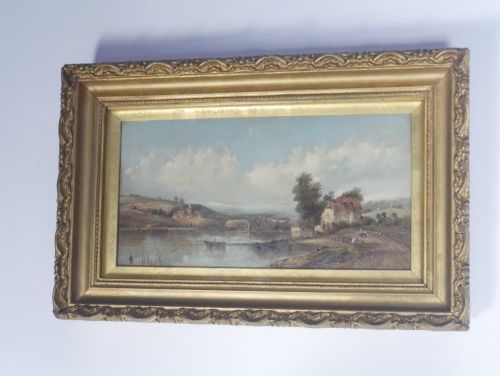
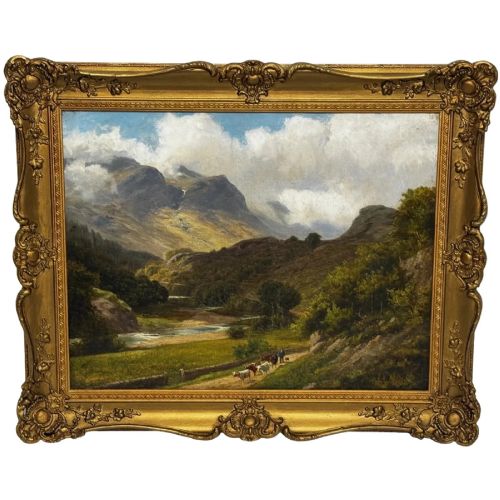
The most common examples on this page are nineteenth-century canvases depicting pastoral vistas, wooded rivers, and highland settings. Many are set within original gilt wood frames that complement the depth and tone of the oil pigments.
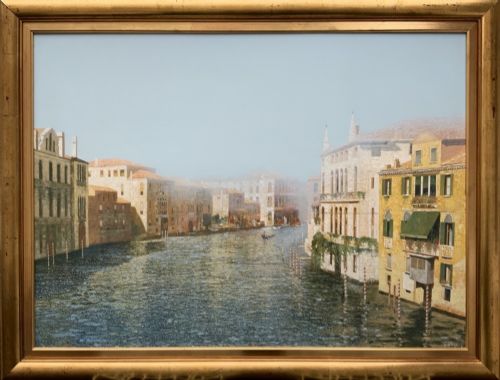
The selection includes specific regional views such as Welsh mountains, Scottish lakes, and Italian canals, alongside broader pastoral compositions. Works range from intimate panel paintings to large framed exhibition pieces.
How they were made
These works are executed primarily in oil paint applied to stretched canvas, wooden panels, or board supports. Artists built up compositions using layered brushwork to achieve varied textures in foliage, water, and skies.
Framing forms an integral part of the physical object, utilising gilt wood and giltwood mouldings designed to house and project the artwork.
Classic Oil Painting Landscape Retail Price Guide 2026
Typical asking prices for classic oil painting landscape among the pieces listed under this phrase on Sellingantiques today, from the lower quarter to the upper quarter. They describe what is for sale here now, not the wider market.
Listings feature works spanning from the seventeenth century through the mid-twentieth century, utilising oil on canvas, wood panels, and gilt wood frames.
What varies in quality
Quality in these landscapes rests upon the confidence of the brushwork and the handling of light and atmosphere across the composition. Stronger works demonstrate a secure command of perspective, scale, and tonal harmony within the natural setting.
The presence of a recorded artist adds distinction, as does the survival of the original period frame. Condition of the canvas and the stability of the oil paint layer also influence the standing of an individual piece.
Hendrik Willem Schweickhardt·Francis Moltino·Albert Rieger·Robert Watson·T C Hofland·Sidney Richard Percy·Pieter Bout·Adriaen Frans Boudewyns·Peter Deakin·Clifton Tomson·Alfred Pollentine·Alfred de Breanski·Sydney Kendrick·James L Brooke·Frederick J Knowles·Ernest Walbourn·Alfred Banner·B W Leader
The Classic Oil Painting Landscape Glossary
- Oil on Canvas
- A traditional painting medium where pigmented oil paints are applied to a woven fabric support stretched over a wooden frame.
- Gilt Wood
- Carved wood decorated with gold leaf or metallic gold powder, commonly used for period picture frames.
- Oil on Panel
- A painting created by applying oil paint directly to a prepared wooden board or panel.
- Pastoral
- A genre of art depicting the idealized rural life of shepherds, farmers, and country landscapes.
- Realism
- An artistic movement focused on depicting subjects as they appear in everyday life without idealization.
Classic Oil Painting Landscape: Frequently Asked Questions
How do I date an old landscape painting?
Dating relies on stylistic clues, costume details of any figures present, and the construction methods of the canvas and stretcher. Frame styles and handwritten inscriptions on the reverse often provide additional chronological markers.
Comparison with documented works by the same school or artist helps narrow the period of creation further.
Where should I hang an oil landscape?
These paintings suit principal reception rooms, studies, or hallways where lighting can be controlled. Direct, intense sunlight should be avoided to protect the oil pigments and canvas over time.
Matching the scale of the artwork to the wall space ensures the piece commands the room properly.
What is the difference between canvas and panel?
Canvas provides a slightly flexible, woven surface that absorbs brushwork with a distinct texture. Wooden panels offer a rigid, smooth support favoured in earlier periods for fine detail.
Both materials require stable ambient humidity to prevent warping of wood or slackening of canvas.
Why do some frames look different?
Frames are frequently contemporary to the painting, reflecting the decorative tastes of the era in which the artwork was finished. Gilt wood mouldings evolved from ornate Baroque designs to simpler Victorian profiles.
Original frames contribute to the historical integrity of the piece.