

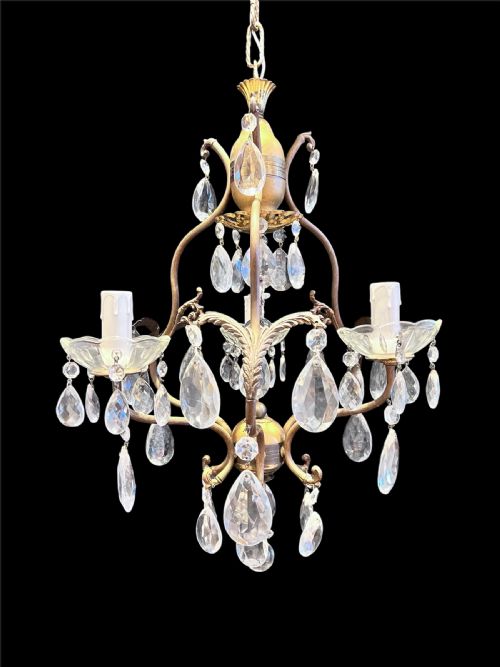


Classic Italian Lighting
Classic Italian lighting brings warmth and architectural weight to a room through centuries of skilled metalwork and glass crafting.
Classic Italian Lighting
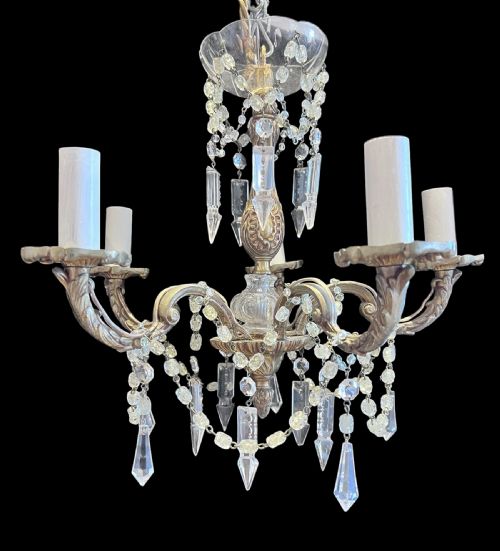
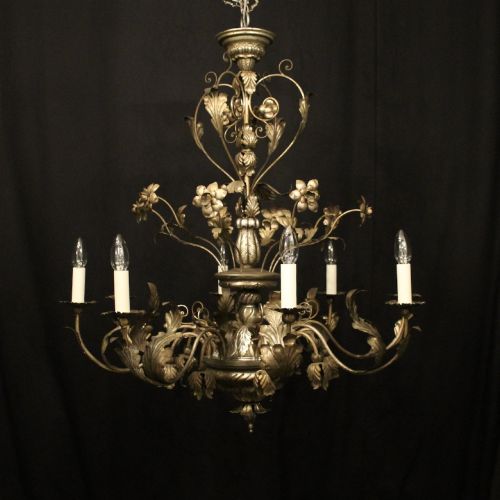
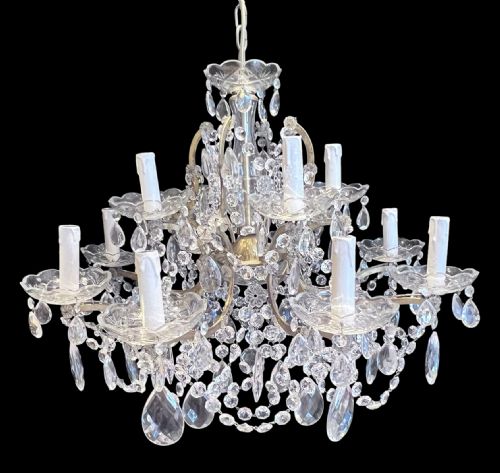
Classic Italian lighting encompasses grand chandeliers, floor lamps, wall lights, and candelabras spanning periods from the eighteenth century through the mid-twentieth century. Buyers seeking classic Italian lighting frequently encounter multi-light crystal chandeliers, giltwood fixtures, and carved table lamps reflecting regional styles.
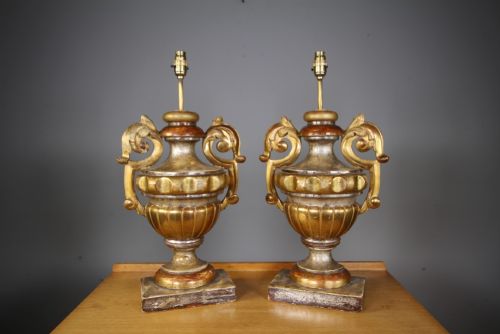
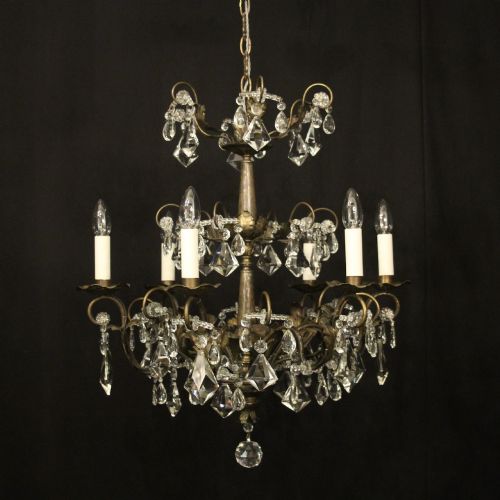
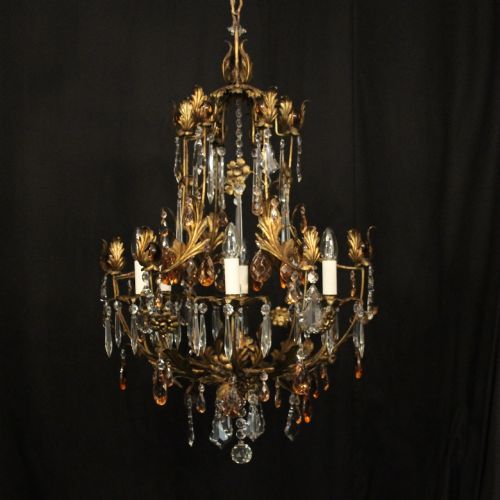
The selection here ranges from intricate Italian Baroque and Rococo Revival designs to refined Neoclassical and Maria Theresa forms. Common formats include twelve-light crystal fixtures, gilt Florentine chandeliers, and paired alabaster or carved pine urn lamps.
Makers and artisans across Italy utilised traditional regional motifs, pairing carved timber and gilt metal with cascading glass drops. These pieces function as both practical illumination and striking sculptural focal points within domestic interiors.
Materials and Construction Techniques
Craftsmen built these fixtures using traditional combinations of carved wood, gesso, brass, and gilt metal, often finishing surfaces with applied gold leaf or silver gilding. Wooden elements feature hand-carved pine, walnut, and gesso frameworks shaped into elaborate floral and cherubic motifs.
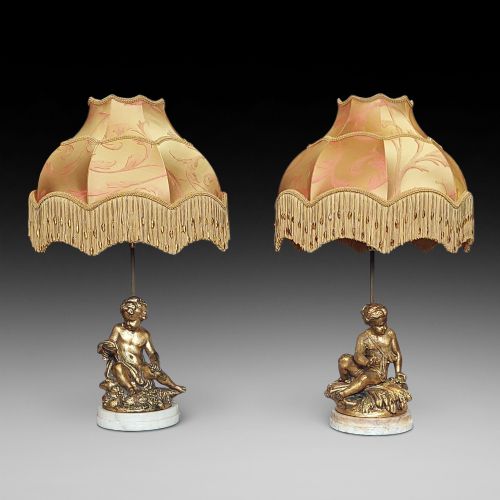
Glass and crystal components are shaped and cut to catch light, suspended from metal armatures using wire or pins. Fabric shades, alabaster mounts, and polychrome painted details further enrich the surface texture of floor lamps and wall lights.
Classic Italian Lighting Retail Price Guide 2026
Typical asking prices for classic italian lighting among the pieces listed under this phrase on Sellingantiques today, from the lower quarter to the upper quarter. They describe what is for sale here now, not the wider market.
Several Italian chandeliers and lamps keep watchful eyes over rooms by incorporating hand-carved wooden cherubs directly into their gilded frames.
Markers of Quality
Quality in these pieces rests upon the crispness of the hand-carving in wooden elements and the depth of the gilding applied to gesso and metal frames. Superior examples display finely articulated details like carved cherubs and acanthus leaves rather than soft, moulded substitutes.
The integration of glass and crystal components also separates standard production from finer pieces. High-grade chandeliers feature heavy, well-cut crystal drops and balanced metal armatures that maintain structural integrity across large multi-tier designs.
The Classic Italian Lighting Glossary
- Giltwood
- Wood that has been treated with a thin layer of gold leaf or powder over a prepared gesso ground. This technique creates a luminous, reflective surface characteristic of Baroque and Florentine furnishings.
- Maria Theresa chandelier
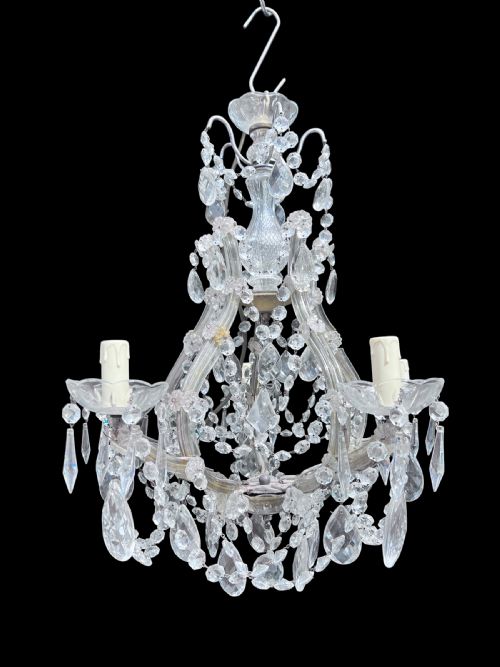
- A flat-armed crystal chandelier style originating in the eighteenth century, named in honour of the Austrian Empress. These fixtures typically feature scrolling metal frames completely covered by flat glass plates and pendent drops.
- Alabaster
- A fine-grained, translucent stone often used for carving decorative bases, urns, and lamp bodies. When illuminated, the material diffuses a soft, even glow.
- Candelabra
- A branched candlestick or holder designed to carry multiple tapers or light bulbs. Italian examples frequently incorporate silvered metal, carved wood, or multiple arms arranged symmetrically.
- Polychrome
- The practice of decorating architectural elements or furniture with several colours in paint. This finish adds visual depth and realistic detail to carved wooden wall lights and figures.
Classic Italian Lighting: Frequently Asked Questions
How do I clean an antique crystal chandelier?
Dust the crystal drops regularly with a soft feather duster to prevent grime buildup.
For a deeper clean, wipe each pendant individually with a mild soapy solution and dry immediately with a lint-free cloth.
Can these vintage chandeliers take modern bulbs?
Most antique fixtures accommodate standard modern wiring and low-heat LED bulbs, provided an electrician checks the internal components.
It is wise to ensure the original lamp holders match current safety standards before installation.
How do I distinguish Maria Theresa chandeliers from other styles?
Maria Theresa designs are instantly recognisable by their flat metal arms covered entirely in glass leaves and crystal trim.
Other styles, such as Florentine or Rococo, rely more heavily on exposed carved giltwood and scrolling brass branches without the extensive glass plate cladding.
Where should I hang a large two-tier chandelier?
These substantial fixtures require high ceilings and a room with sufficient floor space to balance their visual weight.
Entryways, grand stairwells, and principal dining rooms provide the ideal architectural scale for multi-tier designs.