



Bohemian Crystal Light
These bohemian crystal light pieces bring striking cut glass, ruby red tones, and glittering drop lustres into a room.
Bohemian Crystal Light
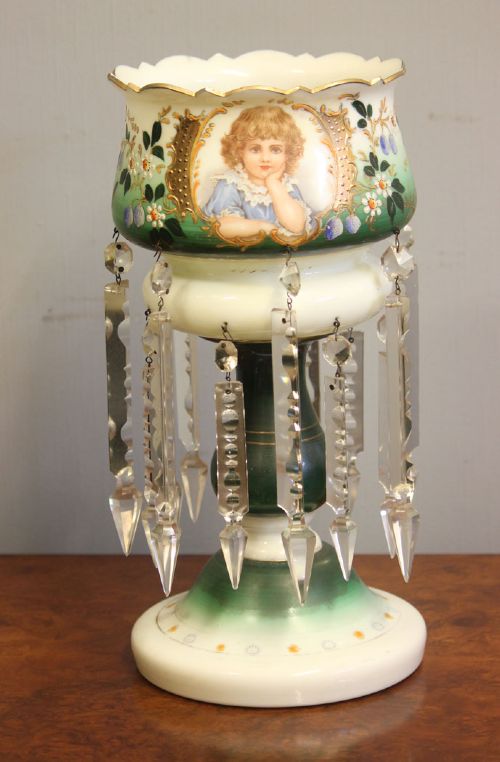
The objects span Victorian, Art Deco, and Maria Theresa styles, often rendered in deep ruby glass, cranberry glass, or clear cut crystal. You are most likely to meet mantel lustres and chandeliers built with brass, gilt, and layered crystal prisms.
Originating predominantly from Continental and Bohemian workshops, these items serve both functional lighting and decorative display roles. The forms include pairs of ruby glass mantel lustres with hanging crystal drops and substantial multi light chandeliers.
How they were made
The construction of these pieces relies on heavy glass and crystal, often shaped as flash glass or overlay glass with contrasting colour layers. Artisans cut deep geometric facets into the crystal to maximise the refraction of light through the hanging drops and bowls.
Many items combine glass bodies with brass fittings, silver plating, and delicate enamel or gilt ornamentation. Chandeliers and lustres integrate metal armatures to support arrays of crystal drops and candle or bulb holders.
Bohemian Crystal Light Retail Price Guide 2026
Typical asking prices for bohemian crystal light among the pieces listed under this phrase on Sellingantiques today, from the lower quarter to the upper quarter. They describe what is for sale here now, not the wider market.
Listings feature items spanning the Victorian, Edwardian, and mid-twentieth century periods, utilising glass, ruby glass, brass, and gilt materials.
What varies in quality
Quality in these lighting pieces rests on the depth of the glass cutting, the clarity of the crystal, and the richness of coloured glass such as ruby red or cranberry. Superior examples exhibit crisp facets and substantial weight in the glass bodies.
The intricacy of the metal mounts, the completeness of the hanging crystal drops, and the application of gilt or enamel decoration distinguish finer examples from simpler production. Matching pairs of lustres or large chandeliers demonstrate higher craftsmanship than single, smaller vessels.
The Bohemian Crystal Light Glossary
- Mantel lustre
- A decorative ornamental vase or candlestick hung with long crystal prisms designed to reflect candlelight. These items were traditionally placed on fireplace mantelpieces during the Victorian era.
- Flash glass
- Glass formed by blowing a thin layer of coloured glass over a thicker body of clear glass, then cutting through the coloured layer to create a pattern. This technique produces the striking ruby and clear contrast seen on many pieces.
- Overlay glass
- A vessel made with two or more distinct layers of glass where sections of the outer layer are cut away to reveal the contrasting colour beneath. It provides depth and visual texture to candlesticks and lustres.
- Maria Theresa chandelier
- A grand, flat armed style of chandelier named after the Austrian Empress, characterised by glass covered frames and numerous crystal drops. They often incorporate coloured crystal elements.
- Uranium glass
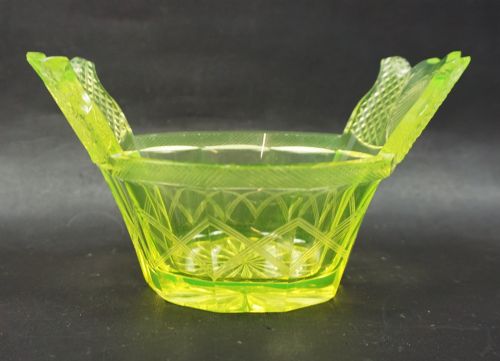
- Glass containing trace amounts of uranium oxide, which glows green under ultraviolet light. It appears in early nineteenth century Bohemian table dishes.
Bohemian Crystal Light: Frequently Asked Questions
What is a mantel lustre?
A mantel lustre is a decorative glass vessel fitted with dangling crystal prisms, designed to sit on a fireplace mantelpiece.
They catch and refract candlelight or ambient room light through their hanging drops, serving a purely ornamental purpose in Victorian interiors.
How do I clean a crystal chandelier?
Cleaning requires careful wiping of each crystal drop and arm using a mild glass cleaning solution and a soft cloth.
Because many vintage chandeliers feature delicate brass and gilt frames or wired electrical components, dismantling the drops individually is often necessary for safe maintenance.
Are these lights modern wired?
Many older chandeliers and ceiling lights have been rewired to meet contemporary electrical safety standards while retaining their historic frames.
Buyers should inspect the specific listing details to confirm whether a piece has been updated for modern installation or remains in its original structural state.
How do I identify ruby glass?
Ruby glass is a deep red glass created by adding gold or copper compounds to the molten mixture during production.
In Bohemian pieces, this colour is frequently combined with clear crystal through cutting or overlay techniques to create sharp contrast.