



Coloured Glass Light Fixture
A coloured glass light fixture brings warmth and vivid tone to a room through tinted crystals, stained panels, or vivid shades.
Coloured Glass Light Fixture
When someone searches for a coloured glass light fixture, they encounter a range of hanging illumination forms originating across the nineteenth and early twentieth centuries. These pieces encompass elaborate multi-branch chandeliers, single pendant lights, and robust ceiling lanterns designed for porches or interior halls.
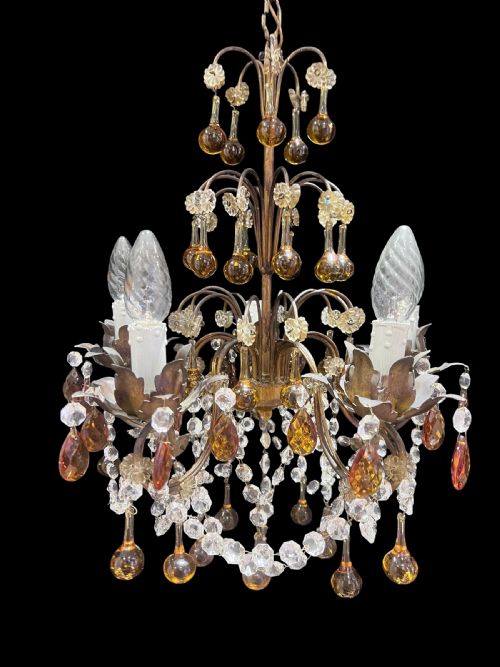
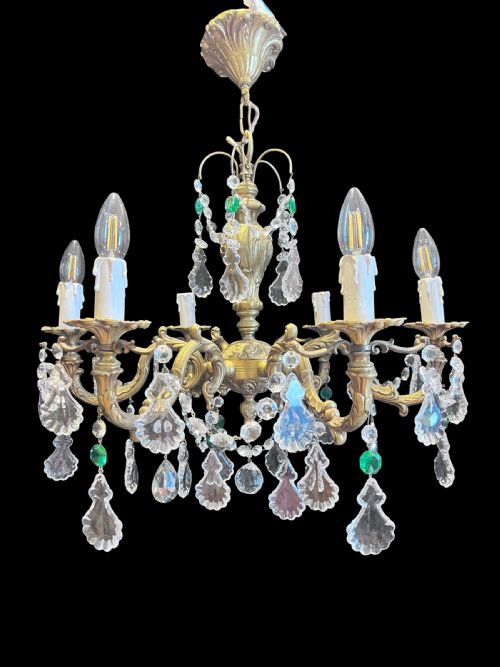
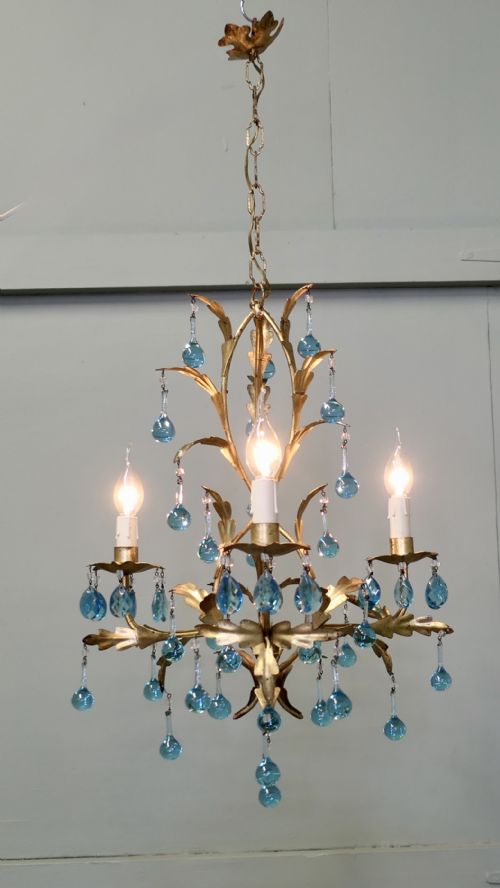
The options span distinct historical styles including Victorian, Edwardian, Arts and Crafts, Moorish Revival, and French Provincial aesthetics. Buyers frequently encounter variants adorned with tinted crystal droplets, amber and mauve fruit motifs, or leaded stained glass panels set in metal frames.
Origin points stretch from Italy and France to North Africa, uniting diverse regional craftsmanship under the broad umbrella of decorative tinted illumination. Most examples rely on historic wiring adaptations or require professional installation to meet contemporary electrical standards.
How they were made
Makers constructed these fixtures using robust structural metals such as brass, gilt metal, wrought iron, lead, and gilded toleware to support heavy glass components. Artisans shaped metal branches and frames by hand, casting or forging arms to hold multiple candle-style lights or single bulbs.
Glass elements arrived as moulded crystal drops, faceted teardrops, or carved fruit shapes including grapes, apples, and pears in various hues. Workers joined stained glass panels with lead came in porch lanterns, securing coloured panes into rigid geometric or floral patterns.
Coloured Glass Light Fixture Retail Price Guide 2026
Typical asking prices for coloured glass light fixture among the pieces listed under this phrase on Sellingantiques today, from the lower quarter to the upper quarter. They describe what is for sale here now, not the wider market.
Listings include items from the Victorian and Edwardian eras alongside 19th-century pieces, featuring brass, wrought iron, and stained glass.
What varies in quality
The distinction between standard examples and finer items rests in the depth of hand-cut detail within the crystal and the weight of the supporting metalwork. Superior pieces display crisply faceted drops, intricate bronze or brass casting, and securely joined leaded panels.
Workmanship in the assembly of fruit clusters and the integration of coloured glass elements dictates the overall visual harmony of the fixture. Heavier iron branches, thick cast bronze, and uniform coloration across numerous crystal drops indicate higher manufacturing ambition.
The Coloured Glass Light Fixture Glossary
- Toleware
- Lacquered or enamelled metalware, frequently painted to resemble natural materials or to provide vibrant colour accents on chandelier frames. This technique adds an opaque surface finish distinct from bare brass or iron.
- Crystal
- High-clarity glass containing metallic oxides to increase brilliance and weight, often cut into facets that refract light in multiple directions. In these fixtures, crystal appears as clear or tinted drops, beads, and fruit shapes.
- Leaded glass
- Pieces of glass joined together by strips of lead came, soldered at the joints to form panels for lanterns and windows. This method provides flexible yet sturdy support for coloured glass windows.
- Maria Theresa
- A classical chandelier style characterised by flat metal arms covered in glass strips and secured with rosette pins, originating from central European design traditions. These large multi-light fixtures often incorporate rich crystal ornamentation.
- Moorish Revival
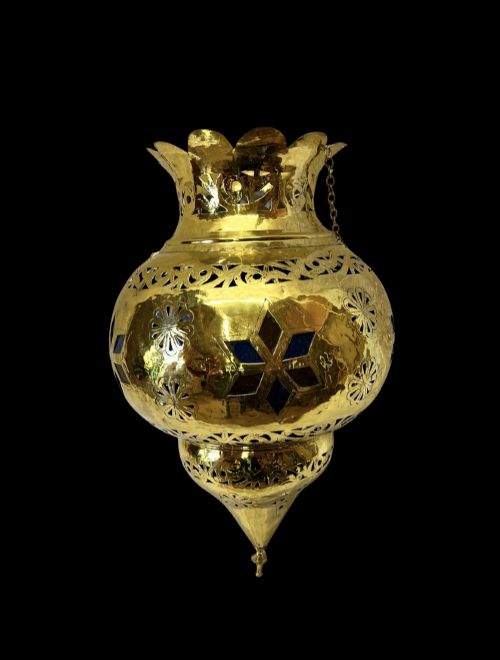
- An architectural and decorative style drawing inspiration from North African and Islamic design motifs, frequently utilising pierced metal lanterns and coloured glass panes. Such fixtures cast patterned shadows through tinted apertures.
Coloured Glass Light Fixture: Frequently Asked Questions
How do I hang a heavy chandelier?
Hanging a heavy metal and crystal fixture requires securing the weight directly to ceiling joists using a rated electrical box and a proper steel crossbar.
Professional installation is essential to ensure the structural safety of older brass, iron, and glass assemblies.
Can these antique lights use modern bulbs?
Most antique fixtures accommodate standard modern LED or incandescent bulbs provided the lamp holders and internal wiring are in safe working order.
An electrician should inspect older wiring and sockets before regular domestic use.
How do I clean coloured glass crystals?
Cleaning tinted crystals involves removing them gently from the frame and washing them in lukewarm water with a mild soap solution.
Harsh chemical cleaners should be avoided to protect applied surface colours and historic metal finishes.
What rooms suit a coloured glass lantern?
Porch lanterns and smaller stained glass fixtures fit well in entrance hallways, vestibules, or smaller rooms where concentrated overhead illumination is desired.
Larger multi-arm chandeliers with coloured crystals suit dining rooms or high-ceilinged reception spaces.