

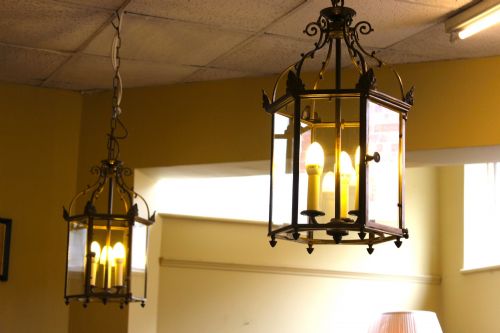


Classic Hall Lantern
These classic hall lantern fixtures light an entryway with period metalwork and glass, giving an interior an immediate sense of architectural history.
Classic Hall Lantern
A classic hall lantern provides overhead illumination in entrance spaces, typically hanging from a short chain or suspension rod. The form ranges from simple geometric shapes to ornate Revival styles designed to make an impression upon entry.
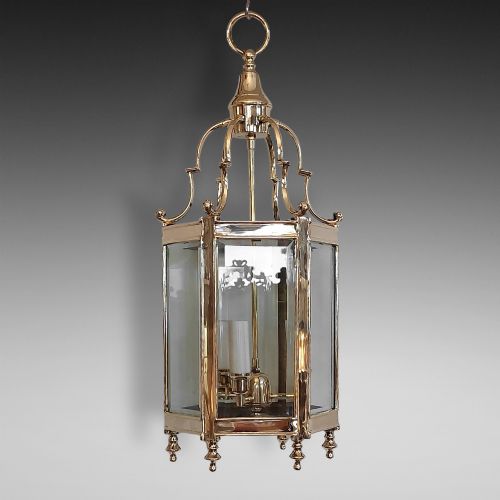
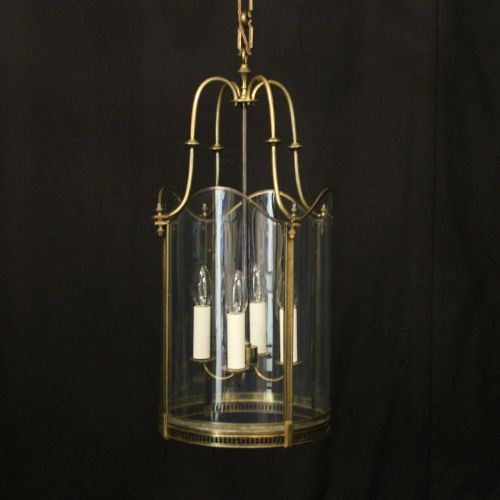
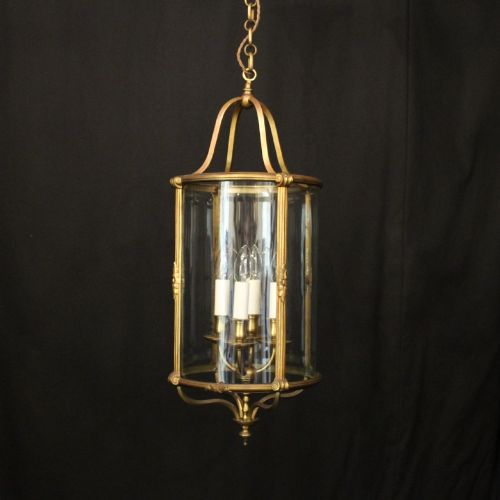
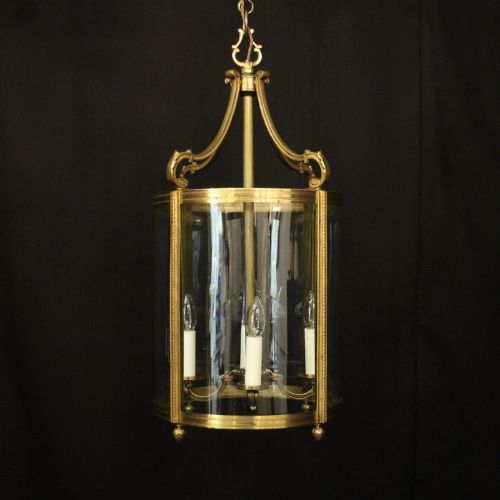
Most examples found here date from the Edwardian era, the early twentieth century, and the nineteenth century. These hanging fixtures appear in configurations holding a single light up to four lights, enclosed within glass panels.
French designs dominate the selection, spanning styles such as Louis XVI, Neoclassical, Rococo, and French Chateau aesthetics. Alongside these French works, Italian Rococo Revival and Gothic Revival pieces occasionally appear.
Materials and construction methods
Makers constructed these hanging fixtures using a framework of brass, gilt bronze, steel, or silver gilt metal fitted with glass panes. Cast metal and bronze also provide the structural body needed to support multiple internal light fittings.
Finishes include gilded surfaces and polished metalwork that catch and reflect the light. The glass components include flat panes and convex panels formed to fit hexagonal, oval, or rectangular frames.
Classic Hall Lantern Retail Price Guide 2026
Typical asking prices for classic hall lantern among the pieces listed under this phrase on Sellingantiques today, from the lower quarter to the upper quarter. They describe what is for sale here now, not the wider market.
Several oversized models require substantial hardware to ensure they stay firmly attached to the ceiling rather than greeting visitors too closely.
Judging quality and proportion
Quality in a classic hall lantern rests in the crispness of the metal casting and the weight of the bronze or brass framework. Finer examples display detailed chasing on gilt bronze mounts and sturdy construction that securely holds heavy glass panels.
Proportion and scale dictate the visual impact of the hanging light within an entrance hall. Larger oversized models require substantial metal framing to maintain structural integrity, whereas simpler designs rely on clean lines and balanced proportions.
The Classic Hall Lantern Glossary
- Gilt Bronze
- Bronze metal treated with a layer of gold or gold-coloured finish. This material appears frequently in French Neoclassical and Louis XVI style lighting.
- Convex Glass
- Glass panels curved outward from the centre. This technique adds depth and distorts light softly in hanging lanterns.
- Hexagonal
- A six-sided geometric form common in the metal framework of period hanging lanterns. This shape allows light to disperse evenly across an entryway.
Classic Hall Lantern: Frequently Asked Questions
Where should I hang a hall lantern?
These fixtures suit entrance halls, vestibules, and high-ceilinged corridors where overhead illumination is required. Their design makes them a focal point upon entering a home.
Ensure the hanging height allows adequate clearance beneath the fixture while positioning it to properly light the threshold.
How do I determine the period?
Dating relies on stylistic clues such as the specific decorative vocabulary of Louis XVI, Gothic Revival, or Edwardian design. Material choices like heavy cast bronze or early twentieth-century brass also point to specific eras.
Examining the construction of the metal frame and the type of glass helps confirm the manufacturing period.
Are these wired for electricity?
Many period hanging fixtures have been adapted for modern electrical use to hold multiple internal lightbulbs. The number of lights typically ranges from single bulb setups up to four light configurations.
Buyers should inspect the internal wiring status to determine if rewiring by a qualified professional is necessary for installation.
What is French Neoclassical style?
This design aesthetic draws inspiration from classical antiquity, featuring symmetrical lines, restrained ornamentation, and architectural motifs. In lighting, it translates to orderly bronze frames and balanced proportions.
Pieces in this style avoid excessive curves in favour of dignified, structured metalwork.