

Classic Gold Wristwatch
A classic gold wristwatch brings mid-century mechanical reliability and enduring style directly to the wrist.
Classic Gold Wristwatch
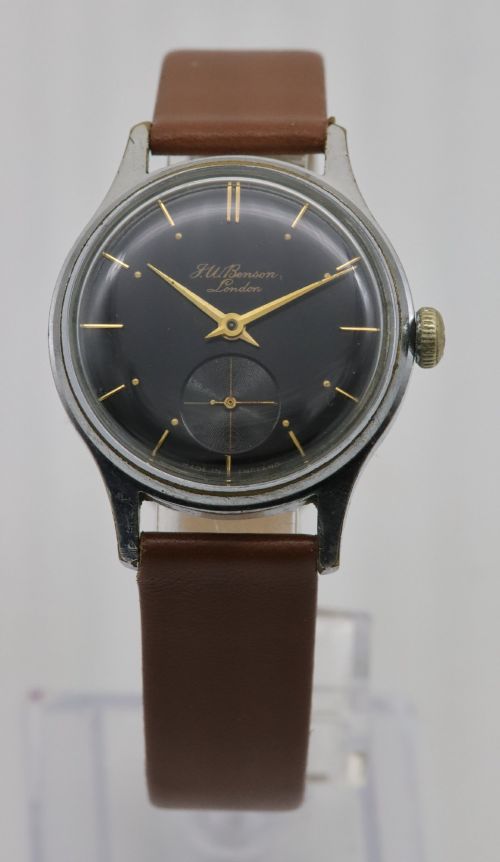
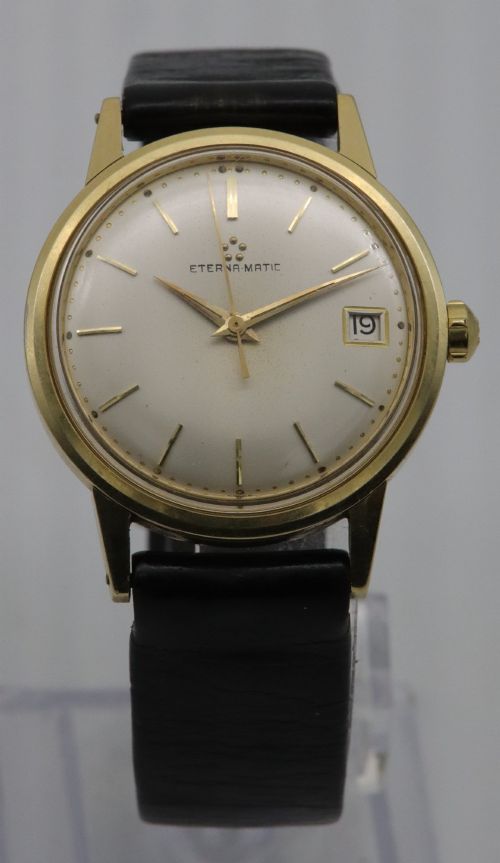
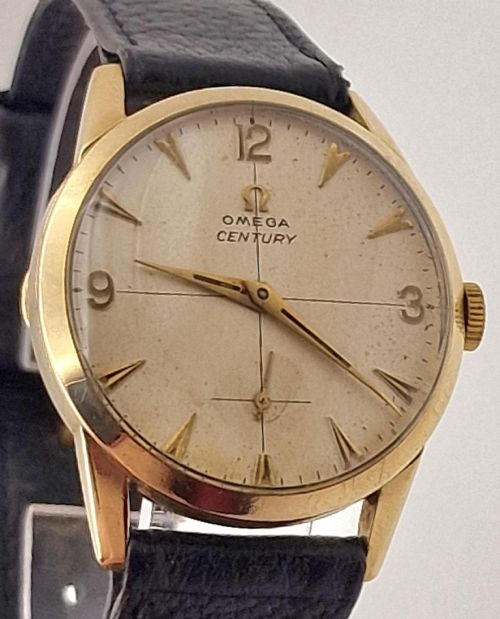
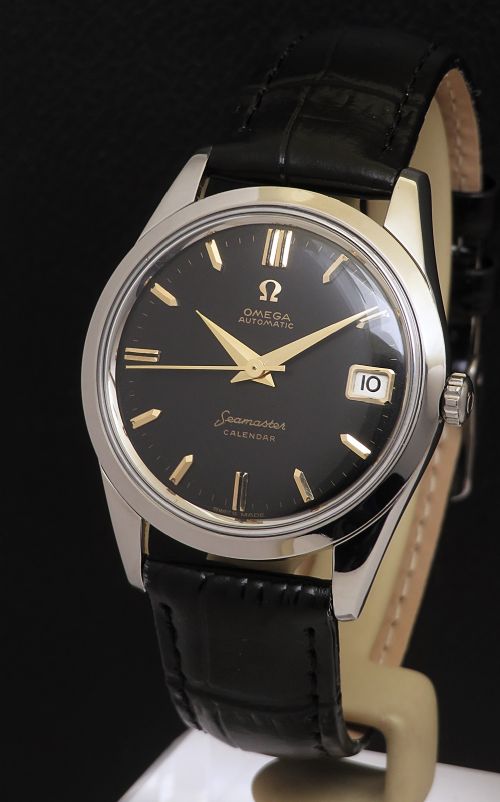
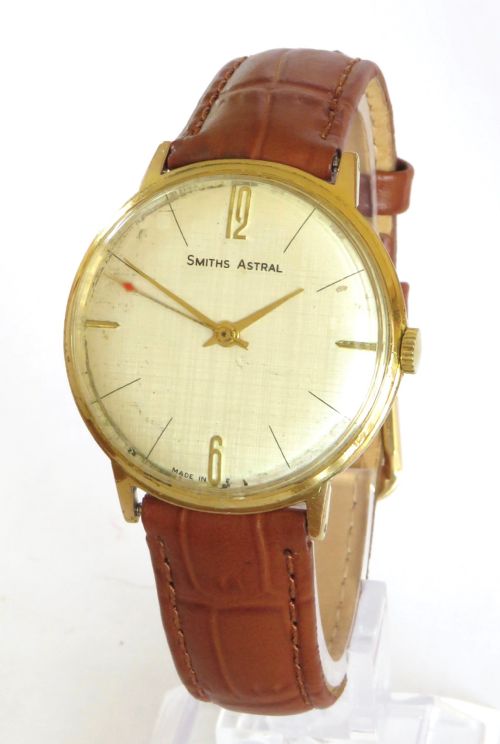
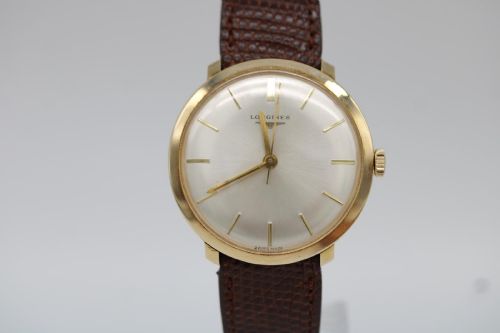
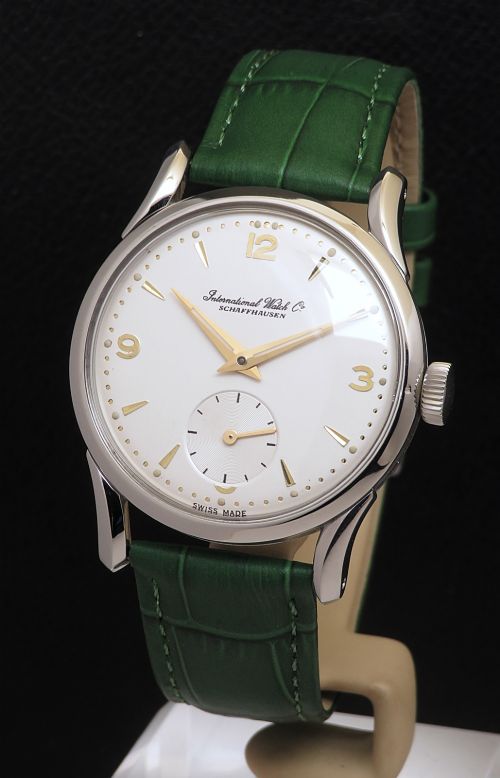
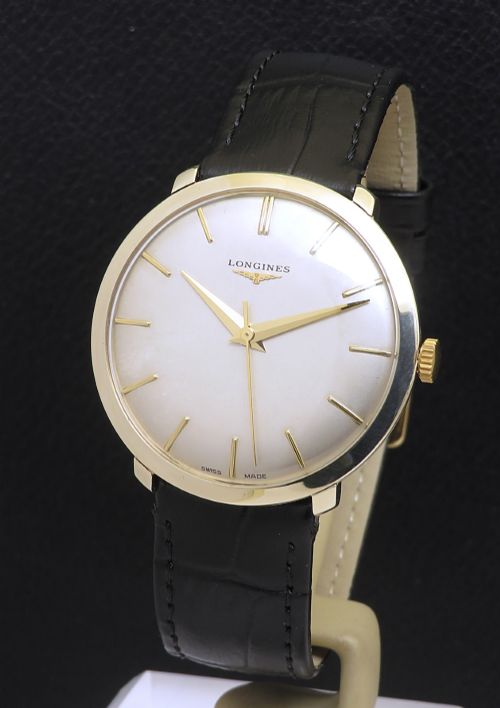
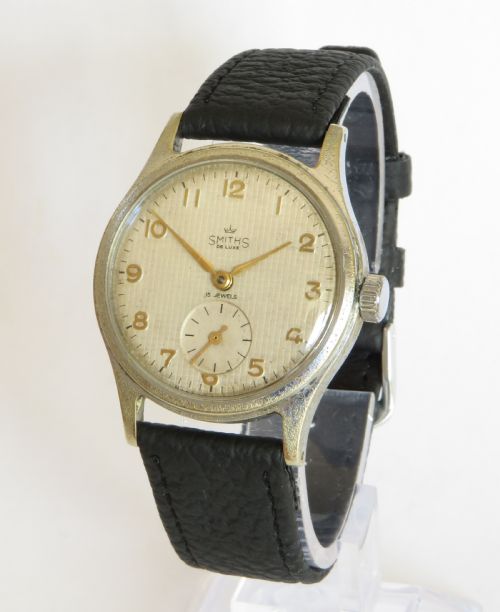
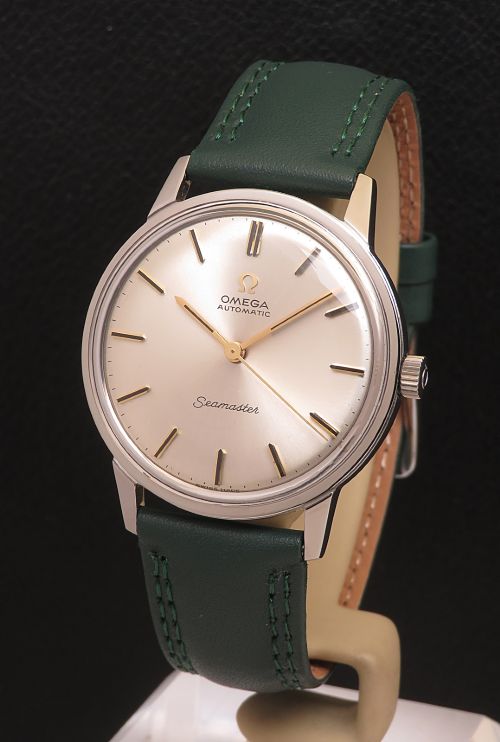
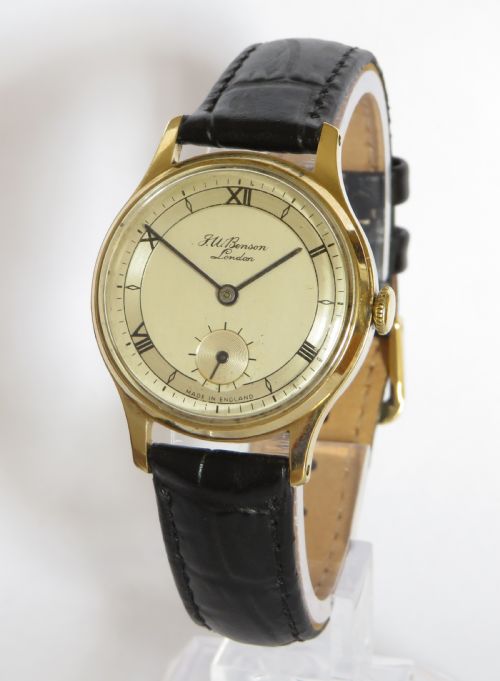
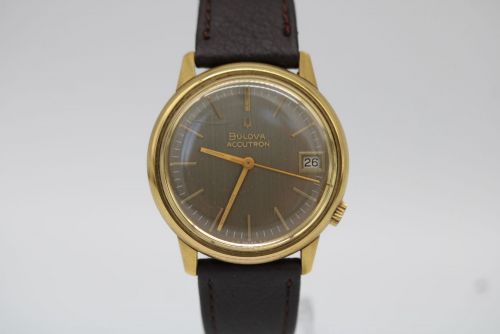
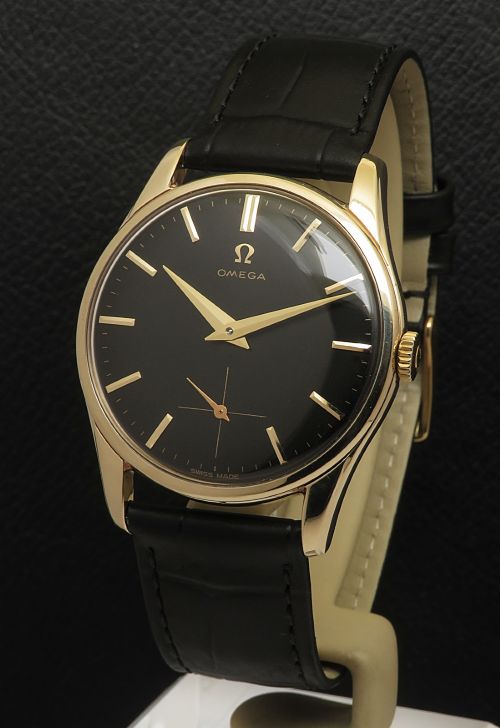
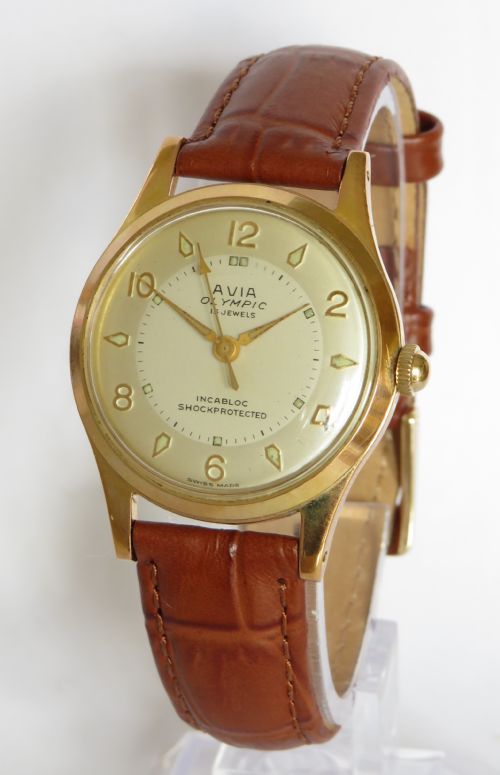
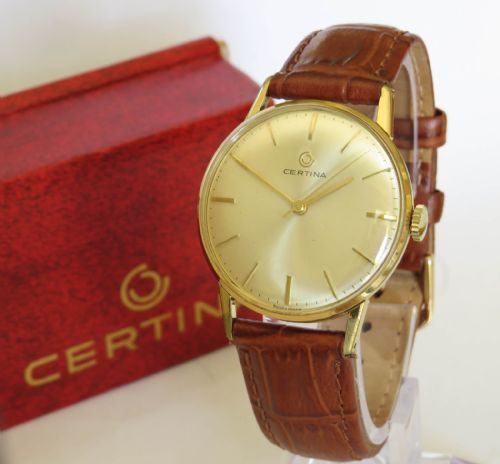
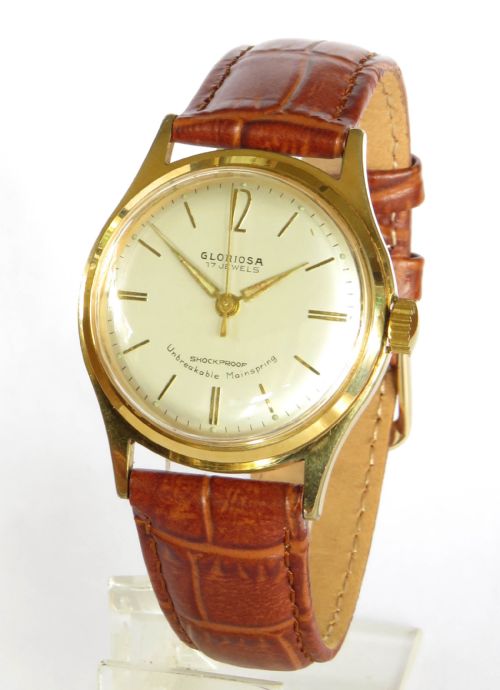
A classic gold wristwatch is a mechanical or automatic timepiece typically sourced from the 1940s, 1950s, or 1960s. Buyers searching this phrase look for traditional horological forms defined by precious metals, leather straps, and clean dials. The pieces seen here span mid-century modern designs and earlier art deco influences, reflecting the diverse aesthetics of British, Swiss, and French watchmaking.
The most common versions met on this page are gent's manual-wind and automatic wristwatches encased in solid 9ct gold or gold plate. Makers such as Omega, Smiths, and Longines dominate the selection, often pairing round cases with silver, champagne, or sunburst dials. These items represent a period when wristwatches transitioned from pocket-watch derivations into distinct daily accessories.
Materials and construction
Cases utilise solid 9ct yellow gold, 18ct white or yellow gold, and gold plate, often paired with stainless steel case backs. Dials are protected by glass or acrylic crystals, while movements rely on precision gear trains with manual or automatic winding systems. Straps consist of leather, complemented by original buckles where preserved.
Construction techniques from this era involved hand-assembled mechanical movements containing jewelled pivots to reduce friction. Precious metal cases were pressed or cast, then polished to achieve smooth contours that housed delicate dials marked with applied numerals or indices.
Classic Gold Wristwatch Retail Price Guide 2026
Typical asking prices for classic gold wristwatch among the pieces listed under this phrase on Sellingantiques today, from the lower quarter to the upper quarter. They describe what is for sale here now, not the wider market.
Listings feature items spanning the 1940s, 1950s, and 1960s, constructed from 9ct gold, 18ct gold, gold plate, stainless steel, and leather.
Distinctions in quality
Quality varies between pieces depending on the original tier of manufacturing and subsequent preservation. High-grade examples feature in-house mechanical calibres from established makers, solid precious metal cases, and untouched dials retaining factory finishes. Lower tiers utilise plated housings and generic movements that lack the refinement of top-tier workshops.
The degree of original preservation separates standard examples from exceptional survivals. Items retaining original signed crowns, branded boxes, and documented service histories command greater interest than those with replacement components or heavily refinished dial faces.
Omega·Smiths·Rolex·Longines·Tudor·Bulova·Certina·Baume and Mercier
The Classic Gold Wristwatch Glossary
- Calibre
- The specific internal movement designation used by a watch manufacturer. This identifies the exact mechanical design and grouping of components inside the case.
- Automatic
- A self-winding mechanical movement that uses a weighted rotor to tension the mainspring through natural wrist movement. This removes the need for daily manual winding.
- Manual Wind
- A traditional mechanical movement that requires the wearer to manually turn the crown to tension the mainspring. These watches lack rotors and generally feature slimmer case profiles.
- Acrylic Crystal
- A lightweight, shatter-resistant plastic material used to cover and protect the dial before the widespread adoption of synthetic sapphire. It can be easily polished to remove surface scratches.
- Sunburst Dial
- A metallic dial finish featuring a radial brushed pattern that reflects light outwards from the centre. This decorative technique creates subtle shifting tones as the wrist moves.
Classic Gold Wristwatch: Frequently Asked Questions
How do I wind a manual watch?
Gently rotate the crown clockwise between your thumb and forefinger until you feel firm resistance. Stop immediately at that point to avoid over-tensioning the internal spring.
Perform this action at roughly the same time each day if worn regularly. Avoid winding while the watch is actively on your wrist to prevent uneven pressure on the stem.
Are vintage watches waterproof?
Vintage timepieces lack the modern rubber gaskets and screw-down sealing technology found in contemporary diving equipment. Moisture and humidity can easily bypass ageing seals and damage internal movements.
Remove the watch before swimming, showering, or washing hands. Even items marked as waterproof historically should be treated as moisture-vulnerable today.
What is a gold plated case?
A gold plated case consists of a base metal core, such as brass or steel, bonded with a thin outer layer of real gold. This method offered the appearance of precious metal at a lower production cost.
Over decades of heavy wear, the underlying metal can occasionally show through the gold layer at sharp edges. Inspecting the lugs and case sides reveals the thickness and preservation of the plating.
How do I care for a leather strap?
Keep leather straps dry and away from direct sunlight, lotions, and excessive perspiration. Removing the watch before strenuous activity preserves the flexibility and colour of the hide.
Condition the leather periodically with specialised balms if it begins to dry out. Replacement straps are easily fitted when the original material eventually reaches the end of its functional life.