


Classic Gold Frames
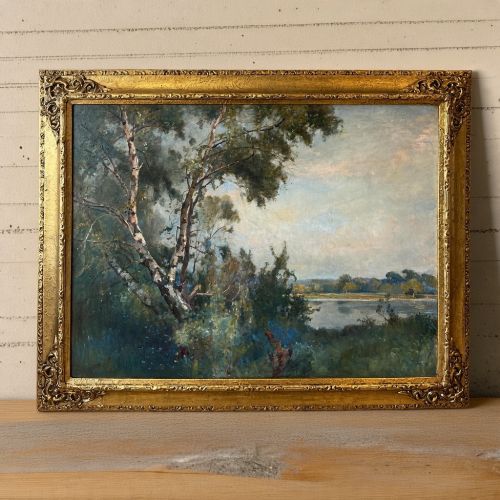
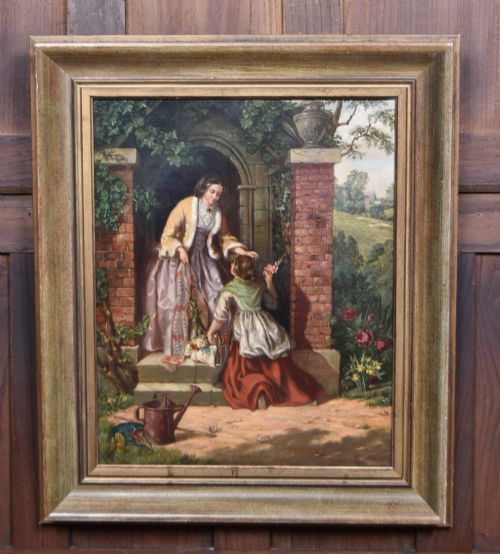
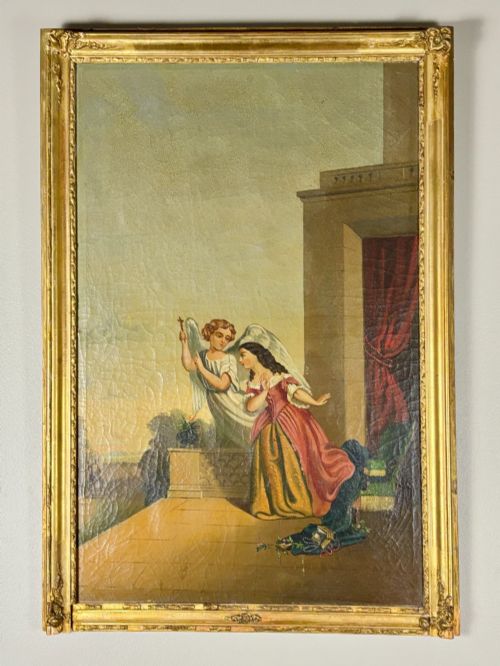
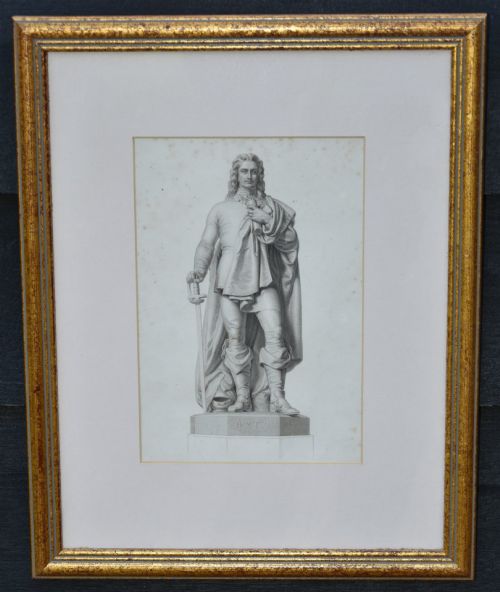
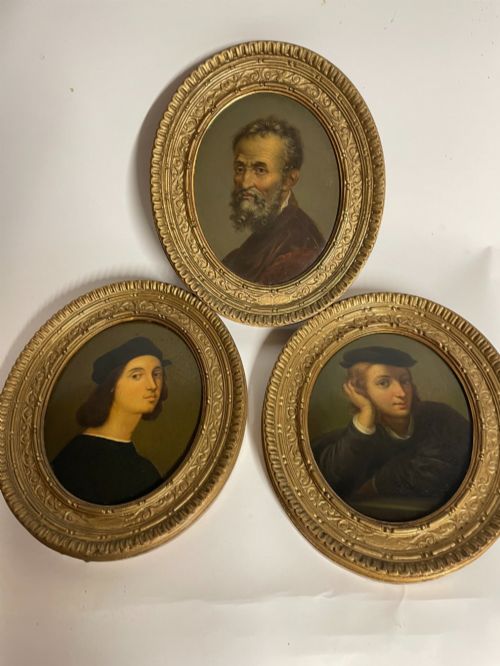
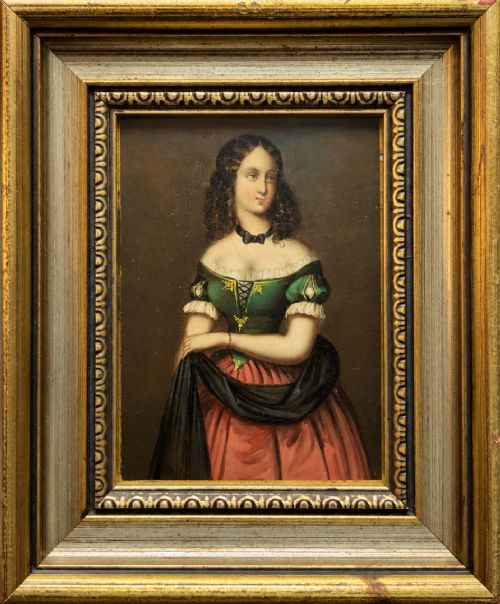
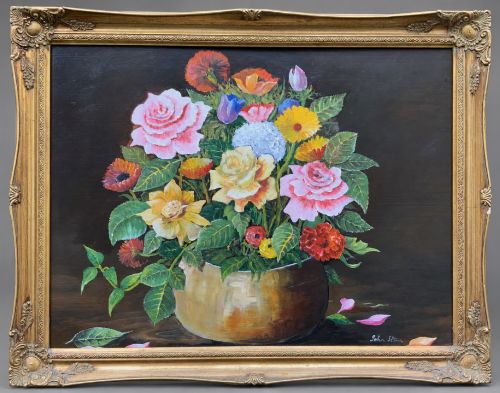
These classic gold frames and framed artworks span centuries of decorative and fine art, bringing substantial, gilded presence to any room.
Classic Gold Frames
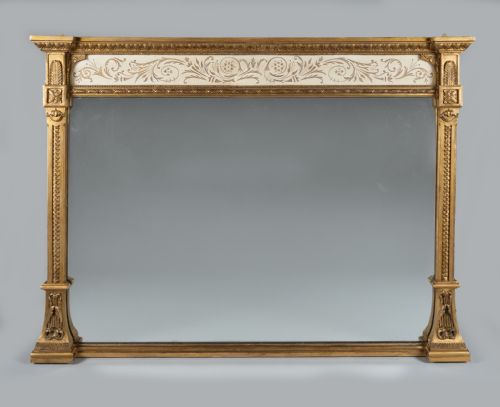
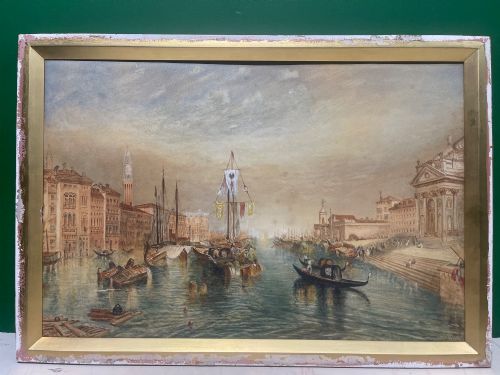
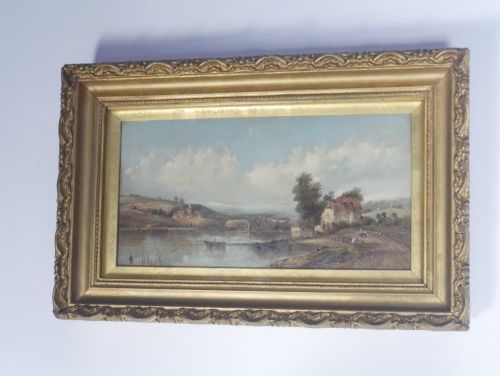
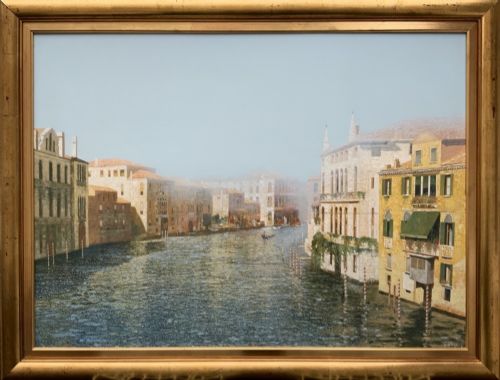
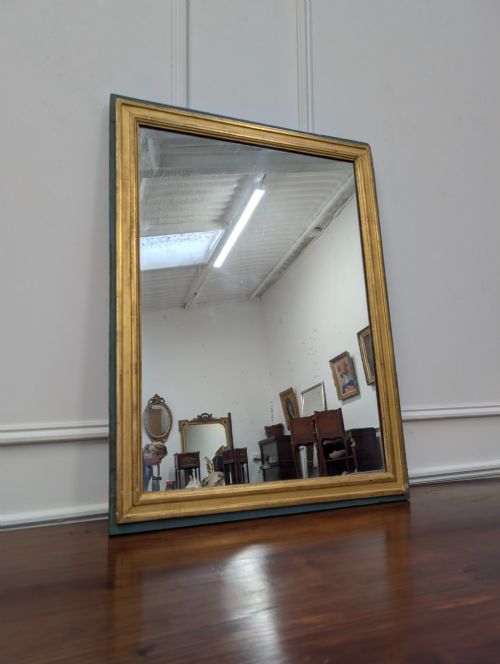
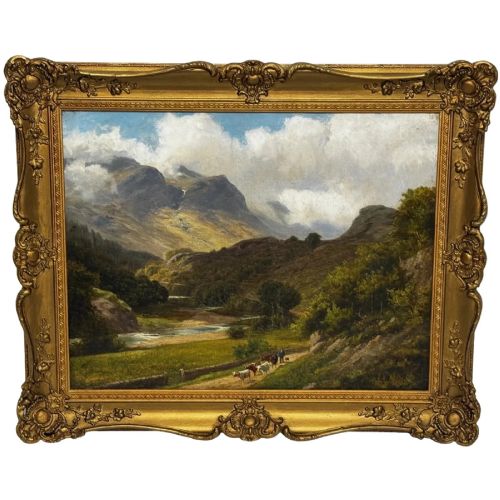
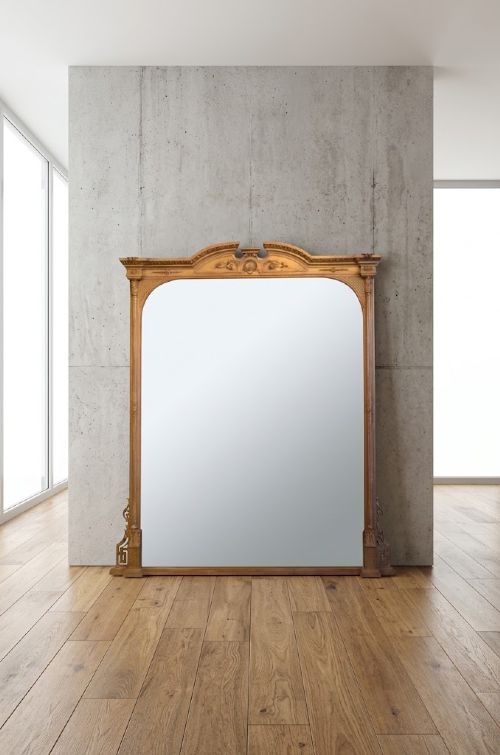
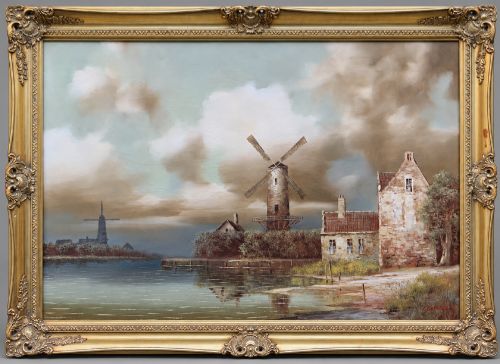
When searching for classic gold frames, buyers encounter a mixture of heavy overmantel mirrors, pier glasses, and oil paintings housed in ornate wooden surrounds. These pieces range from seventeenth-century portraits to Victorian landscape oils and mid-twentieth-century decorative mirrors.
The most common forms on this page include nineteenth-century gilt wall mirrors, Dutch-influenced landscapes, and oil portraits on canvas. Stylistic influences span Baroque, Rococo Revival, and Regency designs, alongside simpler ripple frames and Louis XVI style mouldings.
Periods represented stretch from the seventeenth century through the Victorian era up to the mid-twentieth century. Buyers find both standalone picture frames and wall mirrors constructed to serve as prominent interior focal points.
Materials and construction methods
Makers built these frames primarily from wood, applying layers of gesso to create smooth or moulded surfaces ready for gilding. Canvasses were prepared with oil paint for portraits and landscapes, while mirrors utilised heavy glass plates set within carved wooden structures.
Giltwood and gold leaf finishes dominate the appearance, reflecting traditional techniques where gold leaf or metal leaf was laid over a prepared gesso base. Carved decoration and applied plaster mouldings provided the intricate relief work seen in Baroque and Rococo styles.
Classic Gold Frames Retail Price Guide 2026
Typical asking prices for classic gold frames among the pieces listed under this phrase on Sellingantiques today, from the lower quarter to the upper quarter. They describe what is for sale here now, not the wider market.
Some nineteenth-century landscape oils still carry the faint scent of old linseed oil and decades of country house fires.
Assessing quality in frames and paintings
Quality separates through the depth and crispness of the hand-carved wood or the dexterity of the gesso mouldings beneath the gilding. Heavy, solid timber construction indicates superior craftsmanship compared to lighter, purely decorative modern replicas.
The integrity of the original gilding and the depth of the oil painting or clarity of the mirror glass dictate the overall standard. Pieces retaining their original period frames without excessive later restoration command greater appreciation from collectors.
Sir Peter Lely·Matthieu Elias·Benjamin Barker of Bath·Sir Martin Archer Shee·John Horace Hooper·Stephen Samuel Lewin·Edouard Pingret·Jean Baptiste Van Loo·Alfred Lyndon Grace·Francis Moltino·Thomas Spinks·Albert Rieger·Valdemar Magaard·Robert Watson·T C Hofland
The Classic Gold Frames Glossary
- Gesso
- A plaster mixture applied to wood frames to create a smooth surface for gilding. It is carved or moulded to form decorative relief patterns.
- Giltwood
- Timber that has been coated with gold leaf or gold paint. This material forms the primary structure of many antique decorative frames and mirrors.
- Overmantel mirror
- A large wall glass designed to hang above a fireplace mantel. These mirrors often feature substantial gilded frames typical of the Victorian period.
- Pier glass
- A tall mirror designed to fit on the wall space between windows. They frequently appear in pairs and feature heavy carved frames.
- Ripple frame
- A frame finished with concentric undulating mouldings. This style gained popularity in seventeenth-century Dutch framing traditions.
Classic Gold Frames: Frequently Asked Questions
How do I date a gold frame?
Dating relies on examining the construction of the wooden corners, the composition of the gesso layer, and the underlying tool marks. Different periods favoured distinct profile shapes, such as the flat, wide boards of the seventeenth century or the heavily cast ornament of the Victorian era.
Matching the frame style to the period of the oil painting or mirror glass it holds provides further confirmation. Original combinations show consistent wear and matching ageing patterns across both canvas and surround.
Can these mirrors be hung safely?
Antique overmantel and pier mirrors carry considerable weight due to their solid wood construction and thick glass plates. Hanging requires securing fixings directly into wall studs or using heavy-duty masonry anchors suited to the load.
Checking the stability of the original frame joints before hanging ensures the structure supports the glass safely. Professional framing installation is recommended for larger nineteenth-century pieces.
How should I clean a gilded frame?
Dusting requires a very soft, dry brush or a clean feather duster to remove surface particles without disturbing delicate gesso details. Moisture and commercial cleaning chemicals damage old gold leaf and flaking gesso instantly.
Professional conservators should handle repairs or deep cleaning if the surface shows active flaking or loss. Maintaining a stable indoor humidity level prevents the wooden substrate from expanding and cracking the finish.