




Classic Gilt Mirror
A classic gilt mirror brings reflected light and architectural presence to a room, drawing on centuries of European framing traditions.
Classic Gilt Mirror
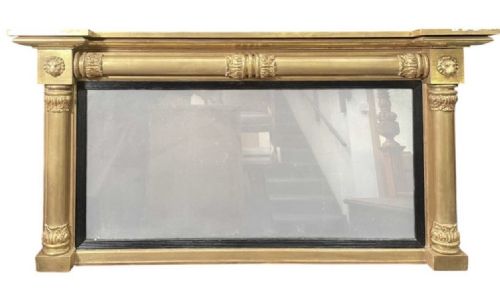
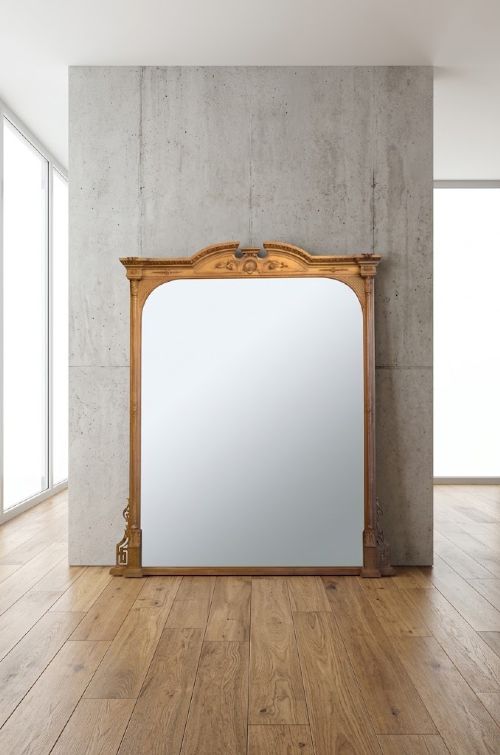
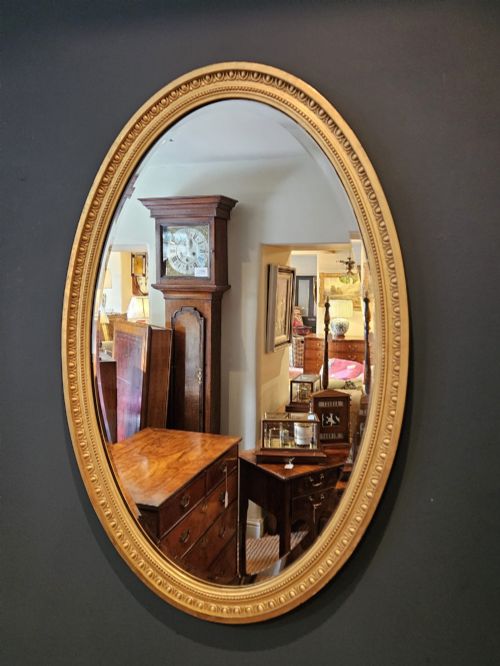
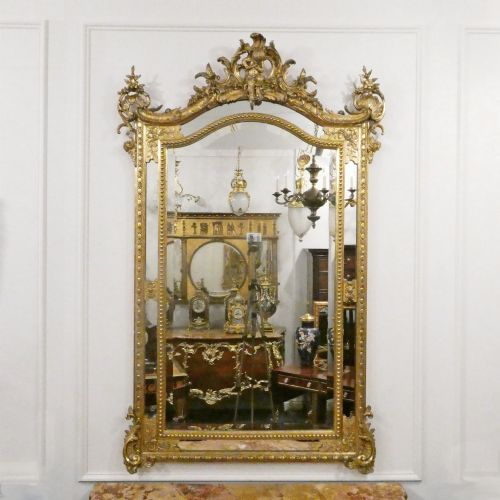
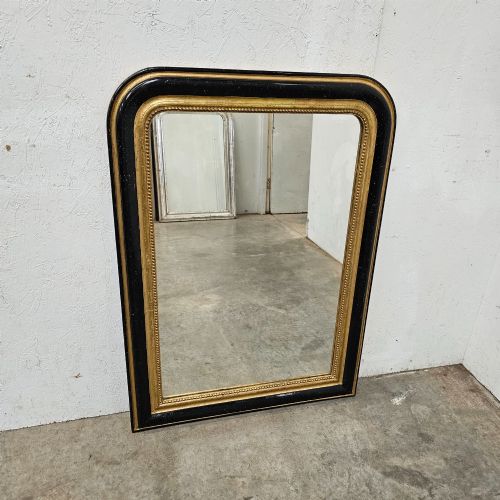
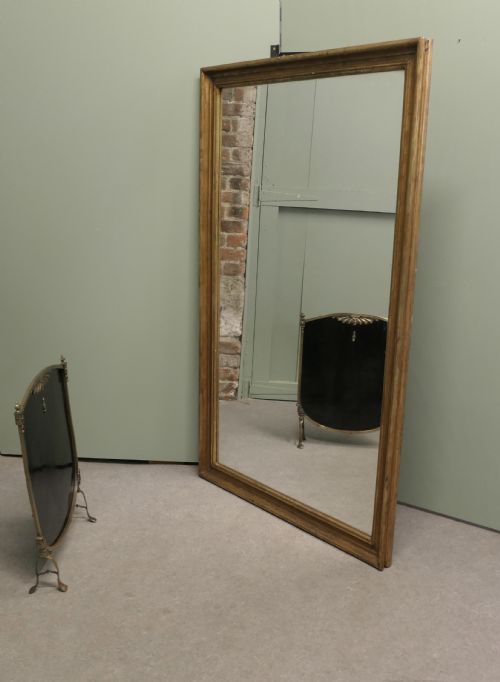
When you search for a classic gilt mirror, you encounter everything from grand architectural overmantels designed for nineteenth-century drawing rooms to delicate oval pier glasses and French wall mirrors.
The pieces listed here span the Georgian, Regency and Victorian eras, alongside later Edwardian and French-influenced interpretations that utilise traditional forms.
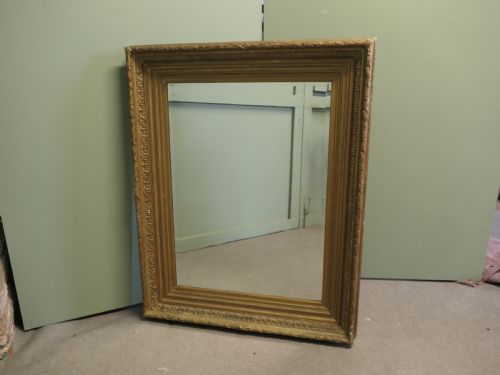
Overmantel mirrors dominate the selection, built wide to sit above a fireplace, though smaller oval and rectangular wall mirrors appear frequently across the inventory.
How they were made
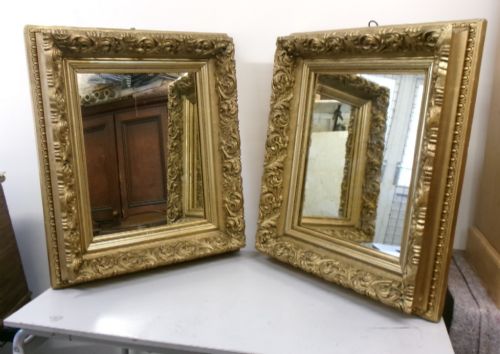
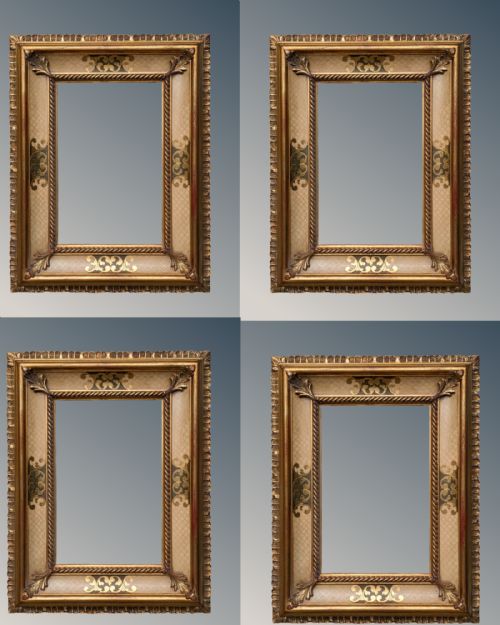
Makers built the foundational frames of these mirrors using timber, applying layers of gesso to carve intricate classical motifs, foliate scrolls and beaded borders.
Guilders then applied thin sheets of gold leaf or composition metal over the prepared surfaces, burnishing the finish to achieve a warm metallic lustre.
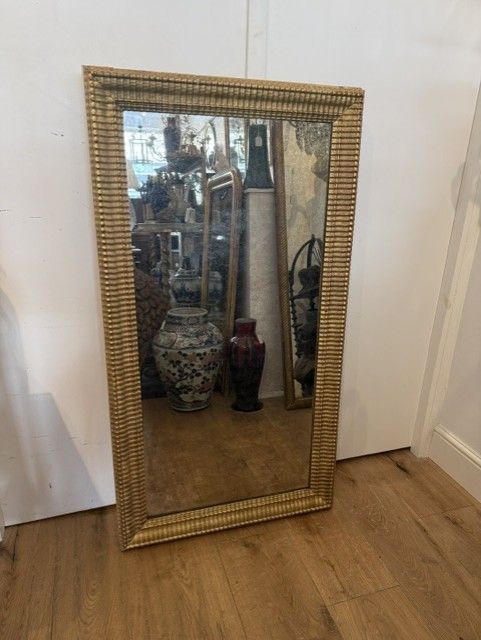
Original mirror plates, often featuring bevelled edges or subtle foxing, were fitted into the rabbet and secured from behind with wooden panel backing.
Materials recorded across the inventory include solid wood, gesso, composition ornaments, mirror glass, and genuine gold leaf.
What varies in quality
The depth and clarity of the hand-carved gesso ornamentation distinguish exceptional examples from simpler moulded compositions.
The integrity of the original gilding determines much of the character, where gentle patination and worn high points reveal the underlying red bole beneath the gold leaf.
Structural joinery in the timber frame ensures that large overmantel mirrors support their heavy glass plates securely without twisting over time.
The Classic Gilt Mirror Glossary
- Gesso
- A plaster-like mixture applied to wooden frames to create a smooth surface for carving and gilding. Artisans built up thick layers so they could carve crisp neoclassical details.
- Overmantel mirror
- A wide mirror specifically designed to hang on the wall directly above a fireplace mantelpiece. These pieces often feature landscape proportions to balance the hearth below.
- Pier glass
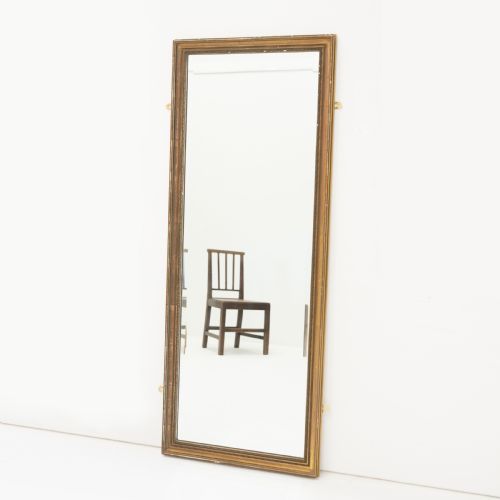
- A tall, narrow mirror traditionally hung on the pier of wall space between two windows. They reflect additional natural light into darker rooms.
- Giltwood
- Timber that has been gilded with gold leaf rather than coated in modern metallic paint. This material ages with a soft, warm glow.
- Composition
- A moulded mixture of whiting, resin, oil and glue pressed into decorative ornaments. It offered a quicker alternative to hand-carving intricate frame details.
Classic Gilt Mirror: Frequently Asked Questions
Where should I hang an overmantel mirror?
These large mirrors traditionally anchor the space directly above a fireplace mantel, reflecting the room and drawing the eye upward.
Ensure the wall fixings are secured firmly into studs or masonry to support the considerable weight of the timber and glass.
How do I identify a Victorian gilt mirror?
Victorian pieces often display heavier plaster or gesso ornamentation, frequently adopting neoclassical revival motifs or grand architectural proportions.
Examining the construction of the wooden backboards and the composition of the gilding helps confirm the nineteenth-century origin.
Are the mirror plates original?
Many older pieces retain their original glass plates, which frequently exhibit minor foxing spots and subtle distortions that indicate age.
Replacement plates appear in some listings where the original glass deteriorated beyond preservation over the decades.
How do I clean a antique gilt frame?
Dust the carved gesso and gold leaf gently with a dry, soft-bristled brush to remove surface particles without disturbing the delicate finish.
Avoid using water, chemical sprays or abrasive cloths, as moisture strips historical gilding from the wooden substrate.