


Classic Georgian Table
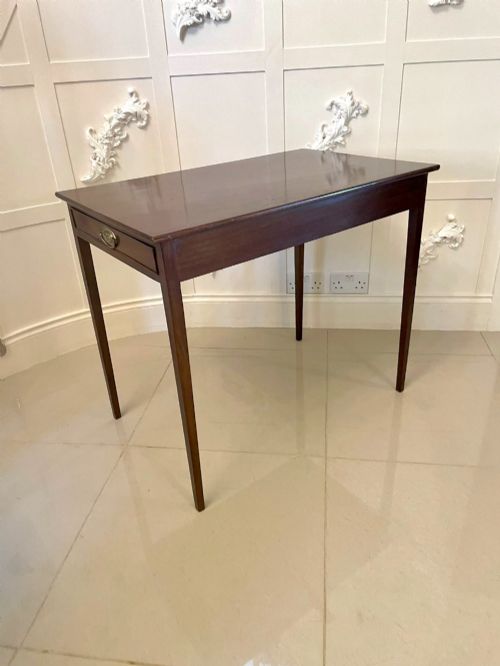
A classic georgian table brings architectural proportion and dense mahogany into a room with quiet authority.
Classic Georgian Table
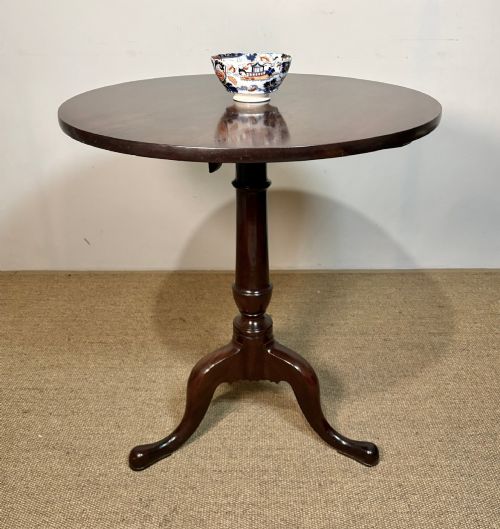
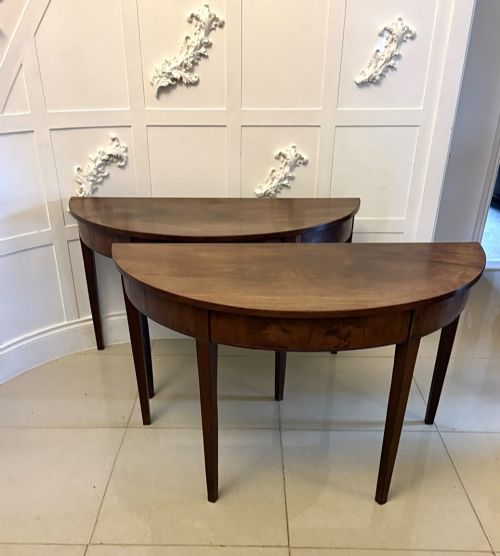
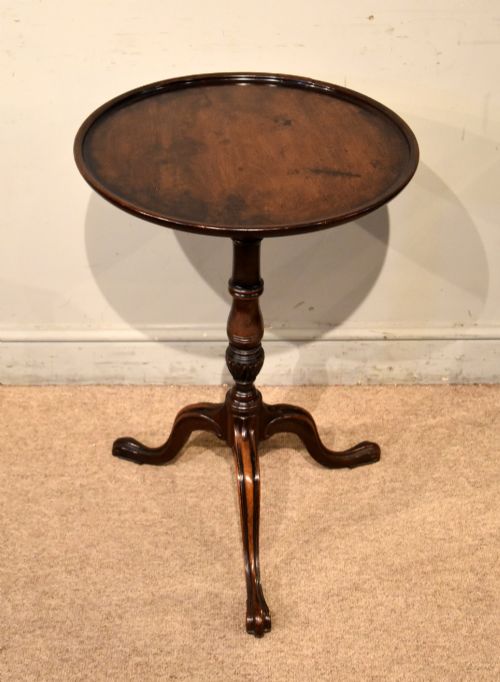
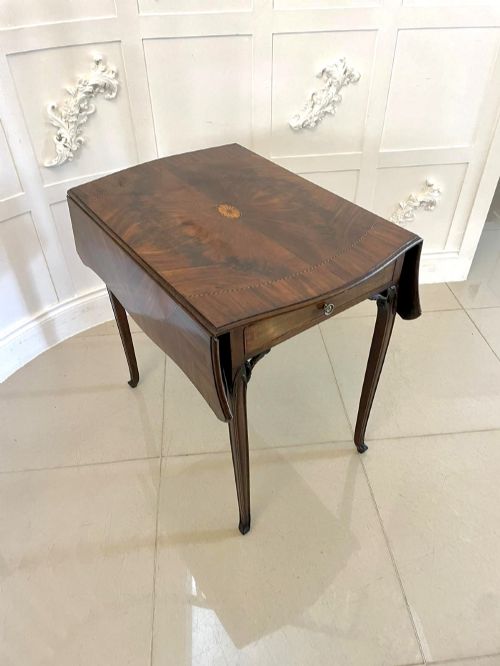
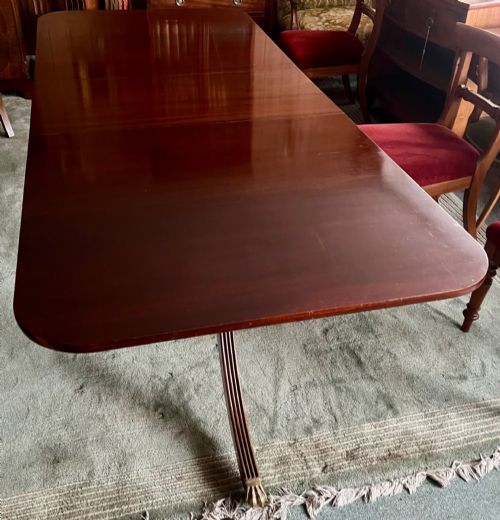
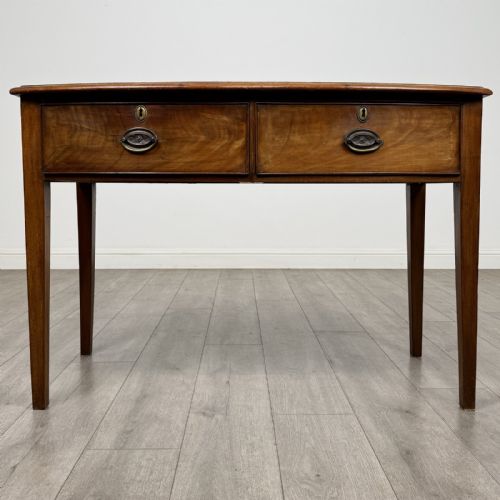
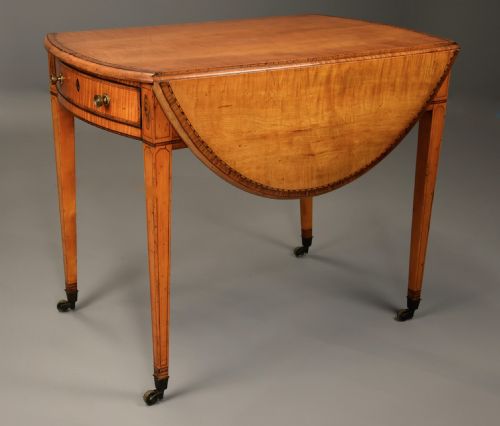
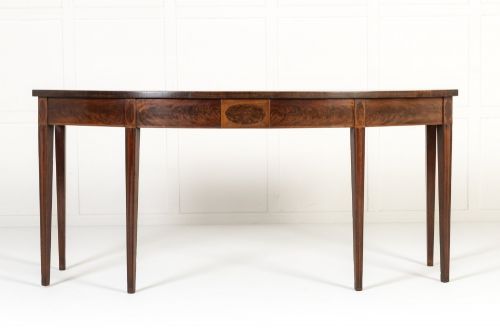
When searching for a classic georgian table, a buyer encounters dining tables, side tables, occasional pieces and writing desks originating primarily from the eighteenth century alongside later revival periods. The listings here frequently feature mahogany dining tables with pillar supports, Pembroke tables with drop leaves, and compact tripod occasional tables designed for flexibility.
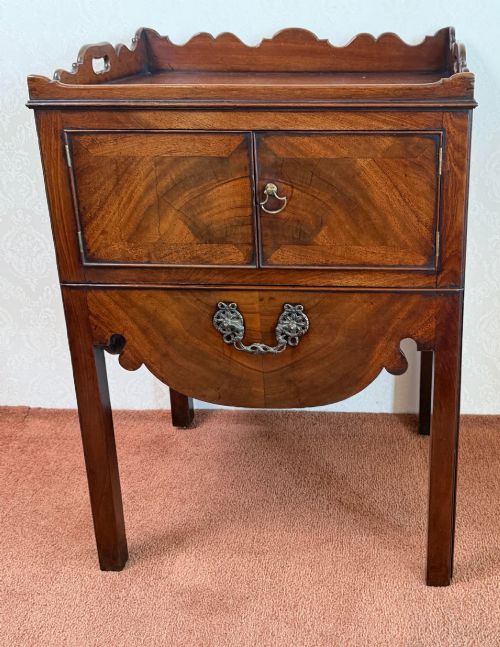
Forms span large extension dining tables suitable for multiple leaves down to small bedside cabinets and tray top stands. These pieces reflect the functional domestic requirements of their era, balancing utility with refined cabinetmaking.
While original eighteenth-century pieces appear, many examples stem from nineteenth-century and early twentieth-century revivals that faithfully replicate earlier proportions and timber selections. Buyers navigating this selection find both authentic period dining furniture and later interpretations sharing the same design vocabulary.
How they were made
Makers constructed these tables predominantly from solid and veneered mahogany, often selecting figured timbers such as flame mahogany or fiddleback sycamore to create decorative surfaces on tabletops. Cabinetmakers integrated secondary woods like boxwood for stringing and inlay, while brass featured extensively in mounts, handles, castor sockets and candlesticks.
Joinery techniques relied on precise mortise and tenon joints, dovetailed drawer construction, and stable pillar and tripod supports that allowed heavy timber tops to remain secure. Turning, tapered leg shaping and delicate edge moulding defined the structural silhouette without relying on excessive applied ornament.
Classic Georgian Table Retail Price Guide 2026
Typical asking prices for classic georgian table among the pieces listed under this phrase on Sellingantiques today, from the lower quarter to the upper quarter. They describe what is for sale here now, not the wider market.
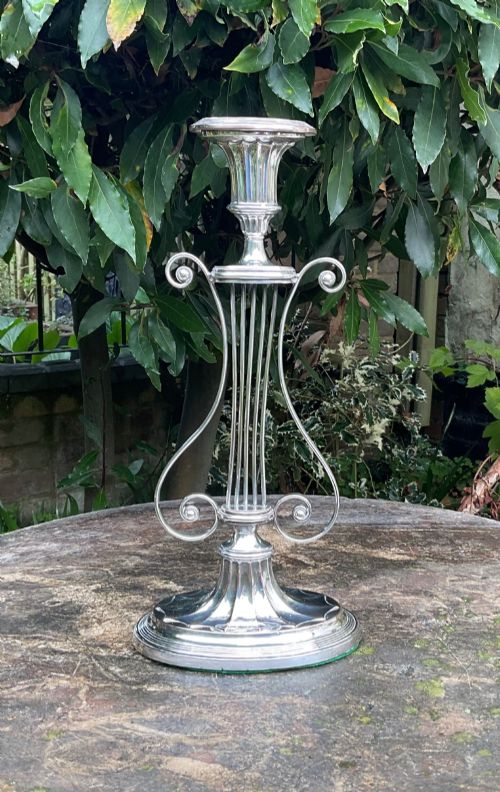
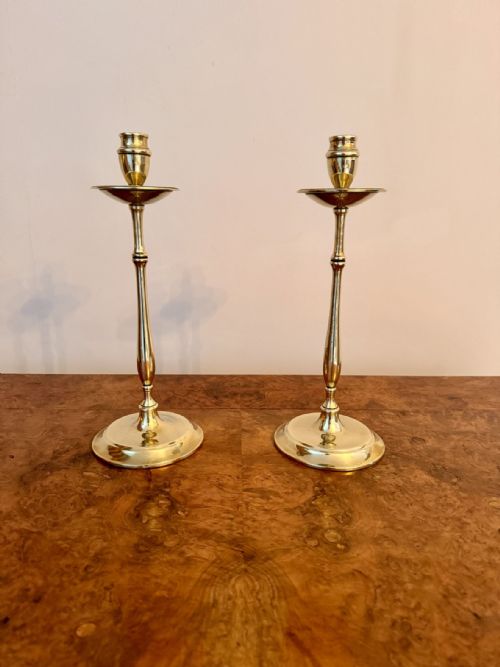
Several brass candlesticks accompany the tables, standing ready to illuminate a dark mahogany surface after dusk.
What varies in quality
Quality in these pieces rests upon the depth of the timber's grain and the integrity of its surface patination, where older finishing methods yield a warm, soft sheen rather than a flat gloss. Superior examples display thoughtful timber selection matched symmetrically across table leaves and drawer fronts.
Structural refinement dictates the finer tier, seen in crisp edge carving, well-proportioned pillar supports, and original brass fittings that sit flush with the surrounding wood. Lesser examples may exhibit heavy-handed restoration, mismatched timber grains, or replacement hardware that disrupts the original harmony of the piece.
Garrards
The Classic Georgian Table Glossary
- Pembroke table
- A small occasional table featuring two hinged drop leaves on opposing sides and frequently a single drawer. This form emerged in the eighteenth century for breakfast or writing use.
- Tripod table
- A small freestanding table supported by a central column resting on three shaped legs. These pieces offered easy mobility around a drawing room.
- Pillar and claw
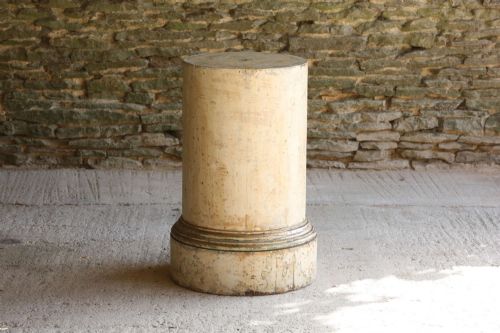
- A pedestal table base consisting of a central column supported by three or four arched legs, often terminating in brass castors or claw feet. It provides stability for large dining tables.
- Stringing
- Thin inlaid lines of contrasting timber, such as boxwood, used to outline drawer fronts and tabletop edges. It provides subtle geometric definition to plain mahogany surfaces.
- Patina
- The deep, lustrous surface appearance acquired by timber over decades of use and polishing. It serves as a visual indicator of age and careful maintenance.
Classic Georgian Table: Frequently Asked Questions
What is a pembroke table used for?
A Pembroke table served originally as a light breakfast or writing table, easily moved around a room because of its compact footprint and drop leaves.
Today, these versatile pieces function effectively as bedside stands, lamp tables or small writing surfaces in restricted spaces.
How do I identify a georgian dining table?
Georgian dining tables typically feature solid mahogany or flame mahogany veneers, supported by single or multiple pedestals with tripod legs or elegant tapered table legs.
Look for honest construction details such as hand-cut dovetails in the framing and timber that displays natural grain variation rather than uniform modern staining.
Are pillar tables stable for dining?
Pillar tables, particularly twin-pillar or multi-pillar formats, distribute weight across sturdy central columns and splayed legs designed to bear heavy loads without tipping.
When fitted with original brass castors and solid wooden platforms, these tables remain remarkably steady even when fully extended with additional leaves.
What is flame mahogany timber?
Flame mahogany is a highly decorative veneer cut from wood taken near the branch junctions of the tree, producing a distinctive flickering flame pattern.
Cabinetmakers reserved this prized timber for prominent surfaces like tabletops and drawer fronts to catch the light and add visual depth.