






Classic Georgian Pedestal
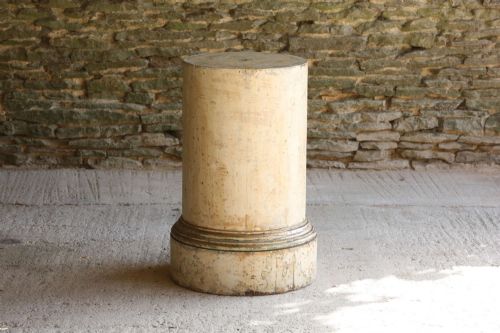
These classic georgian pedestal pieces are sturdy timber supports and tables built to anchor a room, offering both practical surface space and traditional presence.
Classic Georgian Pedestal
When you search for a classic georgian pedestal, you encounter sturdy timber furniture forms designed to hold weight at a single central point or upon multiple timber columns. The pieces on this page span several centuries, reaching from the eighteenth century through nineteenth century revivals and into early twentieth century interpretations.
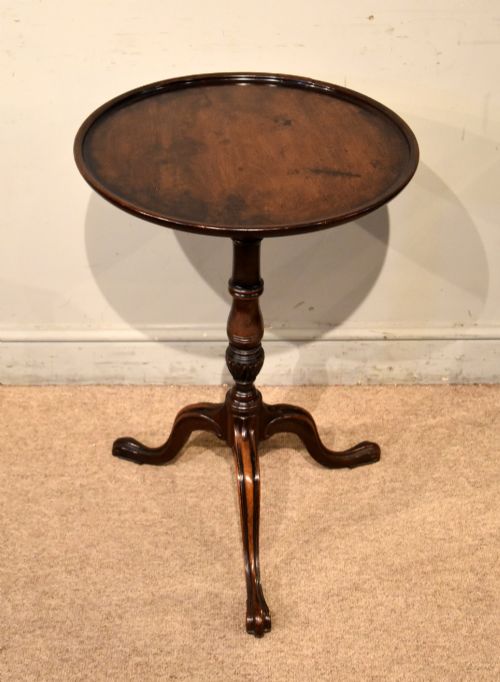
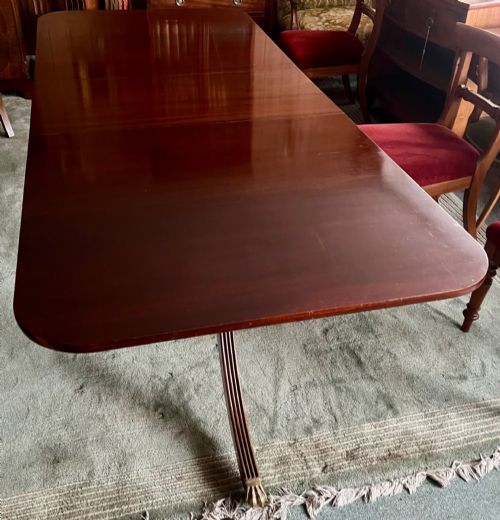
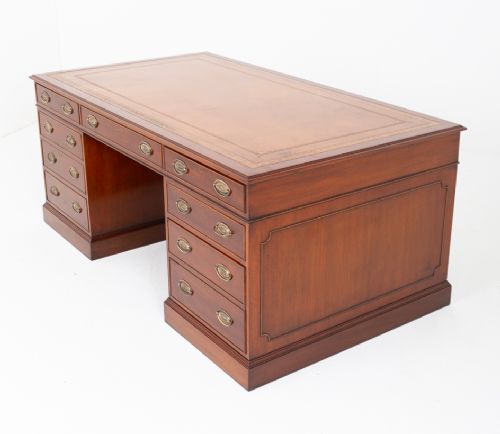
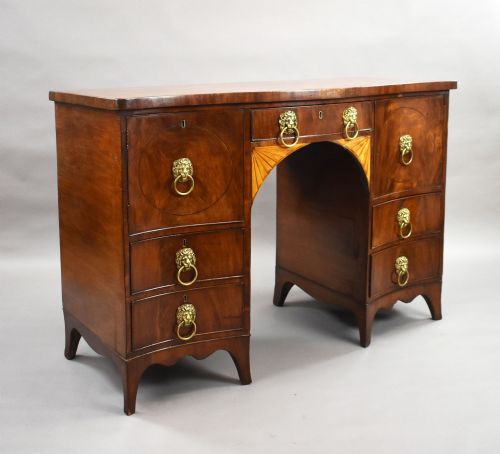
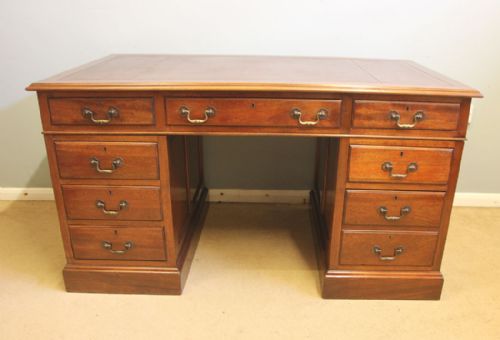
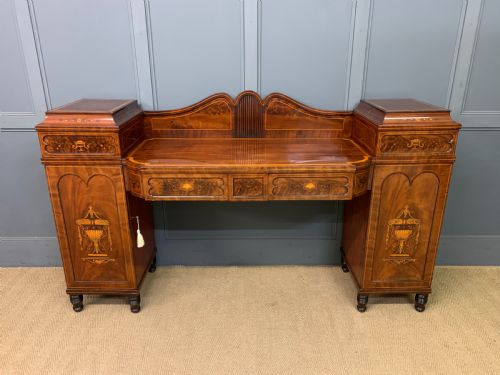
The objects appearing under this search include large dining tables, partner desks, and smaller occasional tables or bedside cabinets. Mahogany dominates the selection, frequently paired with brass, satinwood, and boxwood details.
You will notice both genuine period examples from the Georgian and Regency eras alongside later revivals from the Edwardian and Victorian periods. Each form serves a distinct domestic purpose, whether it is dining, writing, or displaying objects in a reception room.
Distinctions in quality
The standard of a classic georgian pedestal depends heavily on the choice of timber and the precision of its figure. Highly figured mahogany displays a rich grain pattern that catches the light differently than plain boards do.
Construction details also separate standard examples from finer ones, particularly in the crispness of brass inlay, the snugness of drawer joints, and the stability of the central pillar supports. Pieces that retain their original brass castors and unblemished timber surfaces hold greater visual harmony.
Classic Georgian Pedestal Retail Price Guide 2026
Typical asking prices for classic georgian pedestal among the pieces listed under this phrase on Sellingantiques today, from the lower quarter to the upper quarter. They describe what is for sale here now, not the wider market.
Materials appearing across these items include solid mahogany, figured veneers, brass hardware, boxwood, satinwood, and leather.
Robert Pringle And Sons
The Classic Georgian Pedestal Glossary
- Pedestal
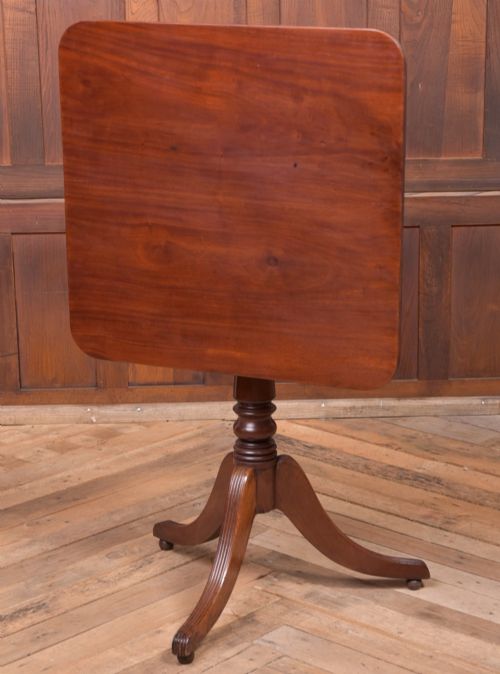
- A structural support or column that holds up a table top, desk, or cabinet from a central point. It often terminates in branching feet.
- Figured mahogany
- Timber cut in a specific direction to reveal natural patterns, ripples, and swirls in the wood grain. This material was favoured for high-status furniture fronts and tops.
- Inlay
- A technique where contrasting materials such as boxwood or brass are embedded into recesses within the primary wood surface. It creates decorative borders and geometric patterns.
- Snap top
- A tabletop mechanism that tilts vertically when not in use, allowing the table to be stored flat against a wall. It relies on a wooden catch and pivot block.
Classic Georgian Pedestal: Frequently Asked Questions
How do I identify a true period piece?
Examine the timber shrinkage, the method of drawer construction, and the type of secondary woods used inside the carcass. Period pieces often show hand-cut joinery marks and natural wear consistent with their age.
Compare the overall proportions and decorative vocabulary against known examples from the eighteenth and nineteenth centuries. Revivals from later periods often utilise machine-cut elements and different internal construction.
Can I use these tables for daily dining?
Many of these large pedestal tables were built precisely for hosting meals and remain robust enough for daily use. Their solid mahogany construction provides durability for family dining.
Protect the polished surfaces from moisture and heat by using mats and coasters. Regular waxing helps maintain the moisture balance of the timber.
Where should I place a pedestal desk?
Partners desks and kneehole desks work best freestanding in the middle of a room or placed against a wall with adequate surrounding space. Their finished backs allow them to be viewed from all angles.
Ensure the room has balanced lighting to highlight the grain of the mahogany and any brass or satinwood inlay details. Keep them away from direct sunlight to prevent uneven fading of the wood.
What is the difference between Georgian and Regency styles?
Georgian furniture typically emphasises classical proportions, carved mahogany details, and balanced symmetry inspired by Palladian architecture. Cabinetry from this era feels substantial and restrained.
Regency pieces often incorporate bolder classical revivals influenced by ancient Roman, Greek, and Egyptian forms. You will notice more extensive use of brass inlay, gilt mounts, and darker woods during the Regency period.