



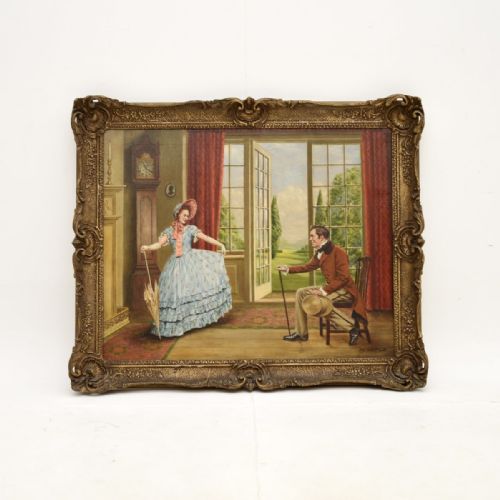
Classic Framed Canvas Art
Classic framed canvas art brings centuries of portraiture and landscape into a room through oil paint and wood.
Classic Framed Canvas Art
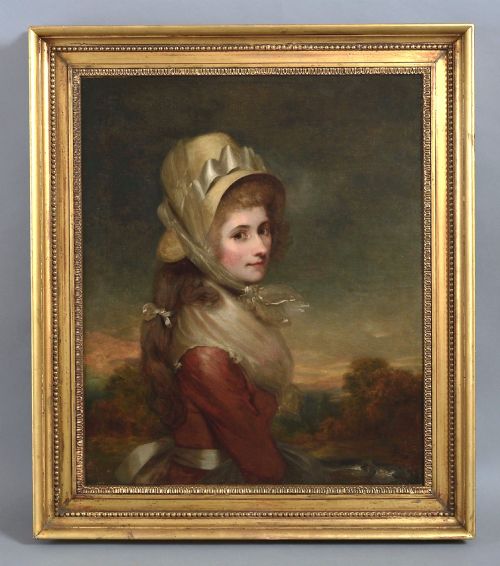
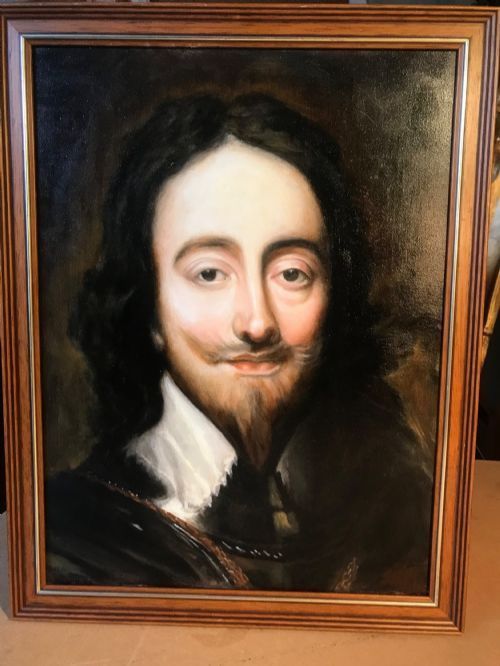
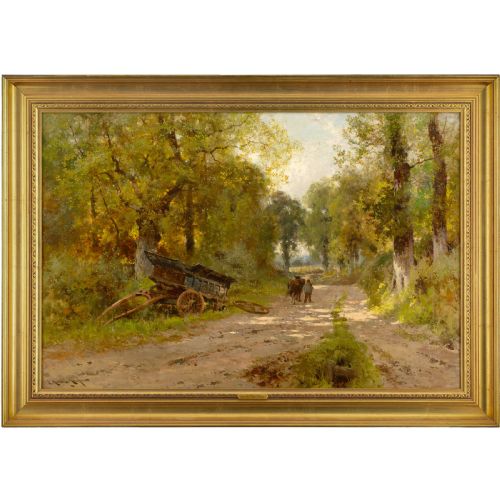
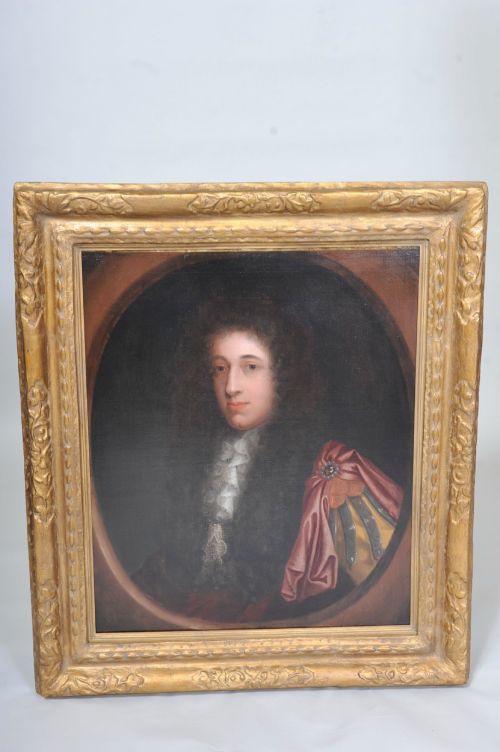
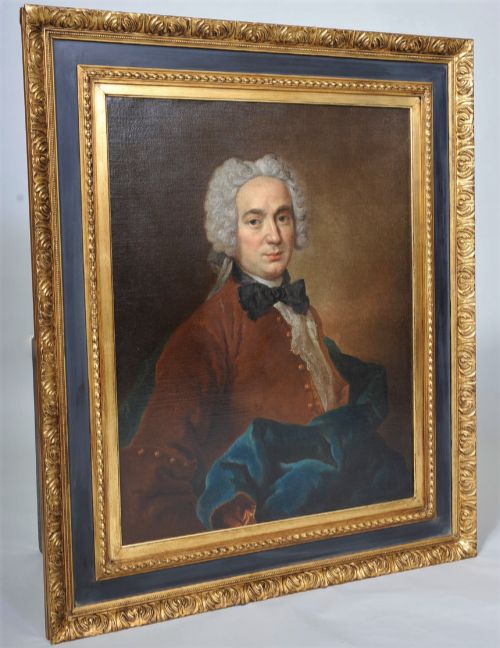
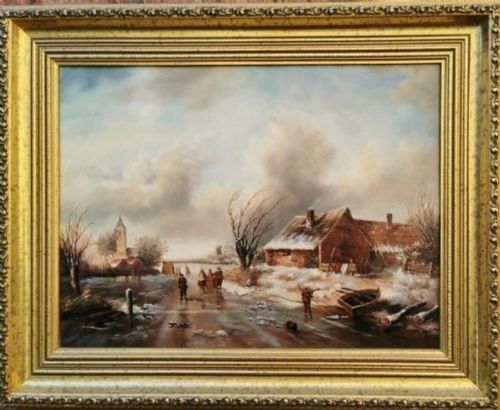
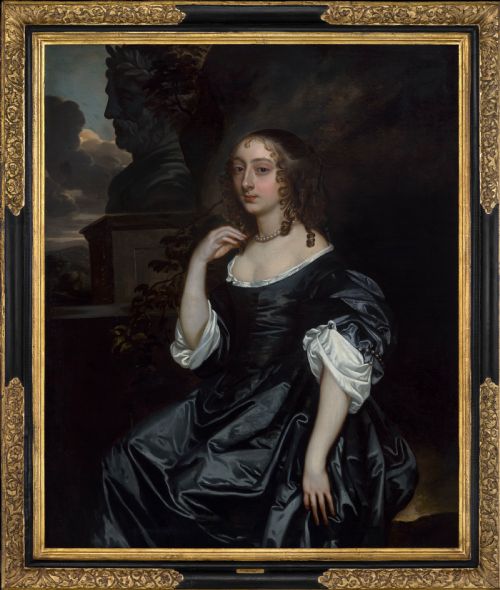
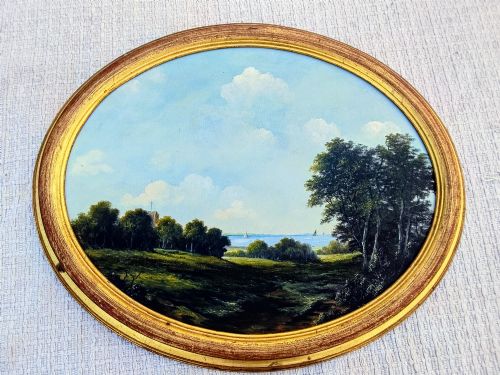
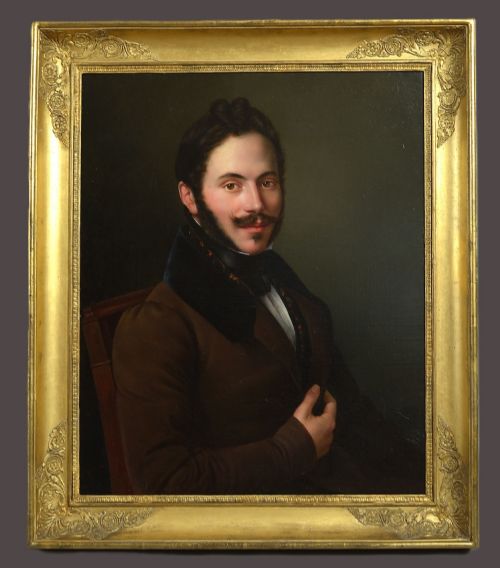
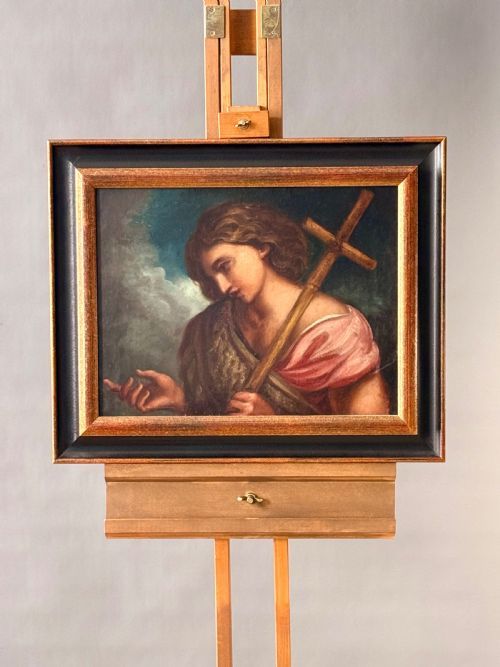
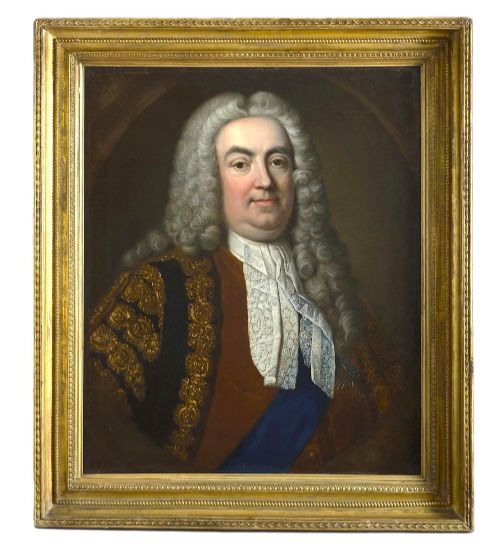
When you search for classic framed canvas art, you encounter centuries of oil painting traditions spanning from the seventeenth century through to the early twentieth century. These works capture everything from stately portraiture and Dutch landscapes to rural scenes and still lifes rendered on woven supports.
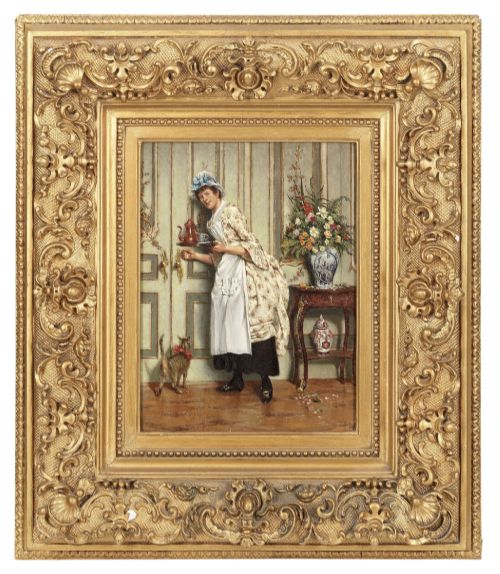
The most common examples on this page are nineteenth-century oils and earlier portrait studies, often housed in period wooden surrounds. These pieces reflect the enduring appeal of traditional canvas painting across various European schools.
Subjects range from grand historical figures and country house interiors to quiet river views and botanical studies. Each piece offers a tangible link to the painting techniques of past centuries.
Materials and Construction
The foundation of these works is woven canvas stretched over a wooden frame, providing a stable surface for layers of oil paint. Artists built up their compositions using oil mediums that allowed for subtle blending and rich colour depth over time.
Surrounding these canvases are period frames constructed from wood, frequently finished with gilt or giltwood details. These frames were designed to complement the artwork while protecting the outer edges of the canvas from damage.
Several historic portraits capture subjects holding everyday items like pipes or parasols, offering a surprisingly informal glimpse into past centuries.
Judging Quality and Execution
Quality in these pieces rests upon the surety of the brushwork and the anatomical or spatial accuracy of the composition. Masterful handling of light and shadow, particularly in portraiture and landscape, separates accomplished studio output from more utilitarian works.
The harmony between the painting and its frame also matters greatly, as original or period-matching giltwood surrounds enhance the integrity of the piece. Superior works maintain the stability of both the canvas support and the layered oil pigments without heavy modern intervention.
Sir Martin Archer Shee·Anthony Van Dyck·Sir Godfrey Kneller·Sir Peter Lely·Edouard Pingret
The Classic Framed Canvas Art Glossary
- Canvas
- A heavy woven fabric, typically linen or hemp, used as a surface for painting. It provides the tensile strength needed for large-scale oil works.
- Giltwood
- Wood that has been coated with a thin layer of gold leaf or gilt. This finish was standard for framing significant paintings from the seventeenth century onward.
- Oil Paint
- Pigment mixed with a drying oil, most commonly linseed oil. This medium allows for slow drying times, deep glazing, and rich textural variation.
- School
- A group of artists sharing a common style, region, or period, such as the Dutch School or the Emilian School. Attributions to a school often denote regional influence rather than a named master.
Classic Framed Canvas Art: Frequently Asked Questions
How do I care for antique canvas art?
Keep paintings away from direct sunlight and fluctuating humidity levels to protect the canvas and oil pigments. Dust the surface very gently with a soft, dry brush and avoid using any liquid cleaners.
Ensure the hanging environment remains stable to prevent the wooden stretcher frames from warping. Professional conservation should be sought if the canvas slackens or requires cleaning.
Are these paintings on original canvas?
Many works retain their original woven canvas supports, though some older pieces may have undergone relining during their history. Relining is a standard conservation method where a new canvas is attached behind the original to provide structural support.
Examining the reverse of the stretcher frame often reveals clues about the age of the canvas and any past restoration work. Dealers can typically provide details on the condition of the support.
How can I tell the period of a frame?
Period frames often display construction methods appropriate to their era, such as hand-carved wooden mouldings and traditional mitre joints. Gilt finishes applied over gesso layers show distinct ageing patterns and wear consistent with centuries of handling.
Matching a frame to the exact date of a painting requires looking at stylistic cues like moulding profiles and corner ornamentation. Many antique works have been reframed over time to suit prevailing tastes.
What is an oil painting study?
An oil study is a preparatory painting created by an artist to work out composition, lighting, or colour relationships before executing a larger finished canvas. These pieces often possess a loose, energetic application of paint compared to formal portraits.
Collectors frequently prize studies for their immediacy and direct insight into the artist's creative process. They represent spontaneous moments captured directly on the canvas.