


Classic Figurative Oil Painting
A classic figurative oil painting captures human stories and character on canvas through the enduring depth of traditional pigments.
Classic Figurative Oil Painting
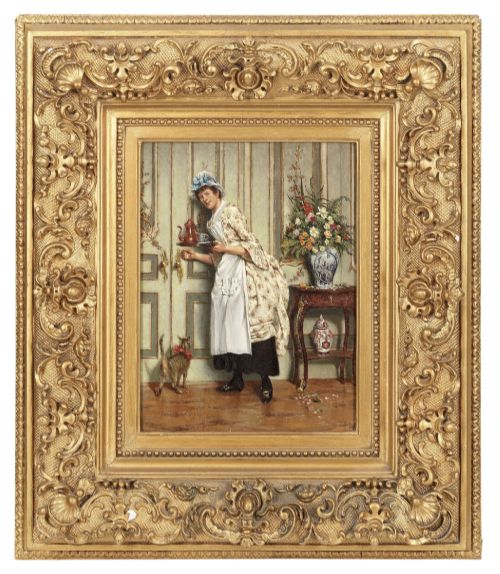
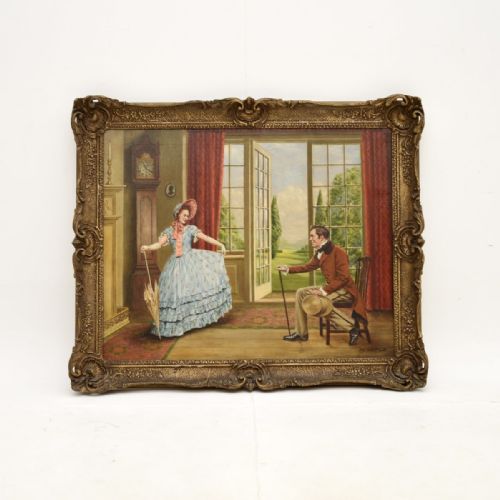
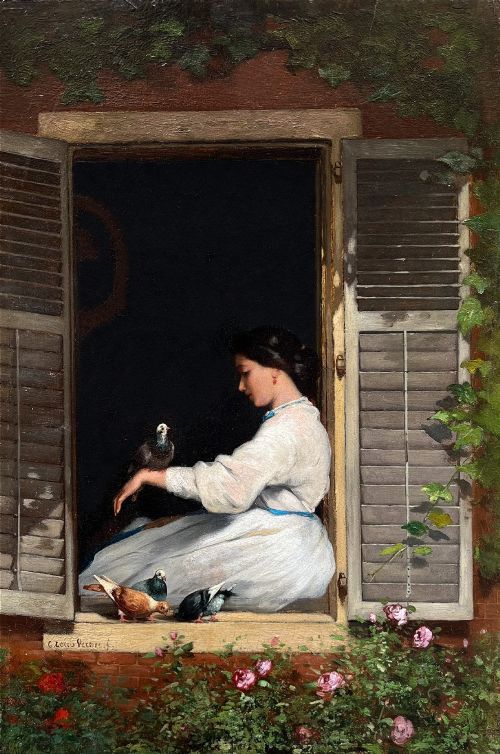
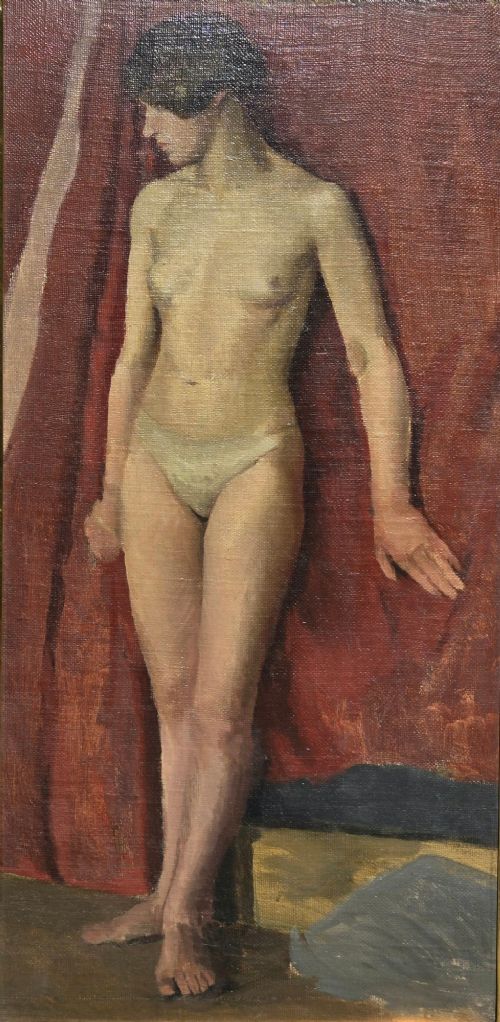
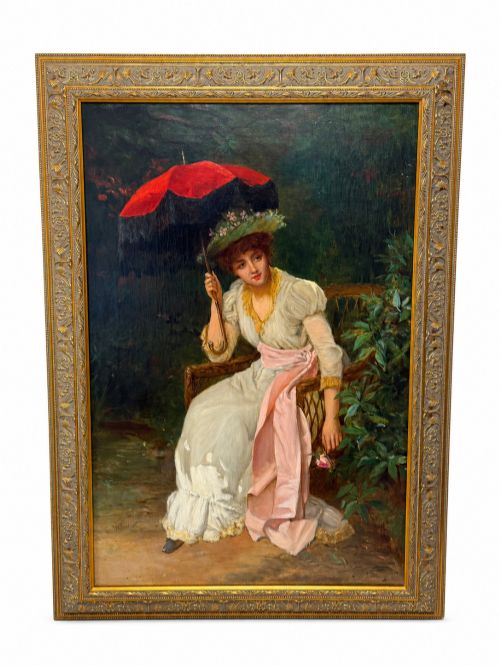
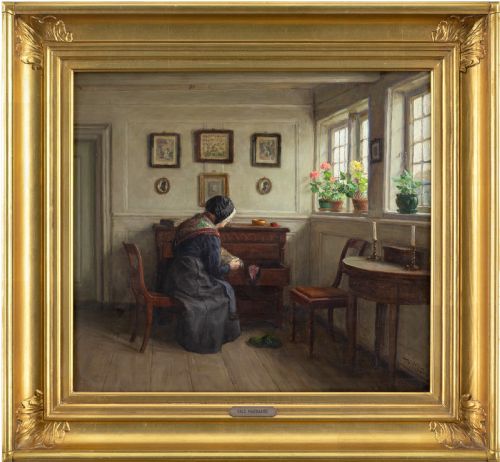
A classic figurative oil painting focuses primarily on human subjects, ranging from intimate domestic portraits to expansive social scenes. These works appear frequently across the nineteenth and early twentieth centuries, capturing people in moments of quiet reflection or active narrative. Buyers encounter styles spanning nineteenth century realism, Victorian genre painting, and early modernist interpretations.
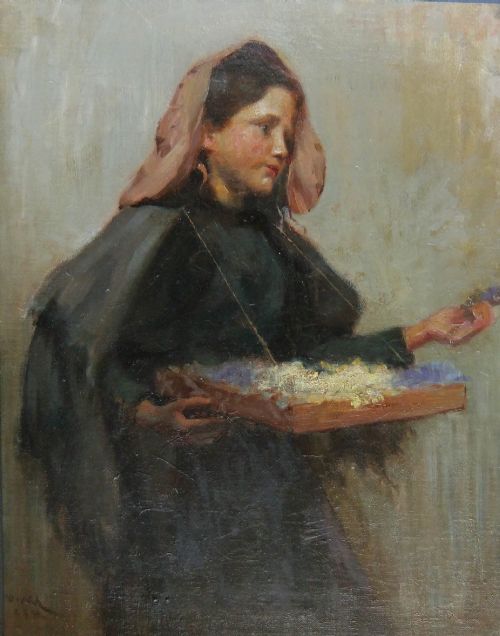
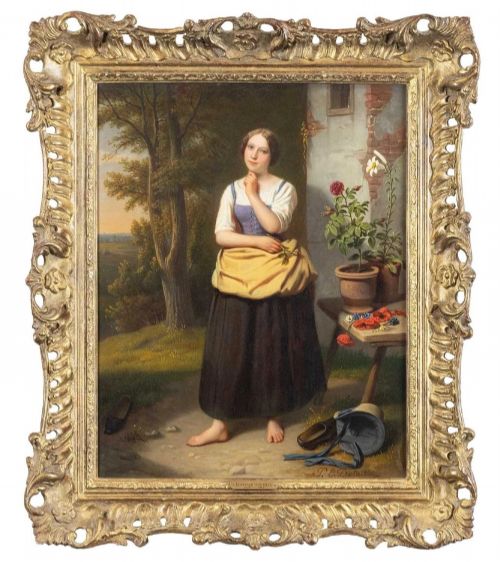
The subjects depicted stretch from formal portraiture of ladies and children to rustic scenes involving peasants, flower girls, and courtly romances. Many compositions include animals, interiors, or pastoral landscapes that help ground the human figures within a specific setting. Such pieces offer a direct window into historical dress, social customs, and artistic approaches of their respective eras.
Originating across Britain, France, Denmark, Italy, and the Netherlands, these paintings reflect diverse regional traditions of brushwork and light. Dutch golden age influences sit alongside French romantic and Edwardian impressionist treatments within the available selection. Each regional school brings distinct priorities to surface texture, garment detail, and atmospheric depth.
Materials and construction
These works rely on oil paint applied to stretched canvas, utilising the slow drying time of oil to build rich layers of tone and colour. Artists manipulated pigment to render the soft sheen of silk dresses, the texture of stone walls, and the subtle warmth of skin. Canvasses are typically supported by wooden stretchers that hold the fabric taut over time.
Frames form an integral part of the physical object, often constructed from carved wood decorated with gesso and finished in giltwood or gilding. These decorative surrounds protect the edges of the canvas and complement the visual weight of the painted scene. The combination of oil on canvas within a substantial wooden frame defines the physical presence of the medium.
The listings span from the eighteenth century through the 1930s, utilising oil paint on canvas.
Evaluating quality and execution
Quality rests principally on the artist's ability to render human anatomy, facial expression, and textile textures with conviction and nuance. Finer works display confident, deliberate brushstrokes that define hands, drapery, and background architecture without stiffness or hesitation. The handling of light across the subject reveals the painter's fundamental skill in creating three-dimensional form on a flat surface.
The preservation of the original pigment layer and the integrity of the canvas support heavily influence the standing of any given work. Balanced composition and the expressive engagement of the figures separate standard decorative pieces from truly compelling examples. Original framing that suits the period and scale of the painting adds further cohesion to the piece.
Stephen Samuel Lewin·Alfred Lyndon Grace·Louis Charles Verwee·Winifred Rymer·William Oliver·Valdemar Magaard·William Watt Milne·William Arthur Breakspeare·Attilio Toro·Hendricus Joseph Dillens·Sydney Kendrick·Richard Waitt·Arthur Heinrich Wilhelm Fitger·John Singer Sargent
The Classic Figurative Oil Painting Glossary
- Genre painting
- Depiction of aspects of everyday life by depicting ordinary people caught in common activities. These scenes offer valuable insight into historical domestic routines and social interactions.
- Giltwood
- Wood that has been treated with a thin layer of gold leaf or powder. It frequently appears on traditional picture frames surrounding nineteenth century canvases.
- Gesso
- A paint mixture consisting of a neutral binder mixed with chalk, gypsum, or pigment. It serves as a smooth preparation base for wooden picture frames before gilding.
- Realism
- An artistic movement focused on representing familiar things as they are. Practitioners of this style avoid artificial embellishment in favour of truthful observation.
- Canvas
- Closely woven fabric used as a surface for painting. It provides the flexible yet durable foundation essential for traditional oil techniques.
Classic Figurative Oil Painting: Frequently Asked Questions
What is a figurative oil painting?
A figurative oil painting is a work of art that represents human subjects using oil-based pigments on canvas. These pieces portray people individually or in groups within specific historical contexts and settings.
The genre encompasses formal portraits, domestic interiors, and narrative scenes depicting daily life. Each painting relies on the slow-drying nature of oil to achieve subtle gradations of tone and expression.
How should I care for an oil painting?
Oil paintings require stable indoor environments away from direct sunlight and sudden temperature shifts. Keeping the canvas out of humid areas prevents the wooden stretcher and support from warping.
Dusting should be done gently with a soft, dry brush without applying pressure to the canvas surface. Professional conservators should handle any deeper cleaning or structural repairs to the paint layer.
How do I identify the period of a painting?
Dating often relies on the clothing styles, hairstyles, and interior furnishings depicted within the composition. Examining the canvas weave, stretcher construction, and framing techniques provides additional physical clues.
Signatures, dates inscribed on the reverse, and recorded biographical spans of the artist help narrow down the creation window. Comparing the brushwork style to known regional movements also assists with chronological placement.
Where were these paintings displayed?
Historically, these works hung in the reception rooms, parlours, and galleries of substantial country houses and urban residences. They served as both personal portraits of family members and decorative statements of taste.
Today, they suit similar domestic settings, bringing traditional warmth and character to living rooms, studies, and hallways. Their narrative qualities make them natural focal points within a room's interior scheme.