


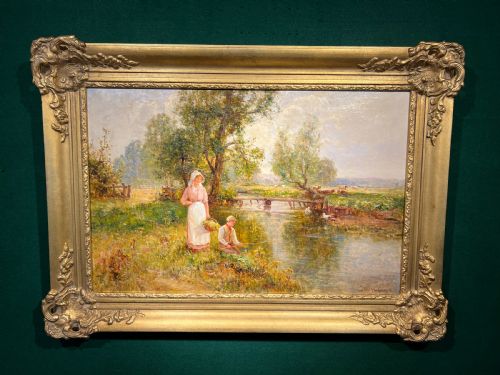

Classic English Landscape Art
Classic English landscape art captures the rolling countryside, river valleys and pastoral scenes of Britain through oils and watercolours.
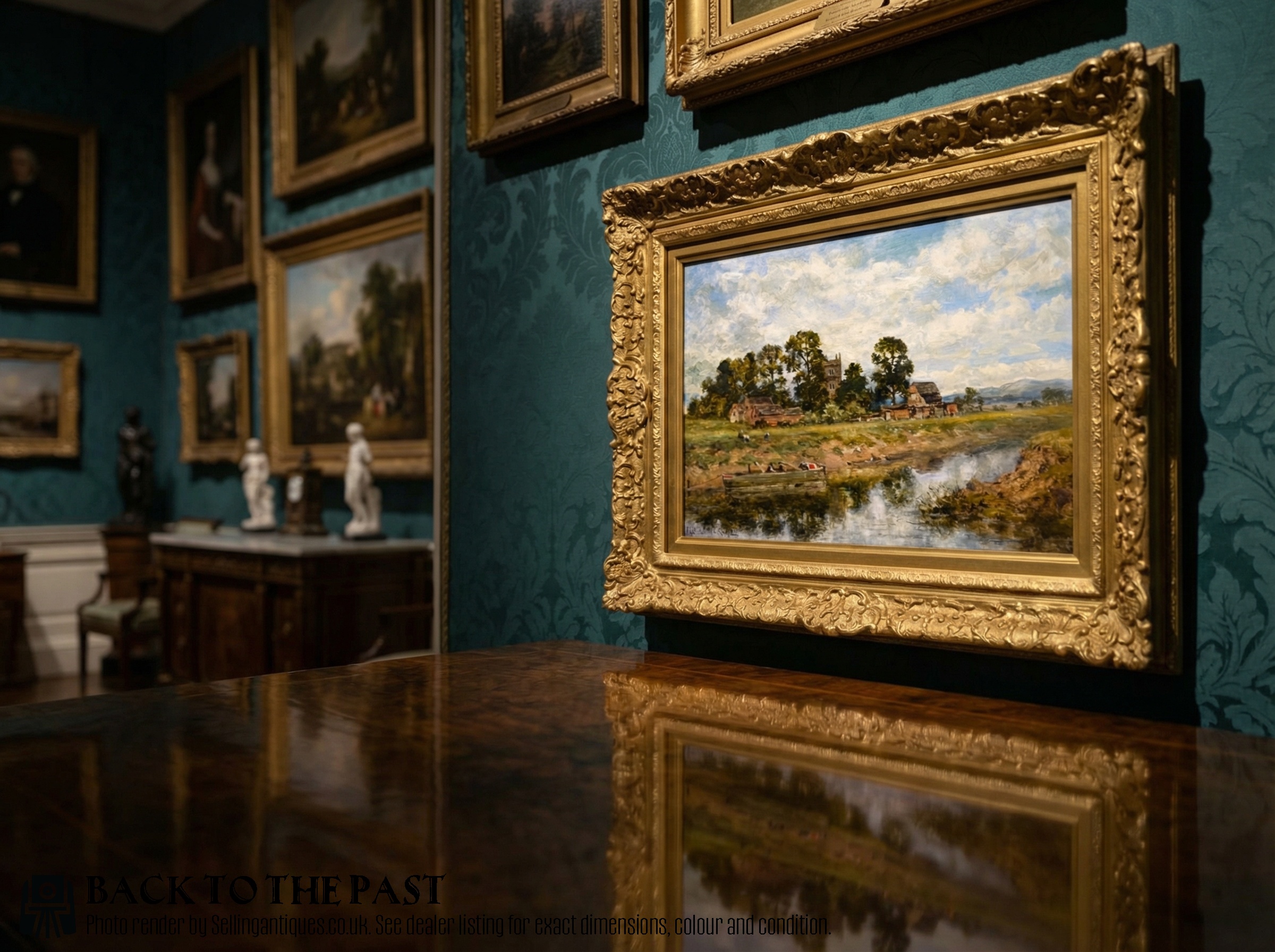
Classic English Landscape Art
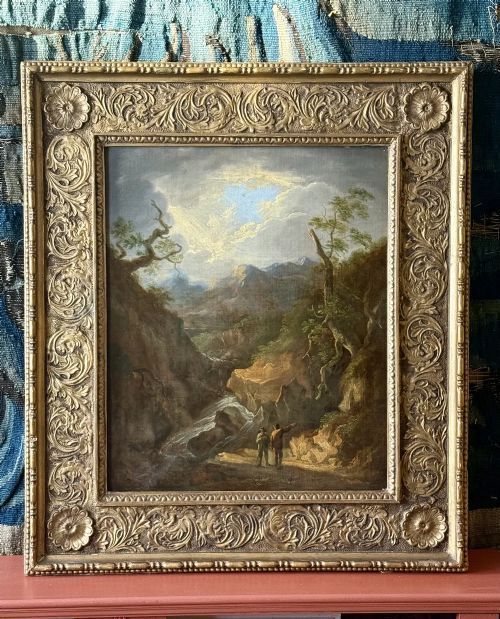
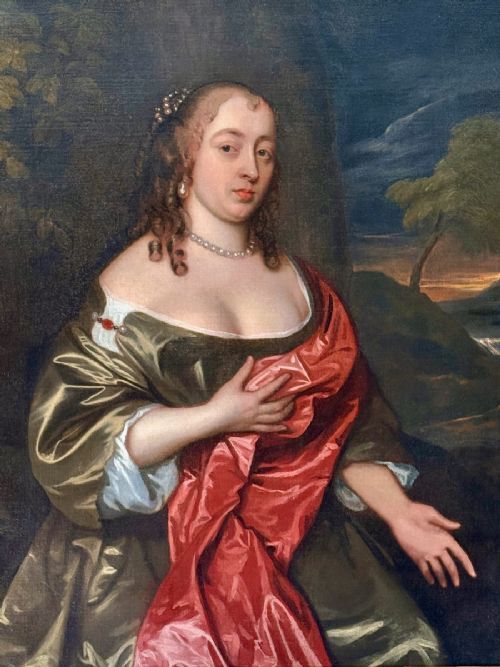
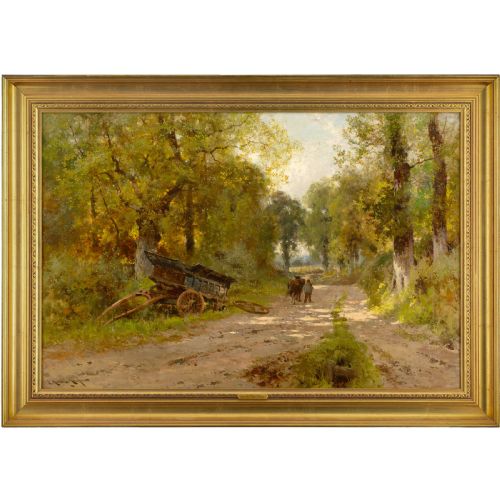
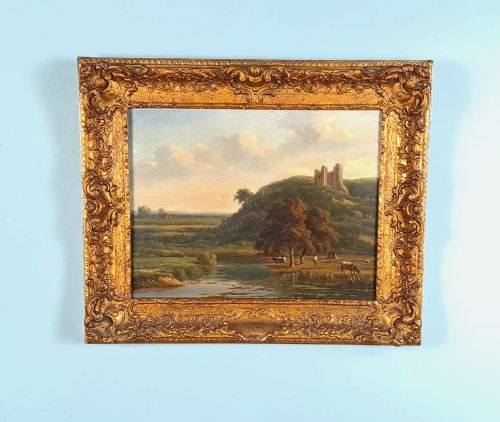
Classic English landscape art encompasses oil paintings and watercolours depicting the natural scenery, rivers, mountains and rural life of Britain. These works span several periods, from the seventeenth century through the Victorian era into the early twentieth century. Buyers seeking classic English landscape art will find framed canvases and boards showing wooded river views, Welsh mountains and village scenes.
The pieces available range from large Victorian oils to intimate watercolours by named artists. Common subjects include pastoral settings with resting sheep, figures in parks, and sweeping river valleys painted with careful attention to light and atmosphere. Each canvas records a specific British locality, from the River Severn to the Welsh hills, preserved in original gilt wood or giltwood frames.
How They Were Made
These works are executed primarily in oil paint on canvas or wood board, alongside occasional watercolours on paper. Artists built up their compositions using traditional brushwork, capturing natural light and atmospheric detail in rural and river settings. Pigments were applied to prepared surfaces to achieve depth in foliage, water and distant skies.
Framing is an integral part of these pieces, utilising moulded gilt wood and plaster frames that complement the depth and period of the paintings. The combination of oil on canvas with ornate wooden framing reflects the standard studio practices of nineteenth and early twentieth century British artists.
Sheep resting in fields appear with surprising regularity, suggesting Victorian painters found stubborn comfort in woolly contemplation.
What Varies In Quality
Quality in these landscapes rests upon the artist's handling of light, perspective and atmospheric depth within the scene. Superior works demonstrate a confident command of tone in complex elements such as wooded riverbanks, mountain ranges and shifting skies. The articulation of fine details, from foliage to resting livestock, distinguishes the most accomplished painting.
The preservation of the original paint surface and the matching period frame also influence the overall standard of a piece. Works by recognised artists with documented provenance carry greater weight, showing distinct technical skill in composition and colour harmony across the canvas.
John Hayls·John Horace Hooper·T C Hofland·William Arthur Breakspeare·Sidney Richard Percy·William Mellor·Benjamin Williams Leader·Clifton Tomson·John Wright Oakes·James L Brooke·William Stephen Coleman·A Davis·John Holland Snr·David Bates
The Classic English Landscape Art Glossary
- Oil on Canvas
- A painting medium where pigments suspended in drying oil are applied to stretched woven fabric. This method allows for rich blending of tone and texture.
- Giltwood
- Wood that has been carved and covered with a thin layer of gold leaf. It is frequently seen on nineteenth century picture frames.
- Board
- A rigid flat panel used as a support for painting instead of stretched canvas. Artists often utilised wood boards for smaller plein air studies.
- Watercolour
- A painting method where water-soluble pigments are applied to paper. It produces transparent washes of colour suited to delicate landscape effects.
- Pastoral
- A genre of art depicting rural life, shepherds and peaceful countryside scenes in an idealized or naturalistic manner.
Classic English Landscape Art: Frequently Asked Questions
How do I care for an antique oil painting?
Keep the canvas away from direct sunlight and sudden temperature shifts to prevent the paint from cracking or warping.
Dust the surface gently with a soft, dry brush and avoid using any liquids or chemical cleaners on the paint.
Are these paintings supplied with original frames?
Many works retain their period gilt wood or plaster frames, which show appropriate signs of age and handling.
Original frames are chosen to complement the era of the canvas, though framing styles can vary across different centuries.
How can I tell the period of a landscape painting?
Clues lie in the stretcher construction, canvas type, framing materials and the clothing of any figures depicted within the scene.
Signatures, artist records and stylistic traits such as Victorian realism also help narrow down the date of execution.
What subjects are most common in British landscapes?
Common subjects include Welsh mountain ranges, wooded river valleys, rural village taverns and pastoral scenes with resting sheep.
Artists frequently recorded specific geographic locations across Britain, capturing local topography and changing weather conditions.