

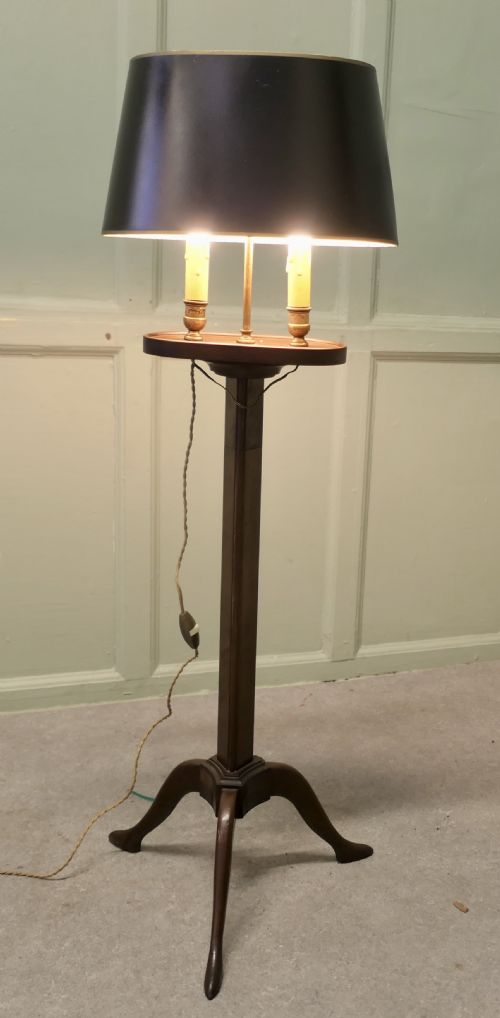


Classic Edwardian Lamp Stand
These classic edwardian lamp stand pieces bring refined height and adjustable light to a room, offering the proportion collectors seek.
Classic Edwardian Lamp Stand
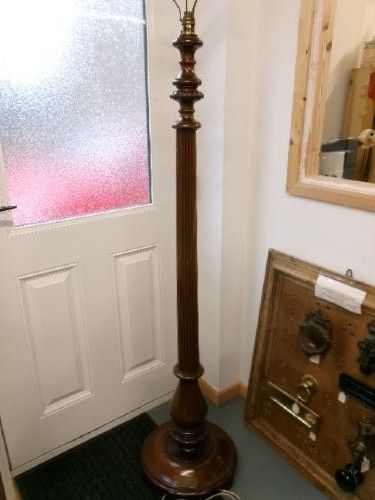
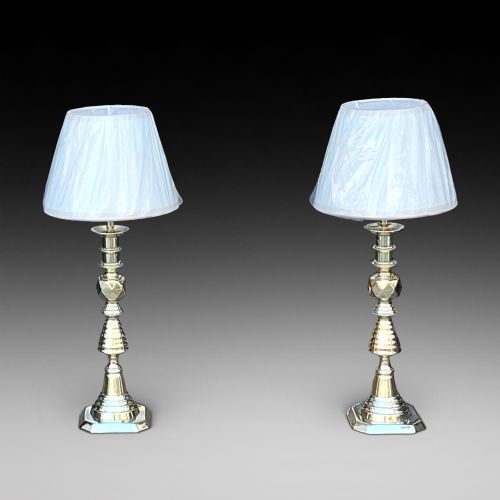
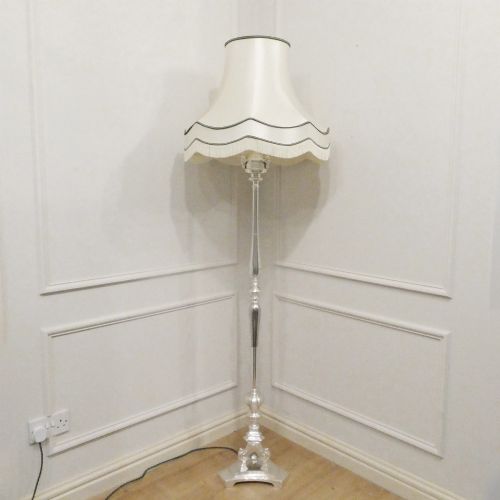
A classic edwardian lamp stand provides illumination and presence, emerging primarily from the Edwardian period alongside late Victorian and early twentieth-century examples. These standard lamps and floor lamps appear in brass, mahogany, and painted metal, occasionally incorporating onyx or glass beads.
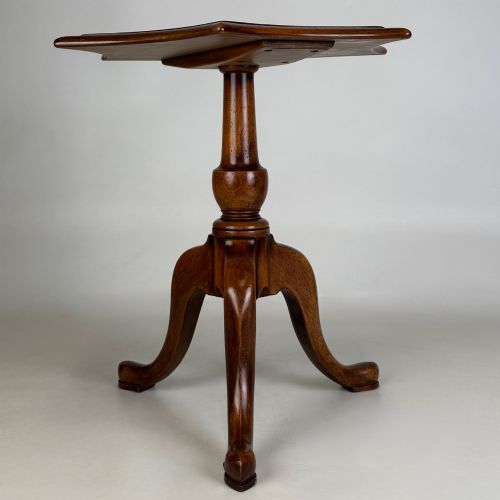
Buyers encounter adjustable classical columns, telescopic brass standards, and occasional lamp tables designed to hold a light source beside seating. The forms draw on Regency, Neoclassical, and Arts and Crafts styles, reflecting the domestic comfort of the era.
The selection ranges from dainty cottage style pieces to substantial brass floor lamps and tripod designs. Each form serves the practical requirement of raised illumination while maintaining period character.
How they were made
Maker workshops utilised solid brass and rich mahogany, shaping columns and bases through casting, turning, and joinery. Metal components frequently feature adjustable mechanisms such as telescopic stems and twin candle fittings.
Details include inlaid wood work on occasional tables, bronze finishes on metal frames, and fabric shades paired with glass bead decoration. These materials balance structural stability with decorative refinement.
Classic Edwardian Lamp Stand Retail Price Guide 2026
Typical asking prices for classic edwardian lamp stand among the pieces listed under this phrase on Sellingantiques today, from the lower quarter to the upper quarter. They describe what is for sale here now, not the wider market.
The listings on this site record brass as the predominant material, accompanied by mahogany, painted metal, and occasional onyx details.
What varies in quality
The distinction between standard examples and the finest pieces lies in the precision of the brass casting, the integrity of the telescopic adjustment mechanism, and the selection of timber. Heavy gauge metals and finely turned mahogany columns demonstrate superior workshop standards.
Proportion and decorative detail also differentiate the range, where classical column fluting, crisp floral motifs, and integrated onyx tiers elevate the piece beyond utilitarian lighting.
The Classic Edwardian Lamp Stand Glossary
- Standard lamp
- A tall floor-standing lamp designed to illuminate a room from a raised position. These fixtures often feature adjustable heights and heavy bases for stability.
- Telescopic
- An adjustable stem construction allowing the lamp height to extend or retract. This mechanical feature enabled users to direct light according to their seating arrangements.
- Classical column
- A vertical support styled after ancient architectural orders, featuring fluting and capitals. This design motif was favoured in Edwardian and Victorian brass standard lamps.
- Bouillotte
- A style of lamp featuring adjustable candle arms or lights above a saucer base. The form originates from French card games and translates into refined floor-standing variations.
- Occasional table
- A small, versatile table designed for specific minor uses, sometimes combined with a lamp standard. These pieces maximise function in compact Victorian and Edwardian interiors.
Classic Edwardian Lamp Stand: Frequently Asked Questions
How do I adjust the height on these lamps?
Many period examples utilise a telescopic mechanism within the central metal column. Users loosen a thumb screw or collar to raise or lower the upper section before securing it at the desired level.
Original mechanisms require careful handling to preserve the brass threading and internal springs. Regular maintenance ensures the adjustable parts function smoothly without straining the metal.
Where should I place a standard lamp in a room?
These tall floor lamps suit corners, beside reading armchairs, or adjacent to occasional tables. Their elevated light source provides ambient illumination rather than direct task lighting.
Positioning the base on level flooring ensures stability, particularly with taller brass or tripod designs. Pairing them with period seating enhances the historical context of the interior.
What is the difference between Victorian and Edwardian lamps?
Victorian pieces often lean towards heavy Neoclassical ornamentation, darker mahogany timbers, and substantial brass castings. The forms emphasise formal decorative presence and robust proportions.
Edwardian designs tend to introduce lighter aesthetics, including dainty cottage styles, simpler classical columns, and occasional table combinations. The transition reflects changing domestic tastes towards airier spaces.
Are these lamps compatible with modern bulbs?
Most lamp standards accept standard contemporary bulbs provided the internal wiring meets current safety standards. Many pieces have been re-wired for modern electrical compliance while retaining their original brass or wooden frames.
Consulting a qualified electrician ensures that older lamp holders and switches safely accommodate modern voltage requirements.