



Classic Country Artwork
Classic country artwork captures rural life and landscapes, offering buyers a window into pastoral scenes through oil paintings and period prints.
Classic Country Artwork
When you search for classic country artwork, you encounter oil paintings, watercolours, and framed prints capturing rural life, agricultural scenes, and sporting subjects. These pieces span the eighteenth, nineteenth, and twentieth centuries, reflecting changing perspectives on the countryside across generations.
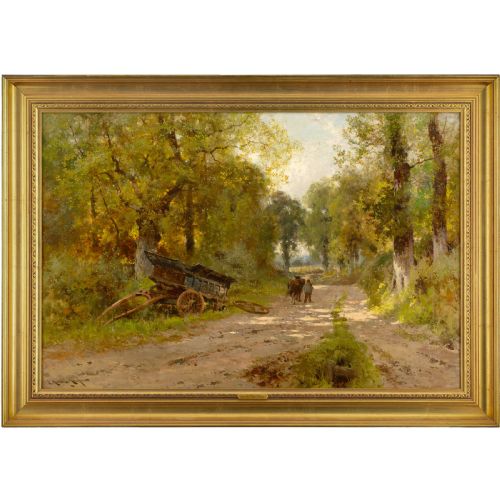
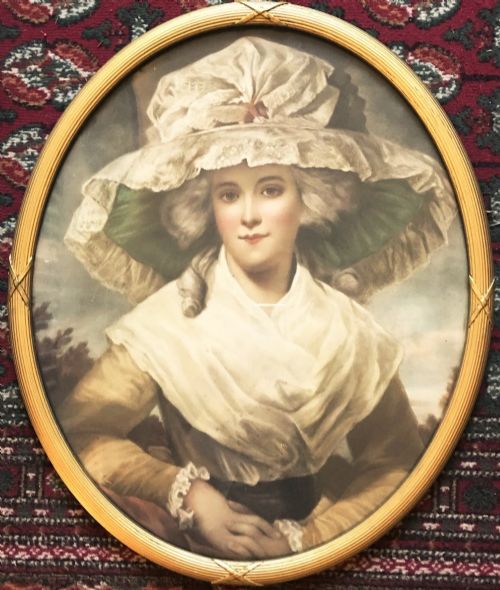
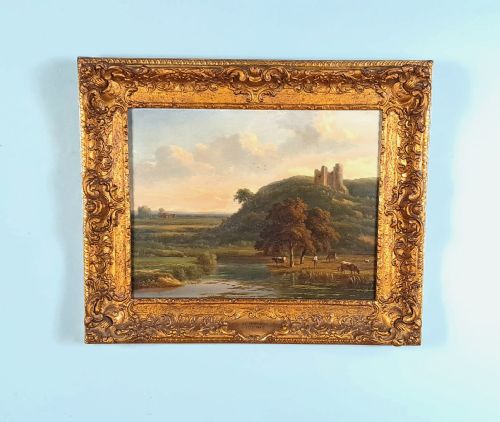
The selection on this page relies heavily on nineteenth-century oil paintings on canvas and board, alongside eighteenth-century engravings. Rural landscapes, village taverns, and domestic interior scenes dominate the visual record.
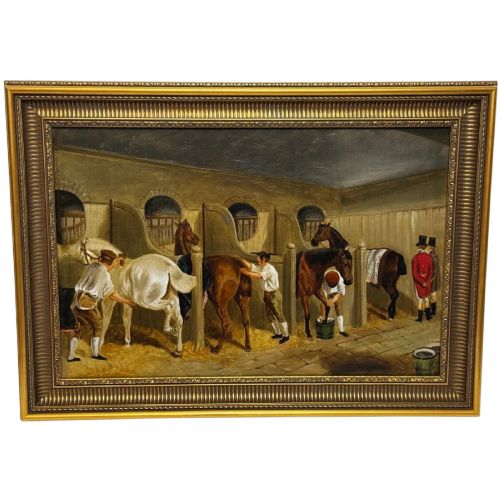
Portraits of animals, including horses, cattle, and hunting dogs, form a distinct strand within these rural depictions. They sit alongside pastoral views and genre paintings of farm workers and country families.
Materials and technique
Oil on canvas and oil on board serve as the primary mediums for these pastoral scenes, applied with traditional brushwork by period artists. Paper supports appear in watercolours and detailed engravings depicting similar hunting and landscape subjects.
Giltwood, gesso, and wood provide the structure for traditional frames, often complementing the tones of the oil paintings they enclose. These frames range from simple mouldings to heavier ornate surrounds characteristic of Victorian framing.
Classic Country Artwork Retail Price Guide 2026
Typical asking prices for classic country artwork among the pieces listed under this phrase on Sellingantiques today, from the lower quarter to the upper quarter. They describe what is for sale here now, not the wider market.
Materials in these listings include oil on canvas, paper, gesso, and giltwood, spanning the eighteenth to twentieth centuries.
Judging quality in rural works
Depth of composition and handling of light separate standard decorative works from more accomplished artistic achievements. Stronger pieces demonstrate confident brushwork in rendering natural textures like foliage, animal coats, and weathered wood.
The integration of original framing materials relative to the age of the canvas contributes to the overall integrity of the piece. Surviving signatures and attribution to recorded artists add documentary weight to the physical work.
The Classic Country Artwork Glossary
- Oil on Canvas
- A painting medium where pigments are suspended in drying oil, applied to a stretched woven fabric support. This combination allows for rich blending of colours and durable longevity.
- Genre Painting
- Artwork depicting scenes from everyday life, typically involving ordinary people engaged in common activities. In country works, this includes domestic interiors, tavern gatherings, and farm labour.
- Giltwood
- Wood carved and coated with a thin layer of gold leaf or gold paint. It frequently appears on traditional frames enclosing nineteenth-century paintings.
- Engraving
- A printmaking technique where an image is incised into a metal plate, which then holds ink for transfer to paper. This process allowed for the reproduction of popular landscape and sporting scenes.
- Watercolour
- A painting method where paints are made of pigments suspended in a water-based solution, usually applied to paper. It offers a transparent quality distinct from opaque oil paints.
Classic Country Artwork: Frequently Asked Questions
What periods do these artworks cover?
The pieces span from the eighteenth century through the nineteenth century into the twentieth century, capturing diverse historical shifts in rural representation.
Victorian and Georgian eras predominate the current selection, offering varied interpretations of pastoral life.
How are these paintings framed?
Many works retain period frames constructed from wood with giltwood or gesso finishes. These surrounds often reflect the aesthetic preferences of the nineteenth century.
Original framing contributes to the historical context of the artwork, though some pieces feature later or replacement surrounds.
What subjects are most common?
Rural landscapes, agricultural scenes, and village taverns form the core subjects of these works. Animal portraits, particularly horses, cattle, and hunting dogs, also appear frequently.
Domestic interior scenes depicting family life and farm workers offer a narrative element alongside pure landscape views.
Are these works signed by artists?
Several pieces feature signatures from period artists or carry attributions to specific regional schools. Documented nineteenth-century painters often sign directly on the canvas or board.
Unsigned works are also present, categorized by style, period, or regional origin such as the Scottish School.