

Classic Canvas Artwork
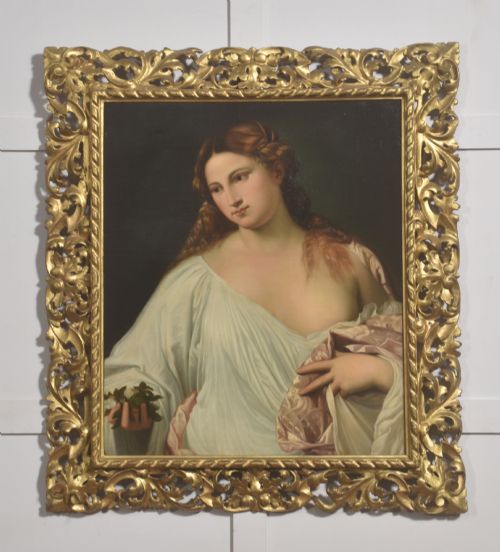
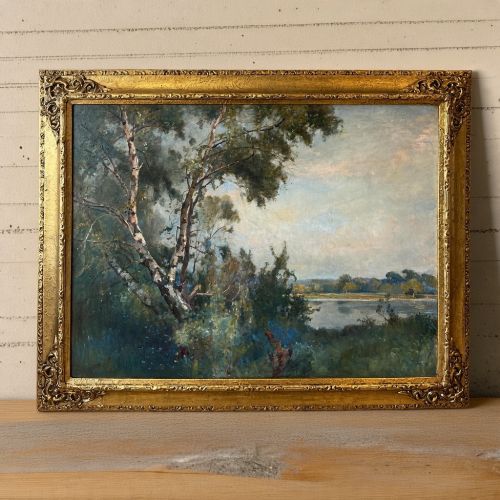
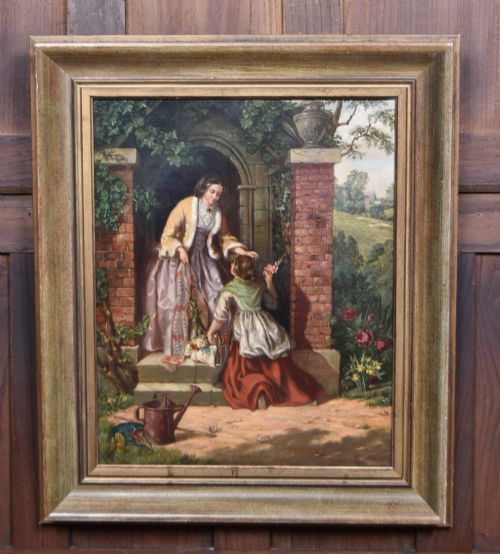
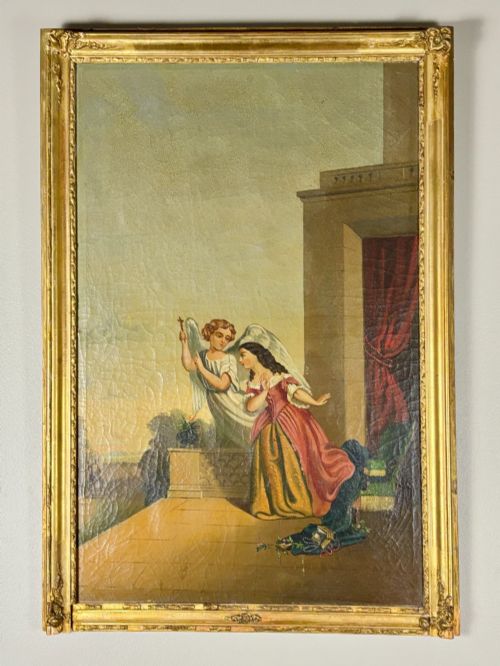
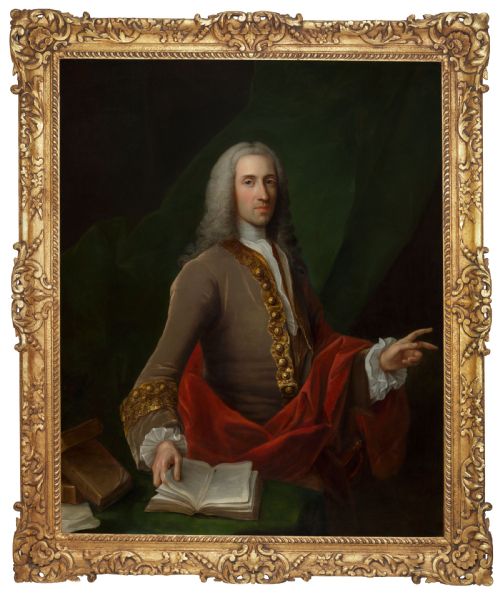
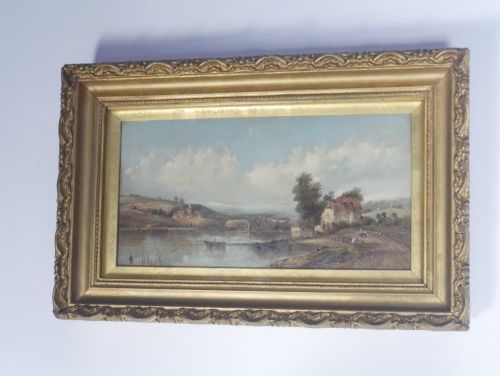
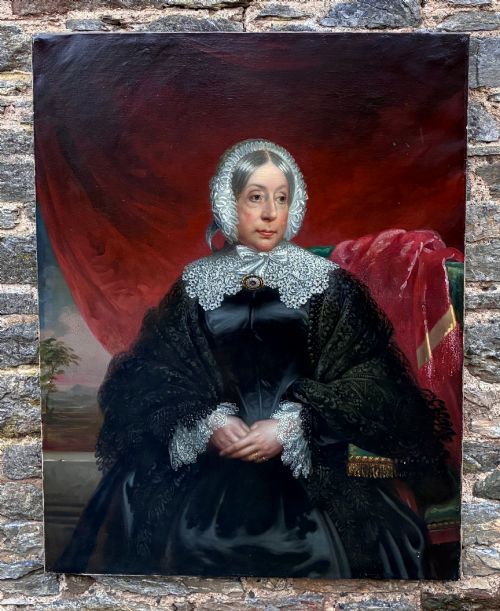
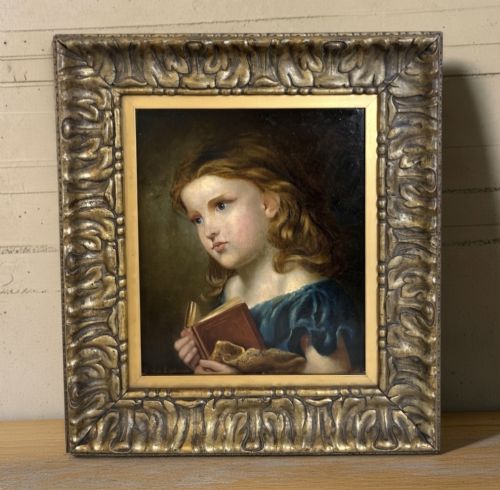
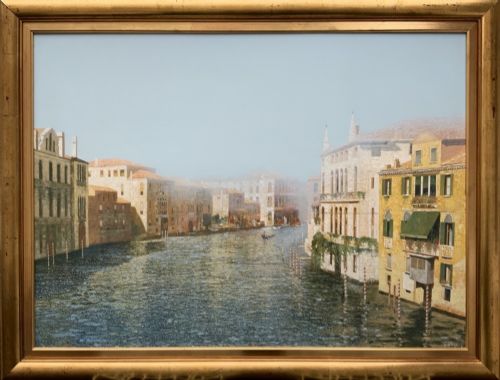
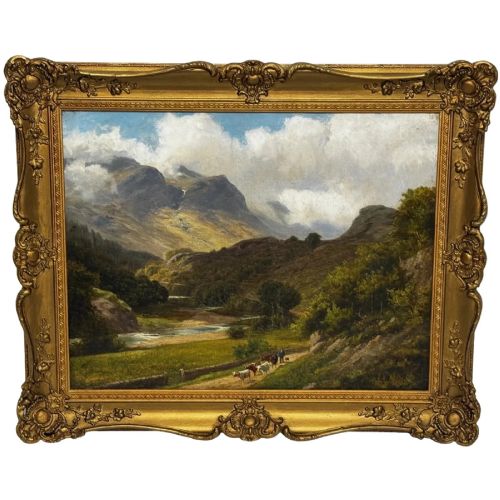
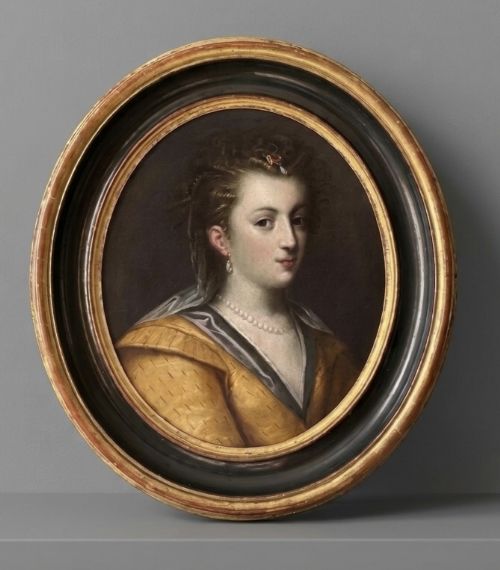
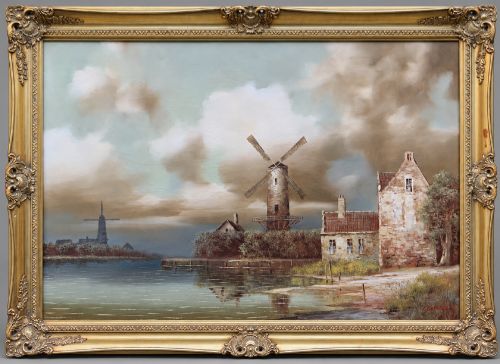
Classic canvas artwork brings together centuries of oil paintings and portraits framed in wood and giltwood.
Classic Canvas Artwork
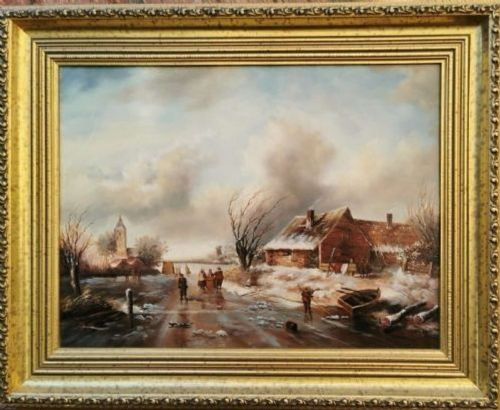
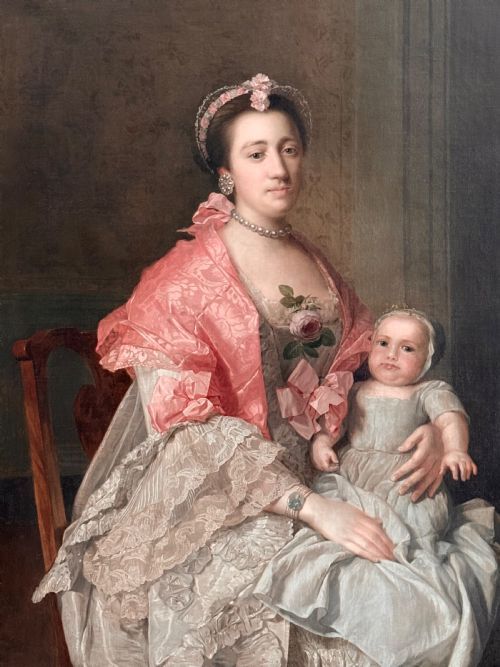
Classic canvas artwork encompasses oil paintings, portraits, and landscapes spanning from the seventeenth century through the twentieth century. These pieces record historical figures, rural vistas, and domestic scenes executed on woven supports.
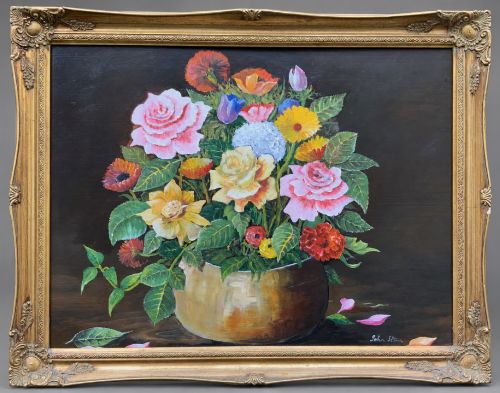
The selections available range from Italian Renaissance and Dutch Golden Age traditions to Victorian realism and twentieth-century still life compositions. Buyers encounter framed portraits and topographical views originating from British, French, and Dutch schools.
Oil on canvas remains the dominant medium, often housed within period giltwood or gesso frames. The subjects bridge formal portraiture of nobility with everyday landscape and genre painting.
Materials and Techniques
Painters applied oil paint directly onto stretched canvas surfaces, utilising pigments bound in oil to build depth and luminosity. Wooden stretchers supported the fabric, while decorative frames carved from wood and finished with gesso and gilt completed the works.
Artists layered glazes and opaque pigments to render light, texture, and shadow across portraits and landscapes. The physical integration of oil paint, woven canvas, and timber stretcher frames defines the structural makeup of these historical pieces.
Classic Canvas Artwork Retail Price Guide 2026
Typical asking prices for classic canvas artwork among the pieces listed under this phrase on Sellingantiques today, from the lower quarter to the upper quarter. They describe what is for sale here now, not the wider market.
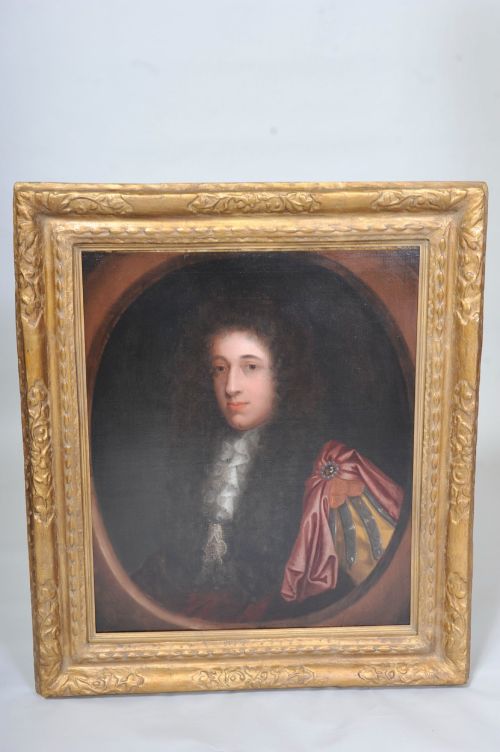
Several portraits preserve the intense gaze of seventeenth-century gentlemen wearing elaborate periwigs.
Distinctions in Quality
Quality rests upon the handling of anatomy, light, and proportion by the artist, distinguishing competent studio output from masterwork execution. The nuance in brushwork and the preservation of the original paint layer dictate the visual impact.
The integrity of the canvas and the retention of period framing contribute significantly to a piece's standing. Works that maintain their early stretcher frames and undisturbed pigment layers command greater artistic weight.
Lavinia Fontana·Charles Jervas·Thomas Murray·Matthieu Elias·Sir Allan Ramsay·Benjamin Barker of Bath·Sir Martin Archer Shee·Anthony Van Dyck·John Horace Hooper·Stephen Samuel Lewin·Edouard Pingret·Jean Baptiste Van Loo·Alfred Lyndon Grace·Francis Moltino·Edward Ladell·Louis Charles Verwee·Else Preußner·William Oliver·Thomas Spinks·Albert Rieger·Valdemar Magaard·Robert Watson·William Watt Milne
The Classic Canvas Artwork Glossary
- Oil on Canvas
- A painting medium where pigments suspended in drying oils are applied to a woven fabric support. This method allowed artists to achieve rich tonal gradations and durable surfaces.
- Giltwood
- Timber carved and coated with gold leaf or gold paint. It provides ornate, reflective borders for traditional frames.
- Gesso
- A paint mixture consisting of a binder mixed with chalk, gypsum, or pigment. It serves as a smooth preparation layer on wooden frames before gilding.
- Dutch Golden Age
- A period in Dutch history spanning the seventeenth century characterised by remarkable artistic output. Paintings from this tradition focus on landscapes, portraits, and still life.
- Provenance
- The chronology of the ownership and custody of a historical artwork. It establishes authenticity and historical background.
Classic Canvas Artwork: Frequently Asked Questions
How do I care for an oil painting on canvas?
Keep the artwork away from direct sunlight and dramatic shifts in temperature or humidity. Dust the surface gently with a soft, dry brush without applying pressure.
Avoid using water or chemical cleaners on the paint layer or the frame. Professional conservators should handle any deeper cleaning or structural repairs.
How can I tell the period of a canvas painting?
Examine the preparation of the canvas, the composition of the stretcher frame, and the style of the brushwork. Nails and fixings holding the canvas can also indicate the approximate era of assembly.
Clothing, hairstyles, and framing styles offer further clues to date portraits and landscapes accurately. Comparing the piece to documented works by known schools helps confirm the timeline.
What is the difference between an oil painting and other art?
Oil paintings utilise slow-drying pigments suspended in oil, allowing artists to blend colours smoothly over extended periods. This medium provides a luminous depth and texture unlike watercolours or charcoal drawings.
The woven canvas support adds a tactile grain that interacts with the dried paint layers. These structural elements ensure durability and a distinctive visual finish.
Where should I hang a classic canvas artwork?
Select an interior wall with stable atmospheric conditions away from moisture sources like kitchens or bathrooms. Position the piece at eye level to appreciate the details of the brushwork and framing.
Ensure artificial lighting uses low-heat bulbs to protect the oil pigments from thermal stress. Proper placement enhances the visual balance of the room while preserving the artwork.