



Classic Cabinet
A classic cabinet provides structural elegance and practical storage, ranging from compact bedside pieces to generous bookcases shaped by centuries of woodworking tradition.
Classic Cabinet
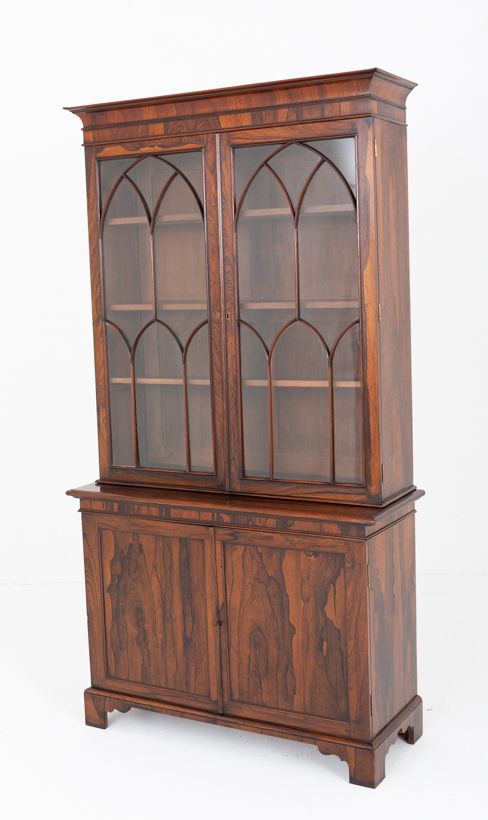
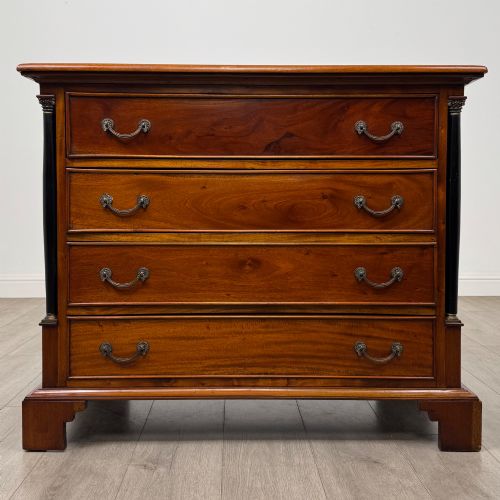
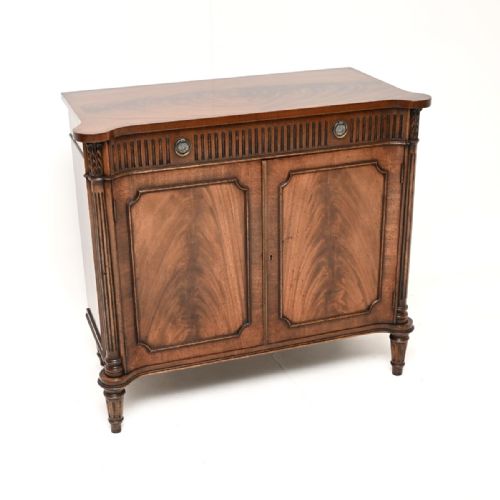
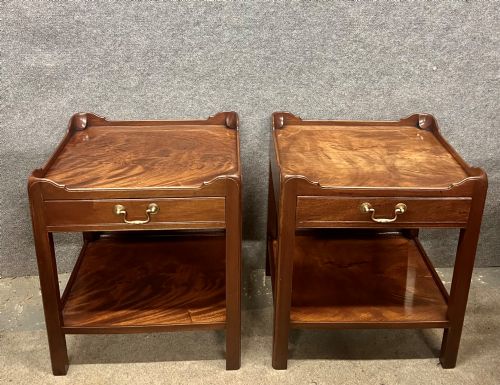
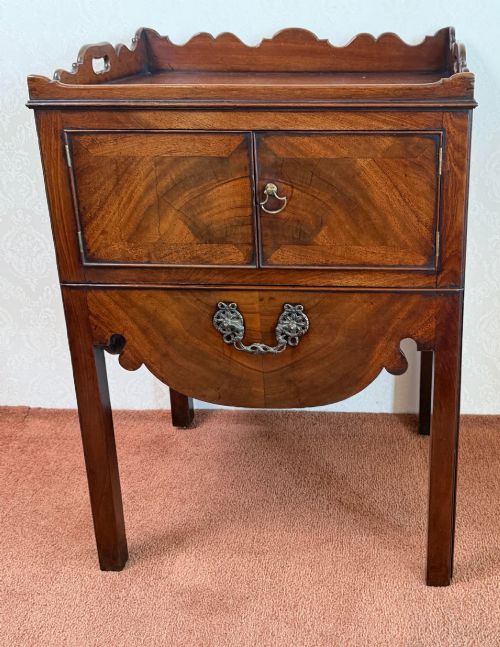
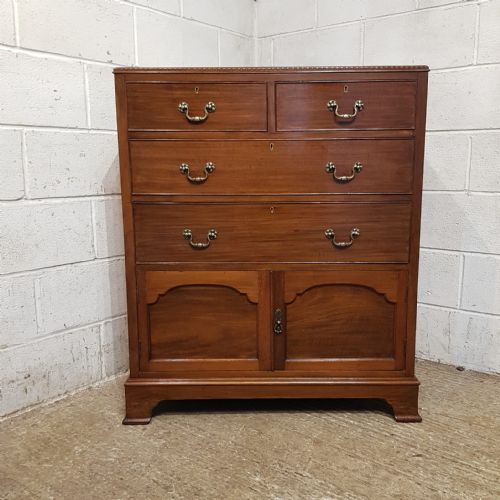
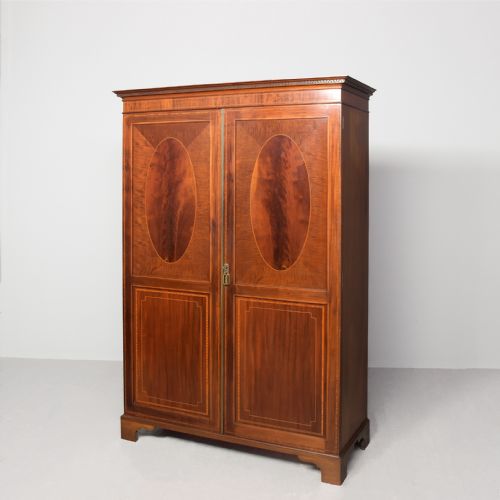
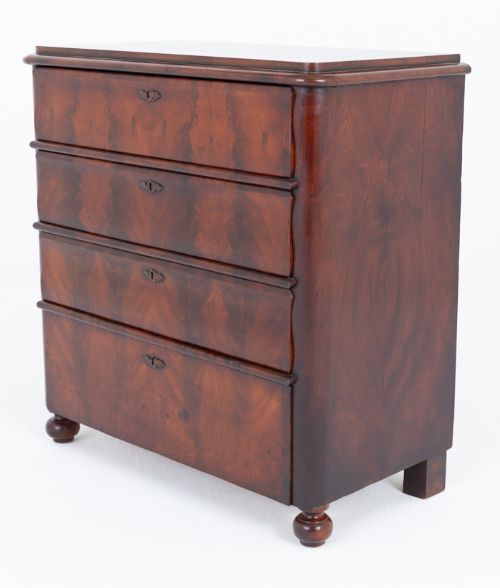
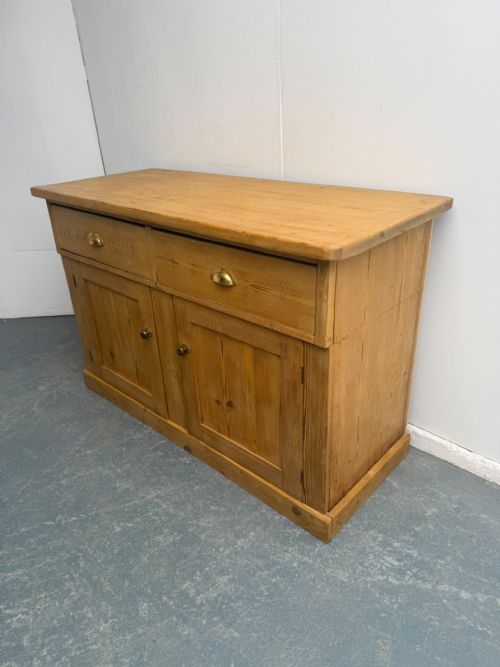
A classic cabinet encompasses various forms designed for storage and display, including bookcases, side cabinets, chests of drawers, and bedside tables. These pieces span the eighteenth, nineteenth, and early twentieth centuries, reflecting changing domestic needs across Georgian, Victorian, Regency, and Edwardian periods.
The version most frequently encountered on this page is the mahogany piece, often featuring glazed doors, brass hardware, or boxwood inlay. Makers constructed these items as functional furniture for the library, bedroom, or drawing room, employing established regional styles such as Biedermeier and Empire.
Materials and construction methods
Cabinet makers relied predominantly on mahogany, walnut, and satinwood, frequently applying flame mahogany veneer to achieve rich surface figures. Secondary woods and solid pine supported internal structures, while boxwood inlay and marquetry added geometric or floral ornamentation to drawer fronts and doors.
Surface finishing involved wax, polish, and occasionally ormolu mounts to accent structural lines. Glass panes featured in bookcases and vitrines, whilst marble tops provided durable, cool surfaces on specialised cabinets and commodes.
Classic Cabinet Retail Price Guide 2026
Typical asking prices for classic cabinet among the pieces listed under this phrase on Sellingantiques today, from the lower quarter to the upper quarter. They describe what is for sale here now, not the wider market.
Distinctions in craftsmanship
The separation between standard utility pieces and finer examples rests upon timber selection and secondary wood usage. Superior pieces utilise deeply figured flame mahogany veneers and precise boxwood stringing rather than plain stock.
Joinery detail dictates longevity, visible in hand-cut dovetails on drawers and the careful matching of wood grain across panels and doors. Original hardware, such as brass escutcheons and working locks, preserves the integrity of the design.
Bruno Zach·Brady
The Classic Cabinet Glossary
- Bowfront
- A curved cabinet or chest front that swells outward in the centre. This convex shape requires expert joinery to bend veneers and drawer frames accurately.
- Breakfront
- A large cabinet or bookcase whose central section projects forward from the flanking wings. This architectural layout creates depth and shadow across the piece.
- Escritoire
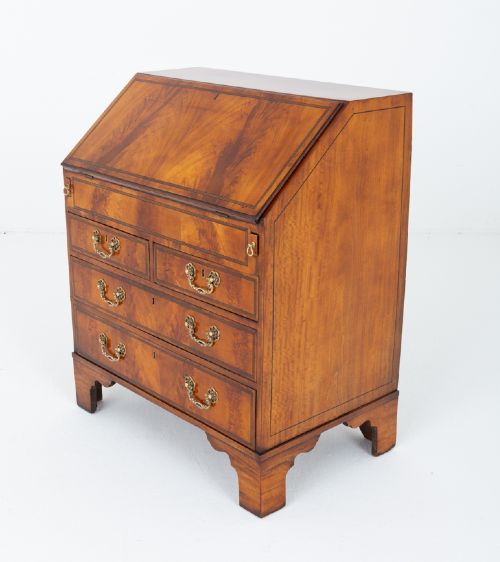
- A writing cabinet featuring a fall-front flap that conceals internal compartments and small drawers. These versatile items combined workspace with concealed storage.
- Ormolu
- Gilded bronze mounts applied to furniture surfaces for decorative effect. French cabinets frequently utilised these metallic ornaments to highlight corners and pediments.
- Wellington chest
- A tall, narrow chest of drawers secured by a hinged locking stile on one side. The design originated in the nineteenth century for efficient security.
Classic Cabinet: Frequently Asked Questions
What periods do these cabinets cover?
The pieces span from the eighteenth century through the Victorian and Edwardian eras up to the early twentieth century. Styles include Georgian, Regency, Biedermeier, and Art Deco.
Craftsmen built these items using traditional woods like mahogany, walnut, and satinwood, maintaining stylistic continuity while adapting to changing domestic fashions.
How do I identify a bedside cabinet?
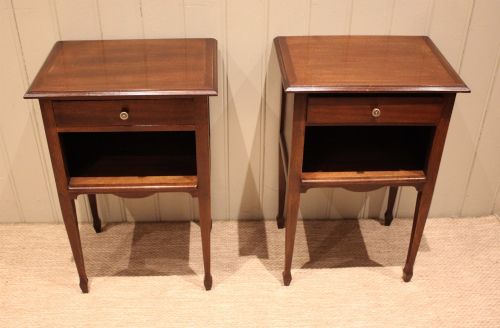
Bedside cabinets and tables appear in compact forms, often designed as pot cupboards or open bedside shelving. They date predominantly from the Victorian and Edwardian periods.
These smaller pieces match the timber and decorative inlay of larger wardrobe and chest suites intended for the same bedroom.
Where were breakfront bookcases placed?
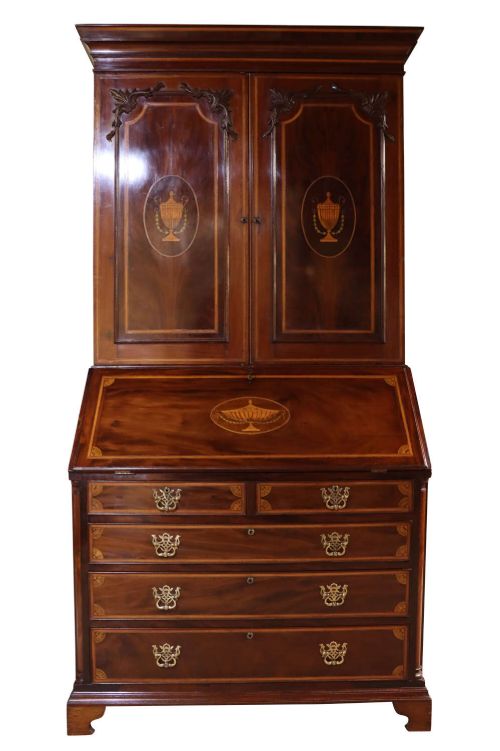
Large breakfront bookcases and library cabinets occupied formal reception rooms and home libraries. Their substantial glazed doors protected valuable book collections from dust.
Makers utilised mahogany and walnut for these imposing structures, incorporating lower cupboards and adjustable shelving.
What distinguishes a tallboy from a chest of drawers?
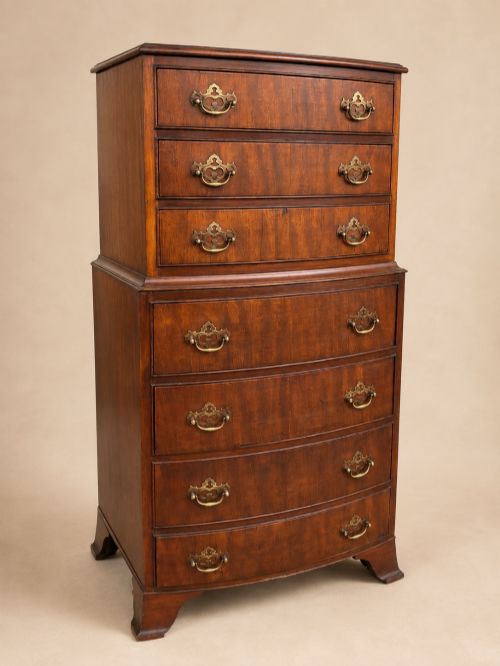
A tallboy stacks additional drawer tiers to achieve greater vertical storage capacity within a modest floor footprint. Examples often feature bracket feet or enclosed upper cabinets.
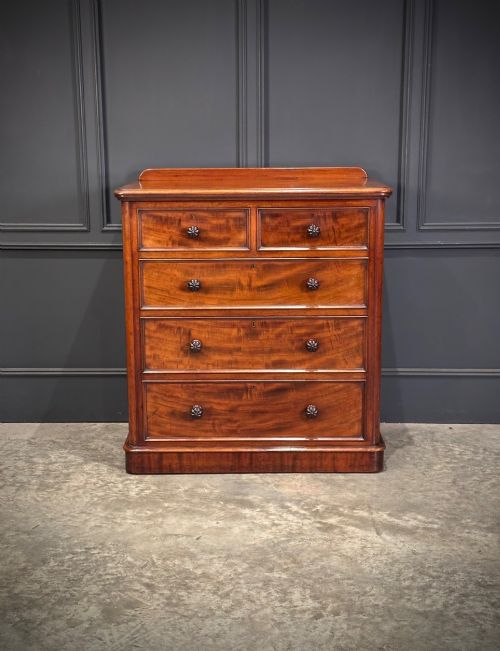
Standard chests of drawers provide a lower profile with a flat top surface suitable for decorative display or mirrors.