

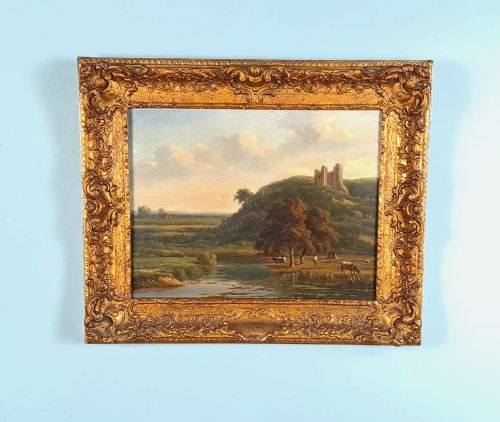
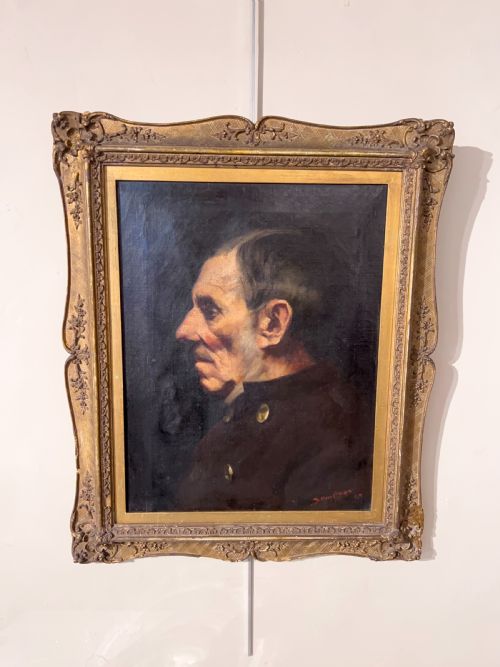


Classic British Oil Artwork
Classic british oil artwork captures centuries of portraiture, landscapes, and rural scenes painted directly on canvas or board.
Classic British Oil Artwork
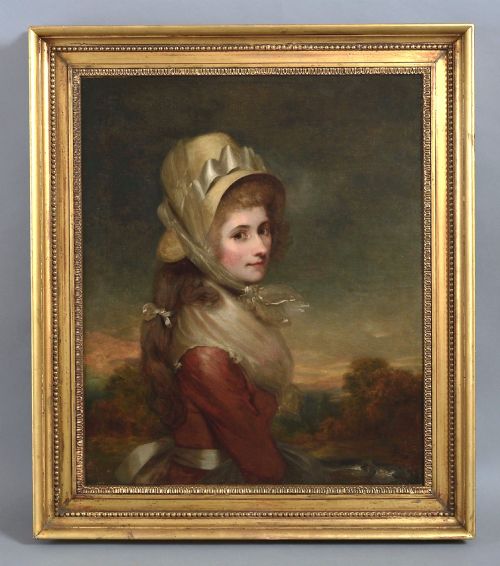
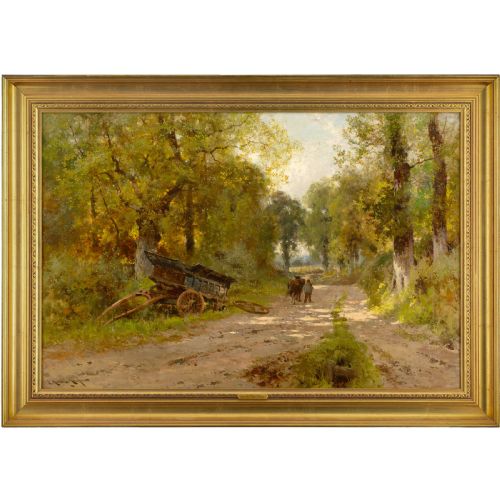
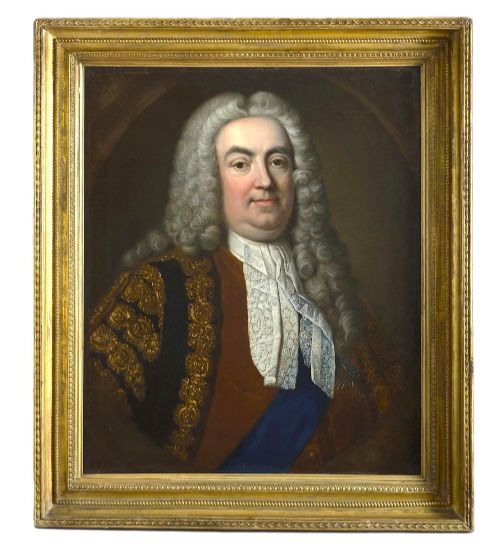
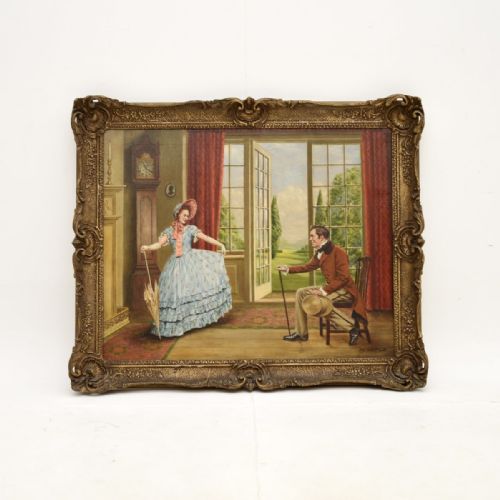
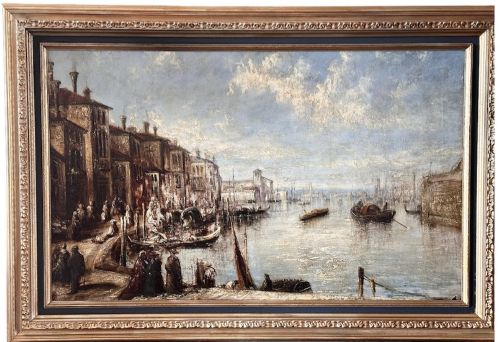
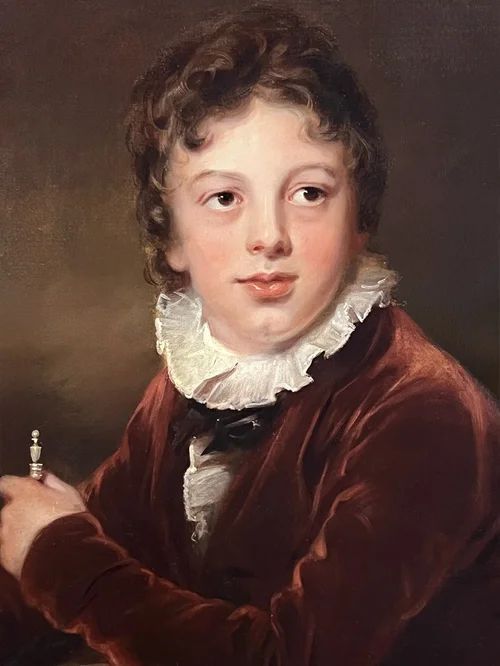
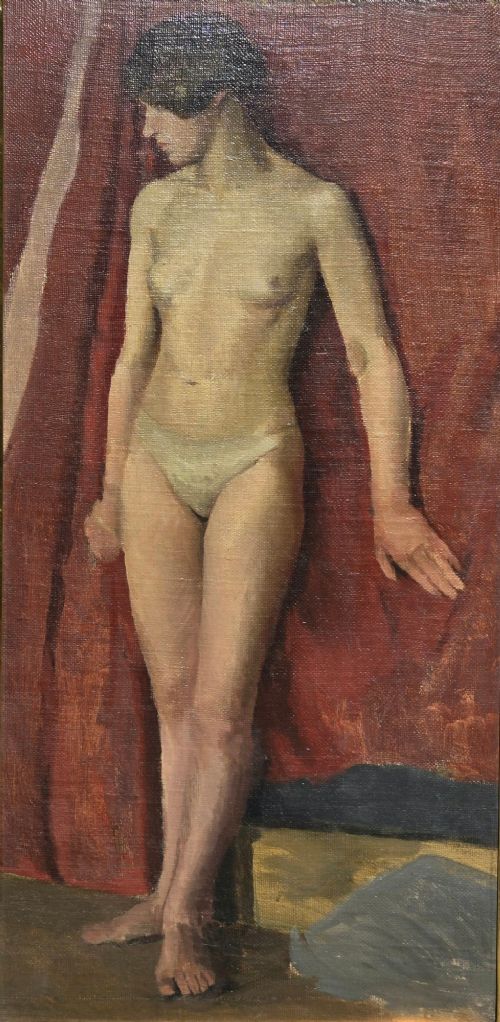
Classic british oil artwork encompasses oil paintings originating from various periods including the eighteenth, nineteenth, and twentieth centuries. These works frequently arrive in forms such as fine art paintings, portrait studies, and pastoral or coastal landscapes.
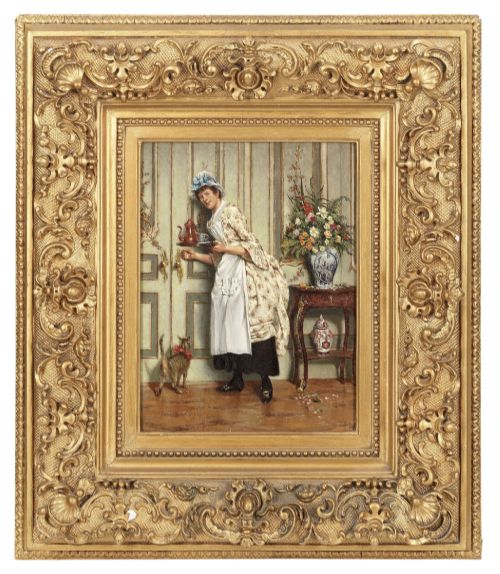
Buyers encountering this selection regularly meet Victorian landscapes, Regency portraits, and early twentieth-century genre scenes. The primary subjects span human figures, architectural views, rural livestock, and still-life compositions rendered in oil paint.
How they were made
Makers applied oil paint onto surfaces of stretched canvas, canvass, or board using bristle brushes. Many surviving examples retain their original frames constructed from wood, gesso, and giltwood.
The physical application of oil medium allowed artists to build rich layers of colour and texture over prolonged drying periods. Canvases were typically secured to wooden stretchers before receiving preliminary sketches and final pigment layers.
Current listings feature oil paintings executed on both canvas and board supports.
What varies in quality
Visual distinction rests primarily in the handling of light, anatomical precision, and compositional depth by the artist. Masterful brushwork and confident draftsmanship separate ambitious studio pieces from more formulaic decorative output.
The integrity of the original support material and the preservation of the pigment layer influence the visual impact of each canvas. Intricate detailing in giltwood frames also contributes to the overall presence of the finished piece.
Sir Martin Archer Shee·John Horace Hooper·Stephen Samuel Lewin·Jean Baptiste Van Loo·Alfred Lyndon Grace·Francis Moltino·Margaret Sarah Carpenter·Bertram Priestman·William Henry Mander·Sir Winston Churchill·William Mellor·Walter J Watson·S Dennant Moss·Benjamin Williams Leader·Peter Deakin·John Wright Oakes·Frank Moss Bennett·Alfred de Breanski·Sydney Kendrick·James L Brooke·Frederick J Knowles·Alfred Banner·Margaret Evangeline Wilson·Edward H Holder·Marcellus Laroon
The Classic British Oil Artwork Glossary
- Oil on Canvas
- A traditional painting medium where oil-based pigments are applied to a woven fabric support stretched across a wooden frame. This method permits smooth blending and durable impasto textures.
- Giltwood
- Timber carved and surfaced with a thin layer of gold leaf. Frames utilising this material frequently accompany traditional paintings.
- Genre Painting
- Artwork depicting scenes from everyday life, typically involving ordinary people engaged in common activities. These works provide visual records of social history.
- Gesso
- A paint mixture consisting of a neutral binder mixed with chalk, gypsum, or pigment. It served as a prepared ground layer for wooden panels and frames before gilding or painting.
Classic British Oil Artwork: Frequently Asked Questions
What periods do these paintings span?
The available selection includes works produced across several centuries, stretching from the seventeenth century through the Georgian and Victorian eras into the mid-twentieth century.
Each period reflects distinct stylistic priorities, moving from formal historical portraits to naturalistic pastoral landscapes and intimate domestic scenes.
How should I display an oil painting?
These artworks require stable indoor environments away from direct sunlight and excessive humidity to protect the canvas and pigment layers. Hanging them securely on interior walls allows the original wooden and giltwood frames to support the weight properly.
Proper placement ensures the surface remains visible without risking structural damage from environmental fluctuations.
Are these works signed by the artists?
Many examples feature visible artist signatures, dates, or historical attributions inscribed directly onto the canvas or recorded within historical exhibition records. Some pieces originate from known studios or carry documentation linking them to established painters.
Unsigned works are typically attributed to specific periods or regional schools based on stylistic analysis and material evidence.
What subjects are most common?
Landscapes and portraits dominate the selection, capturing rural British countryside views, river valleys, and prominent historical figures. Additional subjects include still life compositions of fruit and domestic genre scenes featuring figures in interiors.
These varied themes document shifting aesthetic interests across British art history.