





Classic Brass Timepiece
These classic brass timepiece pieces span from nineteenth-century portico designs to mid-century Atmos models, offering functional elegance for any interior.
Classic Brass Timepiece
When you search for a classic brass timepiece, you encounter a diverse selection of instruments ranging from heavy nineteenth-century carriage clocks to refined mid-century desk models. These items combine practical timekeeping with decorative metalwork, often housed in glass panels or wood cases.
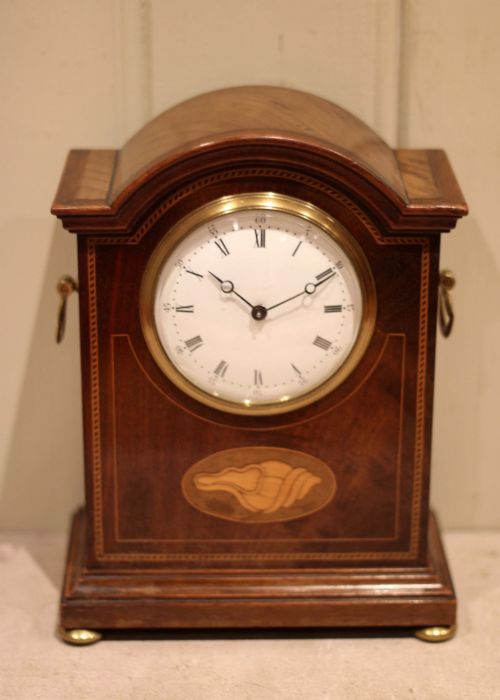
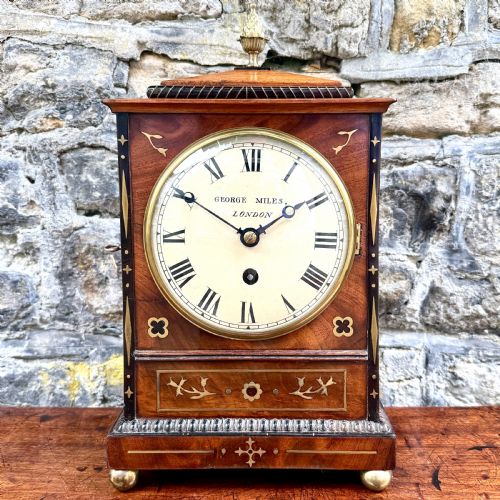
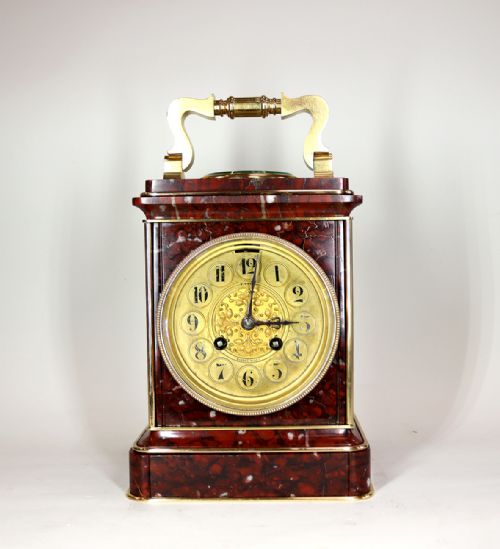
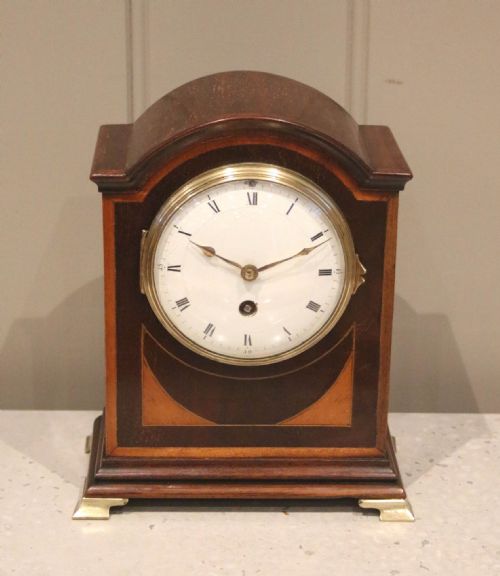
The options here include Victorian and Edwardian carriage clocks alongside Regency library pieces and striking mantel clocks from French and English makers. Mantel and portico formats appear frequently alongside portable designs intended for travel.
Many examples incorporate gilt brass, ormolu, and contrasting timbers like mahogany or rosewood to enhance their visual appeal. You will find that these domestic timekeepers serve as both functional instruments and distinct decorative accents.
Materials and Construction
Makers utilised cast and polished brass, gilt brass, and ormolu as the primary metallic elements for cases and bezels. Glass panels frequently protect delicate enamel dials and expose the moving mechanical components within.
Wood elements such as mahogany, rosewood, and satinwood inlay appear on portico and mantel formats, demonstrating traditional cabinetmaking techniques. Precision metalworking underpins the intricate escapements and gear trains housed inside each case.
Portico and carriage clock formats appear alongside traditional mantel designs.
Assessing Quality and Execution
Quality reveals itself in the crispness of the brass casting and the depth of the gilding on the metal mounts. Superior pieces display finely detailed engraving on dials and backplates, alongside well-proportioned timber or marble housings.
The reputation of the maker and the complexity of the movement, such as an eight-day train or specialised suspension, distinguish standard productions from exceptional workshop creations. Preserved original surfaces and clear dial markings indicate careful historical ownership.
John Morley·Charles Frodsham and Holingue Frères·Luxor·Jaeger Le Coultre
The Classic Brass Timepiece Glossary
- Carriage clock
- A small, portable spring-driven timepiece designed for travel, typically featuring a brass frame with glass panels.
- Portico clock
- A striking clock housed within a architectural frame supported by columns, often styled in the neoclassical manner.
- Ormolu
- Gilt bronze ornamentation applied to furniture and clock cases, created using a mercury gilding process on bronze.
- Enamel dial
- A metal clock face coated with fused glass powder, fired to produce a smooth, durable white surface for numerals.
- Escapement
- The internal mechanical linkage that controls the release of power to regulate the speed of the clock.
Classic Brass Timepiece: Frequently Asked Questions
What is a carriage clock?
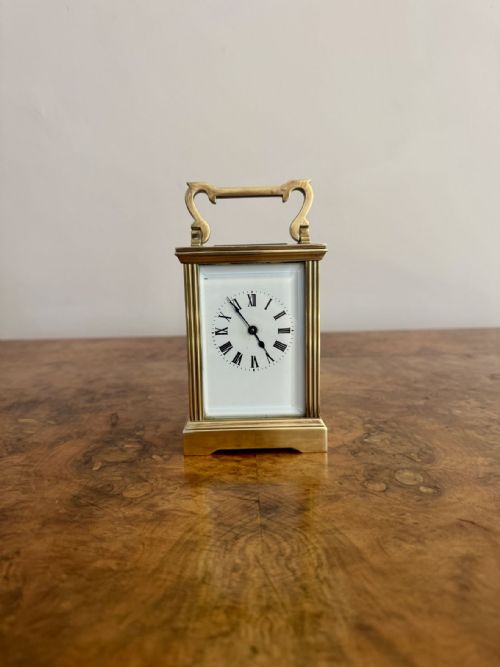
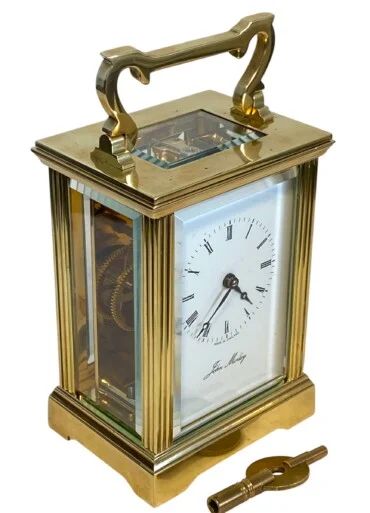
A carriage clock is a portable timepiece originally developed for officers travelling during the nineteenth century. These clocks typically feature a rectangular brass case with glazed sides to view the movement.
Most examples include a swinging handle on top and rely on a spring-driven mechanism rather than heavy weights.
How do I wind a mechanical timepiece?
Mechanical timepieces require a specific key inserted into the winding arbor on the dial or backplate. Turn the key gently until you feel resistance, avoiding overwinding to protect the mainspring.
Different models have varying power reserves, ranging from daily winders to eight-day movements.
Where should I place a portico clock?
Portico clocks suit stable mantelpieces, sideboards, or deep shelves where their architectural columns can be viewed clearly. Because they rely on precise levelling for the pendulum to beat evenly, avoid placing them on vibrating surfaces.
Keep them away from direct sunlight and damp environments to protect the wood veneers and metal finishes.
How do Atmos clocks work?
Atmos clocks operate without manual winding by responding to temperature fluctuations in the surrounding air. A hermetically sealed expansion chamber drives the main driving spring continuously.
This clever mechanism allows the timepiece to run indefinitely with minimal maintenance required.