

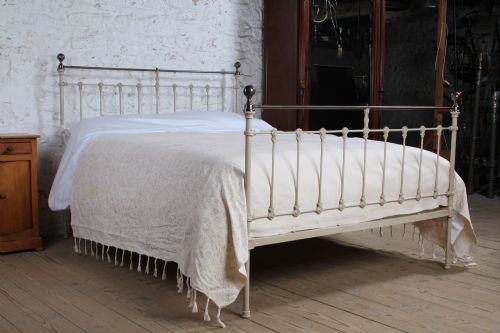


Classic Bed Frame
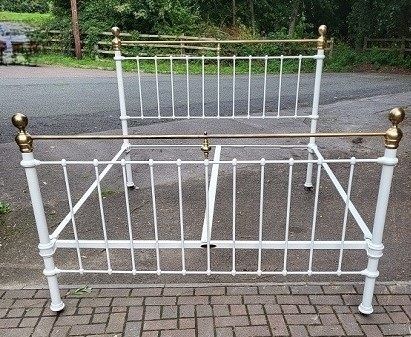
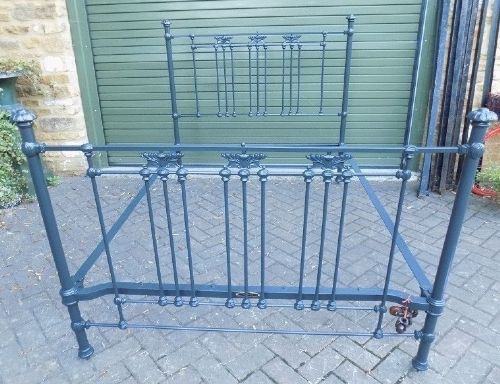
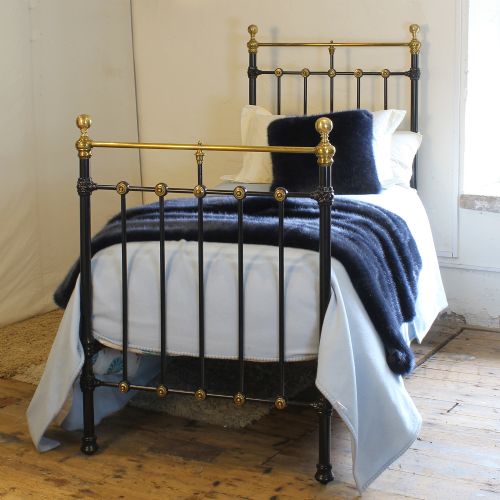
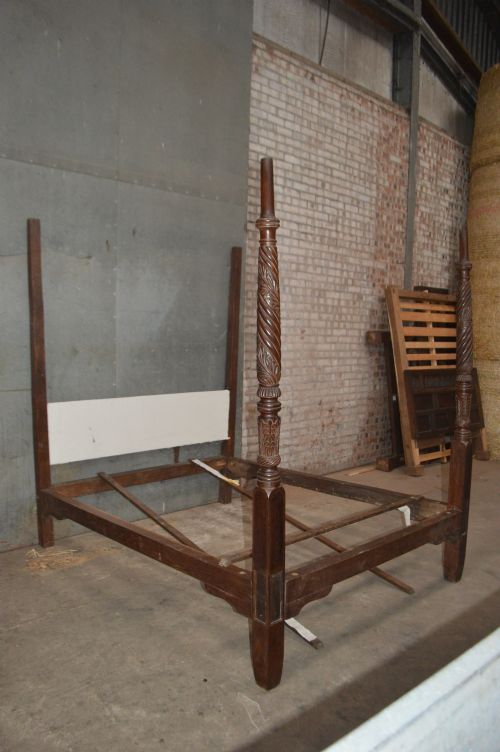
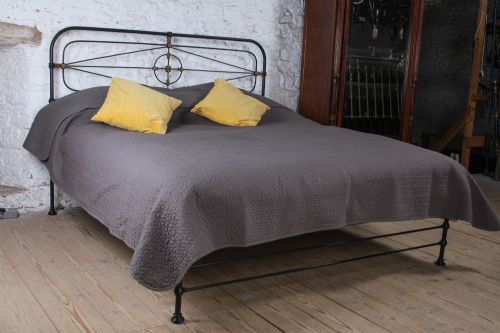
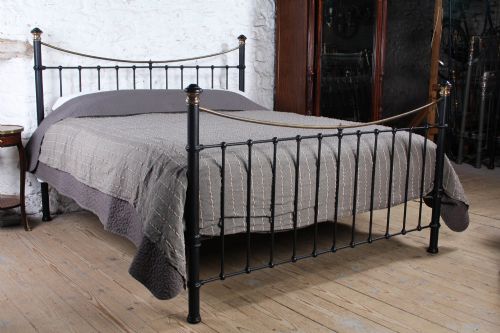
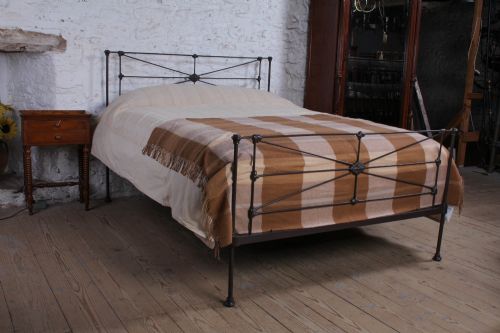
These classic bed frame selections offer sturdy timber, cast iron, and brass construction spanning the Victorian, Edwardian, and Georgian periods.
Classic Bed Frame
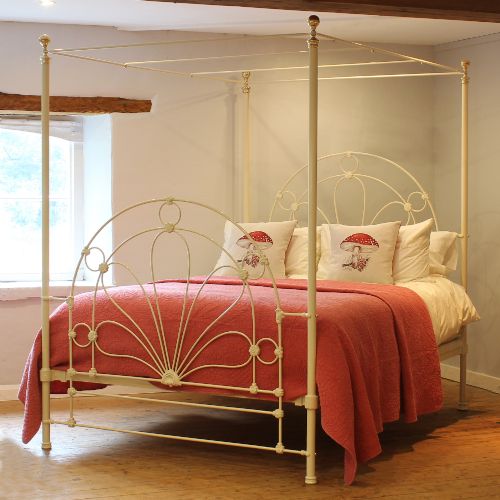
A classic bed frame provides the structural support and visual anchor for a bedroom, encompassing diverse historical forms from single dormitory units to grand four posters. When you search for a classic bed frame, you encounter sturdy pieces shaped from timber, iron, and brass across the nineteenth and early twentieth centuries.
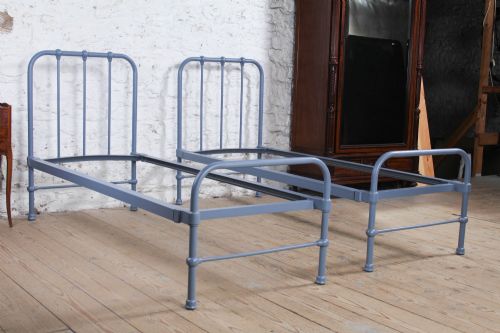
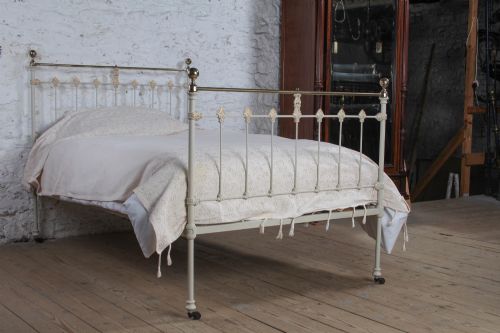
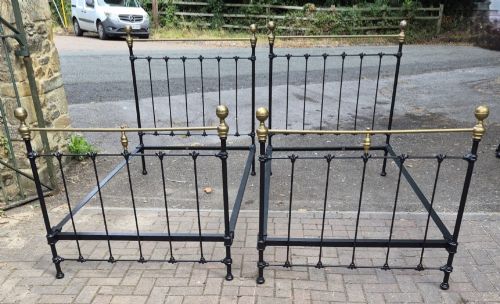
The pieces on this page are predominantly Victorian iron and brass bedsteads, alongside Georgian and nineteenth-century mahogany four posters, Edwardian dip rail designs, and Portuguese or French country styles. Single, double, king, and super king sizes appear frequently, sometimes offered as pairs or joined configurations.
Origin details in the evidence include Irish, Portuguese, French, and Italian examples, alongside English regional pieces. Buyers often find painted metal finishes in cream and green alongside natural wood grains and polished brass accents.
How they were made
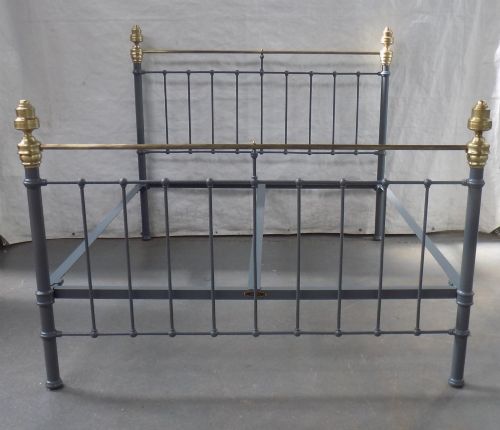
Makers utilised cast iron, wrought iron, and steel to build durable frames, often combining metal tubing with decorative brass spindles and finials. Forge work and casting techniques shaped the iron components, allowing for straight rails, ribbon reeds, and distinctive corner joints.
Timber frames relied on mahogany and walnut, worked into solid posts and panel sections for four poster designs. Painted metal finishes in cream, green, and black added colour protection and decorative appeal to the ironwork.
Classic Bed Frame Retail Price Guide 2026
Typical asking prices for classic bed frame among the pieces listed under this phrase on Sellingantiques today, from the lower quarter to the upper quarter. They describe what is for sale here now, not the wider market.
Listings feature iron, brass, mahogany, walnut, and painted metal across Victorian, Edwardian, and Georgian periods.
What varies in quality
The distinction between standard utility items and finer pieces rests upon the complexity of the metal casting, the presence of maker marks, and the selection of timber. Elaborate brass ornamentation, forged iron detailing, and substantial mahogany posts distinguish superior examples from plain dormitory furnishings.
Original maker marks, such as Winfield stamps or Howard & Sons attribution, separate standard production frames from documented workshop output. The retention of original painted surfaces, specific hardware, and matched pairs also influences the standing of a piece within its period.
Winfield·Howard & Sons
The Classic Bed Frame Glossary
- Four poster bed
- A bed with four vertical columns supporting an upper canopy frame. These pieces often utilise mahogany or walnut and date from the Georgian period onward.
- Bedstead
- A framework of wood or metal supporting a bed, synonymous with bed frame in nineteenth-century terminology. These structures frequently combine iron and brass components.
- Dip rail
- A horizontal rail shaped with a central downward curve, commonly seen on Edwardian headboards. This shaping softens the upper profile of metal frames.
- Ribbon reed
- A decorative linear moulding resembling a ribbon or reed bundle, applied to iron or brass bed frames. This detail enhances the visual texture of Victorian metalwork.
- No end bed
- A bed frame configured without a high footboard, providing an open profile. These pieces are often styled as straight rail designs suitable for smaller rooms.
Classic Bed Frame: Frequently Asked Questions
How do I choose the right size?
Review the listed dimensions, noting whether the piece is a single, double, king, or super king size.
Consider the bedroom proportions and whether you need a standard width or an extra wide format.
Are these beds easy to assemble?
Many nineteenth-century metal frames utilise standard iron side rails and wedge joints that slot together.
Verify the joint mechanism and ensure all original side rails and bolts accompany the frame.
Can modern mattresses fit these frames?
Historical dimensions vary from modern standard mattress sizes, particularly on nineteenth-century single and three-quarter beds.
Check the internal length and width measurements of the frame against your intended mattress size before purchase.
How do I care for brass and iron?
Dust metal surfaces regularly with a dry cloth and avoid harsh chemical cleaners that strip original finishes.
Preserve painted metal and polished brass by keeping the frame in a stable, dry environment.