


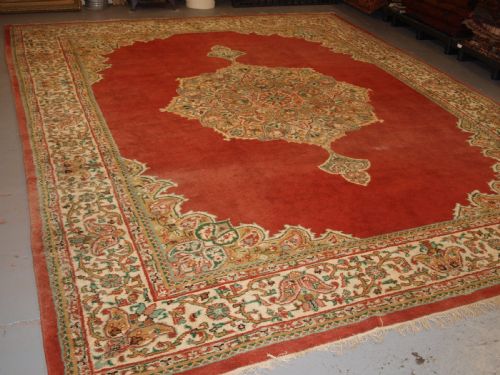
Classic Anatolian Rug
A classic anatolian rug brings deep heritage and intricate tribal geometry straight to the floor, offering centuries of woven artistry for the discerning home.
Classic Anatolian Rug
Pieces frequently stem from notable historical production hubs such as Ushak, Bergama, Sivas, and Ghiordes, each bringing distinct regional character. Surviving examples encompass both low-pile knotted carpets and flat-woven kilim rugs, reflecting the diverse domestic and nomadic weaving traditions of Anatolia.
How they were made
Construction relies upon traditional textile materials, predominantly utilising wool for the pile and foundation, alongside cotton foundations in specific regional workshops. Weavers knotted or wove these natural fibres by hand on vertical looms, applying natural dyes to achieve deep colour saturation.
Techniques range from standard pile knotting found in heavy carpets to flat-weaving methods utilised in kilims and prayer rugs. The integration of wool and cotton threads ensures durable structures that withstand generations of use while retaining their structural integrity.
Classic Anatolian Rug Retail Price Guide 2026
Typical asking prices for classic anatolian rug among the pieces listed under this phrase on Sellingantiques today, from the lower quarter to the upper quarter. They describe what is for sale here now, not the wider market.
Nomadic weavers sometimes inserted deliberate minor pattern flaws into their carpets, believing only the Divine could create perfection.
What varies in quality
Quality separates through the density of the weave and the precision with which the classical medallion or tribal design is executed across the textile. Finer weaves demand greater technical skill from the weaver, resulting in sharper pattern definition and intricate detail.
The depth and vibrancy of the wool and dye materials also determine the upper tiers of the range, where harmonious colour palettes remain vivid over time. Preserved structural condition and balanced proportions elevate certain specimens above standard utilitarian examples.
The Classic Anatolian Rug Glossary
- Kilim
- A flat-woven carpet or rug produced without a pile, traditionally utilised across Anatolia for floor coverings and wall hangings. These textiles rely on tightly packed horizontal weft threads pulled closely over vertical warp threads to form geometric patterns.
- Prayer rug
- A small textile featuring a specific architectural niche design, known as a mihrab, oriented toward Mecca during daily prayers. These rugs often display concentrated symbolism and deliberate devotional iconography within the central field.
- Medallion
- A central ornamental motif dominating the field of a rug or carpet, frequently circular, oval, or polygonal in shape. In classical anatolian pieces, this focal design anchors the surrounding floral or geometric borders.
- Warp
- The stationary vertical threads stretched across a loom that form the foundational skeleton of a woven rug. The pile knots or weft threads are tied around these tensioned foundation strands.
- Weft
- The horizontal threads passed alternately over and under the warp threads to bind the knots and secure the structure of the rug. In flat-weaves, the weft entirely creates the visible pattern.
Classic Anatolian Rug: Frequently Asked Questions
How do I identify a prayer rug?
A prayer rug is readily distinguished by the arch or mihrab design woven into one end of the field, symbolising the direction of prayer. This architectural motif directs the viewer's eye toward the upper portion of the textile.
Such rugs were traditionally kept clean for ritual use, often resulting in distinct wear patterns concentrated around the lower threshold where the user knelt.
What is the difference between a kilim and a carpet?
Carpets feature a dense pile created by individual knots tied to the foundation, offering a plush surface underfoot. Kilims are entirely flat-woven without any pile, created by interlacing warp and weft threads.
This structural distinction gives kilims a lighter weight and a smoother texture compared to heavier, pile-woven carpets from the same region.
How should I care for an old wool rug?
Regular gentle vacuuming without a rotating brush roll helps remove embedded dust and grit from the wool pile. Professional cleaning suited for antique textiles should be employed periodically to preserve the natural fibres.
Keeping the rug out of direct, harsh sunlight prevents the natural dyes from fading prematurely over the years.
How do I date a Turkish rug?
Dating relies upon examining the specific regional style, dye characteristics, and structural materials such as wool or cotton foundations. Nineteenth-century examples often display vegetable dyes and organic colour shifts known as abrash.
Comparing the border motifs, knot density, and overall weave structure against known historical benchmarks helps narrow the period of manufacture.