

Circular Wood Table
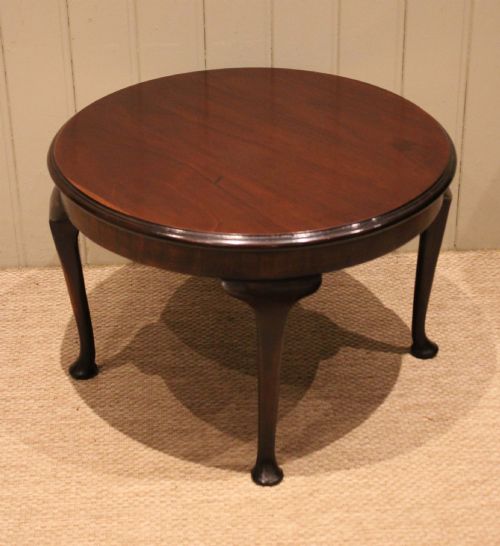
A circular wood table brings organic warmth and social focus to a room, ranging from compact wine stands to grand pedestal dining pieces.
Circular Wood Table
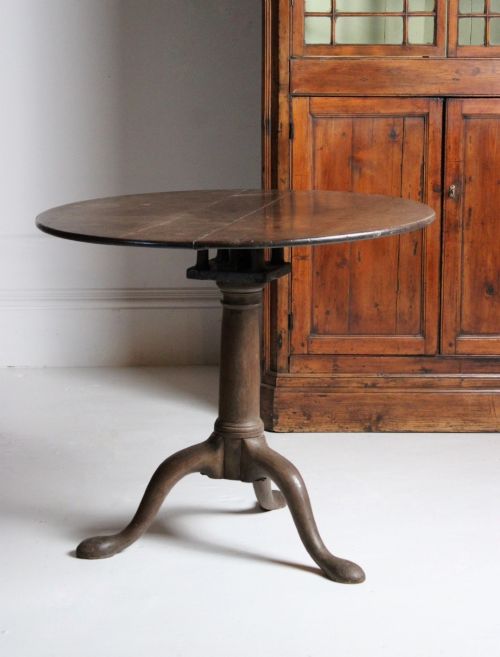
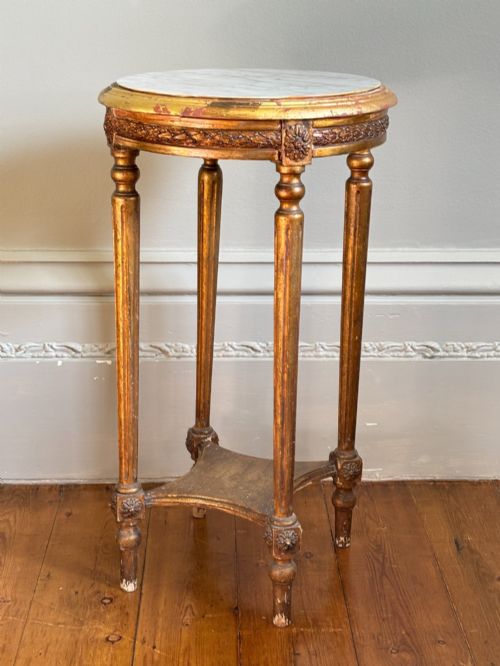
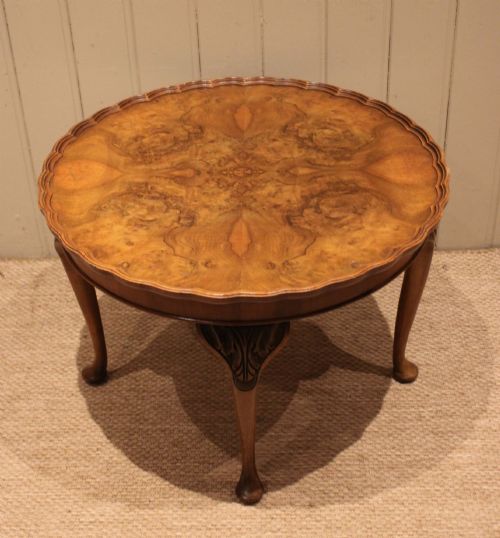
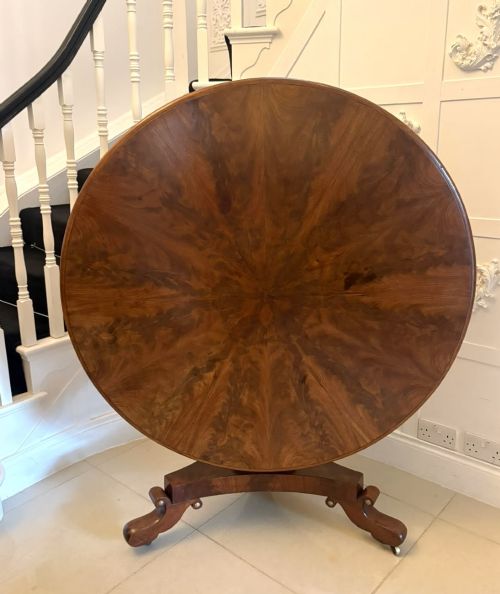
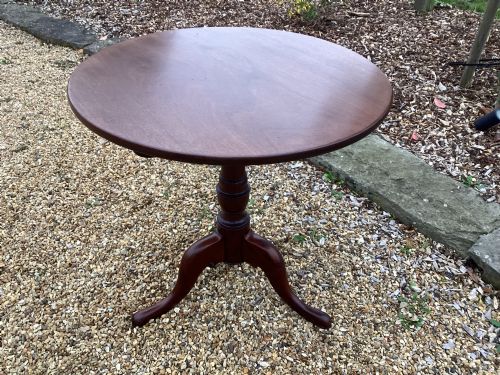
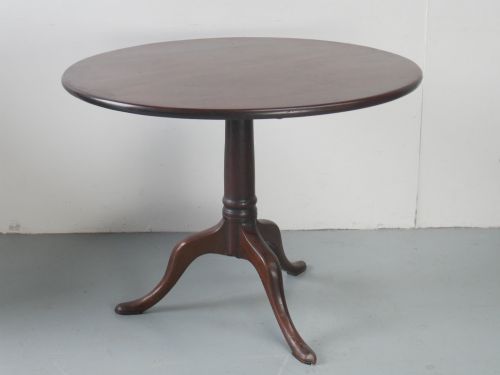
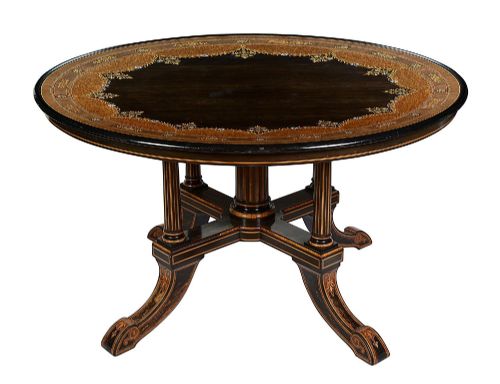
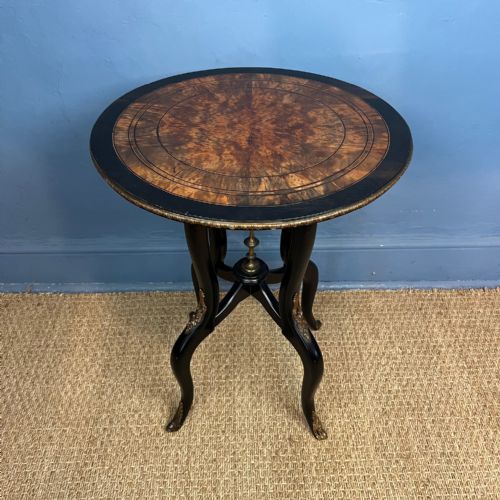
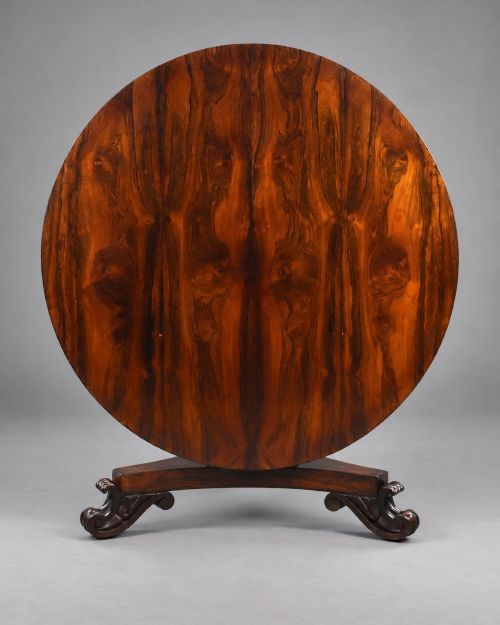
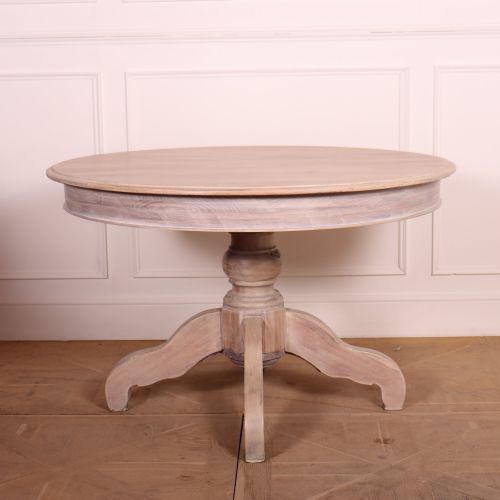
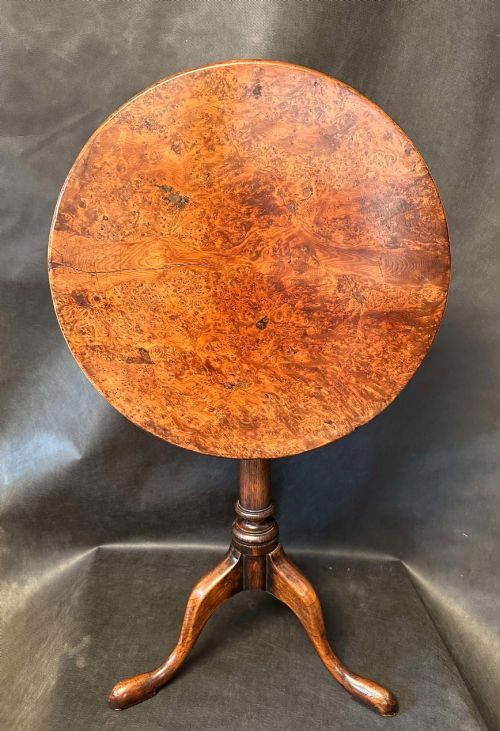
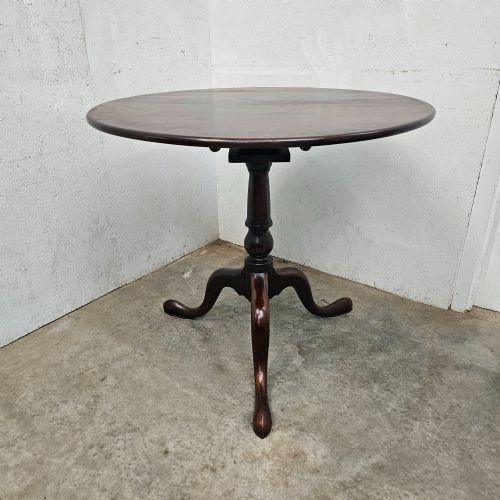
A circular wood table serves multiple functions across domestic spaces, appearing as small wine tables, occasional stands, tripod lamp tables, and large breakfast or centre dining pieces. When searching for a circular wood table, buyers encounter a diverse mix of forms originating from the Georgian, Regency, Victorian, and Edwardian periods.
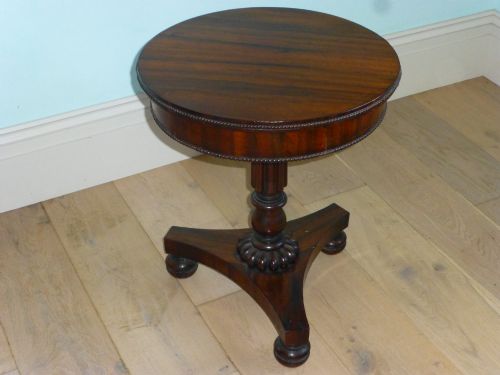
The selections span standard occasional surfaces to specific regional variants, including Anglo-Indian padouk pieces, French wine tasting tables, and Scandinavian burr birch designs. Mahogany, rosewood, oak, and walnut dominate the construction, often shaped into tilt-top mechanisms or supported by central pedestals and tripod legs.
How they were made
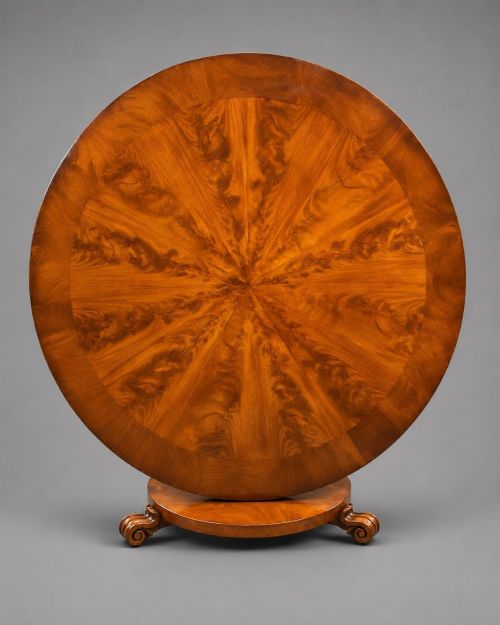
Cabinet makers constructed these surfaces using dense hardwoods such as mahogany, rosewood, and oak, frequently applying decorative veneers like burr wood, satin birch, and birds eye maple to the tops. Solid timber formed the turned columns and structural framing, while specialised joinery allowed for tilt-top mechanisms and stable tripod bases.
Surface ornamentation involved traditional techniques including brass inlay, carved detailing, Dutch marquetry, and careful French polishing to highlight the natural grain figures of the timber. Regional workshops utilised native woods alongside imported tropical hardwoods to achieve durable joints and smooth turning on lathe-spun pedestals.
Circular Wood Table Retail Price Guide 2026
Typical asking prices for circular wood table among the pieces listed under this phrase on Sellingantiques today, from the lower quarter to the upper quarter. They describe what is for sale here now, not the wider market.
Listings feature woods spanning mahogany, rosewood, oak, walnut, burr wood, brass, glass, and exotic padouk.
What varies in quality
The distinction between standard examples and exceptional pieces lies in the choice of timber figure, such as finely figured satin birch or richly marked burr root maple. Superior craftsmanship shows in the seamless operation of tilt-top mechanisms, stable tripod alignment, and precise execution of brass inlay or carved oak details.
Proportion and the handling of secondary timbers also dictate standard, where master workshops ensured balanced weight distribution across triform bases and pedestal supports. The crispness of hand-carved elements and the preservation of original polished surfaces elevate the standing of a piece.
Gillow
The Circular Wood Table Glossary
- Tilt-top
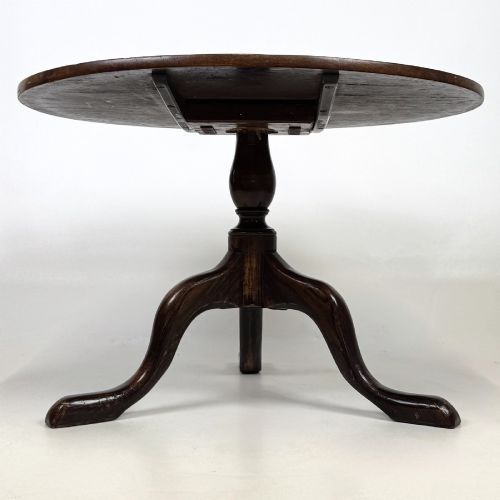
- A table mechanism allowing the surface to pivot to a vertical position when not in use. This clever design saved floor space in smaller period parlours.
- Tripod base
- A support structure featuring three legs radiating from a central pillar. It provides steady contact on uneven historical floorboards.
- Centre table
- A freestanding piece designed to be viewed from all angles in the middle of a room rather than pushed against a wall. These often served breakfast or display functions.
- Marquetry
- Decorative veneer work created by fitting together small pieces of different coloured wood to form pictorial or geometric patterns. Skilled artisans used this technique to ornament table tops.
- Triform base
- A three-sided pedestal platform providing sturdy foundation support for heavy dining and breakfast tables. It is frequently seen on William IV and Regency examples.
Circular Wood Table: Frequently Asked Questions
What is a tilt top table used for?
A tilt top table functioned as a flexible surface that could be flipped vertically and stored against a wall when floor space was needed for other activities.
In period homes, these pieces moved easily from corners to the centre of a room for tea, reading, or lamp placement.
How do I style a circular wood table?
A circular wood table anchors a room by breaking up straight architectural lines and encouraging conversation around a central point.
Pair a small wine table beside an armchair or place a larger pedestal centre table beneath a hanging pendant light.
What wood types are most common?
Mahogany, rosewood, and oak appear most frequently across these listings, spanning rich dark tones to lighter Edwardian surfaces.
Decorative accents often utilise burr wood, satin birch, walnut, and padouk veneers to add visual texture to the top.
How do I identify a Georgian table?
Georgian examples often feature solid mahogany construction, simple tripod legs, and classical proportions dating through the eighteenth century.
Many incorporate tilt-top mechanisms designed with birdcage or block catches beneath the circular surface.