



Circa 1935 Diamond Ring
These distinct jewels marry geometric rigour with organic gemstones, offering a timeless elegance that collectors seek in a genuine circa 1935 diamond ring.
Circa 1935 Diamond Ring
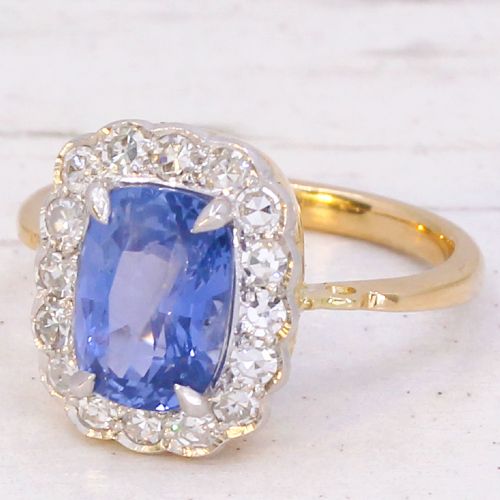
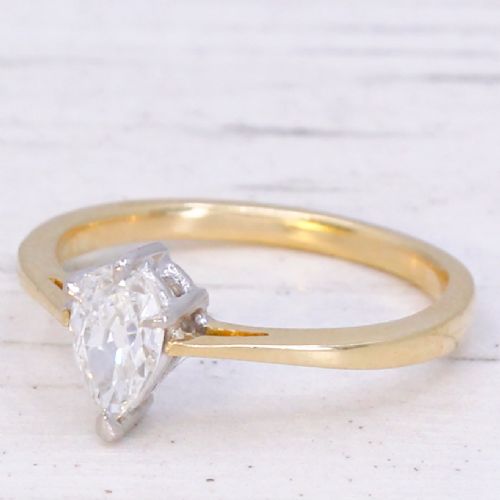
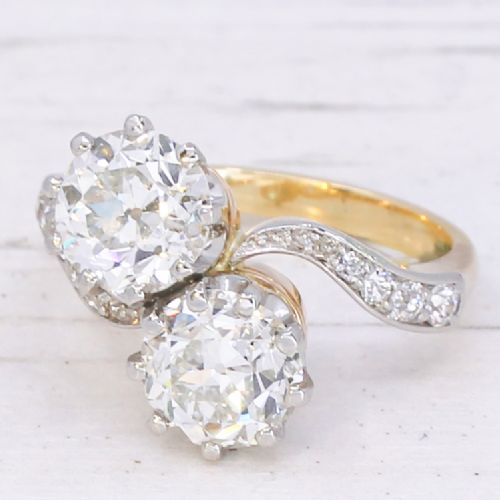
A circa 1935 diamond ring represents the height of the Art Deco aesthetic, combining clean architectural lines with sparkling old-cut diamonds. Collectors hunting for a circa 1935 diamond ring will frequently encounter engagement rings, dress rings, and striking multi-stone clusters.
Origins trace primarily to the 1930 period, showcasing the definitive craftsmanship of the era. Buyers discover these jewels executed in platinum alongside yellow, white, and rose golds.
How they were made
Master jewellers of the period utilised platinum extensively for its strength, allowing for delicate prong settings and intricate milgrain detailing without sacrificing durability. Yellow gold and white gold also served as primary structural metals, particularly in cluster and eternity formats.
Stones were predominantly cut by hand, resulting in old European cuts, old pear cuts, and old oval cuts that exhibit broad facets and deep culets. These historic cutting techniques give each diamond a distinctive soft scintillation under candlelight.
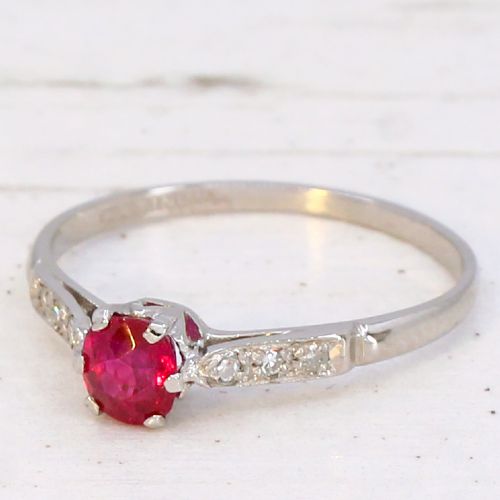
Current selections span platinum, yellow gold, and white gold, featuring centre stones flanked by rubies, sapphires, and emeralds.
What varies in quality
Quality rests upon the proportion and brilliance of the central diamond, alongside the natural origin and saturation of accompanying coloured gemstones such as Burmese rubies or Ceylon sapphires. Superior examples display exceptional matching in side stones and unheated gemstone varieties.
The finesse of the metalwork defines the upper tier, where hand-pierced gallery work and precise channel settings elevate standard geometric designs into miniature architectural sculptures.
The Circa 1935 Diamond Ring Glossary
- Art Deco
- A design style characterised by sleek geometric shapes, stylised floral motifs, and bold lines. It dominated decorative arts and jewellery design through the interwar period.
- Old European Cut
- A historic round diamond cut featuring a small table, high crown, and large facets. This hand-polished style precedes modern brilliant cuts.
- Milgrain
- A decorative border of tiny raised metal beads edging the platinum or gold settings. It provides a soft, refined finish to sharp geometric mountings.
- Toi et Moi
- A ring style featuring two main stones positioned side by side, symbolising two souls entwined. French for you and me.
- Trilogy Ring
- A three-stone ring representing the past, present, and future of a relationship. These typically graduate in size or feature a dominant central diamond.
Circa 1935 Diamond Ring: Frequently Asked Questions
How do I wear an antique ring safely?
These historical pieces benefit from regular professional checks to ensure the claws holding the old-cut diamonds remain secure and tight.
Remove your jewellery during heavy manual tasks to protect the delicate platinum or gold settings from undue stress and potential impact.
Are these rings suitable for daily wear?
Sturdy platinum and gold mountings allow for everyday enjoyment, provided the wearer exercises reasonable care with antique gems.
Softer coloured gemstones like emeralds require more mindfulness than harder diamonds when worn continuously on the hand.
What defines the Art Deco style?
Bold symmetry, architectural influences, and sharp geometric patterns define this influential period of design.
Jewellery from this time favoured high-contrast pairings, placing bright diamonds alongside rich sapphires, rubies, or emeralds.
How are old-cut diamonds different?
Historic hand-cut stones feature smaller tables and deeper pavilions than modern brilliant cuts, producing a warm and distinctive glow.
Their unique facet patterns reflect ambient light in a softer manner rather than producing the intense white flash of contemporary stones.