
Church Seat Bench
A church seat bench brings ecclesiastical architecture and solid joinery straight into a hallway, dining space or garden.
Church Seat Bench
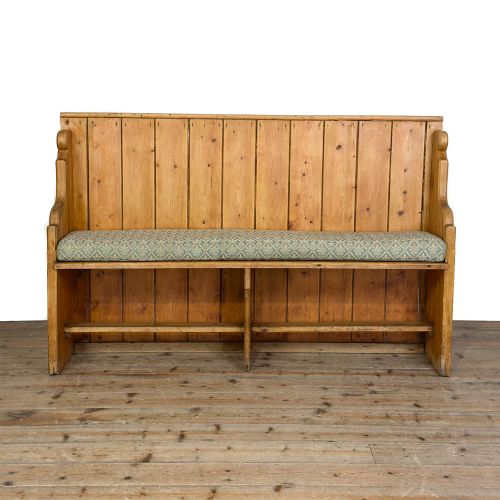
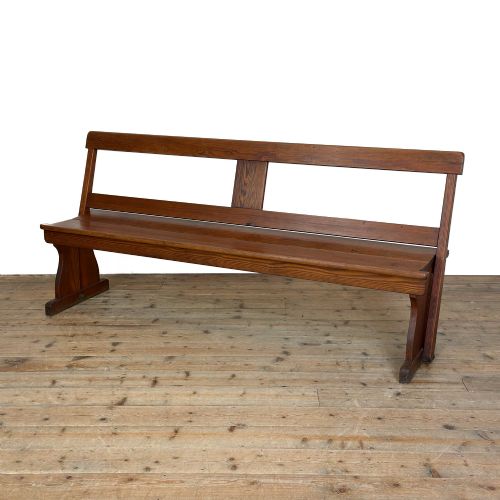
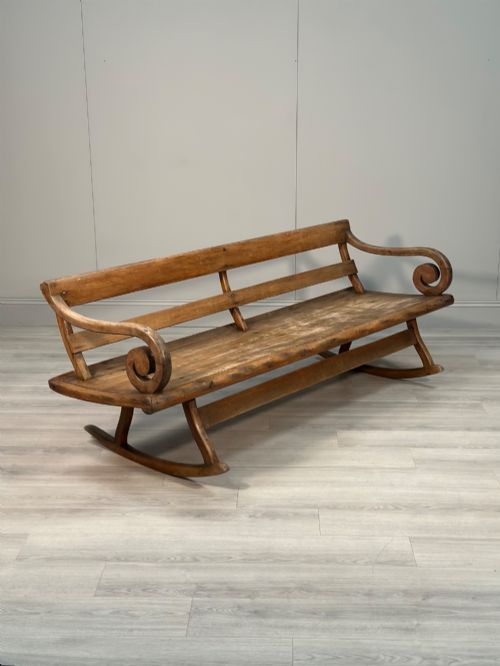
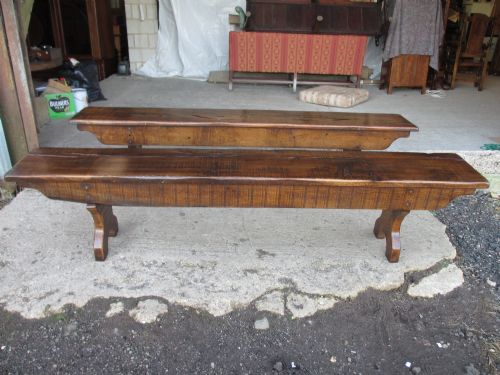
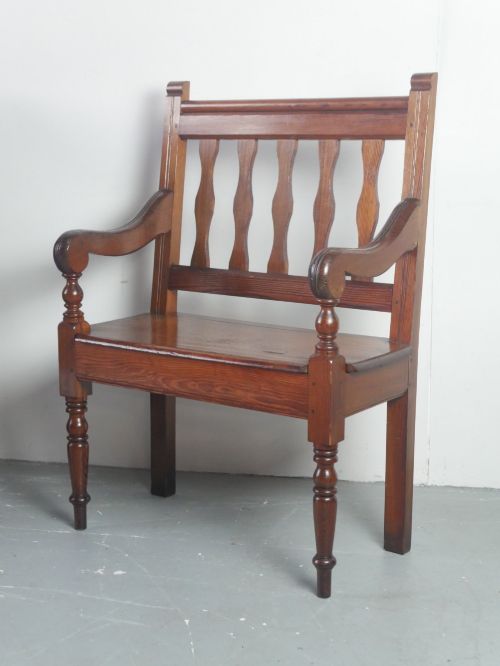
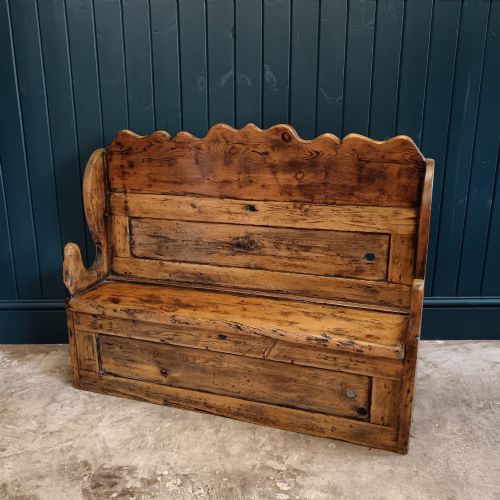
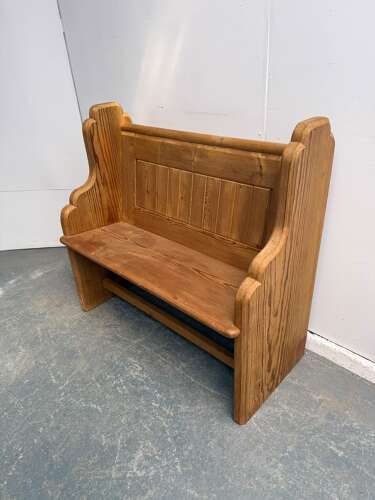
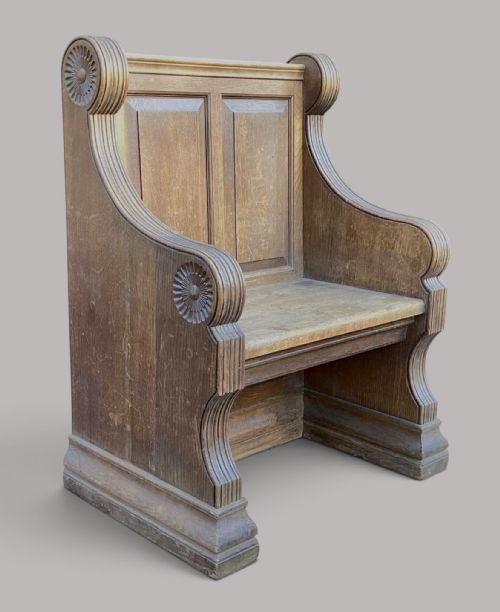
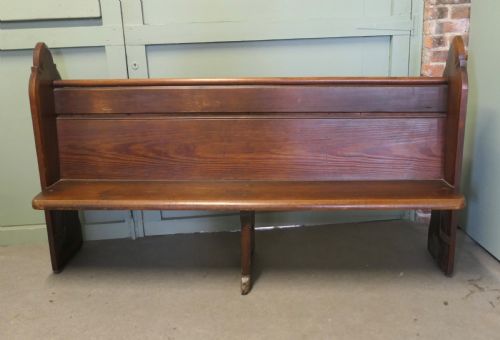
A church seat bench encompasses solid wood church pews, chapel benches, and architectural settle forms designed for communal seating in ecclesiastical and domestic settings. When you search for a church seat bench, you encounter sturdy seating fashioned largely from pine, pitch pine, and oak across the nineteenth and early twentieth centuries.
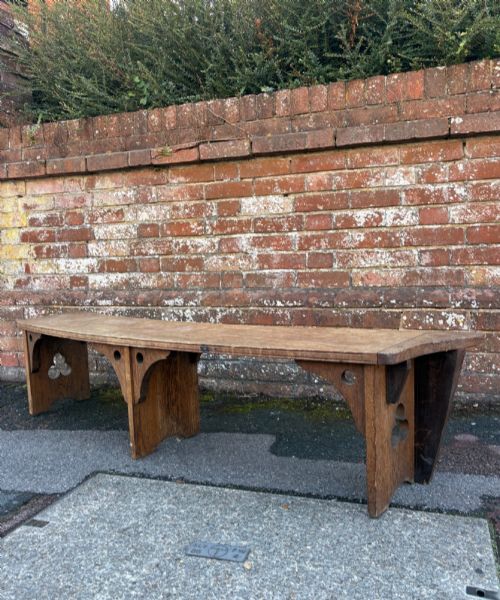
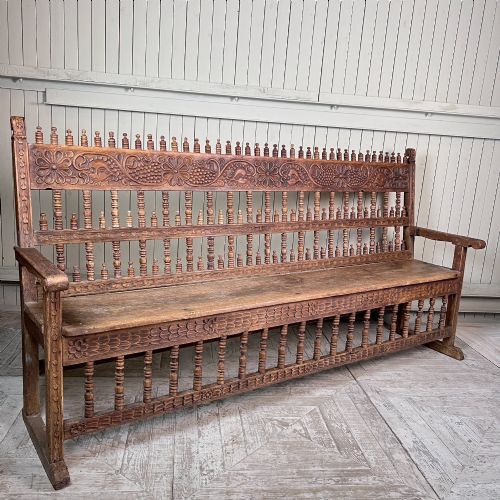
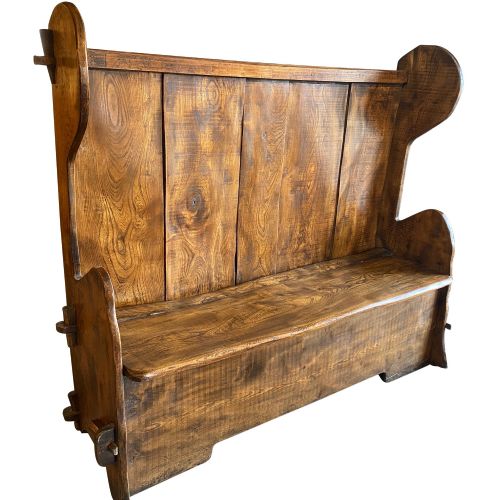
The selection ranges from simple nineteenth-century pine chapel pews and pitch pine church pews to more decorative Victorian Gothic and Arts and Crafts oak designs. Pieces vary from straight wall pews to curved Gothic styles with trefoil carved supports, flip-over chapel variants, and enclosed box settles with storage.
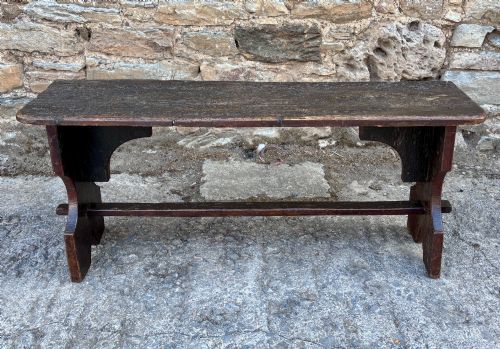
Many examples derive from Victorian and Edwardian periods, though rustic country house pieces and occasional eighteenth-century Spanish colonial or elm variants also appear. Forms span functional hall seats, tavern benches, and long trestle seating suited to extended communal use.
How they were made
Makers utilised solid timbers such as pine, oak, pitch pine, elm, chestnut, and hardwood, working substantial planks into heavy structural frames. Joinery relied on sturdy panels, shaped trestle ends, and architectural supports rather than veneers, ensuring the seating could endure heavy daily use in chapels, halls, and taverns.
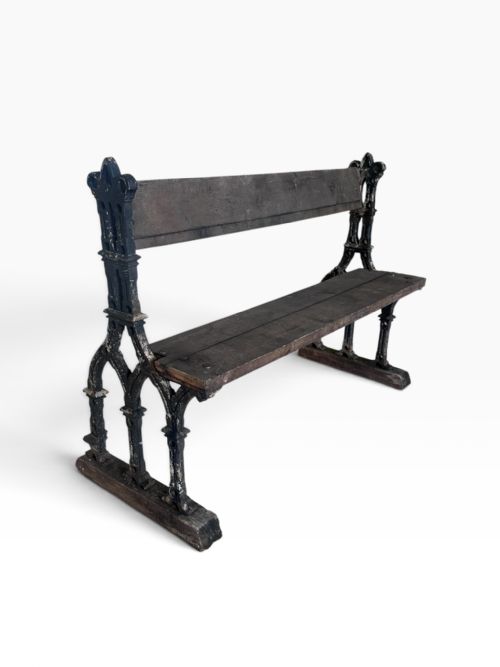
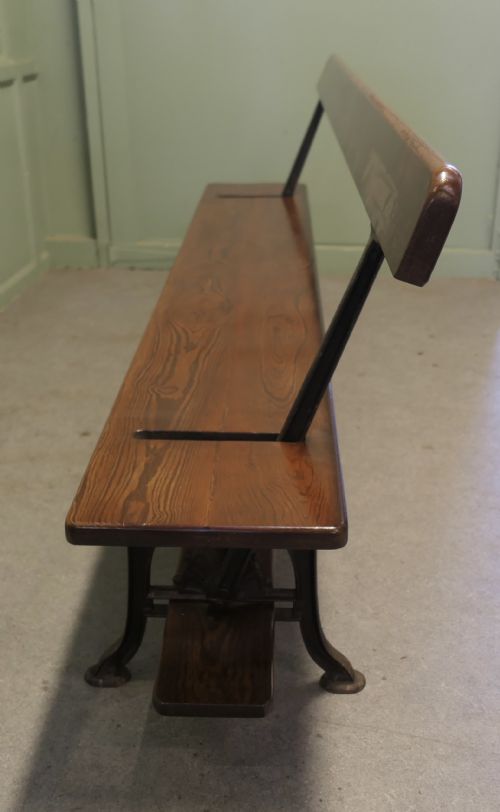
Surface treatments range from wax finishes that highlight the natural honey brown patina of English pine to original blue paintwork on Hungarian examples. Decorative elements include trefoil carved supports, Gothic Revival panelled oak, and cast iron framing seen on Victorian garden and transport benches.
What varies in quality
Quality rests upon the integrity of the timber selection and the ambition of the original architectural design, separating plain utility pews from sophisticated commission work. Solid oak and pitch pine examples with defined proportions or Pugin-style Gothic detailing command greater presence than basic utilitarian variants.
The Church Seat Bench Glossary
- Settle
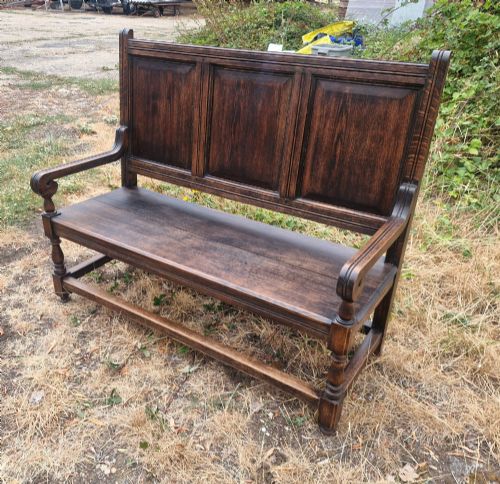
- A wooden bench with a high back, solid arms, and often a storage box beneath the seat. This form protected sitters from drafts in older domestic and tavern interiors.
- Pew
- A long wooden bench utilised for seating congregations in churches and chapels. These pieces are commonly constructed from pine, pitch pine, or solid oak.
- Trefoil
- A three-lobed decorative ornamental shape resembling clover leaves. It frequently appears carved into the wooden supports of Gothic Revival and Arts and Crafts seating.
- Pitch Pine
- A durable resinous pine timber utilised extensively for nineteenth-century church seating and pews. It provides a distinct grain pattern and substantial weight.
- Gothic Revival
- An architectural and design movement reviving medieval Gothic forms during the nineteenth century. This style introduced pointed arches, tracery, and heavy oak construction to benches and pews.
Church Seat Bench: Frequently Asked Questions
How do I clean a pine church bench?
Dust the timber regularly with a dry cloth to prevent dirt accumulation on the surface. Apply a neutral beeswax polish occasionally to nourish the wood and maintain its natural patina.
Avoid harsh chemical cleaners or excess moisture, which can strip historic wax finishes and damage the pine grain.
Are these benches comfortable to sit on?
Most antique church pews and hall benches feature solid wood seats shaped with subtle angles to support an upright posture. They were originally built for functional congregation seating rather than lounging.
Many owners add loose squab cushions or fabric pads to increase comfort when using them daily around a dining table or in a hallway.
Where can I place a church bench?
These benches fit naturally into long hallways, entryways, or boot rooms as practical seating for pulling on shoes. They also serve as alternative dining seating when paired with rustic refectory tables.
Smaller chapel pews and organ benches work well in bedrooms or studies as distinctive accent seating with built-in character.
How do I date an antique pew?
Examine the wood species, tool marks, and construction methods used to assemble the frame. Pitch pine and heavy Victorian Gothic styling typically point to the nineteenth century, while simpler elm and oak settles can date earlier.
Check for signs of wear and tear, original painted finishes, and panel construction that reflect the period of manufacture.