

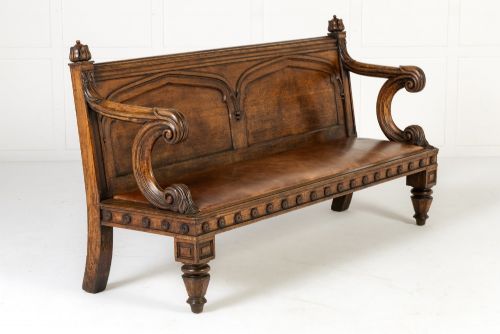
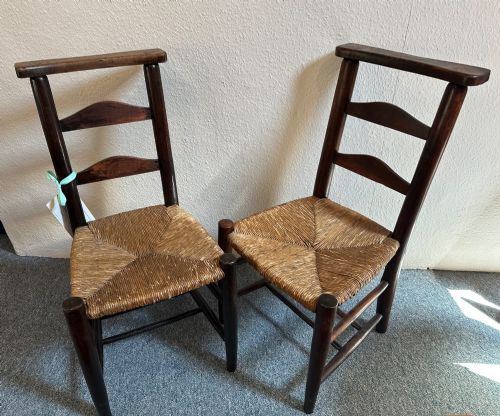
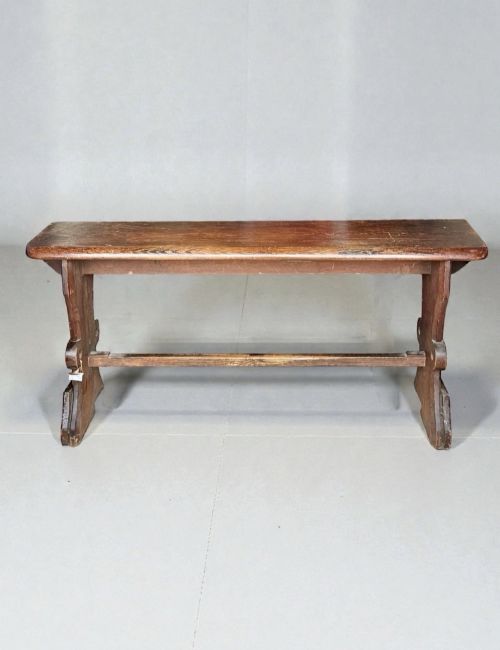

Church Hall Seating
Church hall seating brings utilitarian ecclesiastical presence and robust communal timber forms into domestic spaces.
Church Hall Seating
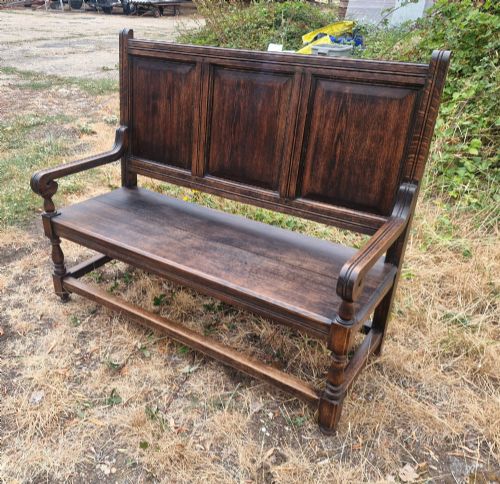
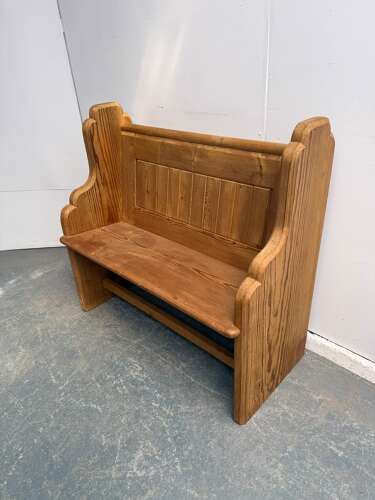
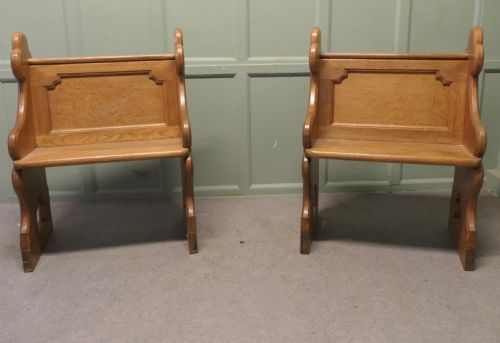
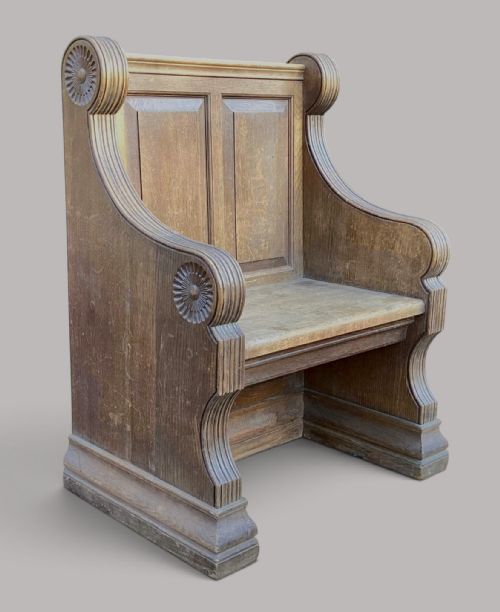
Church hall seating spans robust wooden benches, settles, and chairs designed for communal gathering, ecclesiastical spaces, and large halls. These pieces originate primarily from the nineteenth and early twentieth centuries, encompassing Victorian, Edwardian, and earlier periods.
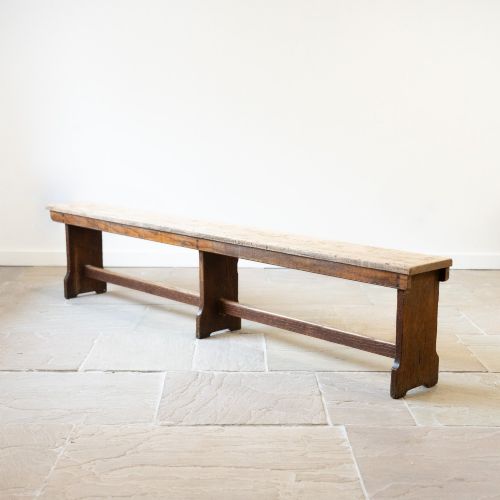
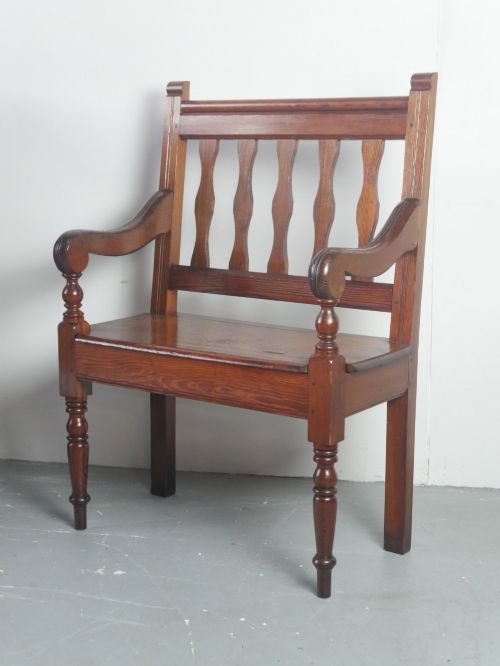
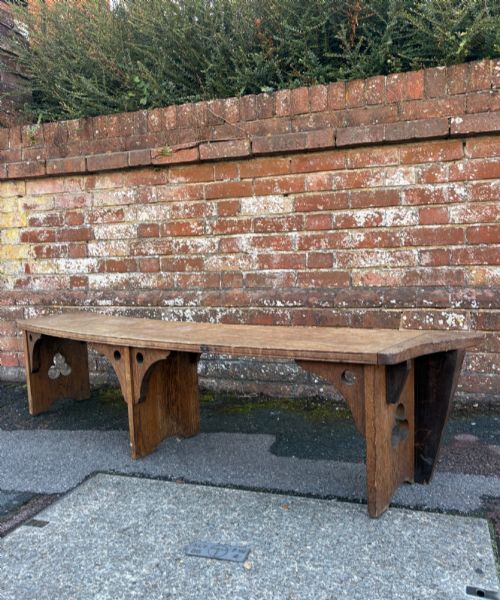
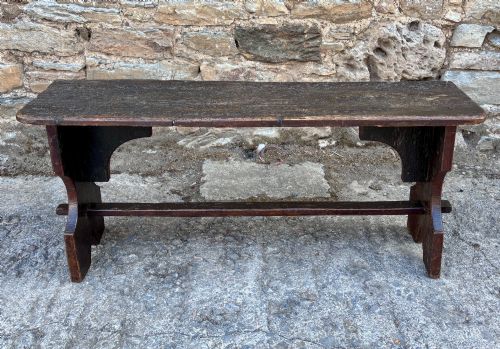
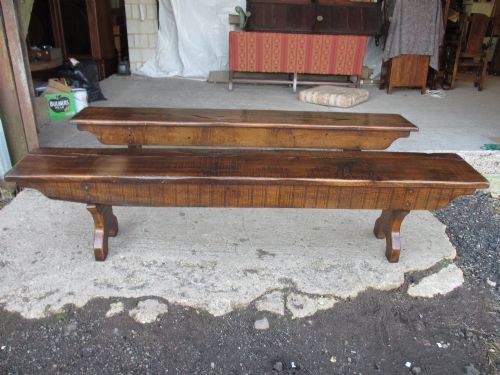
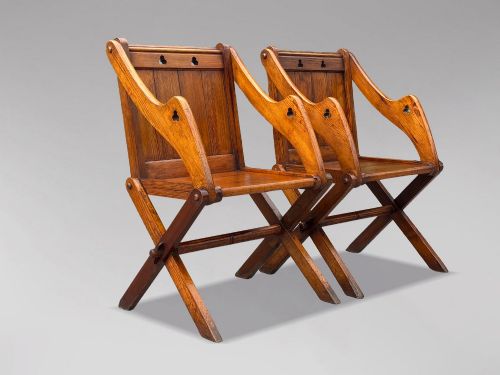
The versions most commonly met on this page are sturdy oak and pine benches, settles, and chapel chairs. Many display architectural forms influenced by Gothic Revival styles, including trefoil carvings and trestle ends.
Makers and builders constructed these items from durable timbers intended to withstand heavy daily use in chapels, institutions, and country houses. They function equally well today as practical hallway furniture or dining seating.
Judging Quality
Quality rests upon the selection of timber and the integrity of the joinery rather than surface ornamentation alone. Dense pitch pine and seasoned oak provide superior structural stability compared to softer, more reactive woods.
Proportion and architectural ambition separate standard utility pieces from exceptional examples. Items featuring deliberate Gothic Revival details, integrated provenance marks, or balanced proportions demonstrate higher craftsmanship by the original makers.
Church Hall Seating Retail Price Guide 2026
Typical asking prices for church hall seating among the pieces listed under this phrase on Sellingantiques today, from the lower quarter to the upper quarter. They describe what is for sale here now, not the wider market.
Listings feature oak, pine, and pitch pine spanning the Victorian, Edwardian, and eighteenth-century periods in various bench and settle forms.
The Church Hall Seating Glossary
- Settle
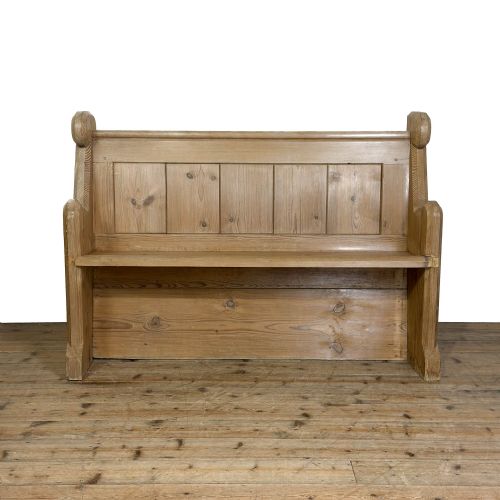
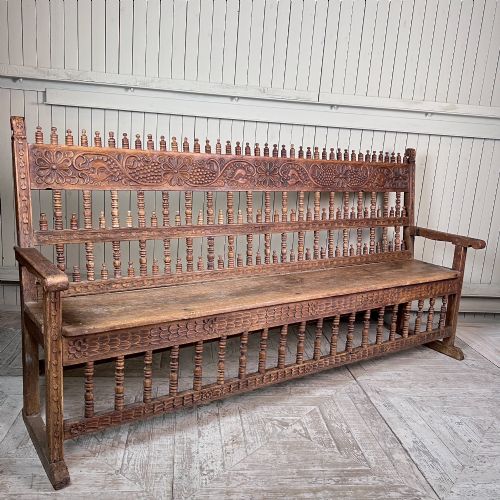
- A wooden bench with a high back, solid arms, and often a storage compartment beneath the seat. This form protected occupants from drafts in large halls.
- Gothic Revival
- An architectural and design movement drawing inspiration from medieval forms. It frequently incorporates pointed arches, trefoils, and heavy vertical lines.
- Pitch pine
- A durable, resinous softwood derived from North American pine species. It was widely used for nineteenth-century institutional and ecclesiastical furniture due to its resilience.
- Trestle ends
- Supporting frameworks fitted to the ends of a bench or table rather than conventional corner legs. They distribute weight evenly across the floor.
- Trefoil
- A graphic ornamentation consisting of three overlapping circles or lobes. It appears frequently in Gothic architectural tracery and furniture carving.
Church Hall Seating: Frequently Asked Questions
What is church hall seating?
Church hall seating comprises benches, settles, pews, and chairs built for communal gatherings in ecclesiastical and institutional buildings. These items are constructed from solid timbers like oak and pine.
They bridge domestic utility with architectural presence, offering robust seating solutions for modern hallways, kitchens, and living spaces.
How do I care for antique pine furniture?
Antique pine and pitch pine benefit from occasional waxing with natural beeswax to nourish the timber and protect the surface. Avoid placing wooden seating near direct heat sources to prevent splitting.
Routine dusting with a dry cloth keeps the finish intact without stripping patinated surfaces accumulated over decades of use.
How can I tell a Victorian pew from an Edwardian bench?
Victorian examples often display heavier proportions, darker finishes, and explicit Gothic Revival detailing such as trefoil piercings or pointed arches. Edwardian pieces can show slightly lighter construction or simpler architectural lines.
Construction techniques and timber characteristics also offer clues, though many utilitarian designs remained consistent across the turn of the twentieth century.
Can church seating be used for daily dining?
Benches and settles provide substantial, space-efficient seating arrangements alongside dining tables or in breakfast rooms. Their solid timber construction ensures they easily handle regular domestic use.
Checking the seat height relative to standard table dimensions ensures comfortable dining posture before placing them in daily rotation.