




Chrome Glass Ceiling Light
A chrome glass ceiling light brings geometric lines and industrial sheen into a room, offering both diffused illumination and period presence.
Chrome Glass Ceiling Light
A chrome glass ceiling light combines reflective metallic framing with glass shades, originating primarily from the nineteen-twenties and nineteen-thirties. You will frequently encounter pendant lights, flush ceiling fixtures, and multi-light pendants bearing distinct Art Deco influences.
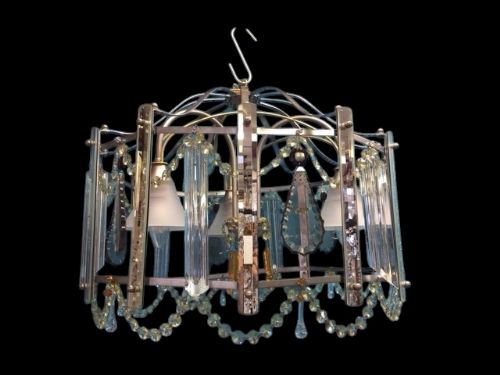
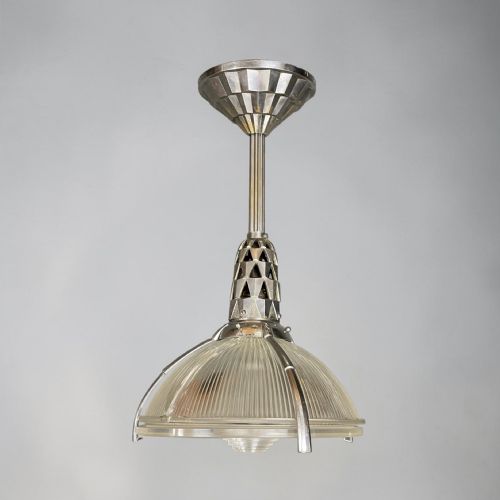
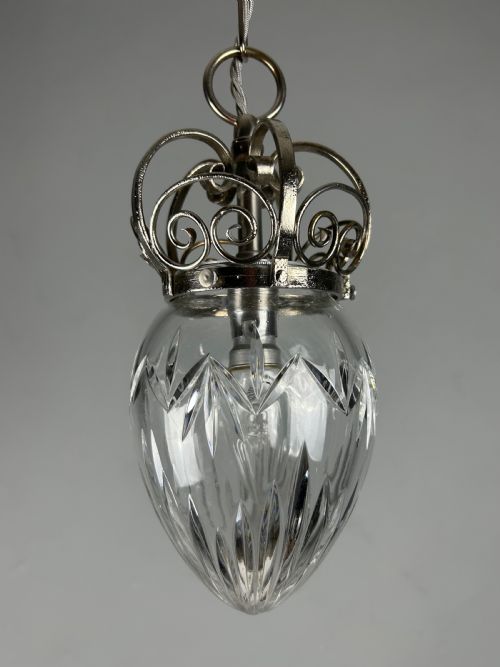
The aesthetic leans heavily toward the clean geometries of the interwar period, alongside French Chateau and industrial interpretations. Pieces range from single-bulb pendants with reeded or opaline shades to more elaborate cut glass bag chandeliers and clam shell suites.
How they were made
Makers utilised electroplated chrome and nickel over metal frames to provide a durable, polished surface that resisted tarnishing. Steel and brass structures also appeared, supporting glass components shaped through pressing, frosting, and cutting.
Glass elements included opaline, pressed satin glass, and cut crystal to manipulate the light output. Galleries and metal mounts secured these delicate shades, often paired with reeded or fish scale surface designs.
Fish scale glass shades managed to bring marine geometry into the interwar home, proving that bathroom aesthetics could easily conquer the hallway.
What varies in quality
Quality rests upon the weight and clarity of the glass, whether moulded, frosted, or heavily cut, and the thickness of the underlying metal chassis. Superior examples display crisp moulding lines in opaline or satin glass and robust plating on the chrome or steel components.
The integrity of matching suites and the sophistication of the hardware, such as cast galleries and specialised shade fitters, elevate certain fixtures above standard production items. Retaining original matched sets of shades determines the cohesion and desirability of a fitting.
Émile-Jacques Ruhlmann
The Chrome Glass Ceiling Light Glossary
- Chrome
- An electroplated metallic finish providing a bright, corrosion-resistant surface. It defines the clean, reflective appearance of interwar lighting fixtures.
- Opaline glass
- A milky, semi-translucent glass that diffuses light evenly across a room. It frequently appears in spherical and patterned pendant shades.
- Pressed satin glass
- Glass shaped in a metal mould with an acid-etched or matte surface texture. This technique softens light output while highlighting geometric relief patterns.
- Gallery
- The metal collar or ring that grips a glass shade and connects it to the suspension rod or chain. It forms a structural and decorative anchor for the fixture.
- Bag chandelier
- A light fixture featuring a flattened backing and a cascading mass of cut glass crystals enclosed in a metal frame. It creates a sparkling, vertical silhouette against the ceiling.
Chrome Glass Ceiling Light: Frequently Asked Questions
How do I date a chrome glass ceiling light?
Examine the construction methods, wiring channels, and stylistic cues such as stepped geometric motifs. Most authentic examples date from the nineteen-twenties and nineteen-thirties.
Hardware details like heavy cast brass galleries or specific plating types help separate interwar production from later reproductions.
Are these lights suitable for low ceilings?
Flush-mounted ceiling lights and close-fitting shallow bowls work well in rooms with restricted vertical clearance. They provide ample illumination without hanging low into the living space.
Pendant versions with adjustable suspension chains or rods offer more flexibility for higher ceilings.
How do I clean opaline and frosted glass shades?
Remove the glass from the metal gallery and wash it gently in warm, soapy water using a soft cloth. Avoid harsh abrasives that can damage frosted or satin finishes.
Dry the glass thoroughly before reassembling it into the chrome frame.
Can these vintage lights use modern bulbs?
Most vintage fixtures accept standard modern LED or incandescent bulbs provided the lamp holders comply with current electrical standards. Many pieces are rewired to meet modern safety requirements.
Consult a qualified electrician to ensure compatibility with dimmer switches and local wiring codes.