


Christian Portrait Oil Painting
A christian portrait oil painting brings centuries of devotional devotion and portraiture into a room.
Christian Portrait Oil Painting
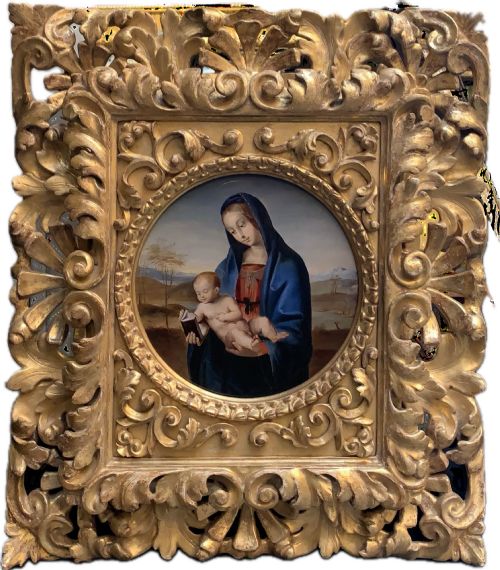
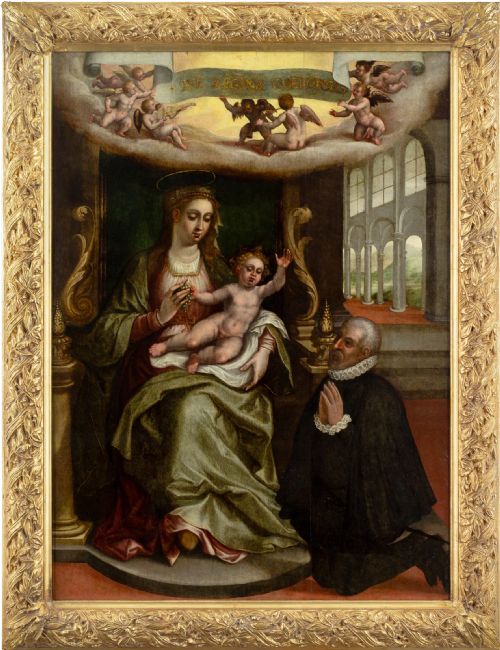
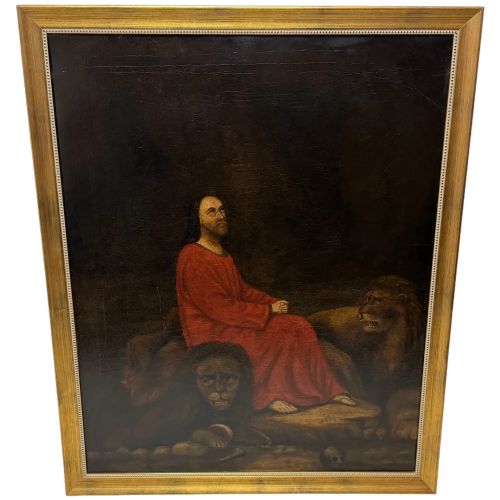
A christian portrait oil painting spans periods from the sixteenth century through the nineteenth century, encompassing Italian Baroque, Renaissance Revival, and Spanish Colonial styles. These works depict biblical figures, saints, and historical personages rendered in oils.
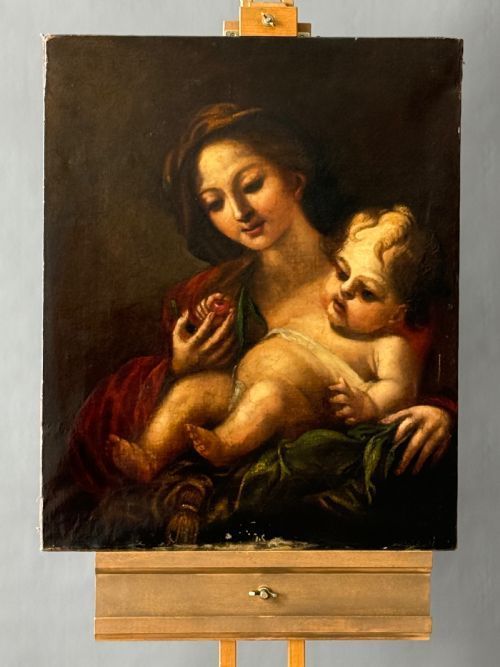
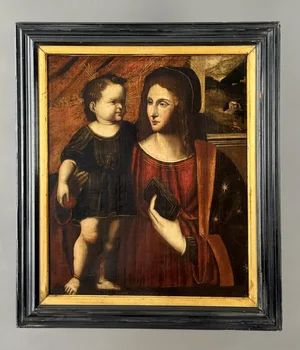
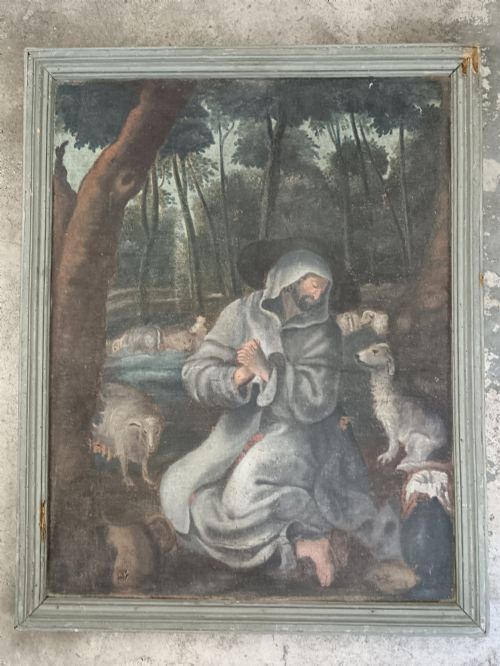
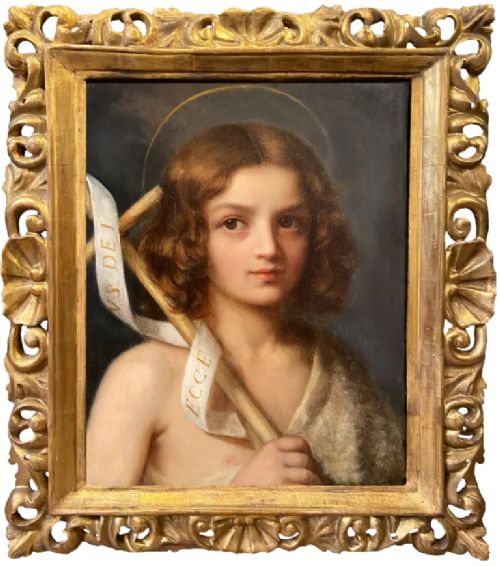
Buyers frequently encounter interpretations after master works like Raphael and Murillo alongside regional European school paintings. Subjects range from the Madonna and Child to depictions of Saint Francis and Saint John the Baptist.
Formats vary from intimate small canvases to large compositional narratives executed on wood panels and stretched canvas. Many pieces reflect devotional traditions across Italy, Spain, and Central Europe.
Materials and Techniques
Giltwood and gold leaf frequently frame these works, adding reflective warmth to religious subjects. Canvases often display historical relining and structural conservation appropriate to their age.
Listings feature oil on canvas and wood panels spanning the sixteenth to nineteenth centuries.
Evaluating Quality
Quality rests in the handling of light and anatomical proportion, distinguishing accomplished studio output from more formulaic interpretations. The subtlety of expression in devotional faces dictates artistic merit.
Preservation of the original paint layer and the integrity of the canvas weave define the structural standard. Surviving period frames in giltwood enhance the overall cohesion of the piece.
Bernardino Luini·Miguel Barroso·Francesco Solimena·Scipione Pulzone·Christian Lindner·Frederick Christian Lund·Christian Eckardt·Hans Christian Jensen·Christian Aigens·August Schiott·Anders Christian Lunde·Christian Caillard
The Christian Portrait Oil Painting Glossary
- Pentimento
- An alteration in a painting evidenced by previous strokes visible through the top layers of paint. This phenomenon often confirms the artist adjusted composition during creation.
- Old Master
- A European painter of skill working before the nineteenth century. These practitioners established foundational idioms in portraiture and narrative art.
- Giltwood
- Wood carved and covered with thin gold leaf or gilt powder. This material frequently defines the ornate frames accompanying devotional art.
- Baroque
- An artistic style characterised by dramatic movement and clear tension in interpretation. Works from this period utilise high contrast between light and dark.
Christian Portrait Oil Painting: Frequently Asked Questions
How do I identify a 16th-century painting?
Sixteenth-century works often exhibit characteristic craquelure in the oil medium alongside Renaissance compositional conventions. Canvas supports and preparation grounds also offer clues to age.
Expert examination of pigment composition and panel construction helps confirm historical periods.
What is an after-master painting?
An after-master painting is a later study or reproduction of a famous composition by an established artist. These works served educational purposes or satisfied demand for popular imagery.
Many high-quality examples date from subsequent centuries and display considerable technical skill.
Where should I hang religious portraits?
These works suit spaces away from direct sunlight and fluctuating humidity to protect the oil paint and canvas. Stable interior walls preserve the structural integrity of the piece.
Matching the scale of the painting to the room ensures proper visual balance.
What does a pentimento show?
A pentimento reveals changes made by the artist during the painting process as underlying layers become visible over time. This occurrence authenticates hand-painted execution.
Observers spot these revisions under specific lighting conditions or close inspection.