


Chippendale Walnut Table
A chippendale walnut table brings rich timber grain and classic Georgian proportion to any room.
Chippendale Walnut Table
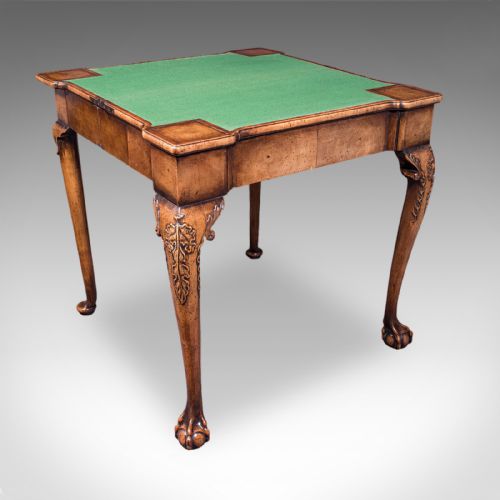
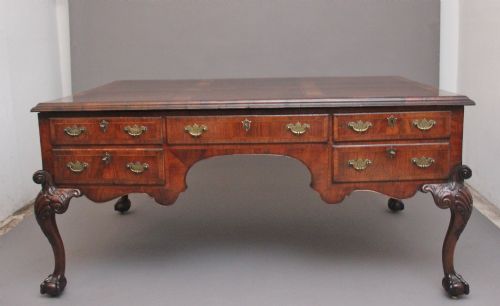
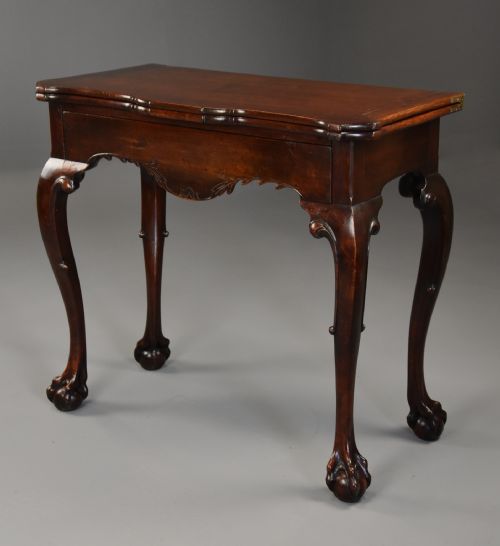
When you search for a chippendale walnut table, you encounter a variety of forms ranging from card tables and tea tables to side tables, desks, and occasional tables. These pieces span genuine Georgian periods as well as later revival eras including the nineteenth century and the early twentieth century.
You are most likely to meet fold-over card tables, games tables, and coffee tables on this page, alongside writing desks and lowboys. The origins trace across English, Irish American, and later London cabinet maker workshops.
What varies in quality
Quality rests in the selection of the timber grain, distinguishing plain walnut from highly figured or burr walnut surfaces with deep patination. The crispness of carved details, such as pie crust edges or applied inlay work, separates standard production from superior craftsmanship.
Structural integrity of mechanisms, including fold-over hinges, tilt-top actions, and extending dining frames, marks the distinction between everyday items and pieces of high cabinet making provenance.
Materials recorded on this page include solid walnut, burr walnut, figured walnut, oak, brass, leather, and baize.
Druce and Co·Edwards and Roberts
The Chippendale Walnut Table Glossary
- Burr walnut
- A veneer taken from the knotted growth of a walnut tree, prized for its swirling, highly figured grain patterns. It frequently appears on top surfaces of tables and desks.
- Lowboy
- A small oak or walnut table with one or more drawers, standing on relatively tall legs. Eighteenth-century examples often function as dressing tables or compact writing desks.
- Pie crust
- A raised, carved decorative border shaped in curves and lobes resembling a pastry crust. This technique is commonly found on the circular tops of tilt-top occasional tables.
- Partners desk
- A large desk designed with drawers and cupboards on both sides so two people can work facing each other. These usually date from the nineteenth century.
- Fold over table
- A table featuring a hinged top that doubles the surface area when opened out. They are frequently built as card tables or tea tables with baize-lined interiors.
Chippendale Walnut Table: Frequently Asked Questions
What is a chippendale walnut table?
A chippendale walnut table is a piece of furniture made from walnut timber, reflecting eighteenth-century design principles associated with Thomas Chippendale or later revivals.
These pieces encompass dining tables, coffee tables, card tables, and writing desks produced across the Georgian era and subsequent revival periods.
How do I identify a revival piece?
Revival pieces are typically dated to the nineteenth or twentieth century, such as the 1880s or 1920s, reflecting historical styles rather than eighteenth-century construction.
Examine the secondary woods, interior drawer linings, and hardware styles to distinguish a genuine Georgian item from a later Chippendale revival or Queen Anne revival piece.
Were these tables used for dining?
Many examples function as extending dining tables, coffee tables, or silver tables depending on their size and period.
Smaller formats such as tea tables, card tables, and occasional tables were built specifically for parlour games, tea service, or bedside use.
What maintenance do walnut tables need?
Walnut surfaces benefit from gentle cleaning and occasional polishing with appropriate wax to preserve the timber grain and patina.
Keep these tables away from direct sunlight and extreme humidity fluctuations to protect baize inserts, leather tops, and delicate burr walnut veneers.