





Chippendale Oak Chairs
Chippendale oak chairs bring robust British timber together with the confident carved ribbon-backs and interlaced splats of the Georgian cabinet-maker's repertoire.
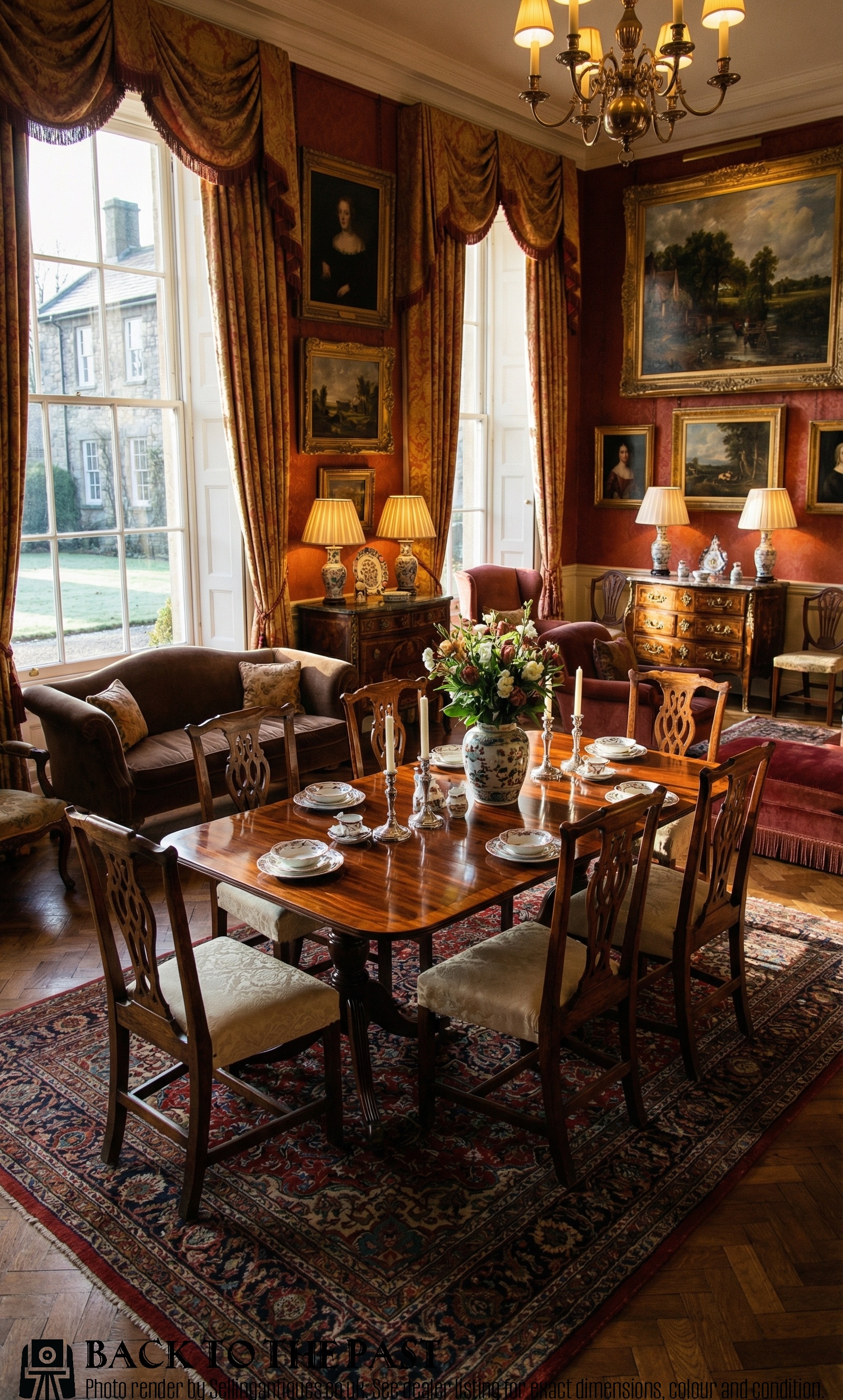
Chippendale Oak Chairs
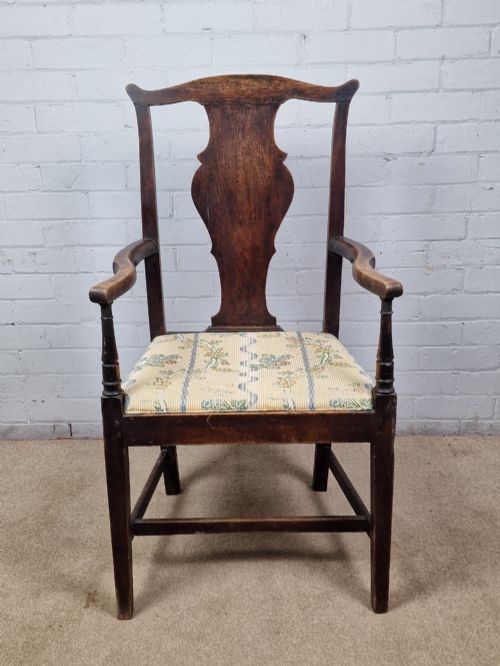
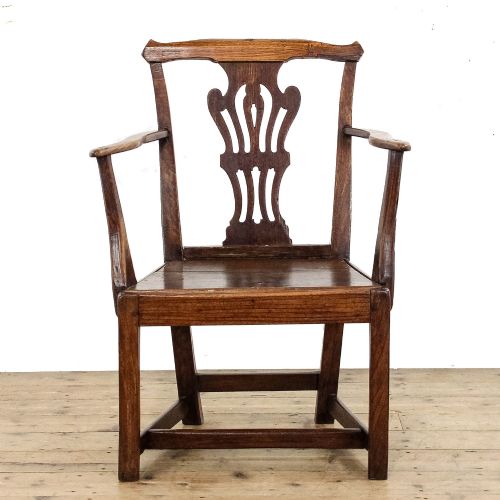
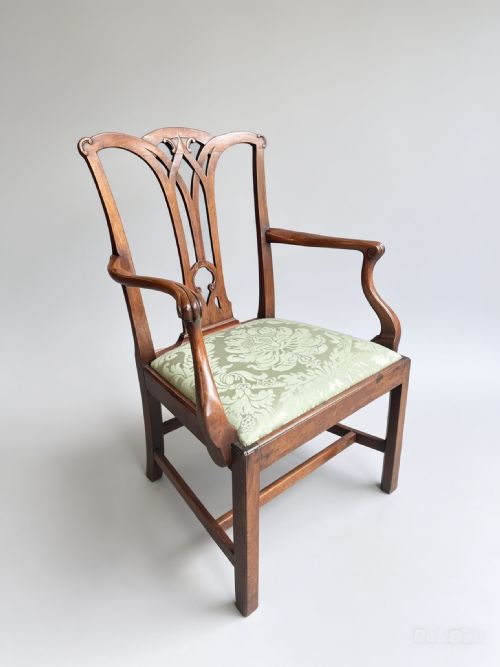
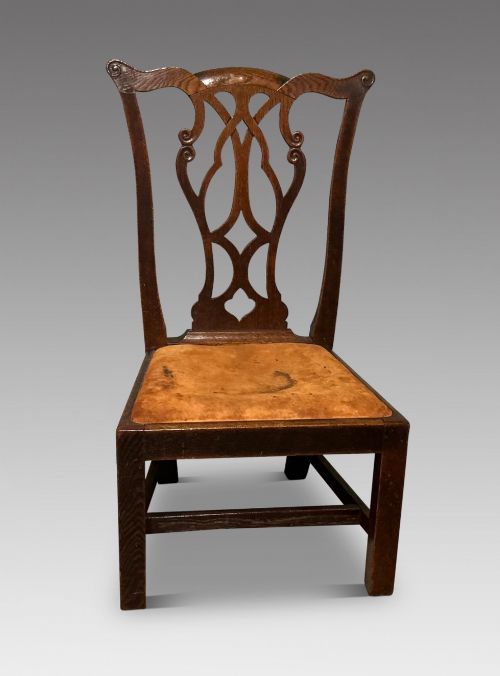
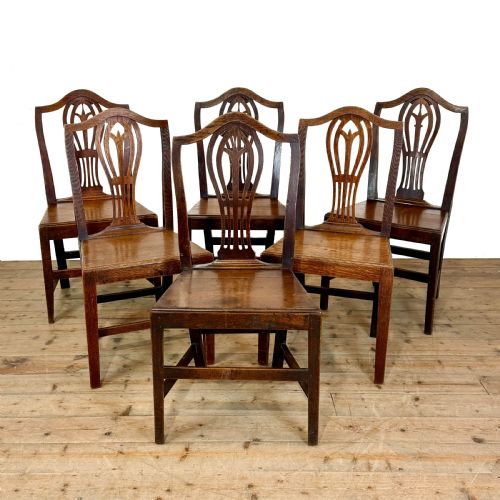
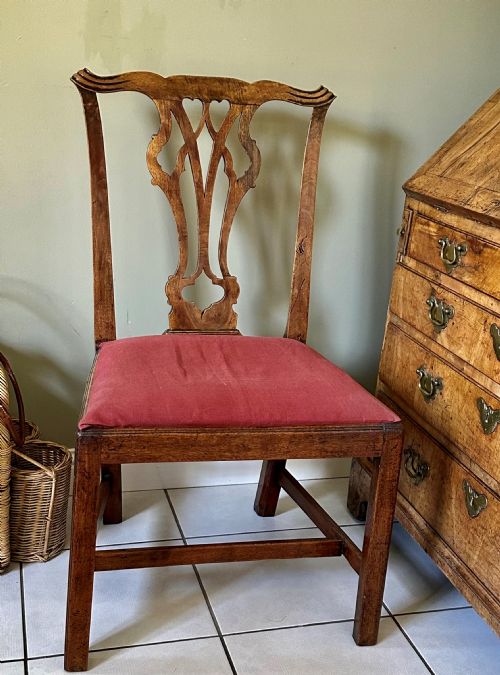
Chippendale oak chairs are robust seating forms that combine the rhythmic pierced splats and carved top rails of eighteenth-century pattern books with native hardwood. Buyers seeking these pieces will encounter everything from individual hall chairs and apprentice pieces to large dining sets numbering eight or twelve.
The material sets these apart from urban mahogany equivalents, channelling a vernacular English and Scottish country house aesthetic. Surviving examples range from eighteenth-century George III originals to later Edwardian and revival interpretations produced around nineteen hundred.
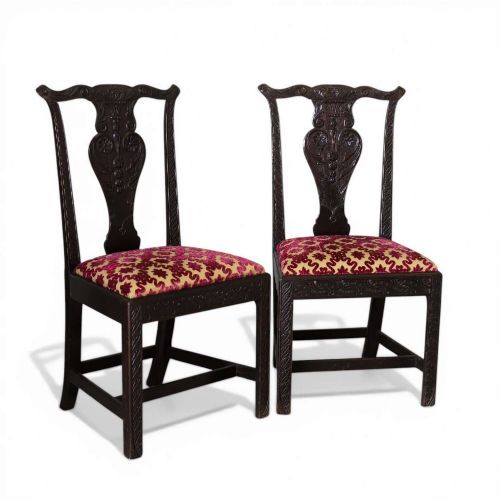
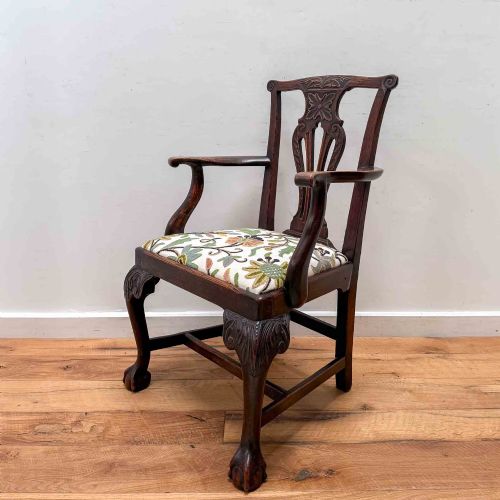
Most pieces on this page function as dining chairs, side chairs, or occasional armchairs, often accompanied by upholstered seats in various fabrics including velvet, leather, and damask.
How they were made
Makers built these chairs using solid oak timber, frequently paired with elm for country iterations, utilising mortise and tenon joinery to ensure structural rigidity. Carved details on the top rails and splats were worked entirely by hand using gouges and chisels.
Upholstered variants relied on drop-in or fixed pad seats webbed and stuffed with traditional materials, then covered in textiles such as crewel work, leather, or woven fabric. Timber surfaces were typically finished with wax or polish to highlight the grain of the oak.
Listings feature oak, mahogany, leather, velvet, and damask upholstery across Georgian, Victorian, and Edwardian periods.
What varies in quality
Quality rests in the crispness of the hand-carving upon the splat and top rail, distinguishing master workshop execution from simpler vernacular production. Timber selection also defines the tier, with tightly figured golden oak commanding greater regard than plain boards.
Originality of the frame construction and the survival of matching sets elevate certain groups above matched or assembled gatherings. The integrity of the joinery and the depth of the patination accumulated over centuries determine the standing of each individual chair.
Waring
The Chippendale Oak Chairs Glossary
- Chippendale style
- A furniture design movement derived from Thomas Chippendale's Director, characterised by pierced splats and cabriole legs. These chairs translate those urbane forms into sturdy oak.
- Splat
- The vertical wooden slat placed in the centre of a chair back. In these pieces, it is frequently pierced and carved in ribbons or interlaced patterns.
- George III
- The period spanning from seventeen sixty to eighteen twenty, covering the height of the Chippendale aesthetic. Pieces from this era display authentic eighteenth-century proportions.
- Commode chair
- An eighteenth-century form enclosing a chamber pot beneath a seat. The Welsh oak example listed here conceals its utilitarian purpose behind standard chair geometry.
Chippendale Oak Chairs: Frequently Asked Questions
Are these chairs comfortable for daily dining?
Most eighteenth-century and revival dining chairs feature upright wooden backs designed to encourage good posture during lengthy meals.
Upholstered drop-in seats covered in fabric, leather, or damask provide a firm cushion, though they lack the deep squab padding of modern seating.
How do I tell an original eighteenth-century chair from a revival piece?
Original pieces display authentic tool marks, pegged joinery, and deep patination acquired through centuries of handling. Revival chairs from around nineteen hundred often reveal machine-sawn timber and more uniform factory construction.
Examining the underside of the seat frame usually exposes the age of the wood and the construction methods used by the maker.
Why are oak Chippendale chairs less common than mahogany ones?
Thomas Chippendale's published designs were predominantly executed in fashionable imported mahogany for urban clientele. Oak was primarily utilised by regional cabinet-makers working in the country house tradition, making surviving sets harder to find.
Can I mix different chairs to make a dining set?
Matched sets of six, eight, or twelve are historically desirable, but many buyers assemble matched pairs or small groups of country chairs. Ensuring consistent seat height and complementary back styles maintains visual harmony around a dining table.