
Chippendale Furniture
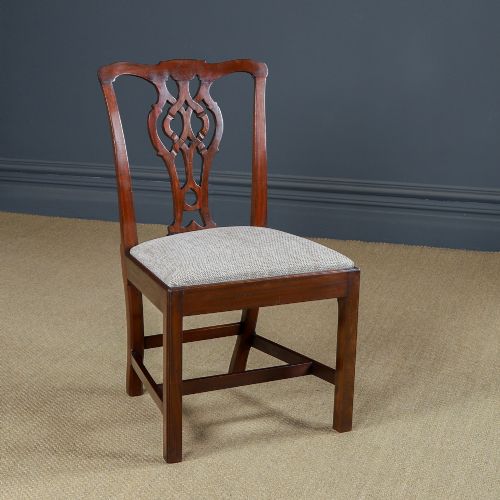
Chippendale furniture brings tactile warmth to a room through dark mahogany timber and confident carving.
Chippendale Furniture
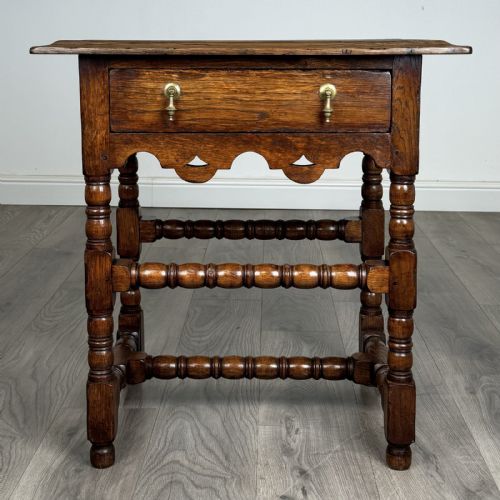
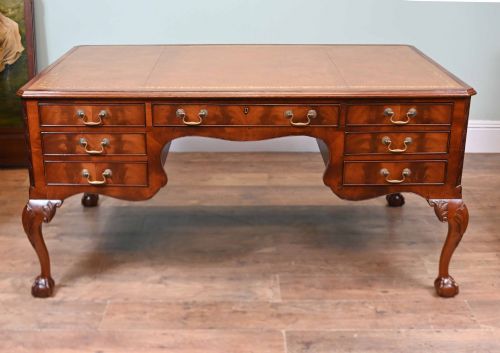
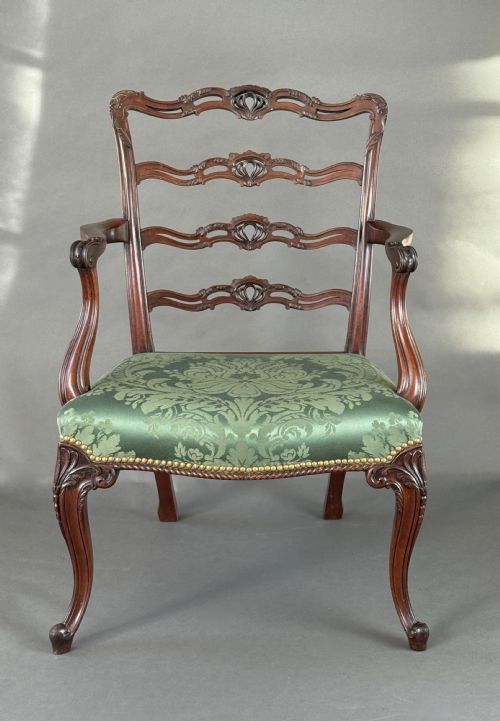
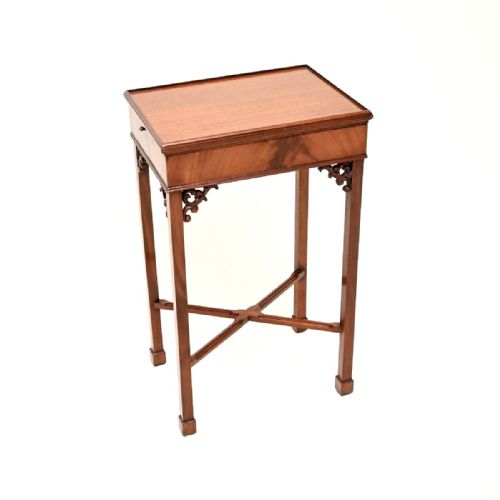
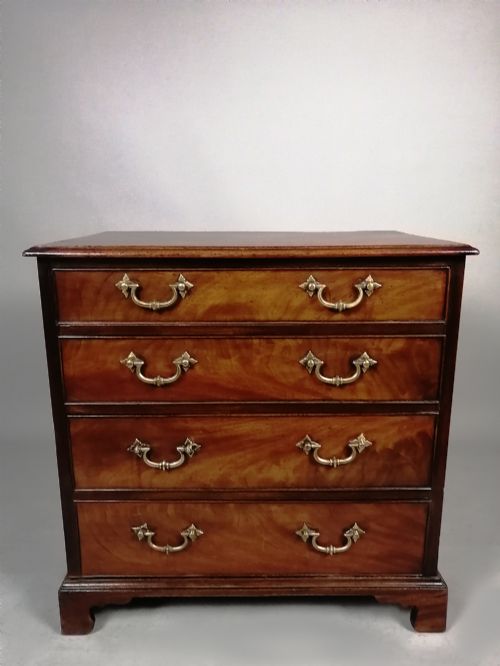
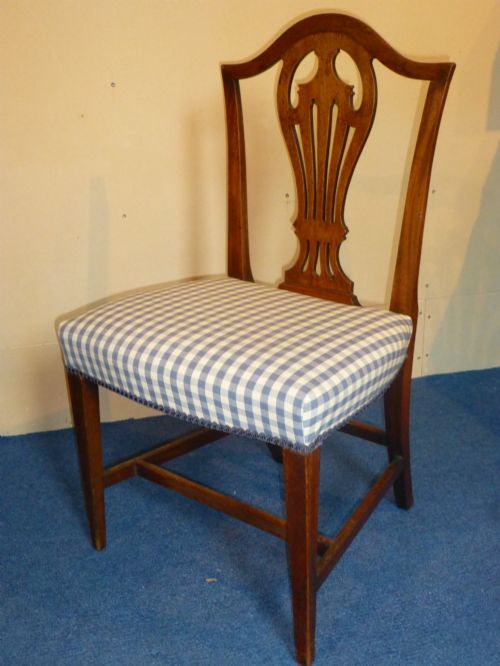
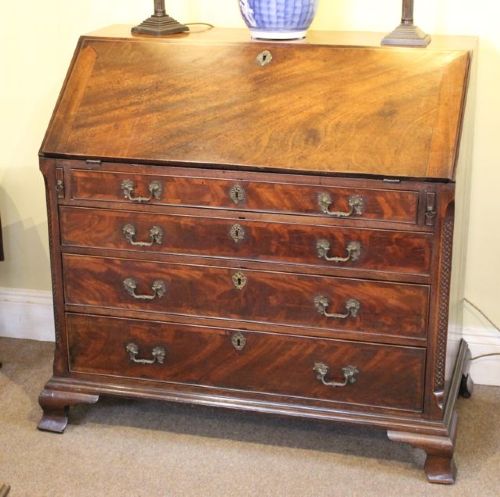
When you search for chippendale furniture, you encounter seating, dining chairs, chests of drawers, writing desks and tripod tables. These pieces span original Georgian creation periods as well as later revival movements from the Edwardian and Victorian eras.
Origins range from eighteenth century workshops to later revival iterations produced in oak, yew and mahogany. Buyers meet genuine period pieces alongside revival examples created during subsequent centuries.
Materials and construction
Makers relied primarily on dense mahogany, complemented by oak, fruitwood, yew and elm for secondary framing or specific regional builds. Timber selection dictated the structural integrity and longevity of each piece.
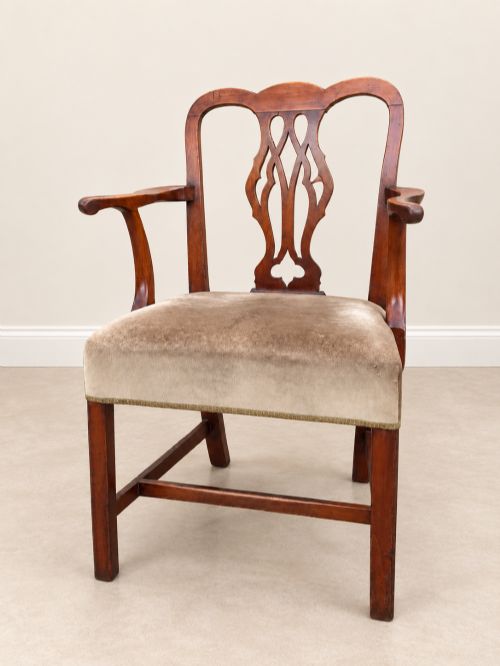
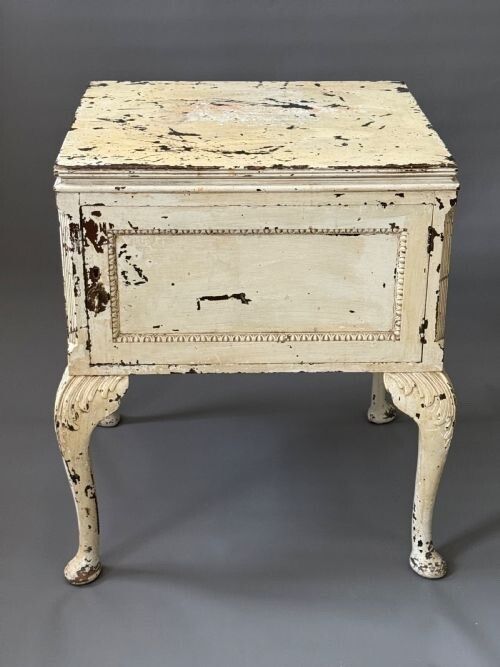
Joinery involved precise dovetails for drawer construction and mortise and tenon joints for chair frames. Carvers embellished surfaces with fretwork, pie crust edges and cabriole legs using hand chisels.
Listings feature mahogany, oak, yew, elm and fruitwood across pieces spanning the eighteenth, nineteenth and early twentieth centuries.
Judging quality
Quality rests upon timber selection and the sharpness of hand carving. Dense, figured mahogany displays natural depth, whereas subordinate timbers receive simpler treatment.
Construction methods reveal the maker's discipline through tight dovetailing and balanced proportions. Revival pieces match original eighteenth century standards when executed by skilled hands.
Hille·Wheelers of Arncroach
The Chippendale Furniture Glossary
- Cabriole leg
- A furniture leg that curves outward at the knee and tapers inward toward the foot. This form mimics animal limbs and appears frequently on Georgian seating.
- Chest on chest
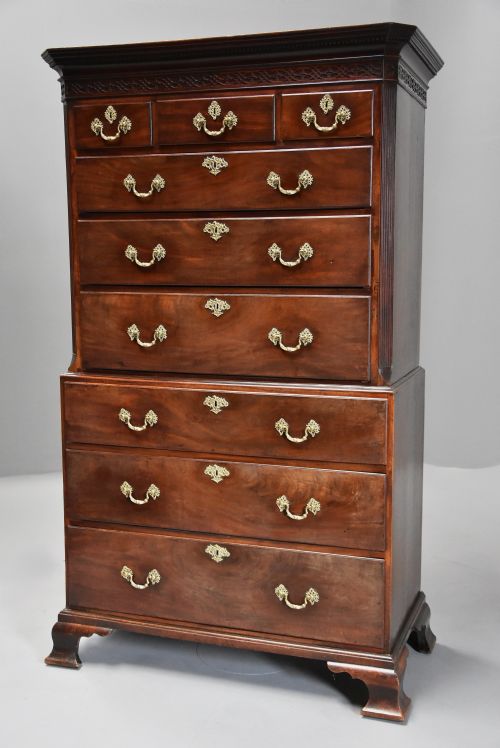
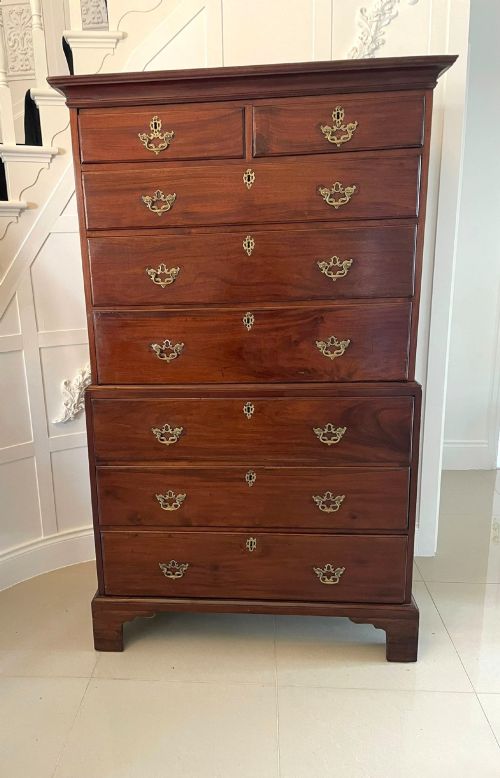
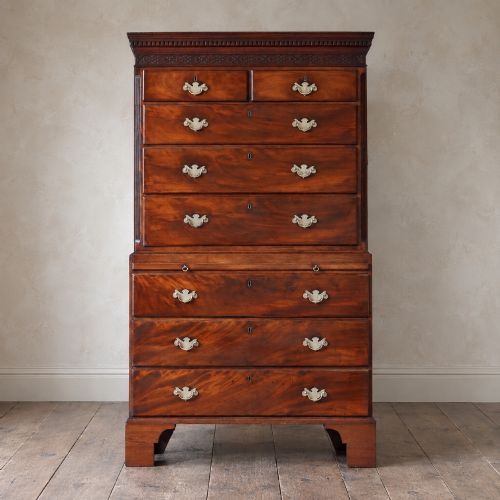
- A tall storage unit comprising a lower chest section topped by a slightly smaller upper chest. This form maximises vertical capacity.
- Pie crust table
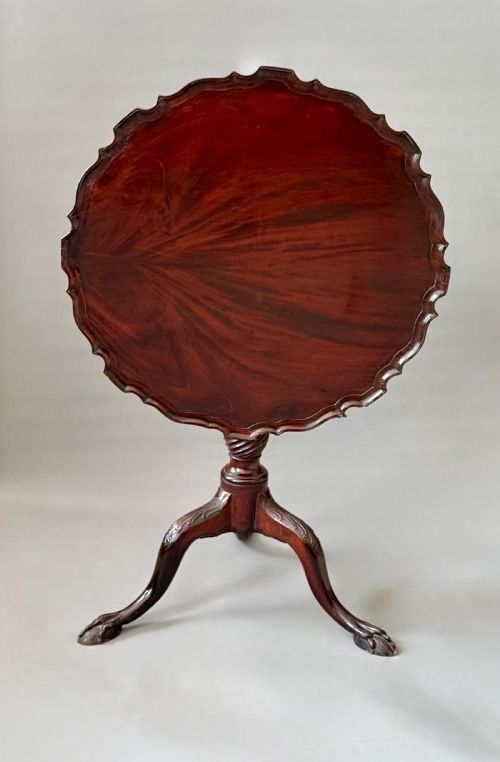
- A small tripod table featuring a raised, carved edge shaped like pastry. These tables served as tea or lamp stands.
- Fretwork
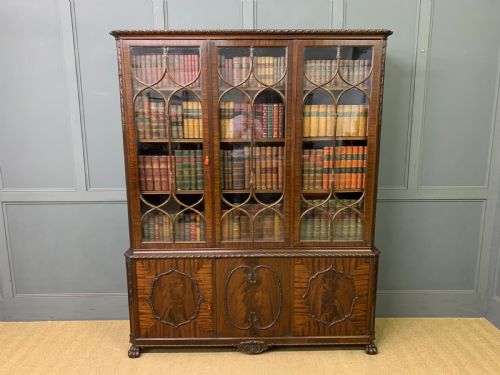
- Openwork ornamentation cut from thin wood panels in geometric or scroll patterns. Makers applied this technique to mirrors and chair backs.
- Tallboy
- An alternative term for a tall chest of drawers or chest on chest. These pieces provide substantial storage within a compact floor footprint.
Chippendale Furniture: Frequently Asked Questions
How do I identify a genuine period piece?
Examine the timber colour, tool marks inside drawers and overall structural wear. Eighteenth century surfaces exhibit a soft, aged patina developed over generations of use.
Revival pieces from later eras display different secondary woods and machine assistance in joints. Comparing construction details against known period examples clarifies the date of manufacture.
What rooms suit a tripod table?
Tripod lamp and wine tables fit beside armchairs in sitting rooms or serve as display surfaces in hallways. Their compact circular tops require minimal floor space.
Moving these lightweight tables allows flexible arrangement for evening reading or holding drinks. Their timber warmth complements both traditional and modern interiors.
How do I care for mahogany surfaces?
Dust timber regularly with a soft, dry cloth to prevent grit accumulation. Avoid placing pieces near direct heat sources or strong sunlight to protect the polish.
Application of natural wax preserves the moisture balance of antique wood without forming sticky buildup. Gentle handling maintains the historical surface finish.
What is a brushing slide?
A pull-out wooden shelf integrated above the top drawer of a chest or desk. Gentlemen utilised these surfaces for dusting clothes or writing brief notes.
This feature provides convenient temporary workspace without requiring a dedicated writing table. It stands as a hallmark of practical eighteenth century cabinetmaking.