
Chippendale Dining Carver
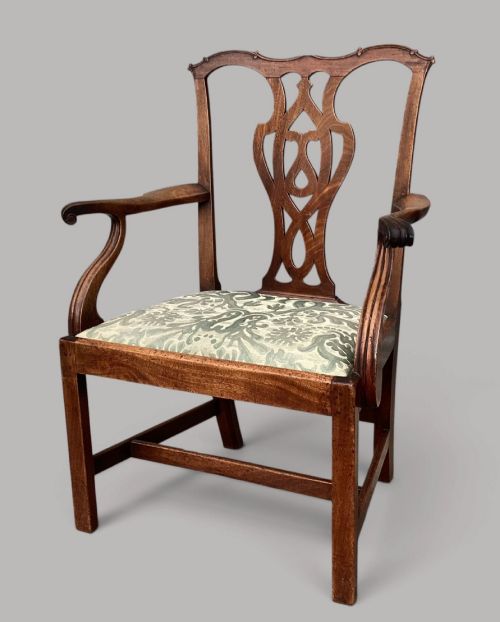
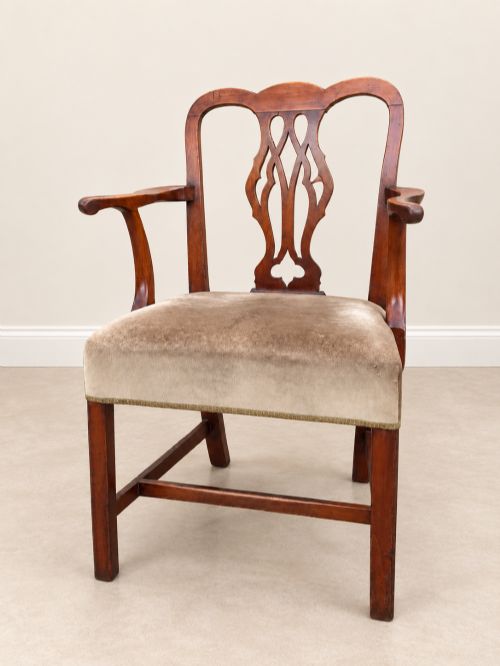
A chippendale dining carver provides a commanding seat at the table head, combining structural heft with intricate mahogany carving.
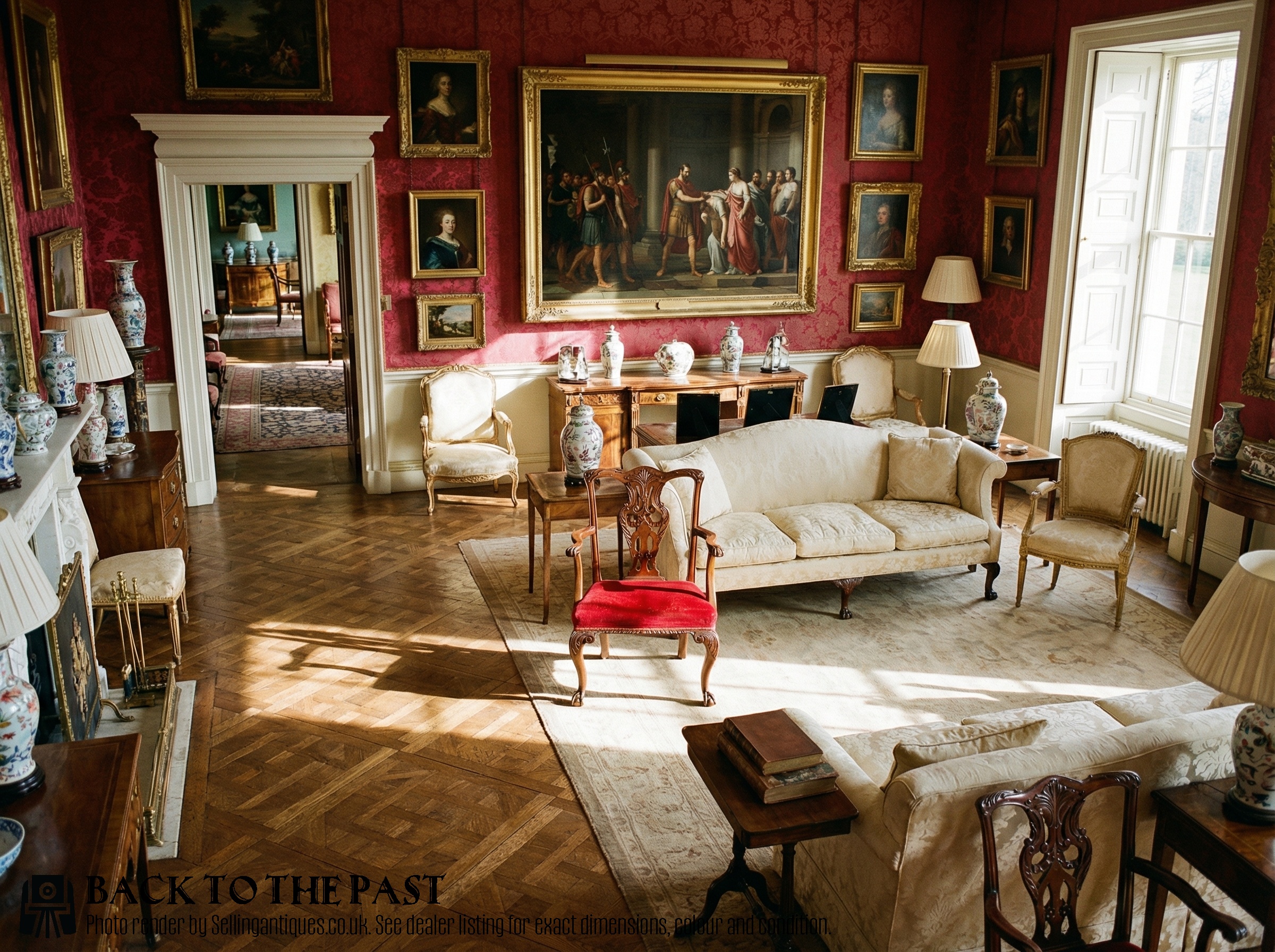
Chippendale Dining Carver
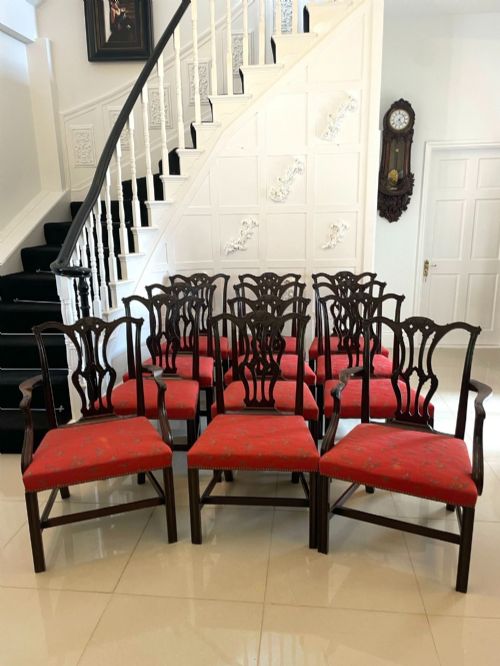
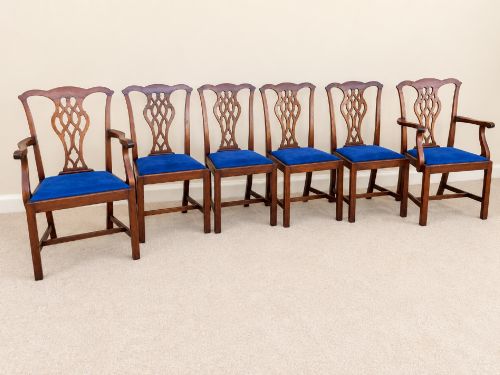
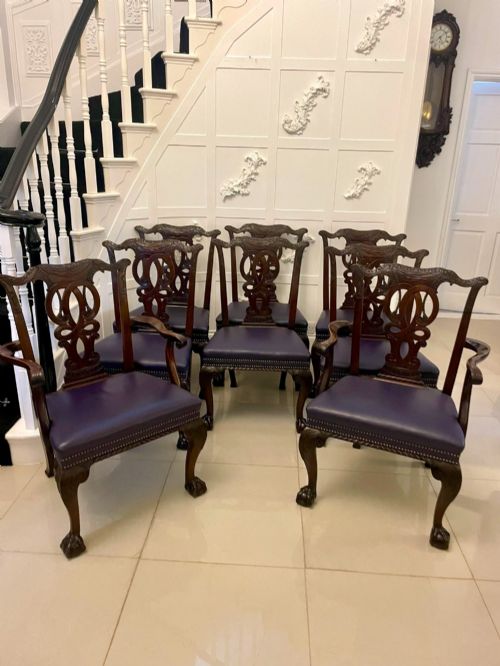
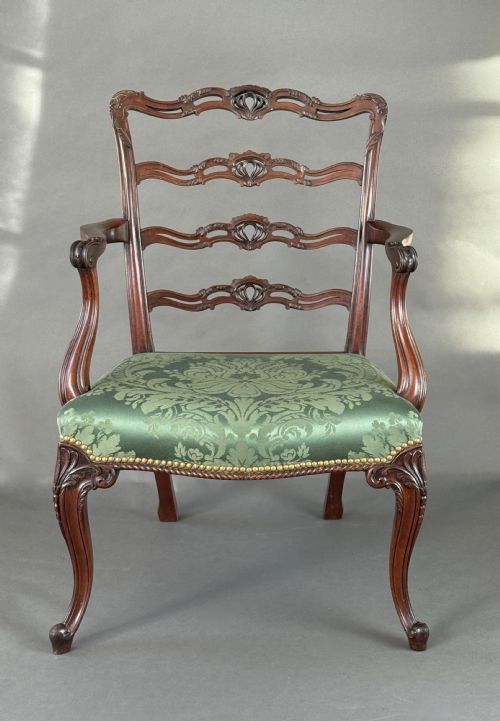
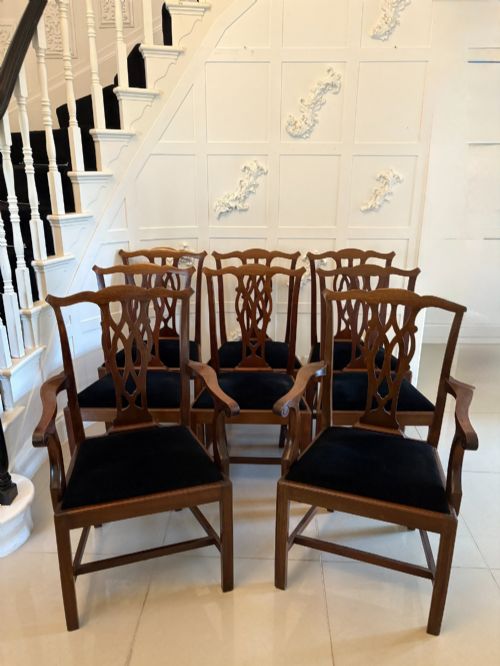
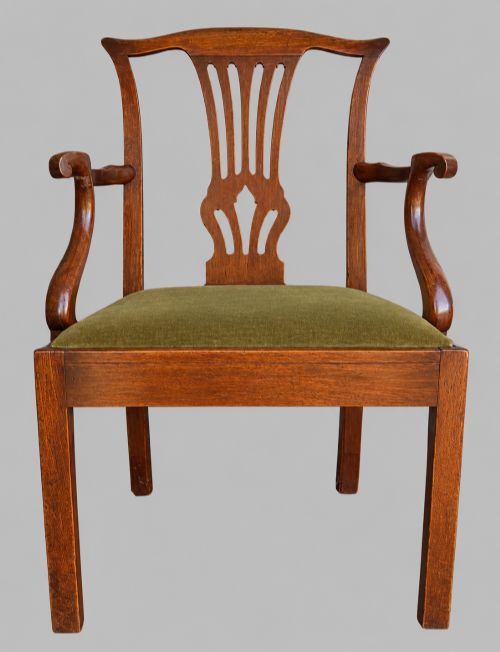
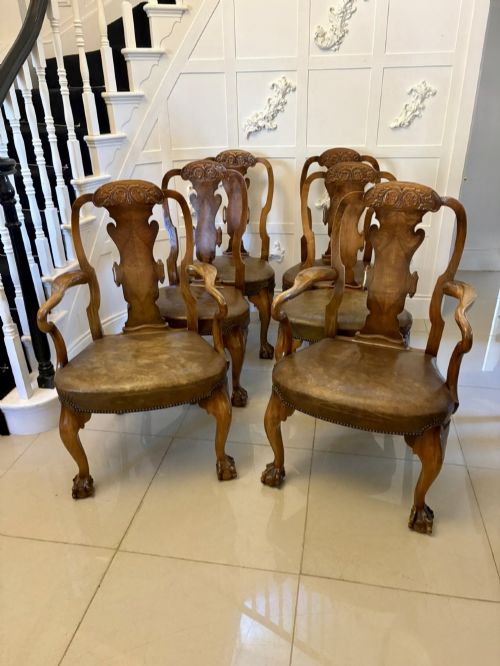
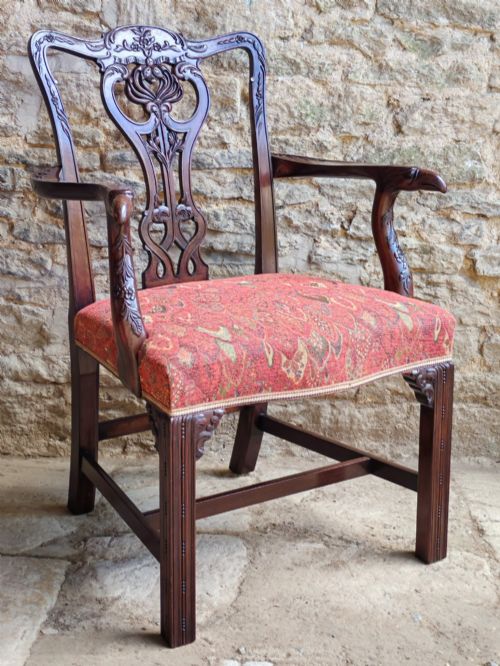
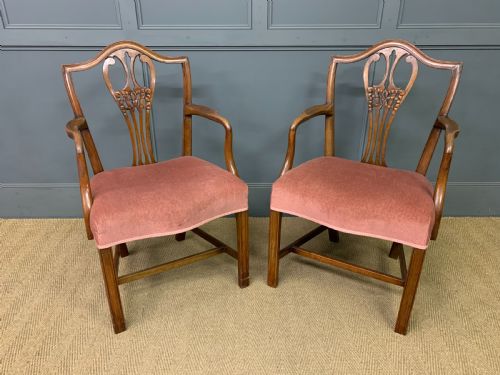
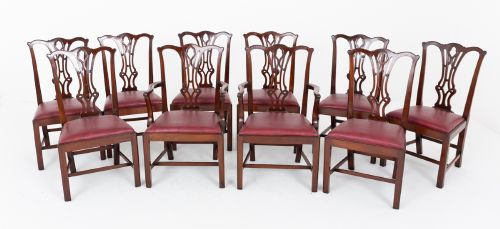
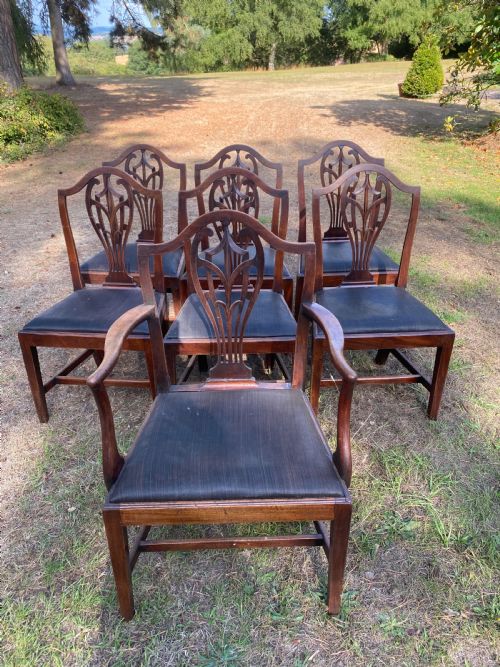
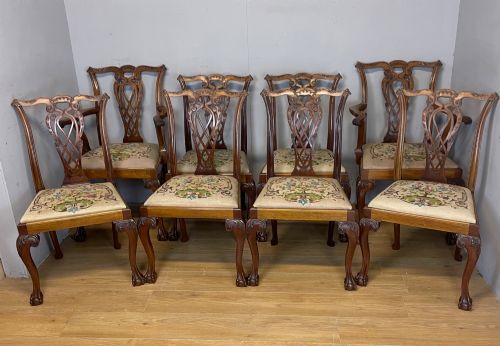
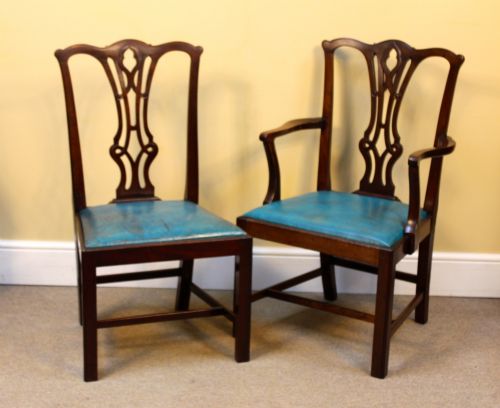
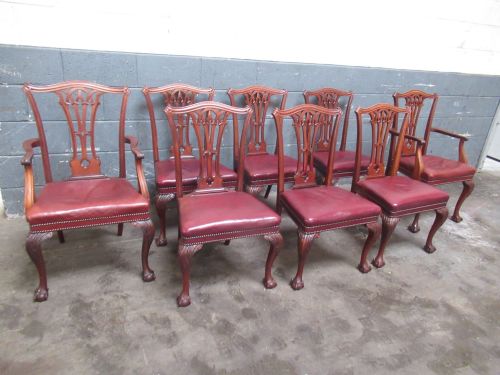
A chippendale dining carver is an armchair designed for the head of a dining table, displaying the distinctive stylistic vocabulary associated with 18th-century cabinet making. These seating pieces appear as individual armchairs, in pairs, or integrated into larger sets of dining chairs featuring matching single chairs.
The version most commonly met on this page is the revival piece, predominantly dating from the late 19th century and the Edwardian era, alongside authentic 18th-century Georgian originals. Walnut and fruitwood variants occasionally join the predominant mahogany timbers.
Makers and manufacturers produced these elbow chairs in varying scales, from modest domestic seating to large sets intended for substantial dining rooms. The form bridges the gap between functional dining utility and formal reception furniture.
Materials and Construction
Cabinet makers relied heavily on dense tropical hardwoods, particularly mahogany and walnut, selected for their tensile strength in slender interconnected splats and cabriole legs. Joinery relied on precise mortise and tenon joints to withstand the lateral stresses exerted on the open arms.
Carvers frequently incorporate drop-in seats or fixed upholstery frames padded with materials like leather, velvet, fabric, and tapestry. Brass accents and tacking appear on specific upholstered examples, while structural integrity depends upon solid timber rails and corner blocks.
Listings feature carvers spanning the Georgian, Victorian, and Edwardian eras, constructed primarily from mahogany with occasional walnut and fruitwood examples.
Assessing Quality
Quality reveals itself in the depth, crispness, and manual precision of the carved ornamentation on the top rail, splat, and knees. Mass-produced revival examples often display shallow, mechanical stamping, whereas superior workshops executed sharp, undercut relief work by hand.
The choice and thickness of the primary timber dictate durability, with dense, figured mahogany outlasting softer secondary woods. Furthermore, the retention of original upholstery webbing, stable joinery without excessive shimming, and well-balanced proportions separate exceptional craftsmanship from standard commercial production.
Howard and Sons·Warings·Alfred Allen of Birmingham·Wheelers of Arncroach
The Chippendale Dining Carver Glossary
- Carver
- An armchair, specifically one designed to match a set of dining chairs for use at the head of a table. These pieces feature open arms to accommodate formal dress.
- Splats
- The vertical wooden strip down the centre of a chair back, often pierced and intricately carved in the manner of mid-18th-century designs. This component bears much of the decorative weight.
- Cabriole leg
- A furniture leg that bends outward in a convex curve at the top and inward in a concave curve below, typically terminating in a ball and claw foot. It derives from ancient furniture forms.
- Elbow chair
- An alternative historical term for an armchair, referencing the supportive armrests designed to support the sitter's elbows. These items served multiple roles as desk or occasional chairs.
Chippendale Dining Carver: Frequently Asked Questions
How to date a carver chair?
Dating relies on examining the timber species, secondary woods, tool marks, and stylistic indicators such as leg shape and carving execution. Georgian originals exhibit hand-cut joinery and period-specific patination.
Later revival pieces from the Victorian and Edwardian periods often utilise machine-sawn components and denser, darker finishes while imitating 18th-century proportions.
Are carvers comfortable for daily use?
Carvers provide generous seating space due to their open arm design, though original 18th-century proportions can feel upright compared to modern lounge furniture. Upholstered drop-in seats offer supportive cushioning during long meals.
Maintenance involves periodic checking of the arm joints and upholstery webbing to ensure stable, comfortable daily support.
Can I mix carvers with other chairs?
Mixing carvers with different dining chairs is a traditional approach, provided the timber tones and historical styles share a common aesthetic. Many period dining sets include two matching carvers paired with several single chairs.
Placing a single antique carver at a desk or as an occasional chair in a living space also highlights its individual craftsmanship.