



Chippendale Claw Foot Table
A chippendale claw foot table brings robust 18th-century carving and rich timber into a room, offering both practical surface space and enduring historical character.
Chippendale Claw Foot Table
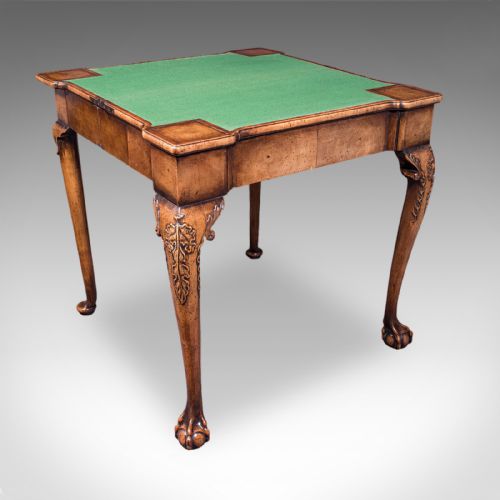
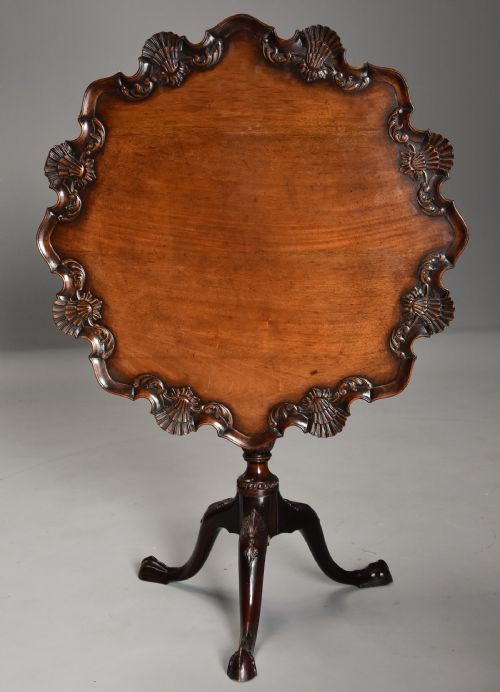
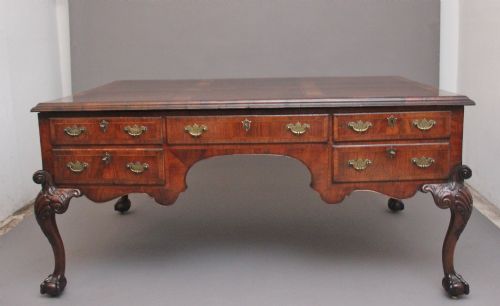
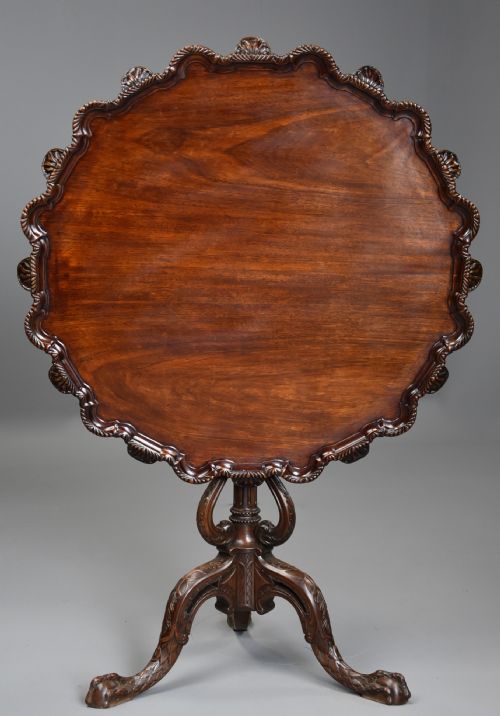
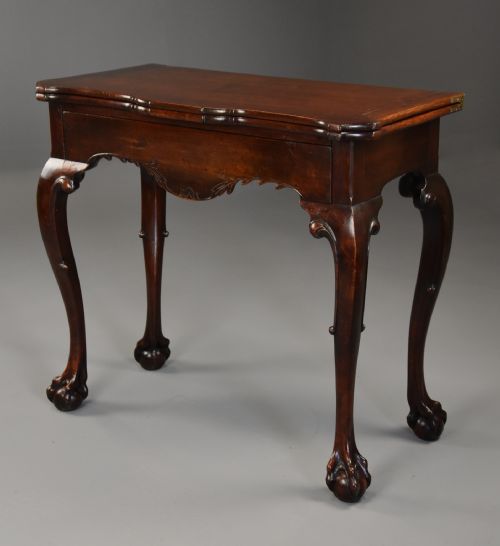
When you search for a chippendale claw foot table, you look for timber furnishings defined by cabriole legs terminating in prominent carved feet, spanning periods from the 18th century through subsequent revival movements. These forms encompass tea tables, card tables, and tripod wine tables designed for domestic utility.
The pieces appearing on this page range from original Georgian items dated around seventeen-fifty to early 20th-century Chippendale revival interpretations. Mahogany predominates among the surviving examples, accompanied by walnut and oak iterations in various occasional formats.
Materials and construction methods
Cabinet makers utilised solid mahogany and walnut for structural stability and fine carving capabilities, frequently applying flame mahogany veneer to tabletops for visual depth. Secondary timbers like oak appear in internal framing and drawer construction.
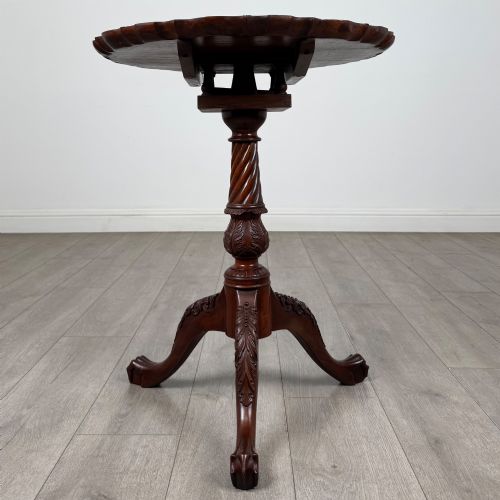
Joinery methods include mortise and tenon frames, birdcage mechanisms for tilt-top tripod tables, and intricate hand-carved ball and claw motifs on the knees and feet.
Several tables include hidden birdcage mechanisms that let the top spin like a lazy Susan while you pour tea.
Distinctions in quality
The standard of carving on the knees and feet separates exceptional pieces from standard workshop output, with crisp undercutting and balanced proportions indicating superior craftsmanship. Depth of patina and the selection of figured timber further elevate the standing of an individual table.
Originality of components, including hardware, hinges, and tilt mechanisms, dictates the integrity of the piece. Revivals from the 19th and 20th centuries vary according to the fidelity of their historical interpretation and the weight of the timber employed.
Walker & Hall Sheffield·Muirhead Moffat & Co·S & H Jewell London
The Chippendale Claw Foot Table Glossary
- Cabriole leg
- An S-curved furniture leg inspired by animal limbs, swelling outward at the knee and tapering inward to a foot. This form provides inherent structural strength without heavy bracing.
- Tilt-top
- A tabletop hinged to a central pillar, allowing the surface to fold vertical when not in use. This mechanism saved valuable floor space in historical interiors.
- Piecrust edge
- A raised, scalloped tabletop border carved from solid timber in a wavy profile. It prevented items from sliding off tea and wine tables.
- Birdcage
- A timber framework beneath a tilt-top table that permits the surface to rotate as well as tilt. It connects the central column to the top via small turned spindles.
- Patina
- The surface sheen and colour developed on timber through age, handling, and wax polishing over decades. It acts as a visual indicator of authenticity.
Chippendale Claw Foot Table: Frequently Asked Questions
How do I spot a revival piece?
Revival items dating from the late 19th and early 20th centuries often display machine-sawn timber marks and standardised joinery methods that differ from 18th-century hand tools.
Examining the underside and drawer linings reveals the construction age and tool signatures characteristic of later workshops.
Were these tables used for dining?
Smaller examples functioned primarily as tea, card, or wine tables rather than main dining surfaces, serving specific social rituals of the period.
Fold-over game tables and tripod wine tables provided flexible furniture arrangements for drawing rooms and parlours.
How should I maintain the timber surface?
Regular dusting with a soft, dry cloth prevents particulate accumulation, while occasional applications of natural beeswax nourish the aged mahogany or walnut.
Avoid placing these tables in direct sunlight or near heat sources to prevent timber shrinkage and veneer lifting.