





Chippendale Claw Foot Desk
These chippendale claw foot desk pieces bring robust timber and carved detail straight to a study, offering genuine period character for daily work.
Chippendale Claw Foot Desk
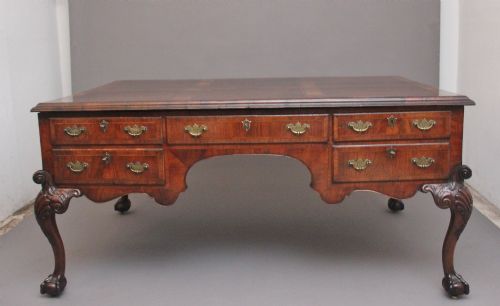
When you search for a chippendale claw foot desk, you are looking at substantial writing furniture rooted in eighteenth-century proportions and nineteenth- or twentieth-century revival craftsmanship. The selection encompasses pedestal desks, writing bureaus, and bureau bookcases designed for functional workspace.
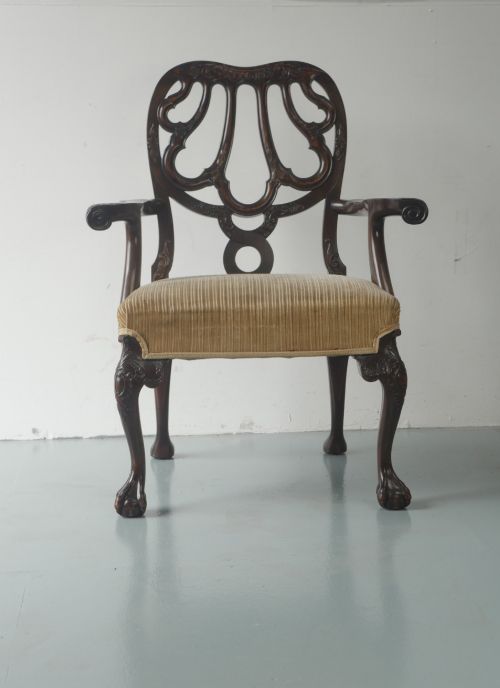
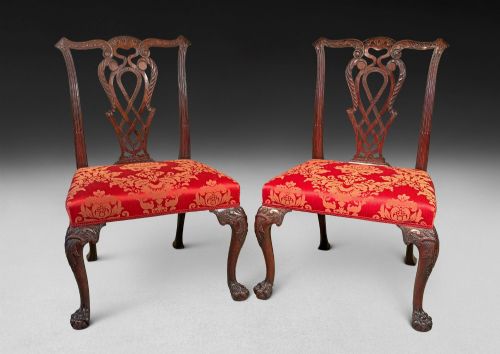
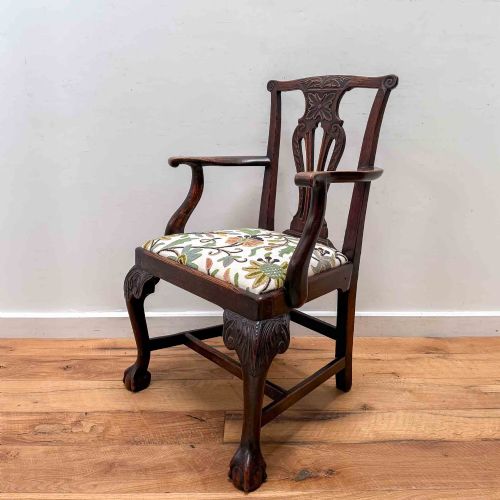
The primary form you will meet on this page is the mahogany pedestal desk or writing bureau, frequently adopting Chippendale style characteristics. Alongside these desks, related seating such as armchairs and carved chairs appear across the listings, showing stylistic links in timber and foot design.
How they were made
Makers built these pieces primarily using solid mahogany, flame mahogany veneer, walnut, and oak, applying dense hardwoods for structural integrity and figured surfaces. Brass handles and leather writing inserts frequently complete the construction of the desks.
Carving defines the ornamental vocabulary, particularly on the ball and claw feet and structural frames. Secondary materials such as wool embroidery and upholstery appear on associated seating rather than the desks themselves.
Chippendale Claw Foot Desk Retail Price Guide 2026
Typical asking prices for chippendale claw foot desk among the pieces listed under this phrase on Sellingantiques today, from the lower quarter to the upper quarter. They describe what is for sale here now, not the wider market.
Listings span periods from the 18th Century through the 19th Century up to 1920, utilising mahogany, walnut, oak, and brass.
What varies in quality
Quality rests in the depth and sharpness of the timber carving, particularly around the claw and ball feet where lesser versions lose crisp detail. The selection of wood also sets examples apart, with figured flame mahogany veneer marking a more ambitious finish than plain stock.
Construction methods determine durability, separating mass-produced revival pieces from those built with traditional joinery and well-fitted drawers. The integration of quality secondary materials, such as supple leather writing surfaces and cast brass hardware, elevates an example.
The Chippendale Claw Foot Desk Glossary
- Chippendale Style
- A design classification drawing on the mid-eighteenth-century pattern books associated with Thomas Chippendale. It typically incorporates carved details and classical proportions.
- Pedestal Desk
- A freestanding writing table supported by two banks of drawers rather than simple legs. This form provides substantial storage beneath the main writing surface.
- Flame Mahogany Veneer
- A thin layer of timber sliced from the wood where branches join the trunk, creating a flamed, fiery grain pattern. Craftsmen apply this over a stable secondary wood base.
- Bureau Bookcase
- A dual-purpose piece combining a sloping writing flap desk below with enclosed shelving above. It offers both workspace and prominent display storage.
Chippendale Claw Foot Desk: Frequently Asked Questions
Are all these desks from the eighteenth century?
The inventory spans several eras, including genuine eighteenth-century work alongside nineteenth-century pieces and twentieth-century revival items.
Revival pieces from the early decades of the twentieth century draw directly on older Georgian design principles while utilising manufacturing methods of their own time.
What timbers should I expect to find?
Mahogany is the dominant timber across these listings, often appearing in solid form or as a figured flame veneer. Walnut and oak also feature among the heavier desk and chair constructions.
Brass hardware and leather writing inserts accompany the wood elements on many of the pedestal desks.
How do I spot a revival piece?
Twentieth-century revival pieces often display uniform mechanical machining and standardised timber selection compared to older hand-carved examples. Construction details and secondary woods inside the drawers usually reveal the true era of assembly.
Reviewing the specific period assigned to each listing helps clarify whether a piece dates to the original eighteenth-century window or later revival periods.