
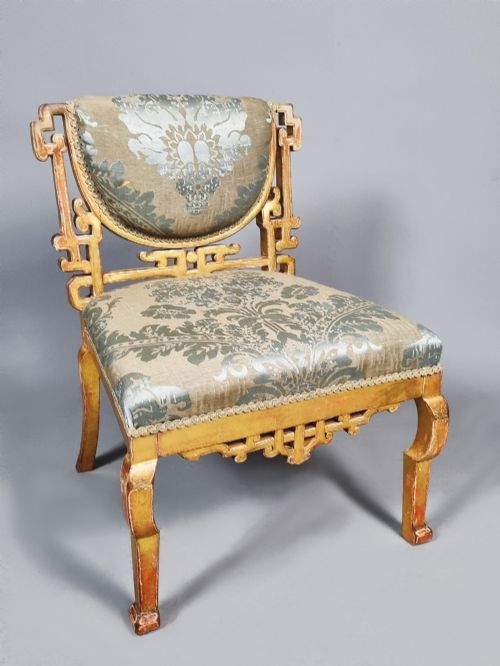
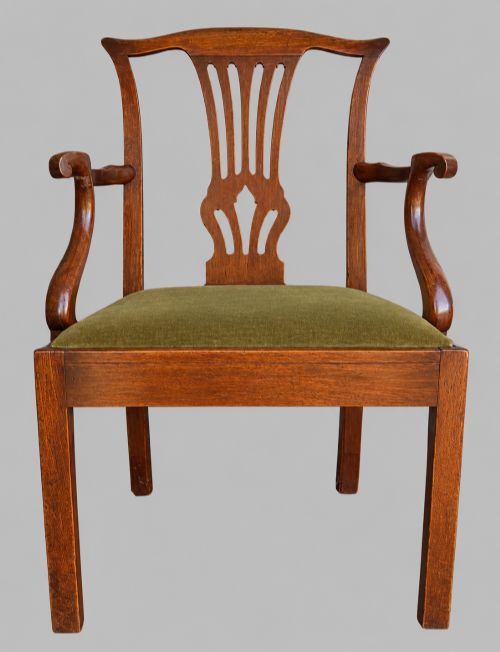
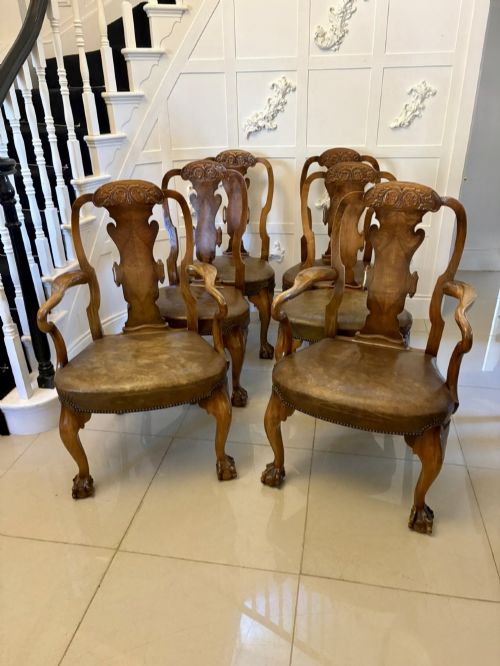
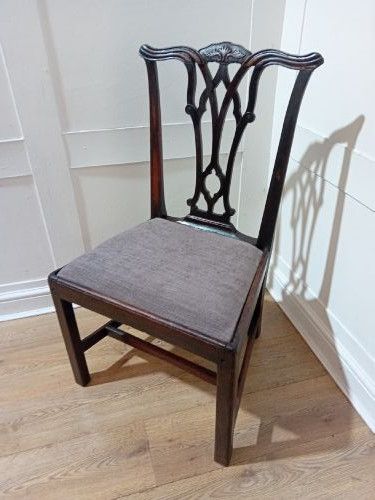

Chippendale Carved Seating
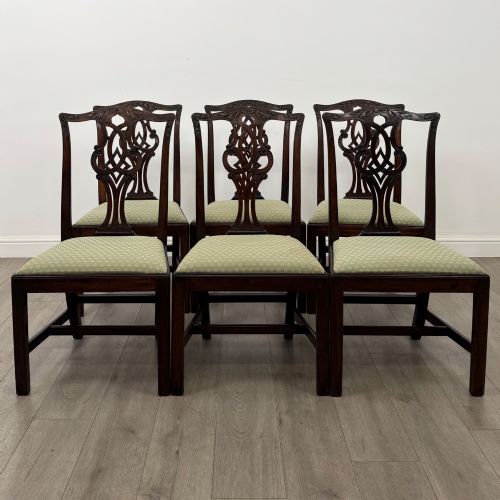
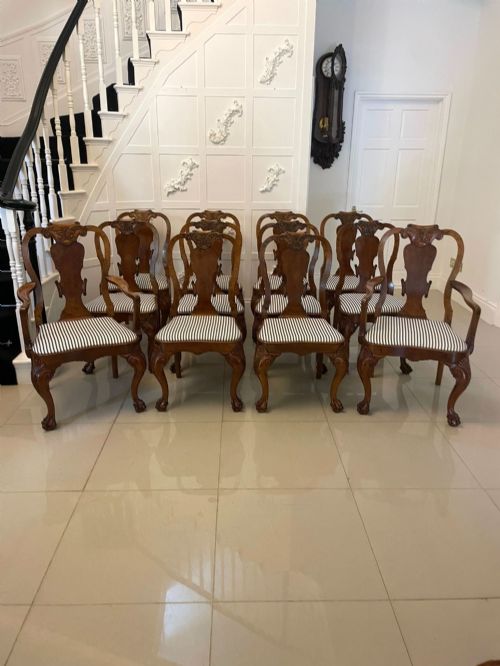
Chippendale carved seating delivers solid mahogany frames, pierced splats, and meticulous detail that anchor a traditional interior.
Chippendale Carved Seating
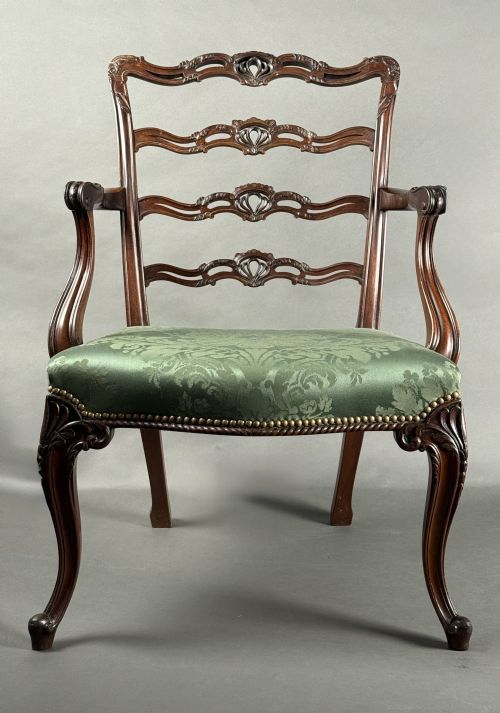
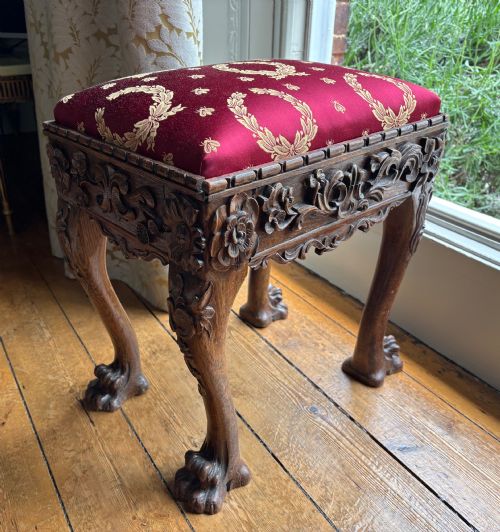
Chippendale carved seating covers dining chairs, armchairs, stools, and settees originating from the eighteenth century through to the early twentieth century. Buyers encounter eighteenth-century George III originals alongside nineteenth-century revival pieces and Edwardian interpretations.
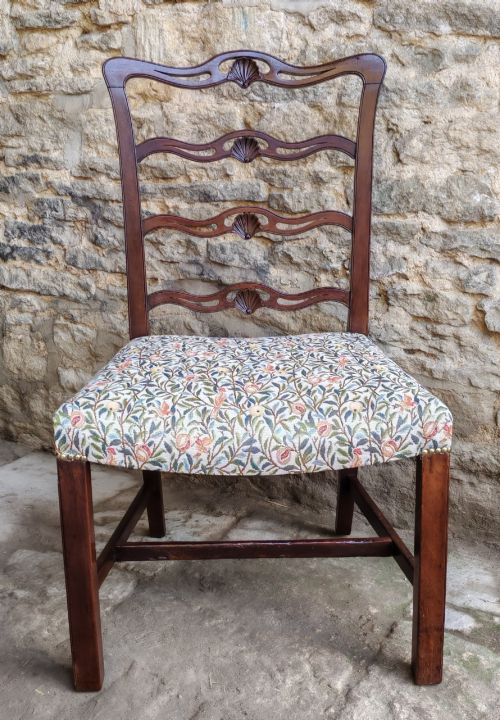
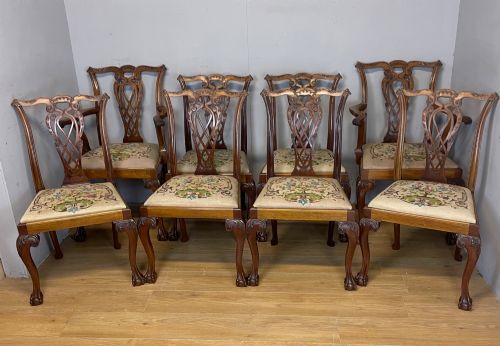
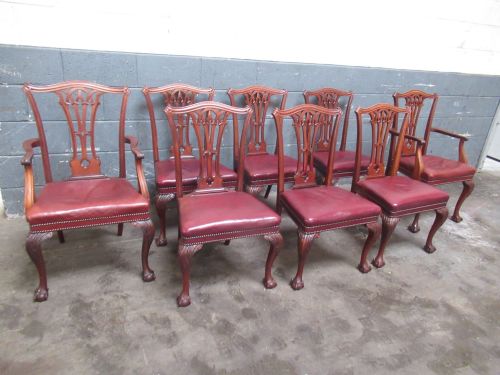
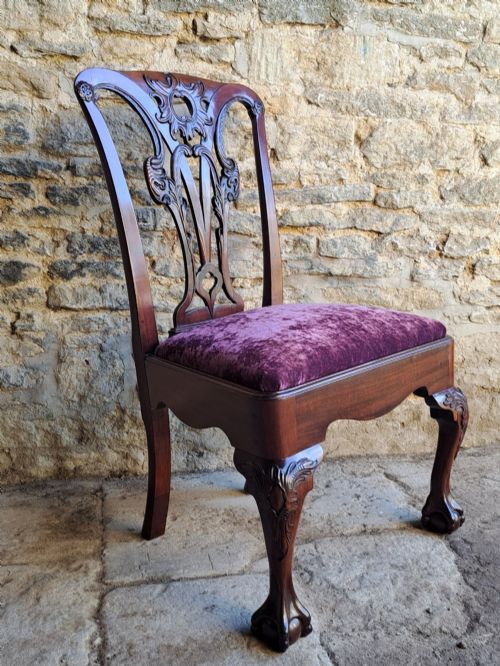
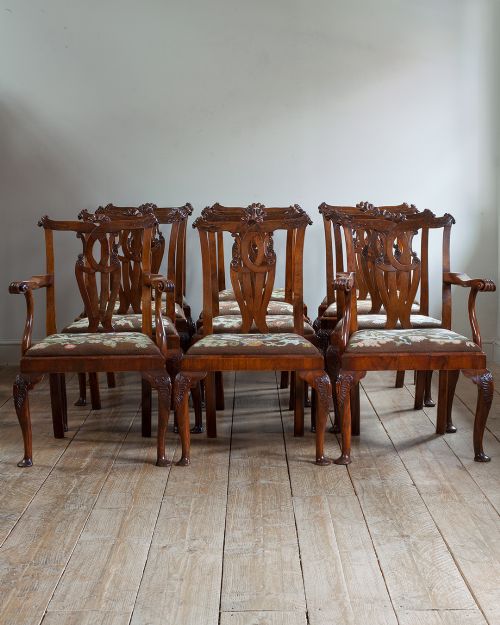
The version most commonly met on this page is the mahogany dining chair or armchair, often featuring carved ladder-backs or pierced splats. These pieces reflect the enduring influence of cabinetmaker designs across Georgian, Victorian, and Edwardian periods.
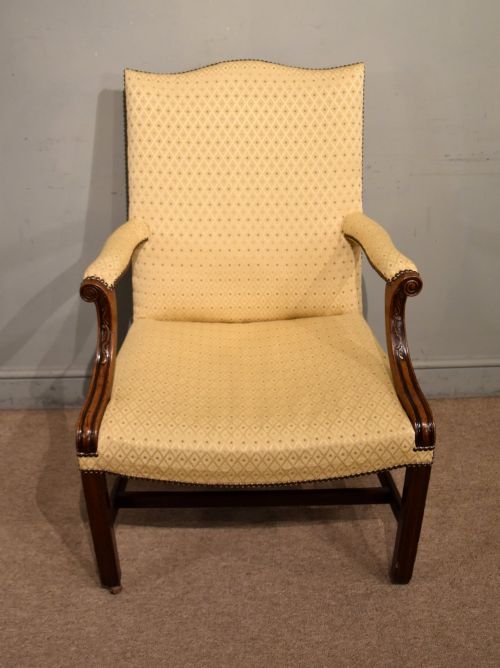
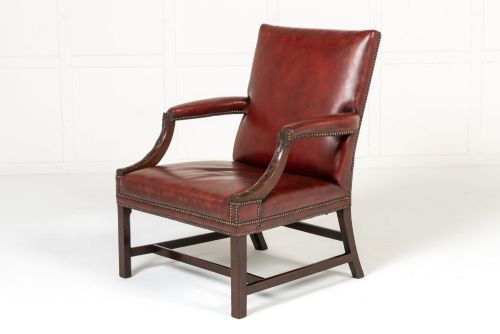
Forms extend from library Gainsborough chairs upholstered in leather to piano stools and larger settees. Walnut also appears alongside the predominant mahogany, providing variation in timber tone across different eras.
Defining Quality
The depth and crispness of the carved ornament dictate the standing of a piece. Skilled hand-carving on chair splats, rails, and knees separates refined examples from simpler production.
The choice of timber grain and the integrity of the frame construction determine durability and visual presence. Cohesive proportions and well-preserved original timber surfaces elevate the standing of chairs and stools.
The inventory spans the eighteenth, nineteenth, and early twentieth centuries, including Georgian, Victorian, and Edwardian periods.
Warings·Howard and Sons
The Chippendale Carved Seating Glossary
- Splat
- The vertical wooden strip down the centre of a chair back. It often takes pierced or intricately carved forms in this seating tradition.
- Cabriole leg
- A furniture leg that curves outward at the knee and tapers inward toward the ankle. It frequently terminates in a ball and claw foot.
- Gainsborough chair
- A wide, open-armed easy chair with a padded back and seat. It typically stands on short legs and dates back to the Georgian era.
- Ladder-back
- A chair back featuring a series of horizontal arched cross-rails resembling a ladder. These rails are often pierced or shaped for decorative effect.
- Blind carving
- Low-relief carving applied flat to the surface of a furniture leg or rail. It mimics Chinese fretwork patterns without piercing the wood.
Chippendale Carved Seating: Frequently Asked Questions
How do I identify a true eighteenth-century piece?
Eighteenth-century examples display timber patination, hand-cut joinery, and wear patterns consistent with age. Examination of the frame construction reveals period-specific assembly methods.
Revival pieces from later centuries often adopt the same decorative vocabulary but utilise nineteenth- or twentieth-century manufacturing techniques and hardware.
Where should I place a Gainsborough chair?
A Gainsborough chair suits a study, library, or drawing room as a reading or desk seat. Its open arms and upholstered frame provide comfort while maintaining a formal silhouette.
Positioning the chair away from direct heat sources protects the leather or fabric upholstery and preserves the timber polish.
Are these chairs suitable for daily dining?
Solid mahogany construction makes these dining chairs robust for regular use around a table. Checking the stability of the joints ensures they withstand daily sitting.
Upholstered drop-in seats can also be re-covered to match contemporary interiors while retaining the antique wooden frame.
What is the difference between Georgian and revival pieces?
Georgian pieces were manufactured during the eighteenth century under the direct influence of contemporary cabinetmaking trends. They carry the marks of period tools and historic use.
Revival pieces were produced during the Victorian and Edwardian eras, paying homage to earlier designs with different manufacturing tolerances and secondary timbers.