



Chiparus Bronze Figure
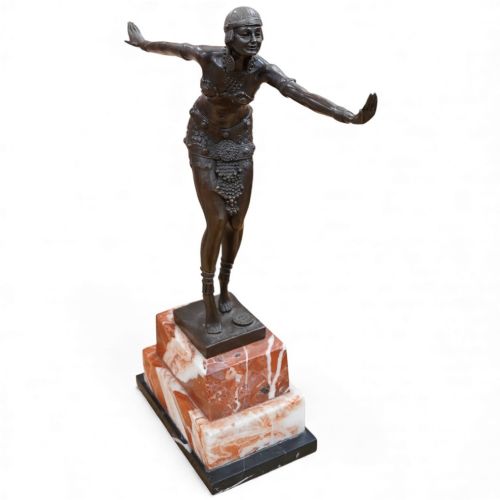
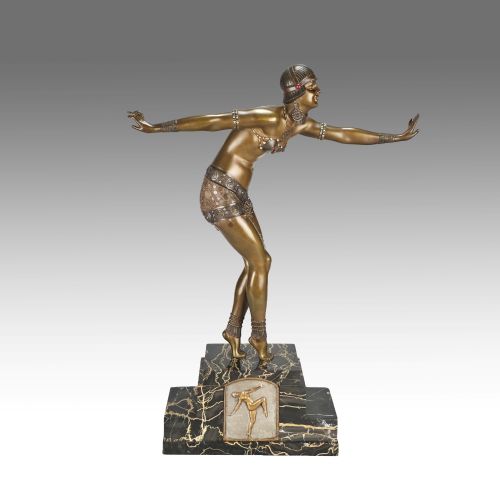
A chiparus bronze figure captures the theatrical glamour of the Art Deco era through dynamic dancers and stylised female forms.
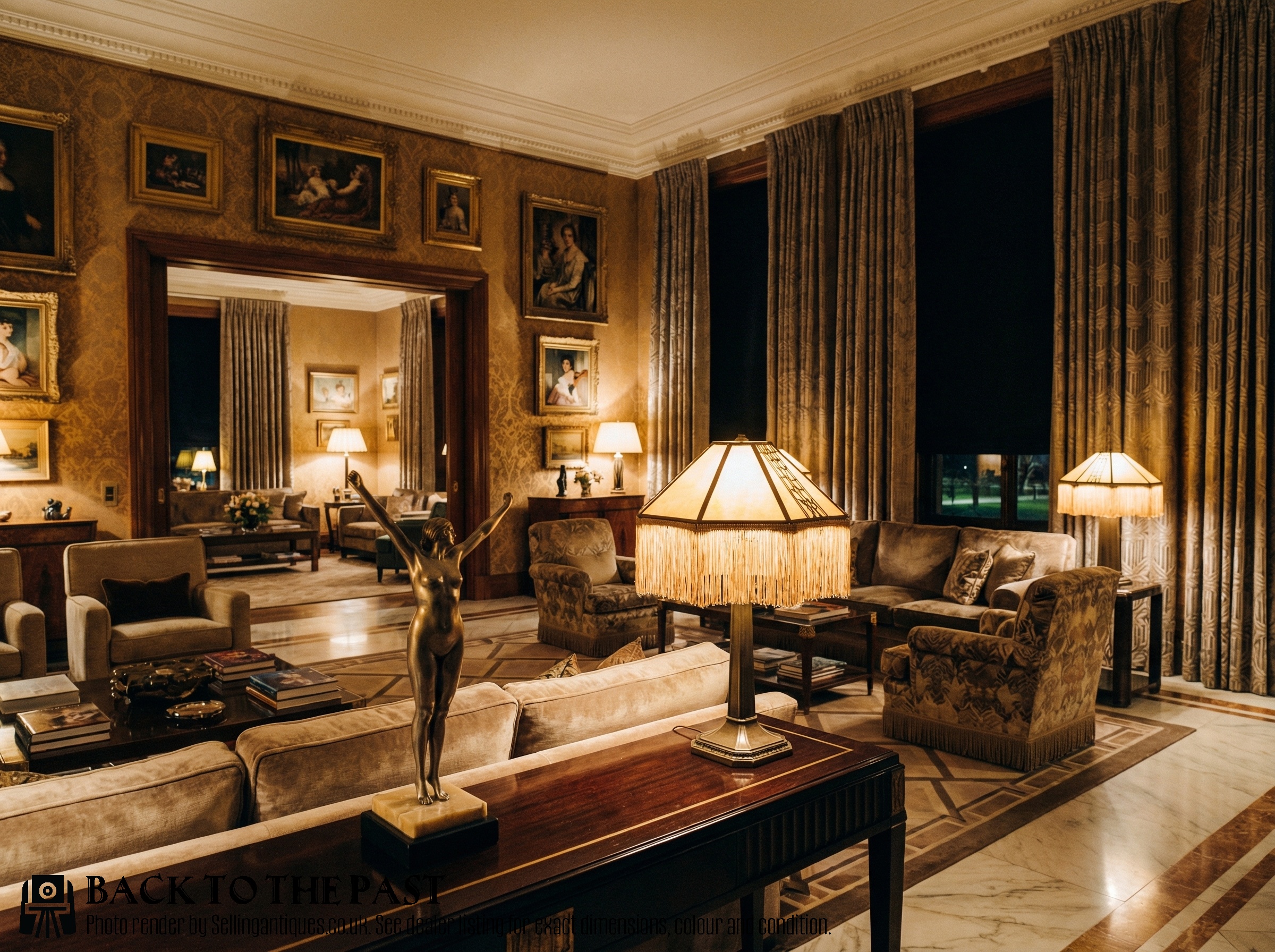
Chiparus Bronze Figure
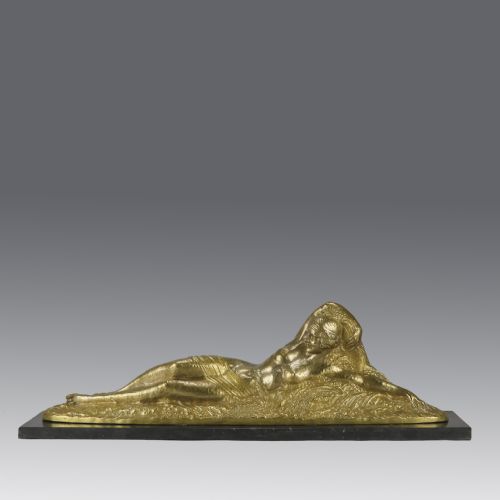
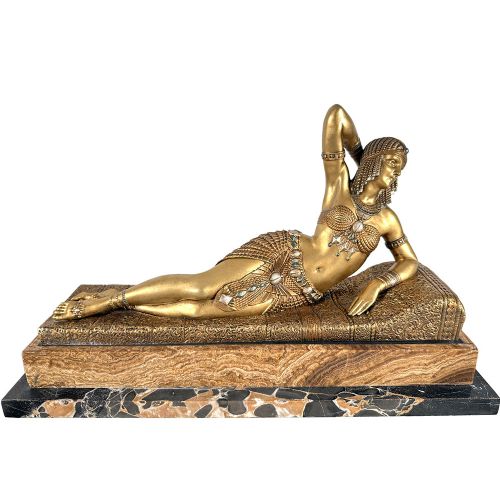
When you search for a chiparus bronze figure, you encounter sculptural works originating from the early twentieth century, specifically the decades of the nineteen twenties and nineteen thirties. These pieces embody the distinctive Art Deco style, frequently portraying dancers, mythological figures, and elegant ladies in motion or repose. The forms range from named subjects like Phoenician Dancer, Eté, Cleopatra, Starfish Dancer, L'Eveil, and Equilibrium to unsigned interpretations.
The objects listed on this page predominantly present figures mounted upon solid bases of marble or onyx. The subjects often reflect the fascination with Egyptian themes and modern ballet that dominated European culture during this period. Collectors encounter both works bearing the signature of Demetre Chiparus and pieces produced in the style of the artist or executed in alternative metals such as spelter.
How they were made
The resulting figures were mounted upon heavy plinths of carved marble or onyx to provide stability and visual contrast. Certain works incorporate carved ivory elements alongside the metal casting to create the chryselephantine style characteristic of the period.
Chiparus Bronze Figure Retail Price Guide 2026
Typical asking prices for chiparus bronze figure among the pieces listed under this phrase on Sellingantiques today, from the lower quarter to the upper quarter. They describe what is for sale here now, not the wider market.
Listings for a chiparus bronze figure span the nineteen twenties and nineteen thirties, uniting bronze, gilt bronze, spelter, marble, and onyx.
What varies in quality
The distinction between a top-tier chiparus bronze figure and a more modest example lies in the crispness of the metal casting and the subtlety of the surface finish. Finer patination and precise cold-painting bring out the intricate details of drapery and expression, whereas lesser execution yields softer contours.
The choice of base material and the integration of the figure with its marble or onyx plinth also dictate the overall standard. Signed works by Demetre Chiparus and those incorporating carved ivory demonstrate the superior craftsmanship associated with the premier tier of production.
Demetre Chiparus
The Chiparus Bronze Figure Glossary
- Art Deco
- A design style of the nineteen twenties and nineteen thirties characterised by streamlined forms, geometric patterns, and influences from ancient Egyptian and modern art. It defines the aesthetic of the figures found on this page.
- Chryselephantine
- A term describing sculptures that combine metal, such as bronze, with carved ivory for the flesh tones of the figures. This technique was used to portray dancers and ladies.
- Spelter
- A zinc alloy utilised as a less expensive alternative to bronze for metal casting. Pieces cast in this material represent a different tier of manufacture.
- Patinated bronze
- Bronze that has been treated with chemical solutions to produce a specific surface colour or dark finish. It highlights the details of the sculptural form.
- Cold-painted bronze
- A metal sculpture painted with oil or enamel paints after casting, without subsequent firing. This method adds vivid colour to the garments of dancer figures.
Chiparus Bronze Figure: Frequently Asked Questions
Who was Demetre Chiparus?
Demetre Chiparus was a sculptor working in Paris during the early twentieth century. He became renowned for his Art Deco bronze and chryselephantine figures of dancers.
His works capture the spirit of Parisian theatre and the Ballets Russes, translating motion into metal and ivory.
What is a chryselephantine figure?
A chryselephantine figure is a sculpture made from a combination of different materials, typically bronze and carved ivory. The technique creates contrast between the metal garments and the ivory flesh.
This method requires precise assembly to join the disparate media securely to a stone base.
How do I display these figures?
These sculptures require a stable surface with adequate depth to accommodate their marble or onyx bases. They benefit from placement away from direct sunlight and fluctuating humidity.
Positioning them at eye level allows the viewer to appreciate the details of the dancer's pose and the quality of the patination.
Are all these figures signed?
Not every piece bears the signature of the artist. While many carry the signature of Demetre Chiparus, others are produced in the style of the maker or represent contemporary interpretations.
Unsigned pieces and works executed in spelter reflect the broader popularity of the sculptural style during the period.