


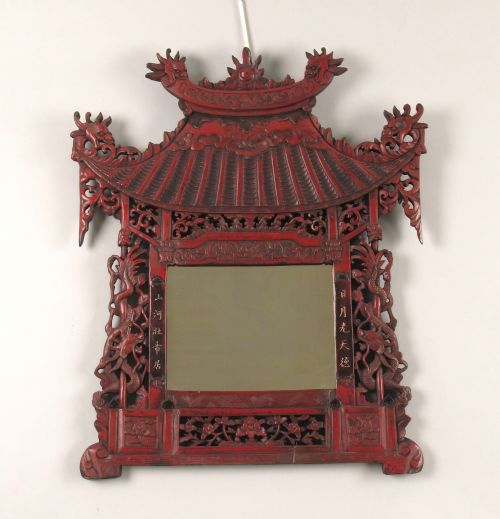


Chinoiserie Wall Hanging Mirror
A chinoiserie wall hanging mirror brings hand-painted lacquer and gilded pagoda motifs to a room, offering striking decorative presence.
Chinoiserie Wall Hanging Mirror
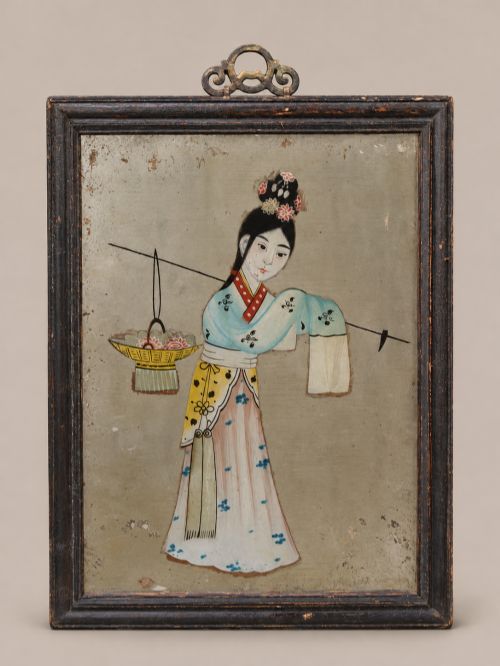
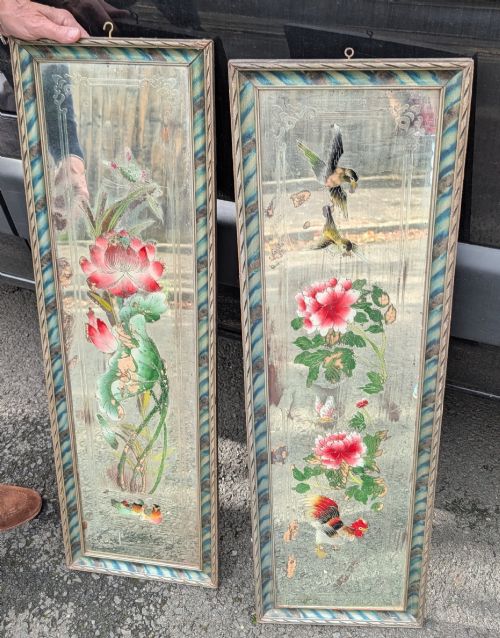
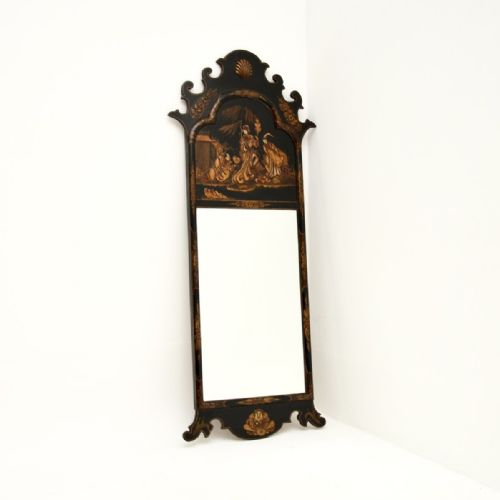
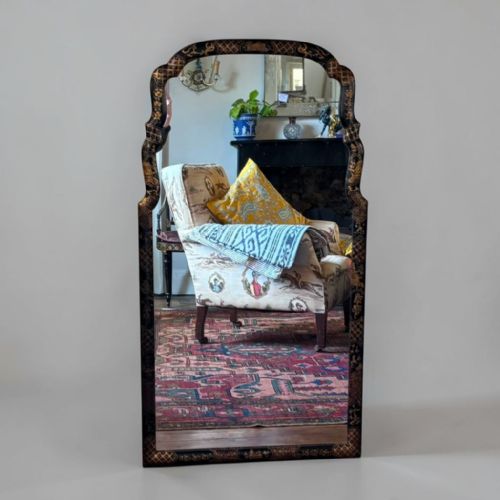
A chinoiserie wall hanging mirror takes many forms across different eras, spanning Georgian, Edwardian, and early twentieth-century interpretations. These pieces showcase decorative painted surfaces, carved wood frames, and distinctive Asian-inspired motifs.
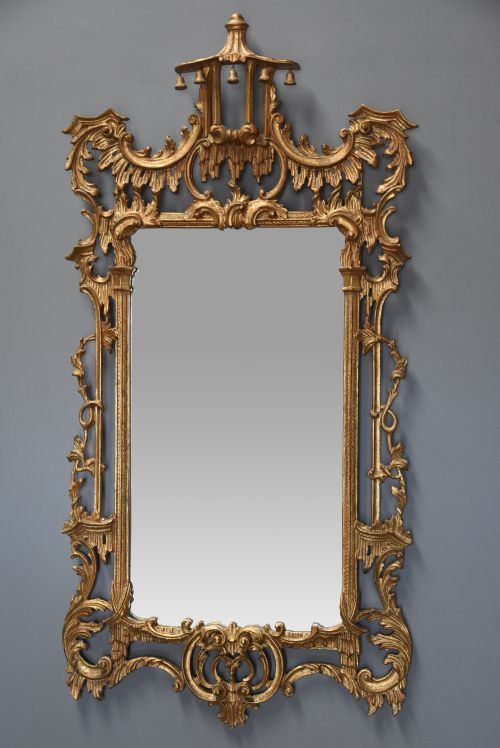
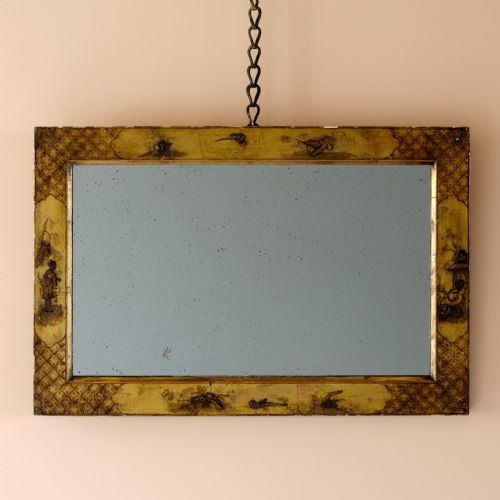
The most common examples encountered on this page date from the nineteenth and early twentieth centuries, including Edwardian pieces and Chinese Chippendale style frames. Such mirrors frequently feature lacquer work or giltwood construction.
Beyond standard wall mirrors, the selection encompasses specific variations like pier mirrors and red lacquered pagoda designs. Each piece delivers distinct visual character rooted in traditional decorative arts.
Materials and construction
Makers utilised wood, glass, and metal as the structural foundation for these frames, often applying elaborate layers of lacquer and paint. Gold leaf and giltwood provide the reflective, ornate surface sheen characteristic of the style.
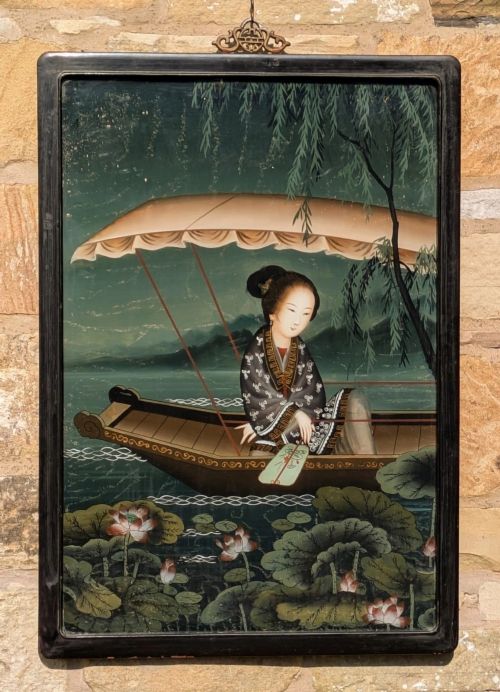
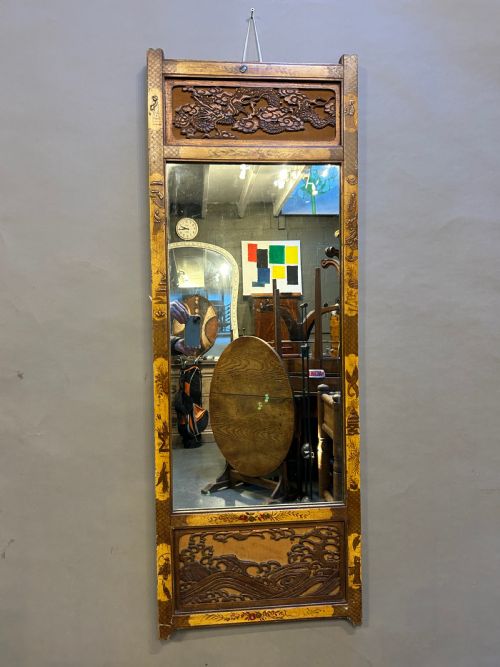
Carving and reverse painting on glass represent core techniques employed by artisans. These methods required precise hand skills to render the intricate figures, landscapes, and architectural details seen across the periods.
Chinoiserie Wall Hanging Mirror Retail Price Guide 2026
Typical asking prices for chinoiserie wall hanging mirror among the pieces listed under this phrase on Sellingantiques today, from the lower quarter to the upper quarter. They describe what is for sale here now, not the wider market.
The inventory includes specialised forms such as pier wall mirrors and red lacquer pagoda designs alongside standard wall-hanging mirrors.
Assessing quality and craftsmanship
Quality rests heavily on the depth of the hand-carved detail in the wood and the finesse of the painted or lacquered decoration. Superior examples display crisp definition in the motifs and stable application of gold leaf or paint.
The integration of the mirror glass within the frame and the overall structural integrity distinguish finer works from simpler decorative items. Period authenticity in the lacquer and gilding elevates the standing of an individual piece.
The Chinoiserie Wall Hanging Mirror Glossary
- Chinoiserie
- European artistic interpretation of Chinese and East Asian decorative styles, popular in furniture and mirrors. It relies on whimsical motifs, landscapes, and figures.
- Giltwood
- Wood that has been treated and coated with gold leaf or gold paint. This technique creates a bright, reflective surface finish on ornate frames.
- Japanned
- European imitation of East Asian lacquerwork, created by applying layers of varnish and heat-cured finishes. The process produces a glossy, dark surface often decorated with raised motifs.
- Pier mirror
- A tall mirror designed specifically to hang on the wall between windows, frequently placed above a pier table. These pieces often feature elongated proportions.
- Reverse painting on glass
- A technique where the artist paints directly onto the back of a glass panel so the image is viewed through the front. It creates a smooth, glossy presentation.
Chinoiserie Wall Hanging Mirror: Frequently Asked Questions
How do I hang a heavy antique mirror?
These frames require secure wall fixings suited to their weight, often utilising heavy-duty picture wire or mirror plates screwed directly into wall studs. Professional installation is recommended for larger giltwood or lacquered pieces.
Ensuring the wall anchor supports the load prevents frame distortion and protects the antique glass from accidental damage over time.
Where should I place this mirror?
A hallway, living room, or above a mantelpiece provides an ideal setting to showcase the decorative frame and reflect ambient light. Positioning the piece away from direct sunlight preserves the painted and lacquered surfaces.
Consider the surrounding wall space so the intricate carvings or pagoda details remain unobstructed and command visual attention.
How can I tell the period of a mirror?
Examine the construction methods of the wood frame, the characteristics of the mirror glass, and the style of the painted decoration. Edwardian and Victorian pieces often show distinct manufacturing traits compared to earlier Georgian examples.
Backboards, fixings, and wear patterns on the lacquer or gold leaf offer further clues regarding the age and origin of the piece.