



Chinoiserie Ceramic Bowl
A chinoiserie ceramic bowl brings European fantasy visions of East Asia into domestic spaces through painted porcelain, ironstone and delft.
Chinoiserie Ceramic Bowl
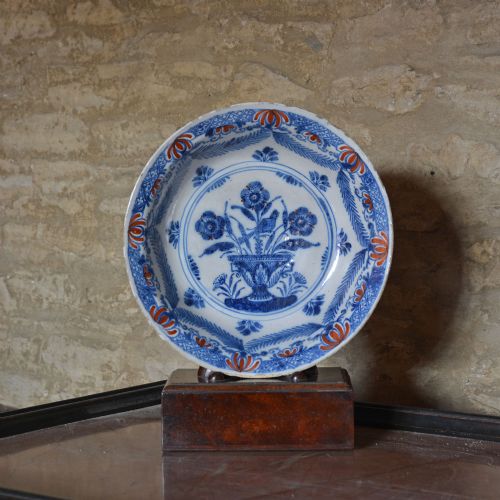
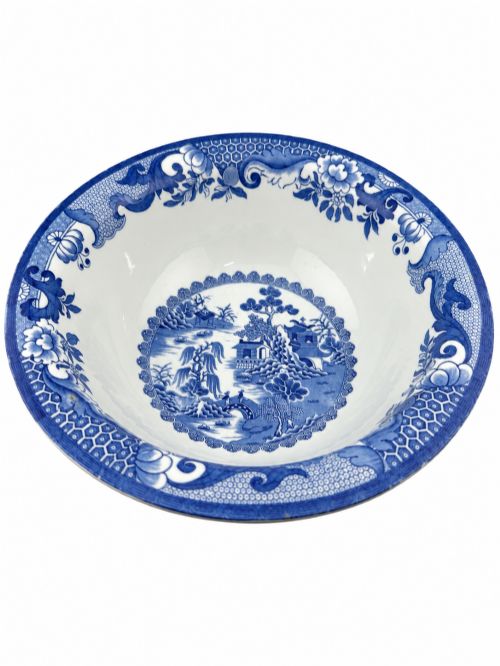
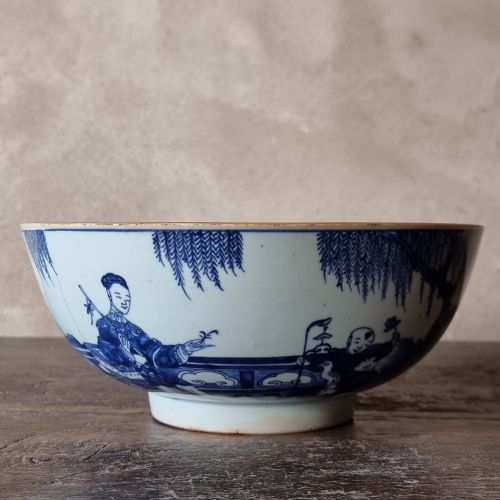
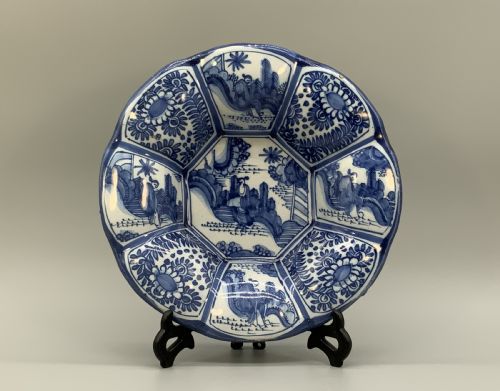
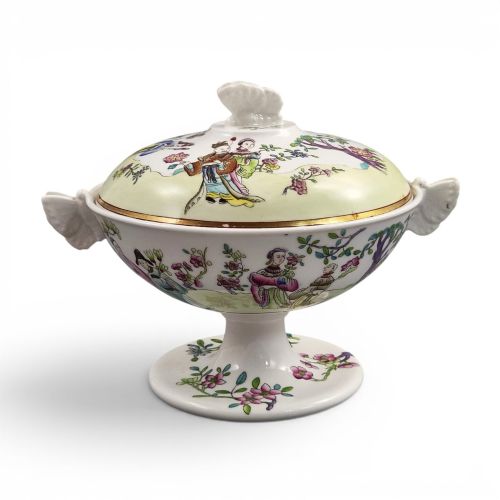
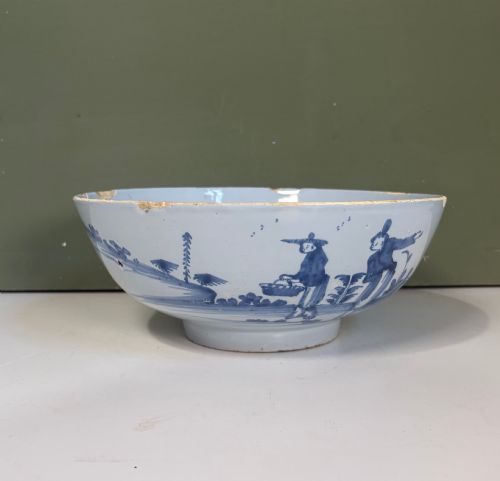
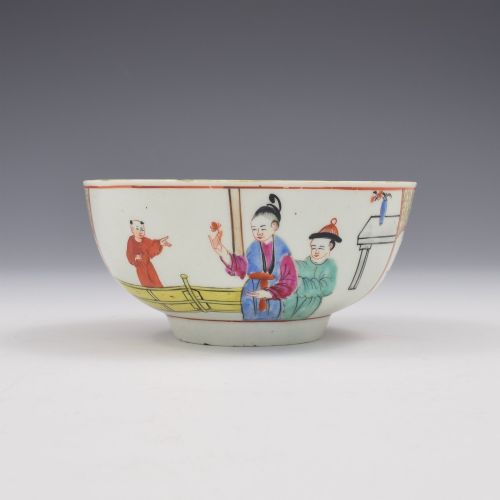
A buyer seeking a chinoiserie ceramic bowl encounters vessels decorated with European interpretations of Chinese and East Asian motifs, ranging from small tea bowls to large wash basin bowls and punch bowls. These pieces span centuries of production, originating from English factories like Worcester and Mason's as well as Dutch delftware potteries and Chinese export kilns.
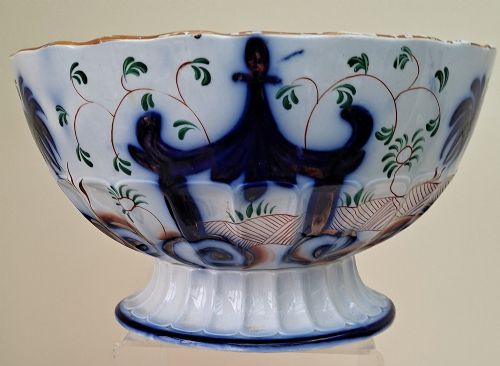
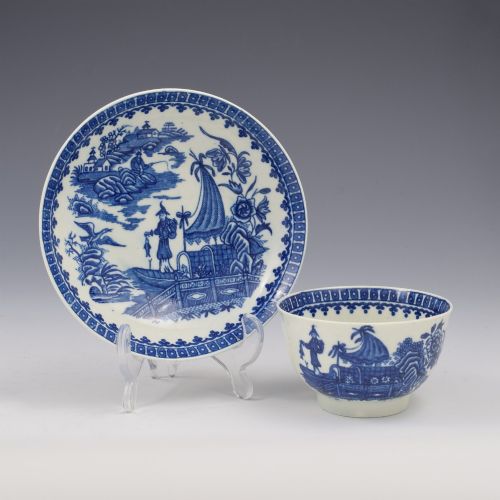
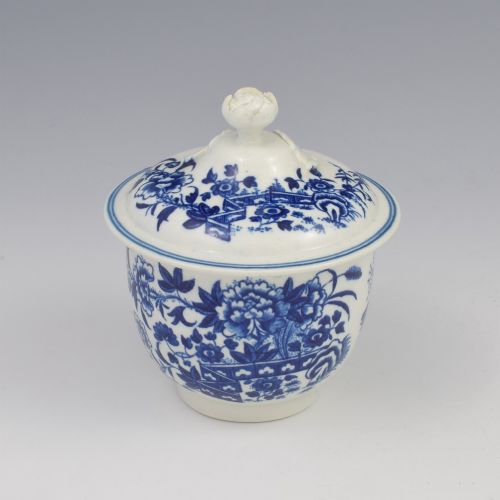
The forms on this page include decorative jardinieres, covered tureens, comports, and tea bowls alongside utilitarian jug and bowl sets. Eighteenth-century pieces often feature delicate hand-painted figures and landscapes in underglaze blue or polychrome enamels, while nineteenth-century ironstone examples provide heavier, more robust display items.
English porcelain manufacturers such as Spode, Derby, and Chamberlain Worcester adapted oriental patterns to suit Georgian and Victorian dining habits, often incorporating gilding. Alongside these sit Dutch delft bowls executed in kraak styles and Chinese export porcelain created specifically for the European market.
Materials and manufacturing techniques
Potters shaped these vessels using soft-paste or hard-paste porcelain, ironstone, earthenware, and tin-glazed delftware, firing them at varying temperatures to achieve different body densities. Ironstone provided a durable, heavy body suitable for large basins and tureens, whereas fine porcelain allowed for the translucent walls seen in eighteenth-century tea bowls.
Decoration relied on hand-painting using cobalt blue underglaze, enamel colours, and gold leaf highlights, sometimes fixed with secondary kiln firings. Specialised painters applied intricate pagoda scenes, mandarin figures, and floral compositions directly onto the raw glaze or over fired white surfaces.
Chinoiserie Ceramic Bowl Retail Price Guide 2026
Typical asking prices for chinoiserie ceramic bowl among the pieces listed under this phrase on Sellingantiques today, from the lower quarter to the upper quarter. They describe what is for sale here now, not the wider market.
Listings feature porcelain, ironstone, and earthenware bodies decorated with gold leaf, enamel, and underglaze blue.
Distinctions in quality and execution
Quality rests upon the crispness of the hand-painted brushwork and the complexity of the chinoiserie composition, where fluid, detailed figures command greater appreciation than stiff or repetitive transfer-printed outlines. The refinement of the ceramic body, particularly the thinness and translucency of early porcelain versus the utility of heavy ironstone, dictates the tier of the piece.
The preservation of delicate details such as enamel colours and gold leaf highlights influences the desirability of a vessel. Potteries that employed skilled independent decorators or master painters achieved a depth of colour and precision in their pagoda and dragon patterns that lesser commercial workshops did not replicate.
Dr Wall Worcester·Spode·Mason·Wedgwood·Chamberlain Worcester·Copeland and Garrett·James Giles·Derby
The Chinoiserie Ceramic Bowl Glossary
- Chinoiserie
- European decorative style reflecting imaginative interpretations of Chinese and East Asian artistic traditions. It appears frequently on ceramics through motifs of mandarins, pagodas, and exotic birds.
- Ironstone
- A heavy, durable patented earthenware developed in the early nineteenth century to imitate porcelain. It provided a robust body for large basins, comports, and tureens.
- Slop bowl
- A small ceramic bowl used during tea service to discard cold tea leaves or leftover dregs before pouring a fresh cup. They are commonly found in eighteenth-century porcelain tea sets.
- Delft
- Tin-glazed earthenware produced in the Netherlands and England, typically featuring blue and white decoration. Early examples often mimic Chinese export porcelain styles.
- Comport
- A raised decorative dish or bowl used for serving fruit or sweets at the dining table. They frequently feature footed pedestals and transfer-printed or hand-painted oriental patterns.
Chinoiserie Ceramic Bowl: Frequently Asked Questions
What were punch bowls used for?
Punch bowls held mixed drinks containing spirits, water, citrus, and spices served communally during eighteenth-century gatherings and banquets.
Their large capacity allowed hosts to mix and serve beverages directly to guests around the dining table.
How do I display a large basin?
Large basins and wash bowls work well placed upon sturdy wooden stands or side tables as standalone decorative centerpieces.
Their generous proportions and painted interiors draw the eye when positioned at a low level in a room.
What is the difference between porcelain and ironstone?
Porcelain is a vitreous, translucent ceramic fired at high temperatures, whereas ironstone is a dense, opaque earthenware designed for durability.
Ironstone offers a heavier, thicker body that resists chipping better than delicate porcelain tea bowls.