


Chinoiserie Blue White Bowl
A chinoiserie blue white bowl brings the European imagination of East Asia into domestic porcelain and earthenware.
Chinoiserie Blue White Bowl
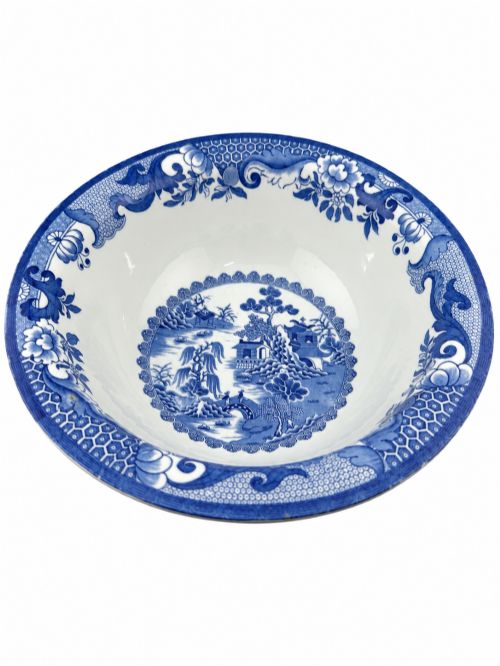
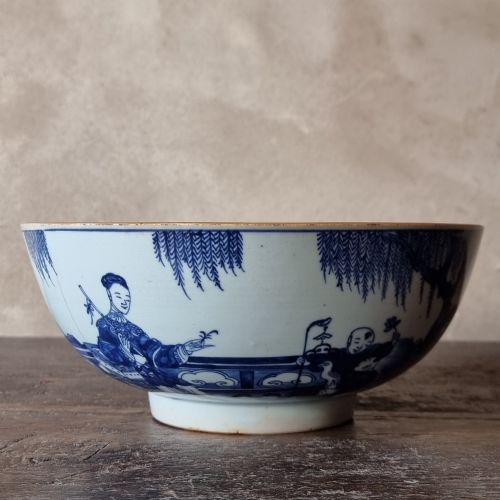
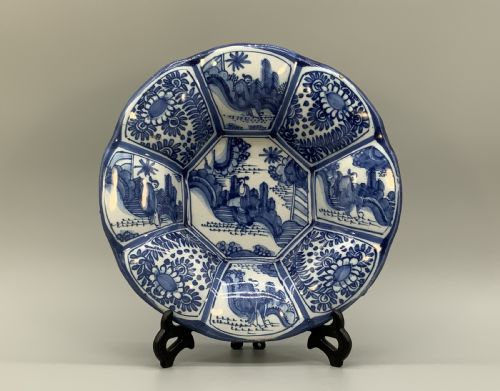
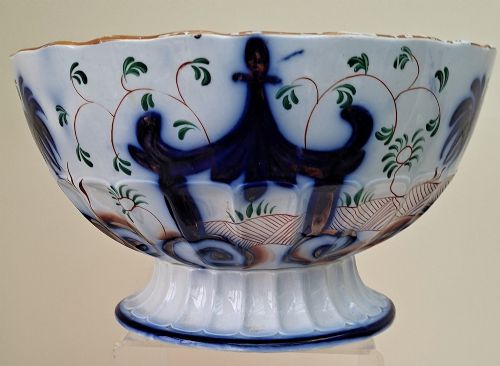
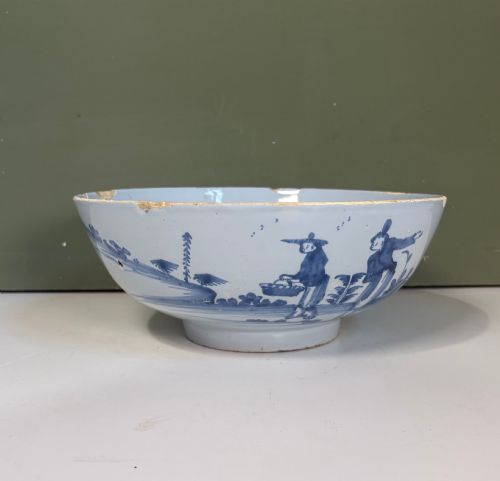
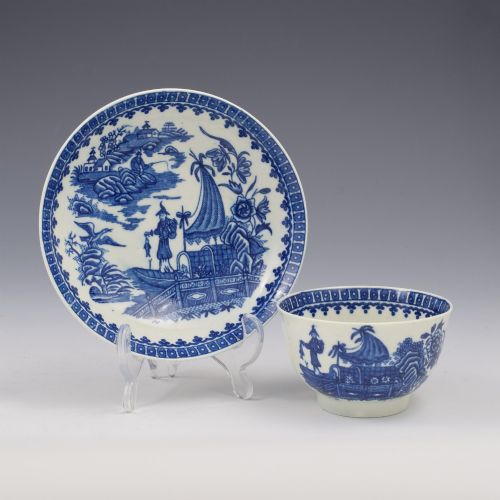
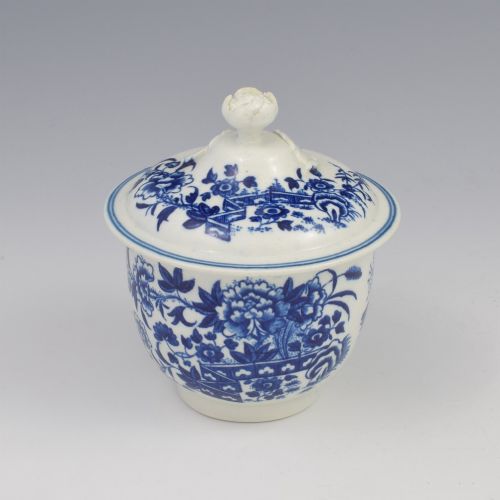
A chinoiserie blue white bowl spans centuries of ceramic production, taking forms from punch bowls and tea bowls to footed bowls and tureens. The selection ranges from 18th century pieces to Victorian examples, incorporating Dutch Delft and English porcelain.
The aesthetic bridges European forms with motifs inspired by Chinese export goods and Qing Dynasty styles. Buyers meet everything from Chinese punch bowls to domestic earthenware carrying pagoda patterns and fence designs.
How They Were Made
Potters utilised materials such as porcelain, soft-paste porcelain, earthenware, tin-glazed earthenware, and ironstone. Cobalt oxide and cobalt glaze provided the signature blue pigment applied beneath or within the glaze.
Techniques varied between the delicate potting of First Period Worcester and the heavier construction of Dutch Delft and Victorian ironstone. Firing methods dictated whether the body achieved translucency or remained opaque earthenware.
Listings feature 18th century and Victorian periods, with materials spanning porcelain, earthenware, and ironstone.
What Varies in Quality
The refinement of the ceramic body and the clarity of the cobalt glaze separate finer pieces from heavier utilitarian wares. Soft-paste porcelain and early Worcester examples display superior translucency and intricate hand-painting compared to robust earthenware.
Artistic execution of the chinoiserie scenes, from delicate figures to architectural pagoda motifs, determines the distinction within the range. The crispness of the cobalt decoration reveals the skill of the painter.
Derby porcelain·Masons Ironstone·Copeland and Garrett
The Chinoiserie Blue White Bowl Glossary
- Chinoiserie
- European decorative style reflecting Chinese artistic influences, popular across furniture and ceramics. It reinterprets Asian motifs through Western eyes.
- Cobalt Oxide
- Mineral pigment used to achieve the deep blue colour on pottery and porcelain before firing. It reacts with heat to produce varied shades under the glaze.
- Tin-Glazed Earthenware
- Pottery coated with a white tin oxide glaze that provides an opaque background for painted decoration. This technique defines traditional Delftware.
- Soft-Paste Porcelain
- Ceramic body made from clay mixed with glass frit, fired at lower temperatures than hard-paste porcelain. It was widely used by 18th-century English factories like Worcester and Derby.
- Sucrier
- Covered bowl designed for holding sugar, frequently produced alongside tea bowls and saucers. It forms part of coordinated tea ware sets.
Chinoiserie Blue White Bowl: Frequently Asked Questions
How do I date an 18th century bowl?
Dating relies on identifying the ceramic body, glaze characteristics, and potting style. Soft-paste porcelain and tin-glazed earthenware point to specific manufacturing periods.
Maker marks, where present, help narrow the date further alongside characteristic hand-painted blue and white motifs.
What is the difference between porcelain and earthenware?
Porcelain is vitrified, dense, and often translucent, requiring high kiln temperatures. Soft-paste porcelain and hard-paste varieties both fall into this category.
Earthenware is opaque, more porous, and fired at lower temperatures. Tin-glazed earthenware and ironstone represent this heavier group.
How were these bowls used historically?
Punch bowls and tea bowls served beverages during social gatherings in the 18th century. Large vessels held liquids or food at the dining table.
Other forms functioned as sugar bowls, jardinières, or decorative dishes displayed in domestic interiors.
Are Dutch Delft bowls different from English pieces?
Dutch Delft utilises tin-glazed earthenware with opaque white surfaces suited to bold cobalt painting. Kraak style influences often appear on these pieces.
English factories like Worcester focused predominantly on porcelain bodies, achieving finer painted details on tea wares and punch bowls.