



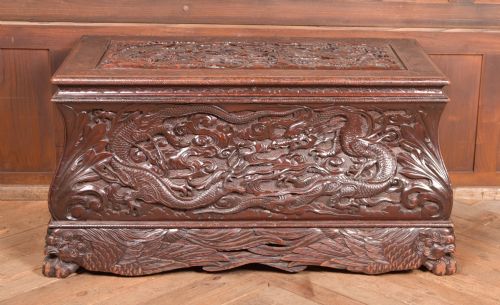

Chinese Wooden Carving
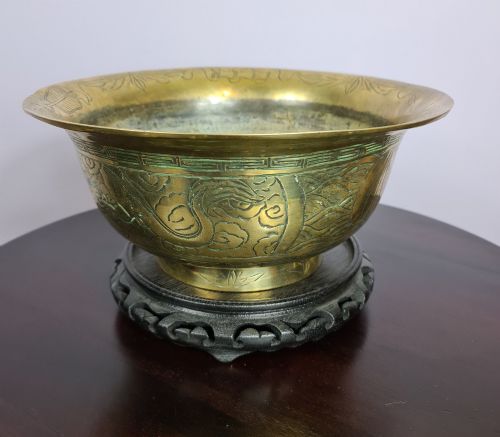
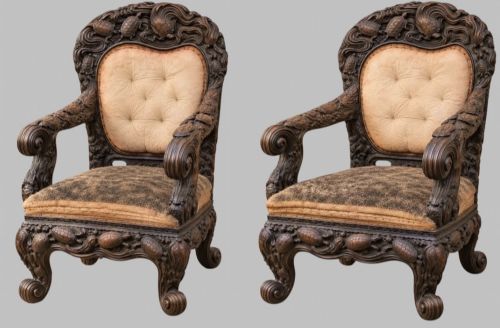
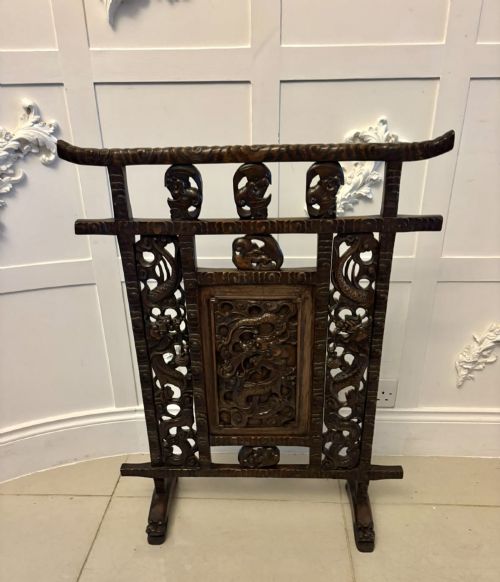
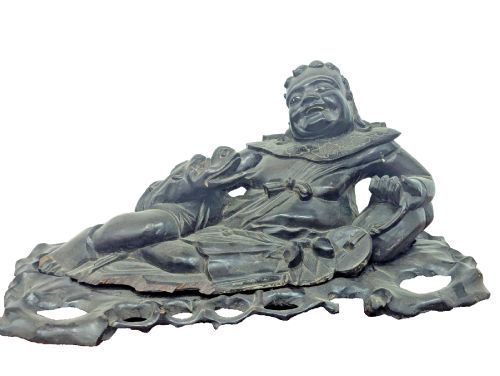
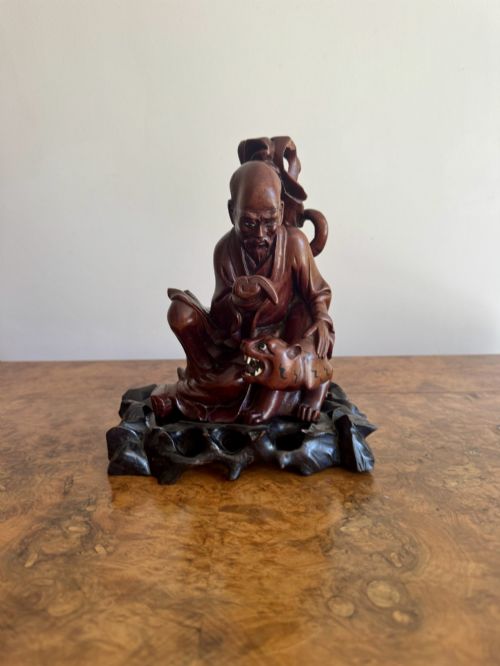
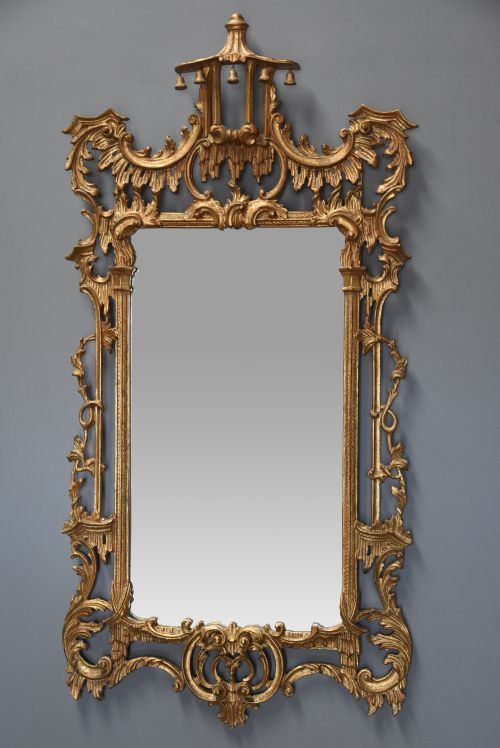
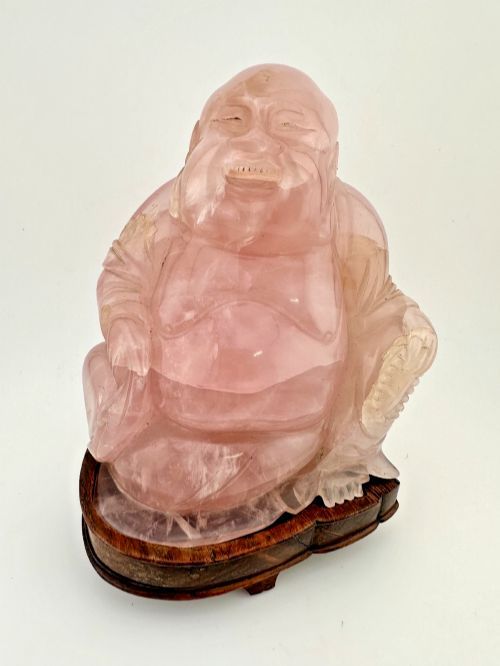
A chinese wooden carving brings dense grain and deep relief into a room, spanning figures, furniture, and temple architecture.
Chinese Wooden Carving
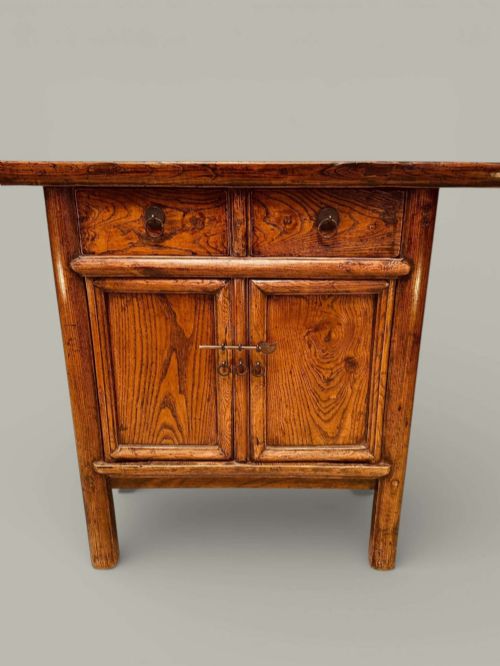
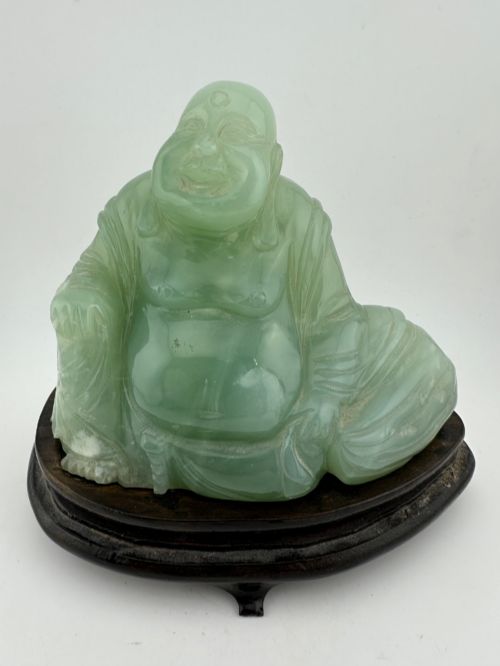
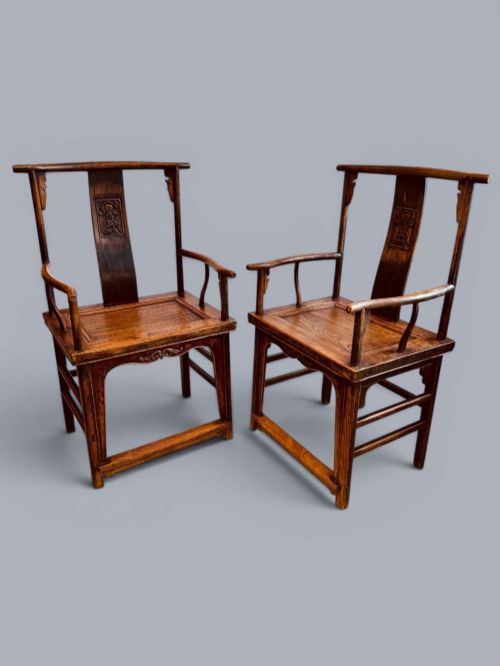
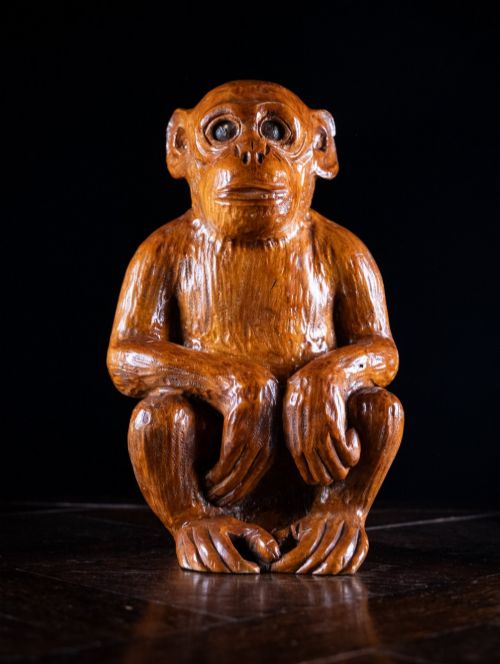
A chinese wooden carving encompasses domestic seating, scholar's items, and figural sculptures produced across the eighteenth and nineteenth centuries into the mid-twentieth century. Buyers encounter utilitarian pieces such as elm yokeback armchairs and camphor trunks alongside decorative temple pediments and figural sculptures.
The material range runs from dense rosewood and padouk to native elm and camphor wood, often paired with marble inserts or brass mounts. Pieces arrive from distinct eras including the Qing dynasty and the Victorian period, reflecting both traditional workshop output and pieces made for export.
Materials and Construction
Craftsmen utilised heavy dense timbers such as rosewood, huanghuali, and hongmu, relying on traditional joinery methods that avoided metal nails in structural frames. Surfaces were carved in deep relief, lacquered, painted, or polished to reveal the natural grain of the wood.
Secondary materials such as marble insets, brass mounts, and polychrome pigments were incorporated into larger forms like armchairs, tables, and shrines to add structural contrast and visual weight.
Chinese Wooden Carving Retail Price Guide 2026
Typical asking prices for chinese wooden carving among the pieces listed under this phrase on Sellingantiques today, from the lower quarter to the upper quarter. They describe what is for sale here now, not the wider market.
Several camphor trunks retain their distinct aromatic scent after more than a century, quietly perfuming the room they inhabit.
Assessing the Workmanship
The distinction between standard items and superior examples lies in the crispness of the chisel work and the depth of the carved relief. Finer figural sculptures and furniture display intricate detailing in facial expressions, drapery folds, and symmetrical joinery.
Patina and timber selection dictate visual success, with tightly grained rosewood and elm retaining a warm surface texture that denotes careful historic maintenance and superior initial material selection.
The Chinese Wooden Carving Glossary
- Yokeback armchair
- A traditional seating form featuring a curved crestrail resembling a yoke, seen in elm and hardwood variants. This design offers ergonomic support and clean architectural lines.
- Hongmu
- A dense, heavy tropical hardwood prized for its deep colour and durability in Chinese furniture making. It translates literally to red wood.
- Lokapala
- A Guardian King sculpture depicted in fierce armour, traditionally placed to protect sacred spaces. These large wooden carvings display dynamic stances and elaborate armour detailing.
- Qing Dynasty
- The final imperial dynasty of China, spanning from sixteen-forty-four to nineteen-twelve, which produced the majority of antique carvings seen today. Pieces from this era reflect established imperial aesthetics and regional folk traditions.
Chinese Wooden Carving: Frequently Asked Questions
How do I clean a carved wooden piece?
Dust surfaces regularly with a dry, soft brush to prevent particulate buildup in the deep crevices of the carving. Avoid chemical polishes and water, which can damage historic lacquered finishes and dry out dense hardwoods.
Apply a microcrystalline wax sparingly if the timber appears dry, buffing gently to maintain the natural patina built up over generations.
Where were these carvings displayed historically?
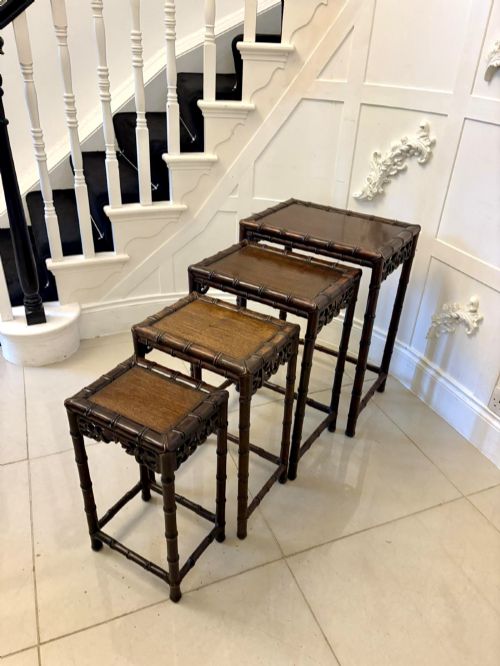
Domestic items like nest of tables, opium tables, and armchairs sat within scholar's studios and reception rooms. Figural sculptures and shrines occupied prominent positions in homes or domestic altars.
Larger architectural elements such as temple pediments functioned as structural ornaments within larger buildings and ceremonial spaces.
How do I identify elm versus rosewood?
Elm presents a pronounced, visible grain pattern with a lighter, warmer tone and is typically utilised in rustic seating and storage furniture. It offers a fibrous, resilient structure suited to daily domestic utility.
Rosewood, including varieties like hongmu and huanghuali, feels notably heavier, exhibits a darker red-brown or purple hue, and takes a high, dense polish.
Can I use these tables for daily dining?
Low tables, opium tables, and nest of tables were built for specific domestic tasks such as serving tea or supporting scholar's objects. Their delicate joinery and historic surfaces require careful handling rather than heavy daily wear.
Protect the timber tops from moisture and direct heat by using coasters and placemats if placed into active modern living spaces.