


Chinese Wood Furniture
Chinese wood furniture brings together centuries of dense hardwoods, marble insets and intricate joinery to anchor a room with distinct historical presence.
Chinese Wood Furniture
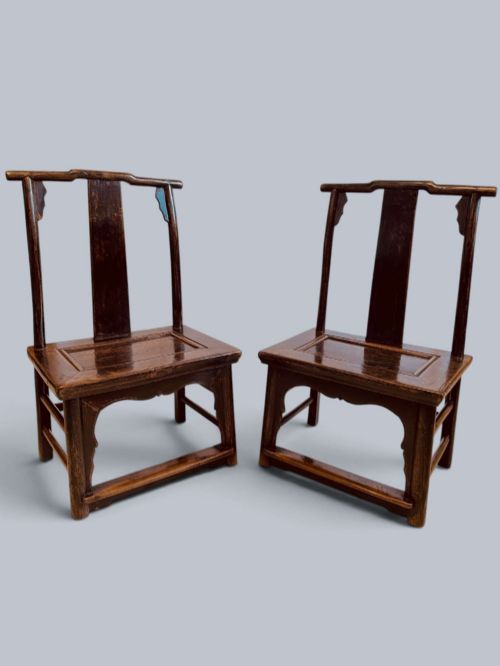
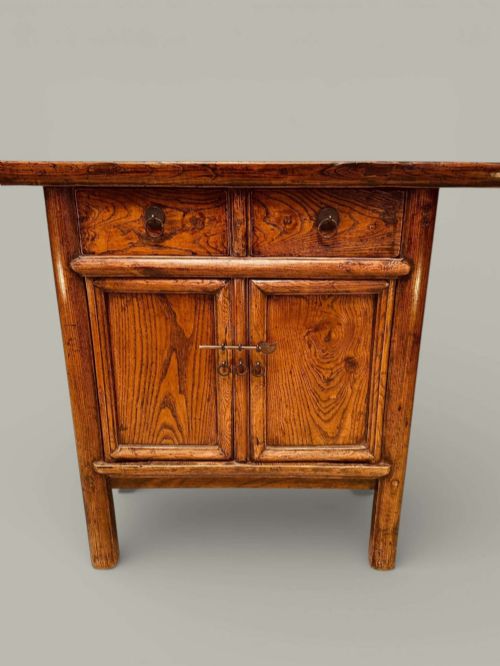
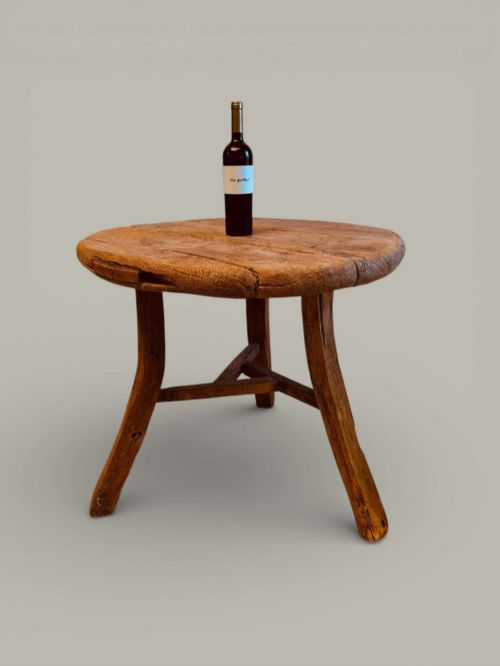
Chinese wood furniture encompasses a broad spectrum of domestic and ceremonial forms, ranging from modest elm side tables to intricately carved rosewood altar tables and horseshoe-back armchairs. These pieces reflect diverse periods of manufacture, primarily spanning the late eighteenth century through to the early twentieth century.
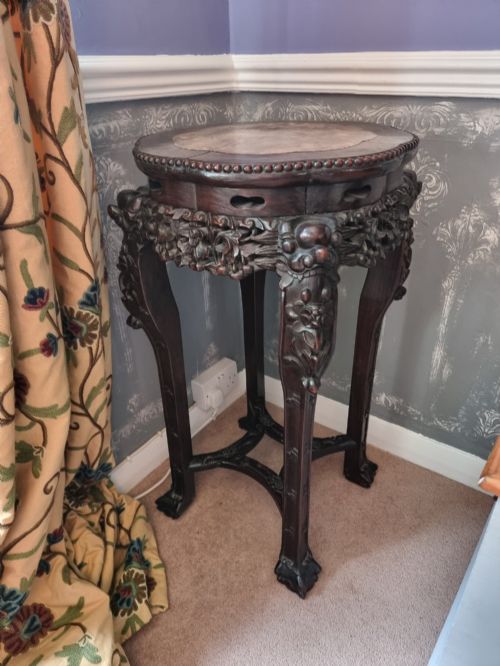
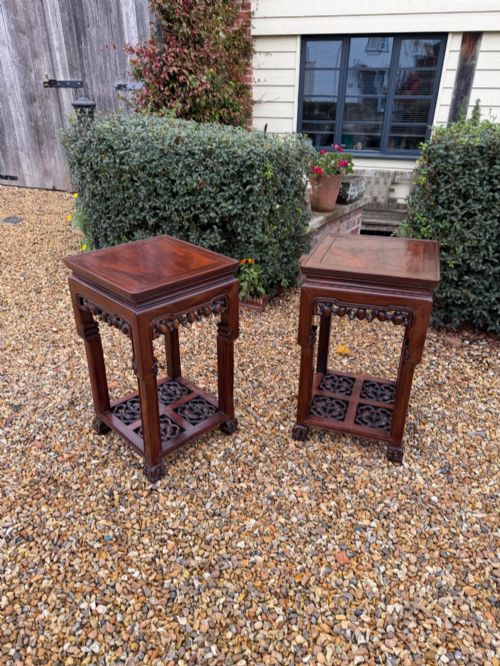
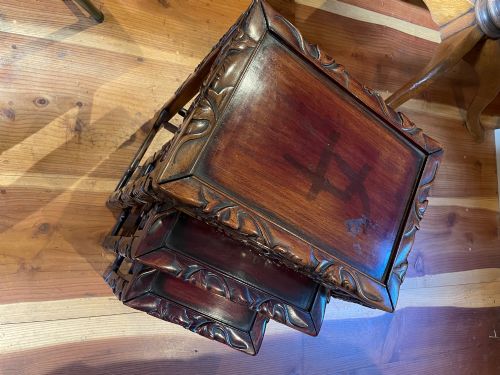
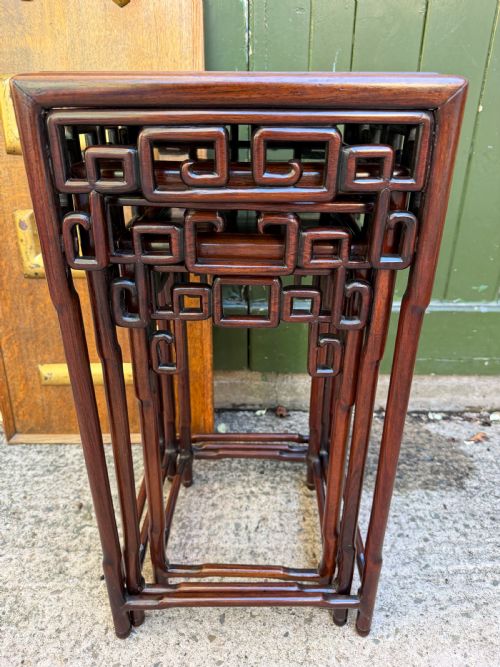
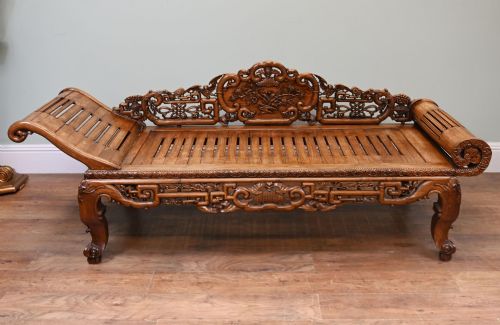
Buyers seeking Chinese wood furniture will frequently encounter functional seating, stands, low tables and cabinetry originating from traditional workshops, export trade operations and regional provincial centres. Common forms include nests of tables, opium benches, display cabinets and pedestal stands designed for plants or decorative objects.
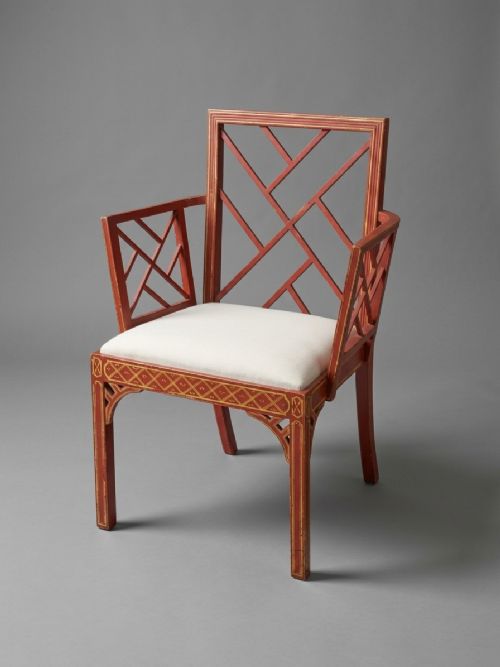
The materials and styles visible in these pieces draw upon both domestic Chinese traditions, such as Qing Dynasty scholar aesthetics, and pieces tailored for Western markets through Chinese export channels. This variety allows collectors to select items that range from utilitarian elm furniture to highly decorative hongmu and lacquered pieces.
Materials and Construction
The construction of Chinese wood furniture relies heavily on dense hardwoods like rosewood, hongmu, padouk and elm, which provide structural stability without the need for excessive metal fixings. Many traditional items utilise precise interlocking joinery systems that allow the timber to expand and contract naturally with changes in humidity.
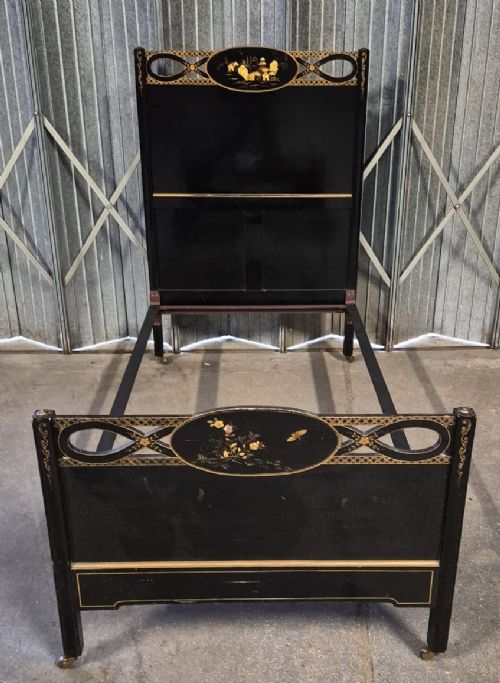
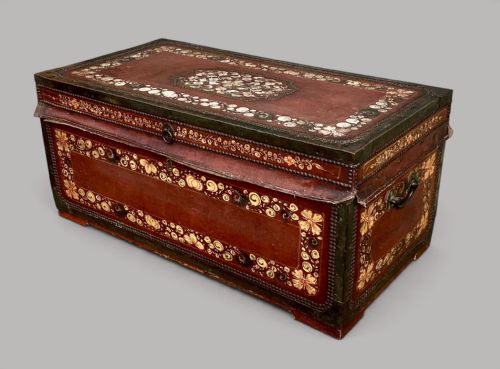
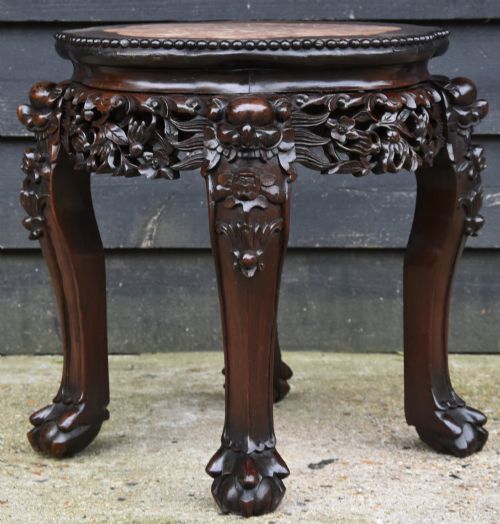
Surface treatments play an integral role, incorporating natural lacquer, cinnabar, painted finishes and polished wood surfaces that highlight the grain. Details such as inset marble panels, brass bindings, mother-of-pearl or carved low-relief ornamentation are frequently integrated into the primary wooden framework.
Chinese Wood Furniture Retail Price Guide 2026
Typical asking prices for chinese wood furniture among the pieces listed under this phrase on Sellingantiques today, from the lower quarter to the upper quarter. They describe what is for sale here now, not the wider market.
Some nineteenth-century medicine cabinets retain dozens of tiny, secret drawers once filled with dried herbs and animal ingredients.
What Varies in Quality
Quality in Chinese wood furniture is determined by the selection of timber, the density of the grain, and the crispness of the hand-carved ornamentation. Heavier, tightly grained hardwoods such as hongmu and rosewood denote higher tier construction compared to standard utility timbers.
The integrity of the traditional joinery and the survival of original surface finishes, whether polished hardwood, lacquer or applied marble panels, dictate the historical value and visual coherence of the piece.
The Chinese Wood Furniture Glossary
- Hongmu
- A category of dense, dark tropical hardwoods prized by traditional Chinese cabinetmakers for its weight and rich colour.
- Yoke-Back Armchair
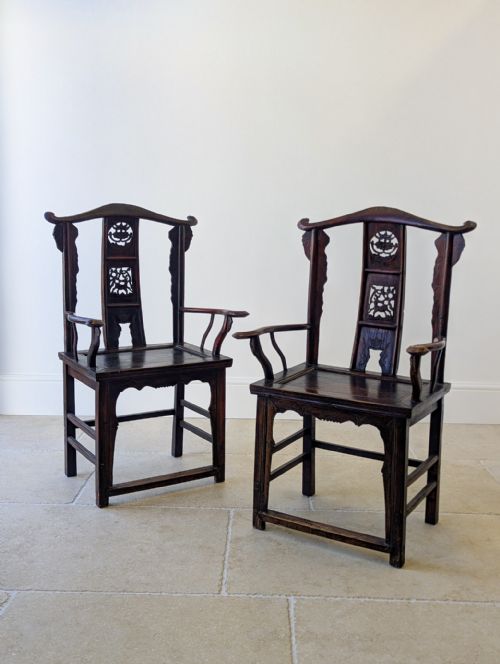
- A traditional chair design featuring a curved top rail resembling a ox yoke, offering ergonomic support for the sitter.
- Opium Table
- A low, rectangular table traditionally used in domestic settings for reclining, dining or serving tea.
- Altar Table
- A long, narrow table historically used in ancestral halls or temples, characterised by upturned flange ends and carved aprons.
- Cinnabar Lacquer
- A technique involving the application of numerous layers of red mercuric sulphide varnish which are subsequently carved with intricate motifs.
Chinese Wood Furniture: Frequently Asked Questions
How do I identify traditional Chinese hardwood furniture?
Examine the weight, density and grain of the timber, as traditional pieces frequently utilise heavy hardwoods like rosewood, hongmu or padouk rather than lighter Western commercial woods. Look closely at the construction methods to identify traditional interlocking joinery.
Check for period-specific design motifs such as horseshoe backs, yoke rails or carved aprons that align with Qing Dynasty or early twentieth-century manufacturing standards. Original surfaces often display a deep, mellow patina built up through decades of handling and wax application.
Where were low tables and stands placed in a traditional home?
Low tables and stands served multiple utilitarian and decorative functions within the domestic interior, frequently positioned beside seating or against walls. Plant stands and jardiniere tables elevated bonsai trees or decorative ceramics to prominent viewing heights.
Nests of tables offered flexible surface space that could be separated when entertaining guests and stacked compactly when not in use. Altar tables and side tables occupied central positions in reception rooms to display ancestral tablets, ritual vessels or scholarly objects.
How should I care for antique rosewood and elm furniture?
Maintain stable indoor humidity levels and keep wooden pieces away from direct heat sources, radiators and strong sunlight to prevent the timber from splitting or warping. Dust the surfaces regularly with a soft, dry cloth and apply a microcrystalline wax sparingly to nourish the grain.
Avoid using modern chemical polishes, silicone sprays or abrasive cleaners that can damage traditional lacquer or soften the historical patina. Inset marble panels require gentle cleaning with a damp cloth followed by immediate drying to protect the stone surface.
What is the difference between domestic Chinese and export pieces?
Domestic Chinese furniture was constructed primarily for local use according to traditional aesthetic principles, cultural rituals and regional domestic needs. These pieces often reflect specific regional preferences in joinery, timber selection and minimalist or scholarly designs.
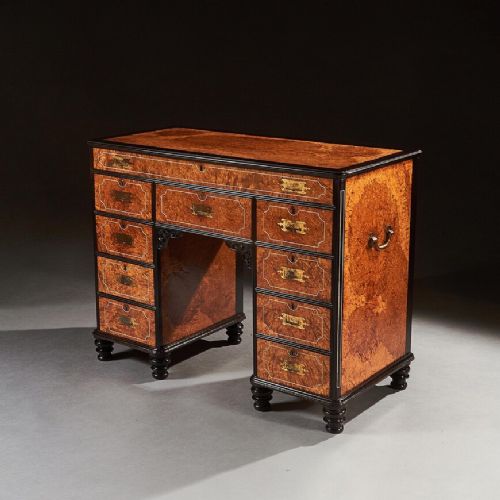
Export furniture was produced specifically for Western markets, frequently incorporating hybrid styles such as Chinoiserie ornamentation, campaign brass hardware or adapted European cabinet forms. This dual lineage means export items may blend traditional Chinese joinery techniques with Western proportions and decorative tastes.