




Chinese Temple Statues
Chinese temple statues bring centuries of sacred craft and monumental presence into a room, spanning guardian figures, lions and deities.
Chinese Temple Statues
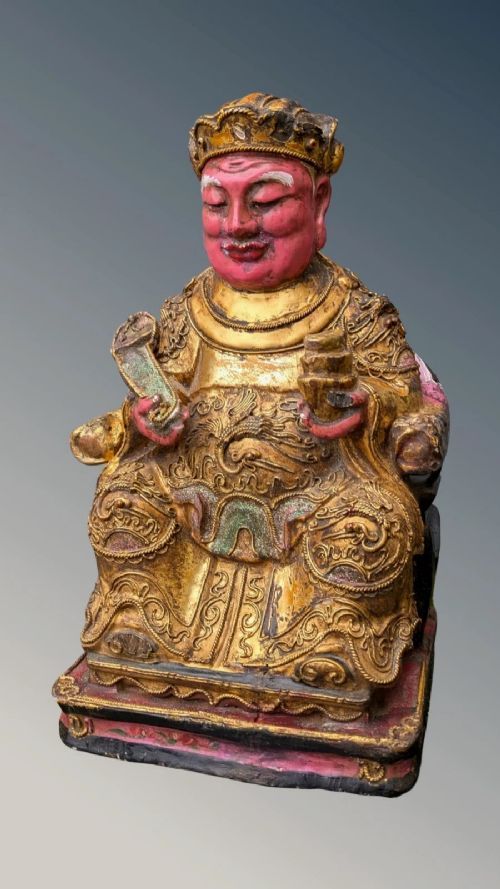
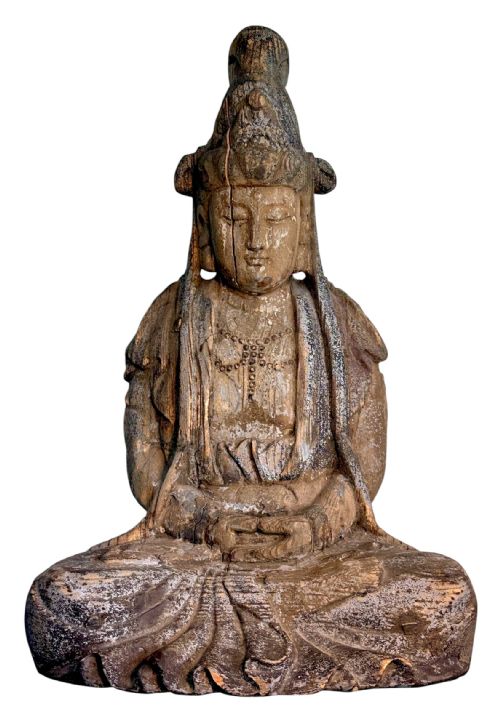
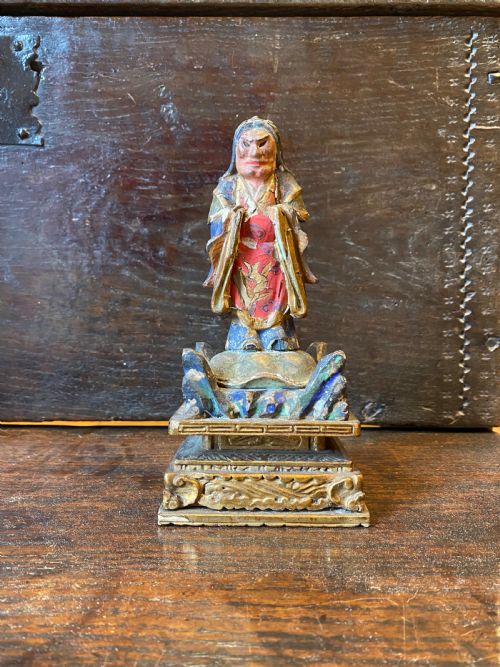
Chinese temple statues encompass sculpted representations of Buddhist lions, guardian kings, deities and civil officials originally created for sacred spaces. These works appear in forms ranging from monumental wooden figures to glazed ceramic sculptures and cast bronze temple guardians. A buyer exploring this category encounters various iterations spanning dynasties and later nineteenth-century interpretations.
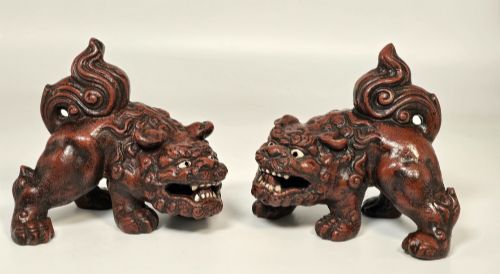
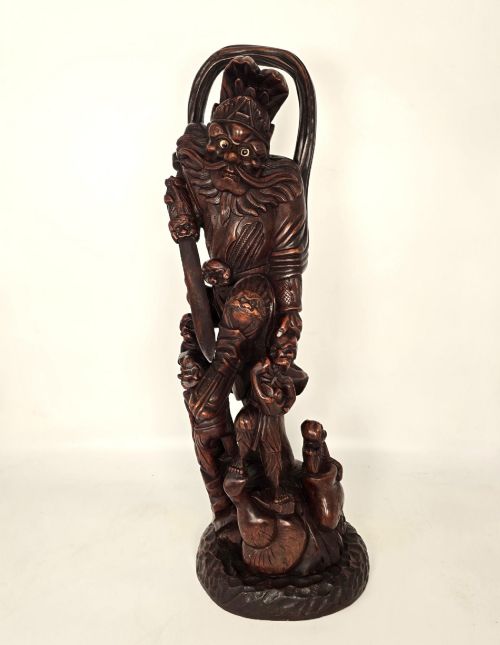
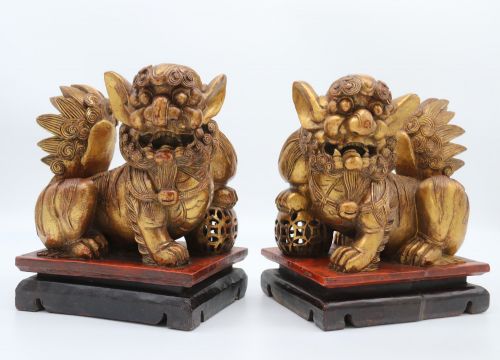
The most common pieces on this page are carved wood temple guardians and paired foo dogs dating from the nineteenth century. These sculptures often feature traces of original gilt and polychrome paint upon carved timber or hardwood bodies. Smaller ceramic sculptures and bronze lion figures also feature regularly among the listings.
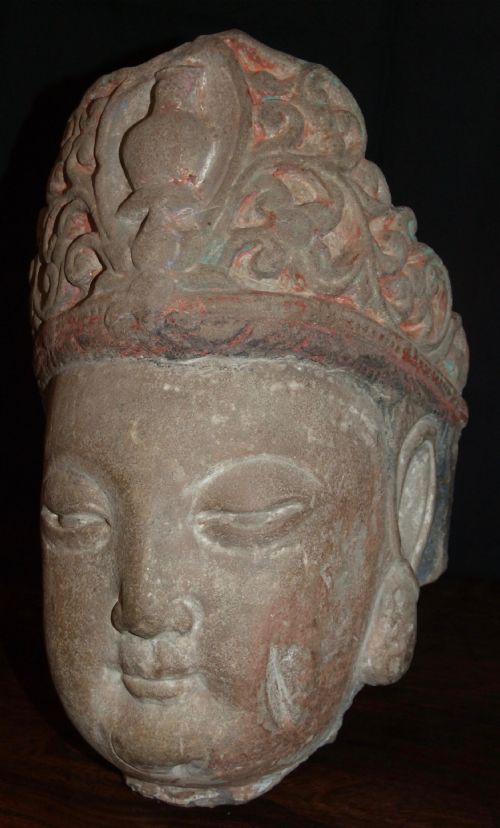
Examples stretch from pre-sixteenth century sandstone heads to early twentieth-century bronze temple lions. Regional variations and specific stylistic periods, such as the Qing and Ming dynasties, shape the character of each individual statue.
Materials and Techniques
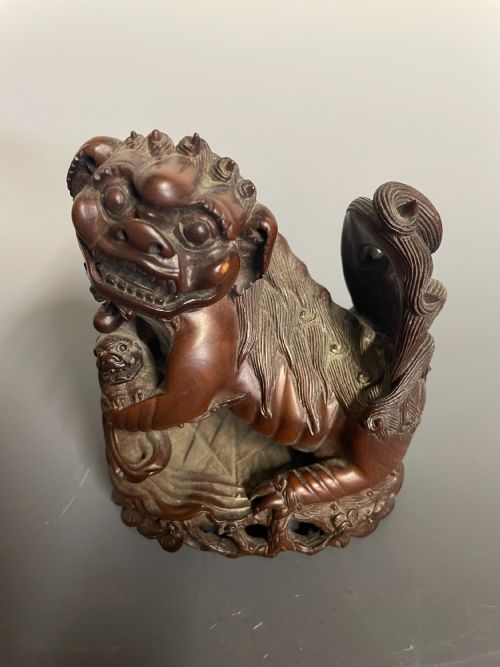
Makers shaped these sculptures primarily from carved wood, hardwood and boxwood, frequently applying layers of gold leaf, lacquer and polychrome paint. Gilt wood surfaces combine carved detail with applied metallic leaf that catches the light within temple interiors. Stoneware, sandstone and ceramics provide alternative mediums for figures formed through moulding or direct carving.
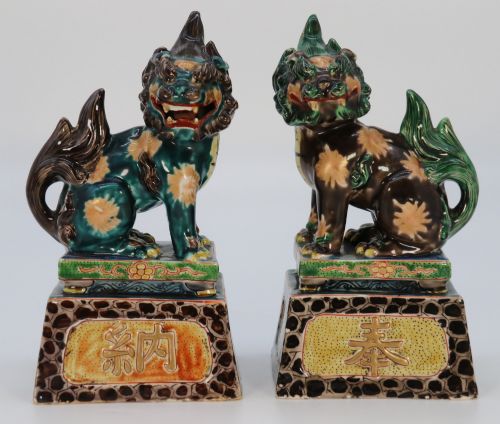
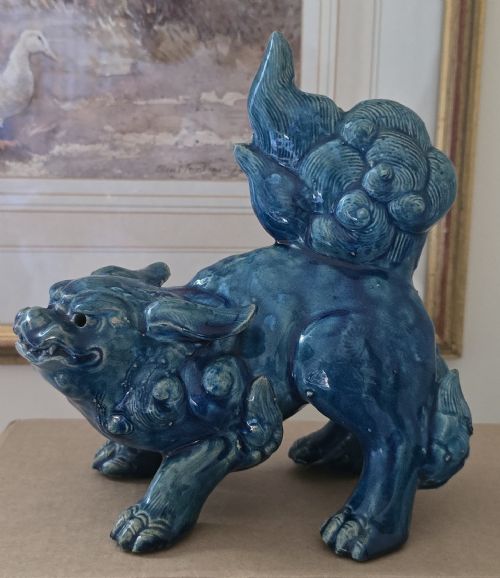
Bronze and cast metals appear in heavier temple lions, utilising traditional casting methods to achieve durable guardian figures. Glazed ceramics incorporate turquoise and pale green finishes over pottery bodies, reflecting specific regional kilns and ceramic traditions. Artisans combined joinery, carving, gilding and glazing to complete each sacred figure.
Chinese Temple Statues Retail Price Guide 2026
Typical asking prices for chinese temple statues among the pieces listed under this phrase on Sellingantiques today, from the lower quarter to the upper quarter. They describe what is for sale here now, not the wider market.
Current listings feature pieces spanning the seventeenth through to the twentieth century, incorporating wood, bronze, ceramic, sandstone and carved hardwood.
Assessing Quality and Character
The weight and integrity of the material, whether dense hardwood, cast bronze or substantial sandstone, distinguish substantial architectural works from smaller decorative objects. Patina accumulated through age and ritual use provides an authentic depth that distinguishes older works from later revivals.
The Chinese Temple Statues Glossary
- Polychrome
- Painted in several colours. This term describes statues retaining their original pigments on wood or ceramic surfaces.
- Lokapala
- A heavenly king or guardian figure in Buddhist tradition. These statues typically stand with fierce expressions and armour.
- Gilt
- Covered thinly with gold leaf or gold paint. This finish highlights the ornate details of temple carvings.
- Shiwan
- A style of Chinese ceramic pottery known for distinctive glazes. Shiwan figures often portray Buddhist subjects and lions.
Chinese Temple Statues: Frequently Asked Questions
What is a foo dog statue?
Foo dogs are stylized guardian lions traditionally placed at the entrances of imperial palaces, tombs and temples to provide symbolic protection.
They appear in pairs, with one typically holding a ball and the other a cub, representing yin and yang.
How do I date an antique temple statue?
Dating relies on examining the tool marks, wood shrinkage, wear patterns in the lacquer or gilt, and stylistic traits specific to dynasties like the Ming or Qing.
Comparing the sculptural style and material composition with documented examples helps establish the likely period of creation.
Where were temple statues originally placed?
These statues stood inside Buddhist or Daoist temples, often flanking altars, guarding doorways or positioned within shrines to honour deities and officials.
Larger stone and bronze lions guarded exterior thresholds, while wooden and ceramic figures resided within sacred halls.
How do I care for a wooden temple statue?
Wooden and gilt statues require stable indoor humidity and protection from direct sunlight to prevent the wood from cracking and the lacquer from lifting.
Dusting gently with a soft, dry brush preserves delicate polychrome surfaces without introducing moisture.