





Chinese Style Bowl
A chinese style bowl brings centuries of ceramic artistry into your home, offering bold cobalt motifs, delicate painted enamels, and deep imperial dragon designs.
Chinese Style Bowl
A chinese style bowl encompasses diverse forms ranging from large punch bowls and deep saucer-dishes to stem cups, brush washers, and jardinieres. These pieces originate across multiple periods, most notably the eighteenth and nineteenth centuries, alongside Edwardian interpretations and early twentieth-century creations.
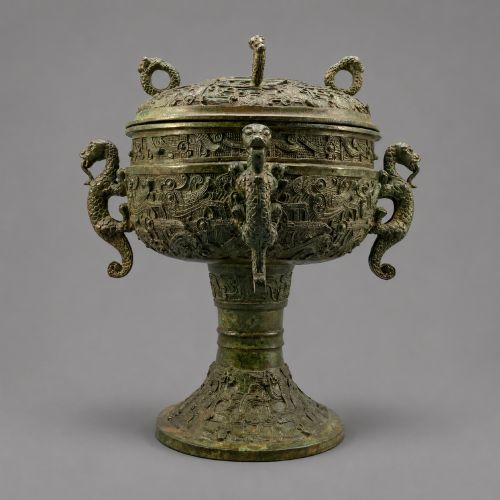
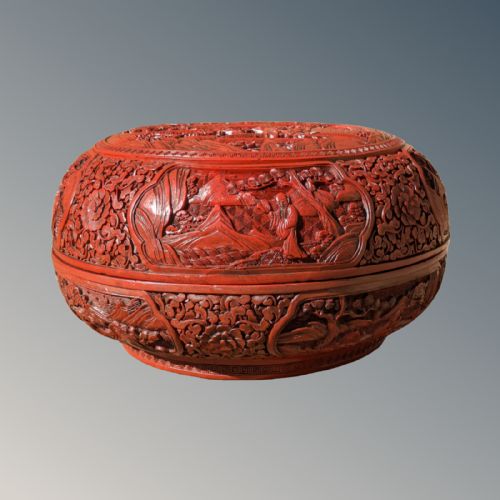
Buyers encounter vessels fashioned from porcelain, pottery, brass, jade, and cinnabar lacquer, occasionally accompanied by wooden stands. Certain items display reign marks from dynasties and emperors such as Qianlong and Yongzheng, connecting individual pieces to historical workshops.
How They Were Made
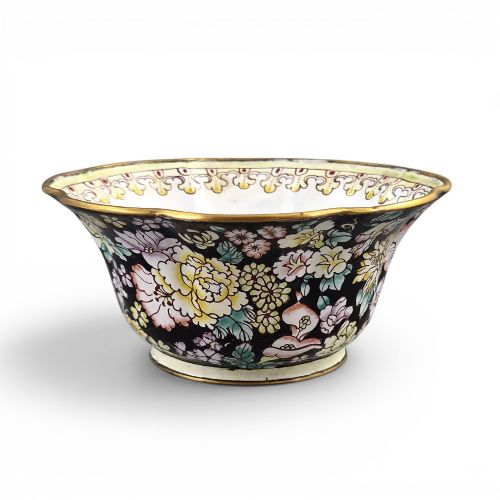
Makers utilised high-fired porcelain and pottery as the primary foundation, applying cobalt blue pigments under the glaze to achieve deep, permanent blue motifs. Surface decoration often involved hand-painted enamels, gilding with gold leaf, and intricate copper or brass shaping.
Techniques varied from imperial porcelain throwing and carving to Canton enamel application on copper substrates. Artisans also employed specialised glazing methods like celadon grounds and doucai decoration to create layered, polychrome visual effects.
Chinese Style Bowl Retail Price Guide 2026
Typical asking prices for chinese style bowl among the pieces listed under this phrase on Sellingantiques today, from the lower quarter to the upper quarter. They describe what is for sale here now, not the wider market.
One unexpected bowl proudly displays an American Eagle alongside traditional Chinese motifs, bridging two continents in a single piece of export history.
What Varies in Quality
The standard of execution in brushwork separates ordinary production from superior works, particularly in the precision of dragon scales, floral details, and character marks. Finer examples display disciplined control over cobalt underglaze and vibrant, evenly adhered painted enamels.
Material selection and baseline weight dictate overall substance, where thick porcelain bodies, substantial brass formations, and carved cinnabar lacquer exhibit greater structural integrity. The crispness of relief carving and the clarity of glaze application directly reflect the skill of the original workshop.
Samson Of Paris
The Chinese Style Bowl Glossary
- Cobalt Underglaze
- A blue pigment applied to ceramic vessels before glazing and firing at high temperatures. This technique prevents the pigment from fading or wearing away over time.
- Famille Rose
- A palette of opaque rose-pink enamel introduced in the eighteenth century. It allowed artists to render soft tonal gradations in floral and figural scenes.
- Doucai
- A decorative technique combining underglaze blue outlines with overglaze polychrome enamels. The method creates a vibrant contrast between the two colour applications.
- Celadon
- A pale green jade-like glaze fired over porcelain. The subtle coloration mimics the prized appearance of natural jade stone.
- Jardiniere
- A large ornamental pot or bowl designed to hold plants or flowers. These vessels often feature heavy proportions and detailed exterior motifs.
Chinese Style Bowl: Frequently Asked Questions
How do I identify a true period piece?
Examine the weight, glaze consistency, and hand-painted brushwork details under magnification. True period items exhibit natural ageing signs and material qualities consistent with their stated era.
Compare reign marks and stylistic traits against established historical examples. Consultation with specialist literature helps verify specific dynastic attributes.
How should I display a heavy porcelain bowl?
Place large or heavy vessels on stable, level surfaces away from edge hazards. Utilise custom wooden stands if provided to distribute weight evenly and protect the base.
Keep pieces out of direct sunlight to prevent enamel fading over extended periods. Ensure adequate shelf spacing to avoid accidental impacts in high-traffic rooms.
Can I use these bowls for serving food?
Historic and antique vessels require careful consideration regarding food use due to potential glaze composition and age-related wear. Most collectors prefer to exhibit them as decorative art objects.
If serving dry items, handle the piece gently and wash by hand with mild soap. Avoid abrasive scrubbers that might damage delicate overglaze enamels or gilding.