


Chinese Scholar Desk Vessel
A chinese scholar desk vessel brings the quiet focus of the traditional studio to a modern room through carved bamboo, bronze, porcelain and jade.
Chinese Scholar Desk Vessel
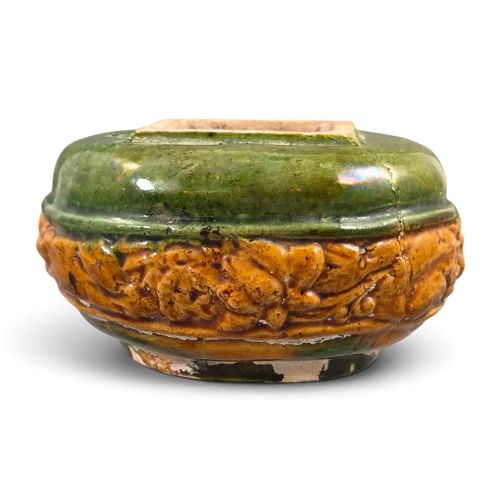
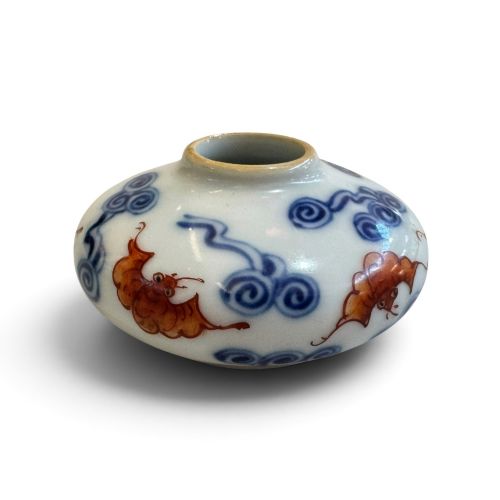
A chinese scholar desk vessel gathers the implements used for writing and contemplation in traditional studies, encompassing brush pots, waterpots, censers and wash basins. These objects originate from dynasties spanning the early Tang period through to the Republic era, with the seventeenth and eighteenth centuries particularly well represented.
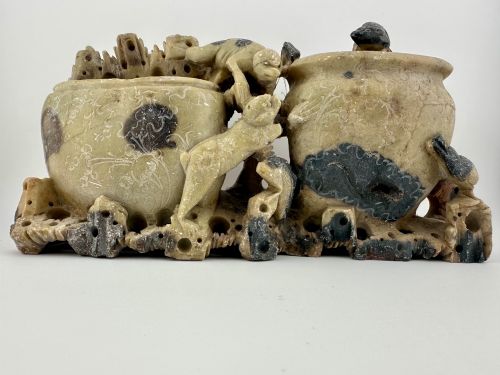
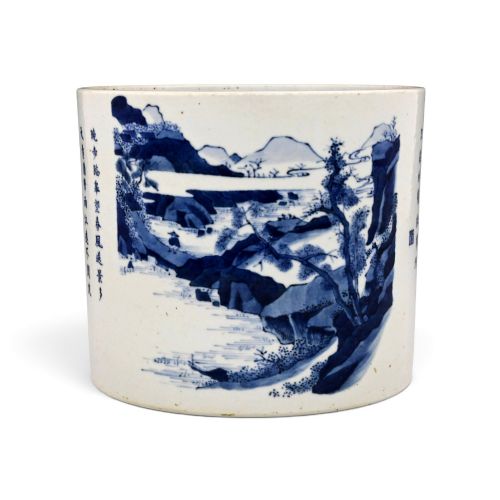
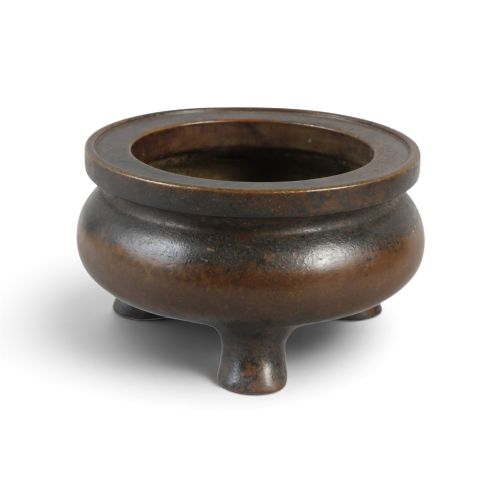
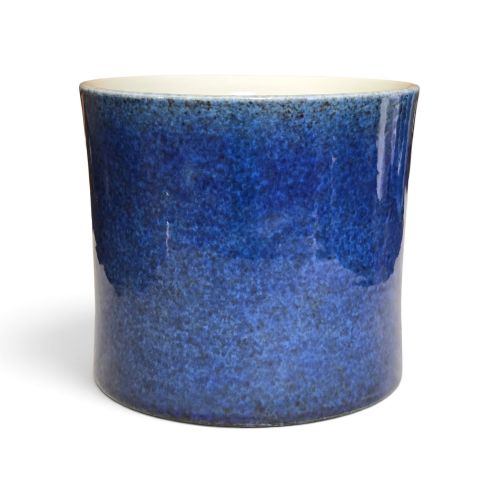
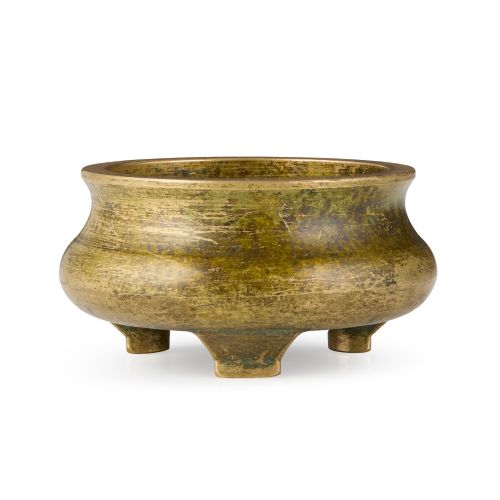
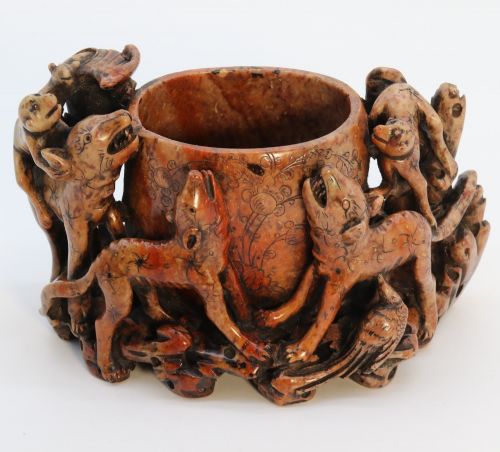
Porcelain and bamboo form the most frequent encounters on this page, alongside cast bronze and carved soapstone. Forms range from cylindrical bitong brush holders to compressed washers and tripod incense burners.
The objects served practical purposes for the literati class who practiced calligraphy and painting. Surviving pieces carry the marks of daily use and careful handling within the scholar studio.
Materials and Techniques
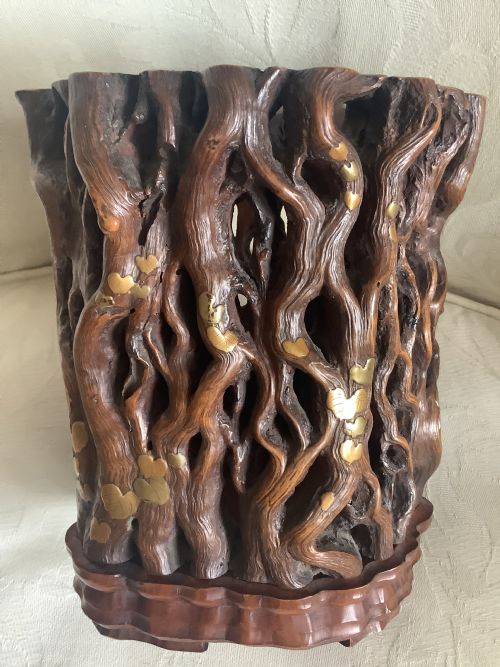
Craftsmen utilised organic materials such as bamboo and buffalo horn by carving deep relief scenes into the natural grain. Hardwoods and soapstone were similarly shaped by hand to exploit their tactile qualities.
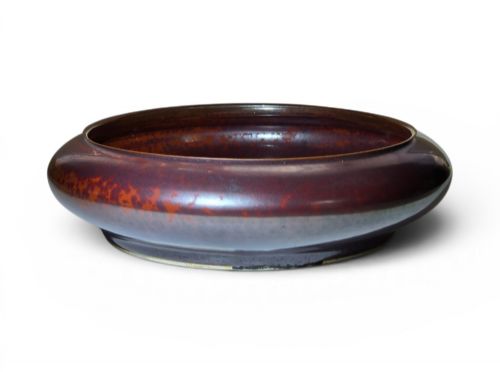
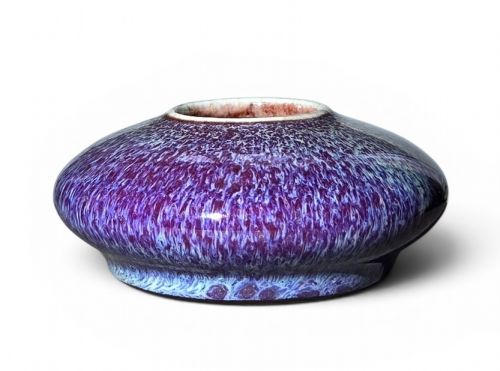
Ceramic vessels combine moulded or thrown clay bodies with specialised finishes, including cobalt underglaze, iron rust glaze, flambé effects and powder-blue coatings. Bronze and brass items rely on lost-wax casting methods to achieve heavy walls and archaic decorative motifs.
Keep a set of carved stone puzzle cups nearby to test the steady hands of unsuspecting tea guests.
Qualities of Execution
Excellence in a chinese scholar desk vessel rests upon the crispness of the carving and the control of the medium. In bamboo and soapstone, superior pieces display undercut details and naturalistic textures that respect the material's grain.
For ceramics and bronzes, quality reveals itself in the depth of the glaze, the symmetry of the cast form, and the presence of studio marks or imperial attribution. Heavier castings and balanced proportions distinguish the finer examples from standard workshop production.
The Chinese Scholar Desk Vessel Glossary
- Bitong
- A cylindrical brush pot used to hold writing brushes upright on a scholar desk. This form is typically rendered in porcelain, bamboo or hardwood.
- Censer
- A vessel designed for burning incense within the studio. These often take tripod forms cast in bronze or shaped in blanc de chine ceramic.
- Brush Washer
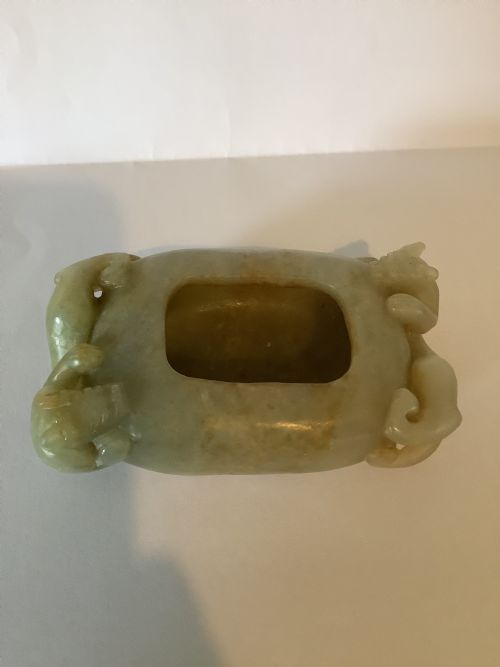
- A shallow basin used to clean ink from brushes before painting or calligraphy. They appear in jade, soapstone and glazed porcelain.
- Archaistic
- A style that consciously emulates the decoration and forms of ancient bronzes from earlier dynasties. This aesthetic was highly prized among later scholars.
- Flambé
- A streaked transmutation glaze fired in reduction kilns to produce variegated red and blue tones. It is characteristic of high-period Qing ceramics.
Chinese Scholar Desk Vessel: Frequently Asked Questions
What is a bitong?
A bitong is a cylindrical brush pot used by scholars to keep writing brushes organised and within reach on the desk.
These containers are most commonly found carved from bamboo, shaped from hardwood, or painted in blue and white porcelain.
How were these vessels used?
Scholars used these items for writing, painting, burning incense, and washing ink brushes during quiet study.
Each object served a specific functional role in the traditional Chinese literati studio.
What materials are most common?
Porcelain, bamboo, soapstone and bronze appear frequently across the pieces available on this page.
Jade, brass, buffalo horn and hard woods also feature in select desk accessories.
How do I identify the period?
Periods are identified through material patination, potting techniques, glaze chemistry, and stylistic references to dynasties such as the Ming or Qing.
Studio marks incised into the base often provide further clues regarding the date of manufacture.