



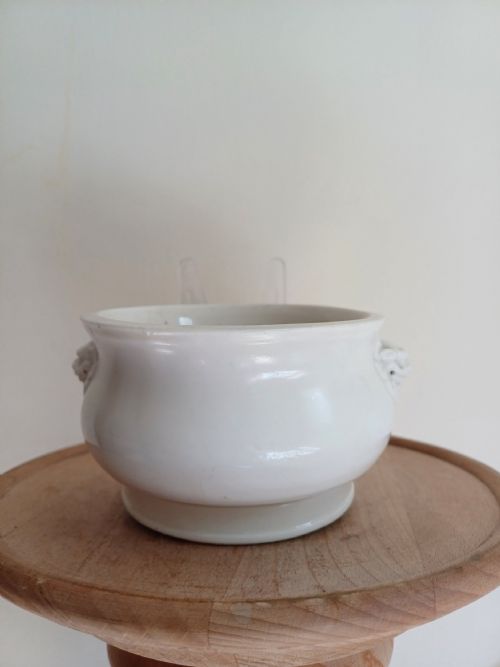
Chinese Scholar Censer
A chinese scholar censer brings quiet discipline to the desk, offering a tactile anchor for burning aromatic resins during meditation or study.
Chinese Scholar Censer
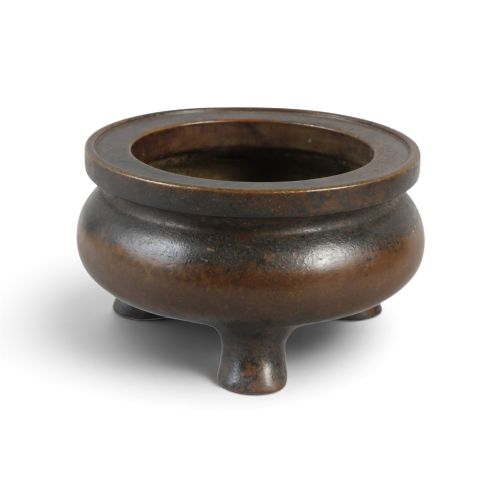
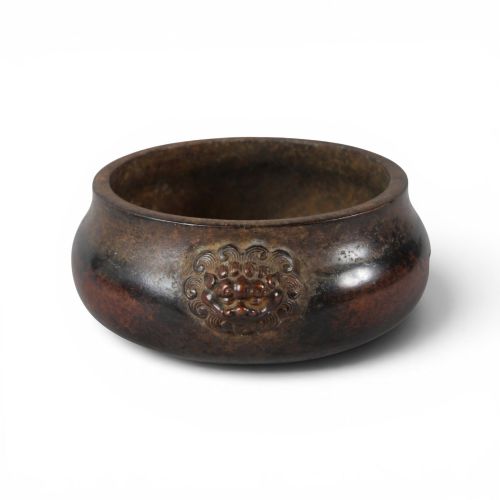
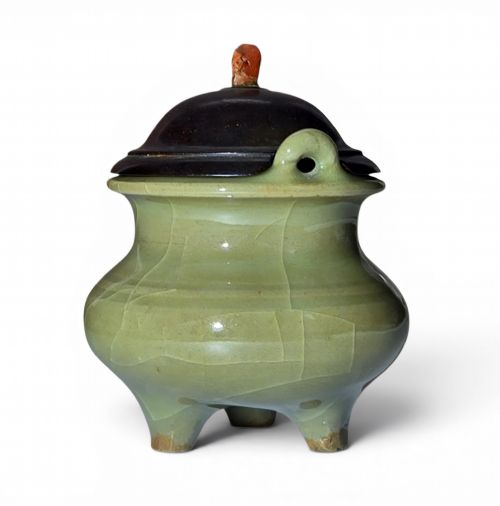
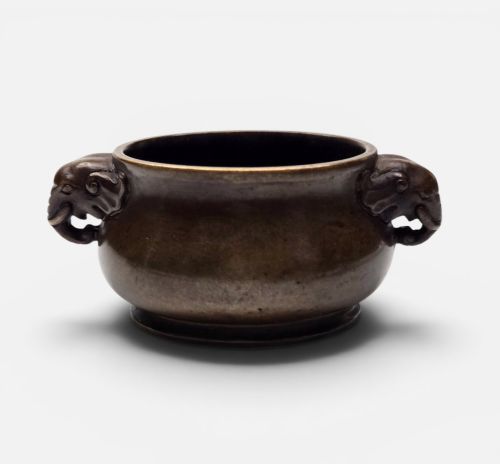
A chinese scholar censer is a small vessel designed for burning incense within the scholar's studio, appearing primarily in cast bronze alongside ceramic forms in porcelain, celadon, and stoneware.
The pieces available span from the late 16th century and Ming Dynasty through the 17th and 18th centuries into the late Qing Dynasty, reflecting centuries of scholarly tradition.
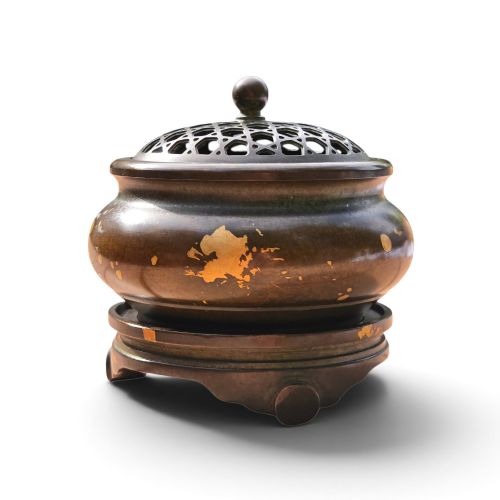
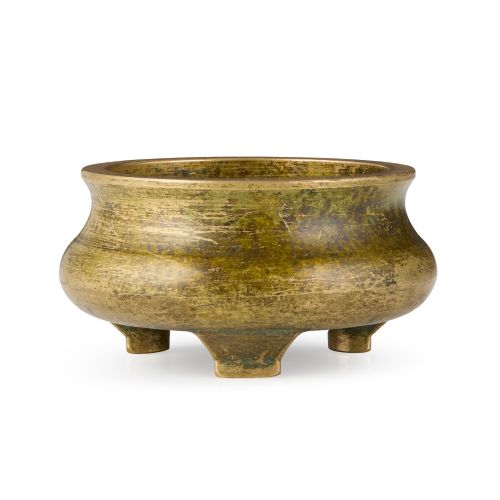
Common configurations include tripod vessels, miniature formats, and examples complete with bespoke zitan wood stands and coral-mounted covers.
Judging quality
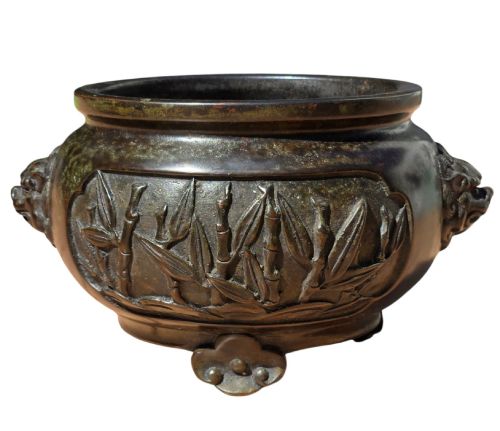
Quality rests in the weight, the crispness of cast relief details such as taotie masks and lotus lobes, and the depth of the metal patina.
The integration of associated elements like period zitan wood stands and coral finials elevates the standing of a piece within its category.
Listings span four centuries of production, recording bronze, zitan wood, porcelain, celadon, stoneware, and gold gilding across Ming and Qing dynasties.
The Chinese Scholar Censer Glossary
- Archaistic
- Design elements emulating much older ritual bronzes from the Shang or Zhou dynasties. This historicising aesthetic was highly prized by later scholars.
- Zitan
- A dense, heavy hardwood native to southern China, frequently utilised for scholar's desk accessories and bespoke stands.
- Taotie
- A stylised zoomorphic mask motif commonly found on ancient Chinese ritual vessels and later scholar's censers.
- Blanc de Chine
- A type of white porcelain produced at Dehua in Fujian province, known for its distinct milky glaze.
- Tripod
- A vessel supported by three feet, a configuration standard among many early bronze and ceramic incense burners.
Chinese Scholar Censer: Frequently Asked Questions
How were these censers used?
Scholars burned powdered incense or small coils within these vessels to aid concentration, purify the air, and measure the passage of time during long sessions of reading and calligraphy.
The smoke rising from the censer created a contemplative atmosphere suited to poetry and scholarly pursuits.
What metals and materials are common?
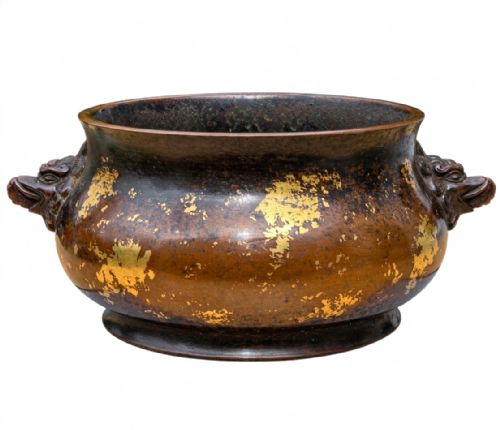
Cast bronze is the predominant material, frequently enhanced with gold splash effects, gilding, or deep natural patination. Ceramic alternatives include blanc de chine porcelain and celadon.
Accompanying elements often feature zitan wood and coral for bespoke covers and stands.
How do I care for a bronze censer?
Keep the metal surface dry and dust it gently with a soft, clean cloth to protect the historic patina. Avoid using liquid polishes or abrasive cleaners which can strip the aged finish.
If burning incense inside the vessel, place a layer of ash at the base to protect the metal from direct heat.
How are Ming and Qing periods distinguished?
Ming pieces often display robust casting, archaic motifs, and deep, quiet patinas that reflect earlier ritual forms. Qing examples frequently introduce refined decorative flourishes, detailed studio marks, and intricate auxiliary elements.
Material weight and relief work also offer clues to the prevailing aesthetic of each dynasty.