




Chinese Porcelain Pot
A chinese porcelain pot brings centuries of kiln mastery into domestic spaces, offering both refined scholarship and vibrant decorative art.
Chinese Porcelain Pot
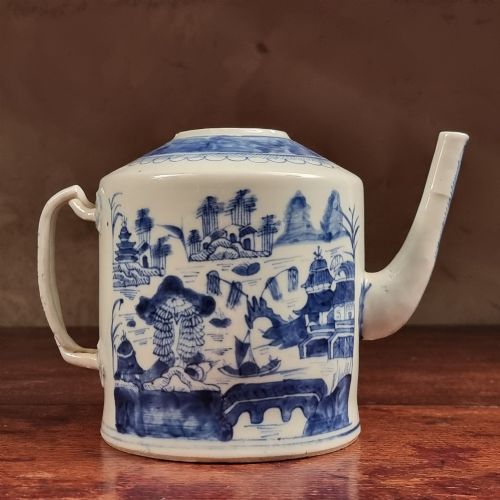
A chinese porcelain pot encompasses utilitarian vessels, scholar's items, and grand display pieces spanning multiple imperial dynasties. Buyers find functional teapots alongside utilitarian brush pots, incense burners, and large jardinières intended for plants.
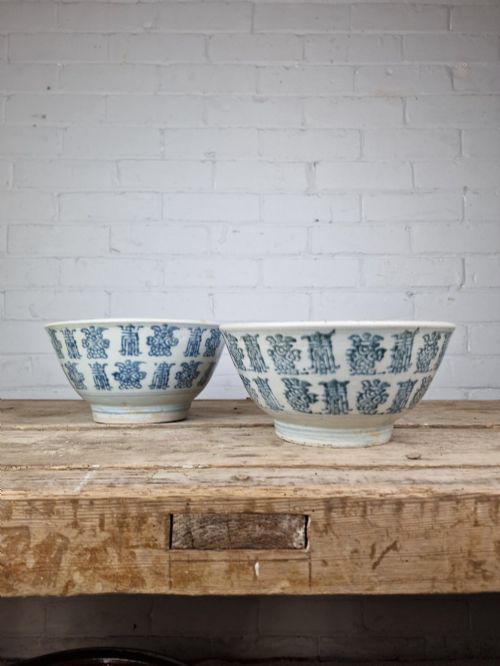
The material takes many forms, from the crisp white of Dehua wares to robust provincial bowls and heavily potted fish bowls. Pieces range in date from sixteenth-century imperial marks through nineteenth-century Canton production up to early twentieth-century decorative wares.
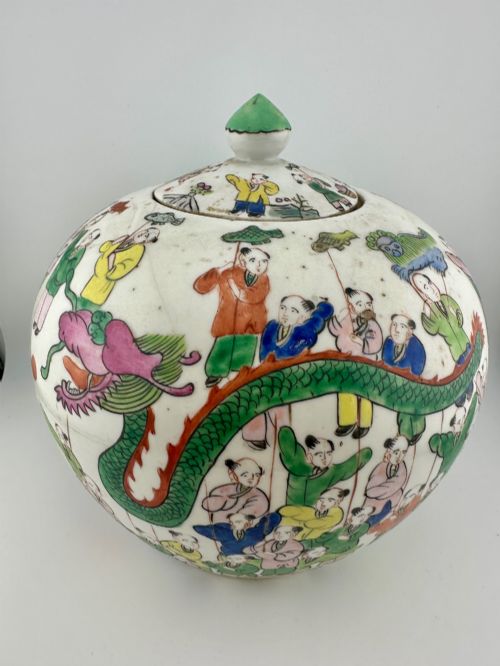
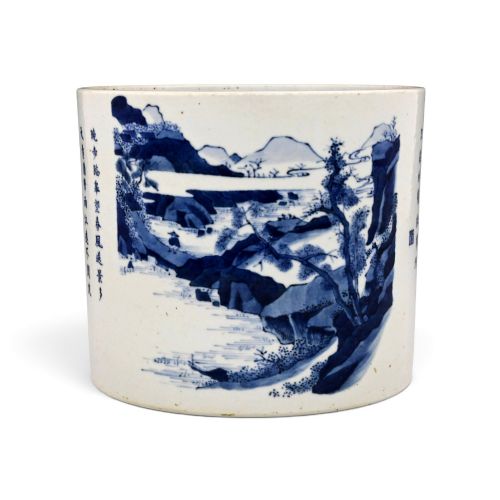
Scholar's implements such as the bitong brush pot appear frequently alongside lidded jars and planters. Each vessel serves a specific domestic or scholarly function while displaying the signature aesthetic of its period.
How they were made
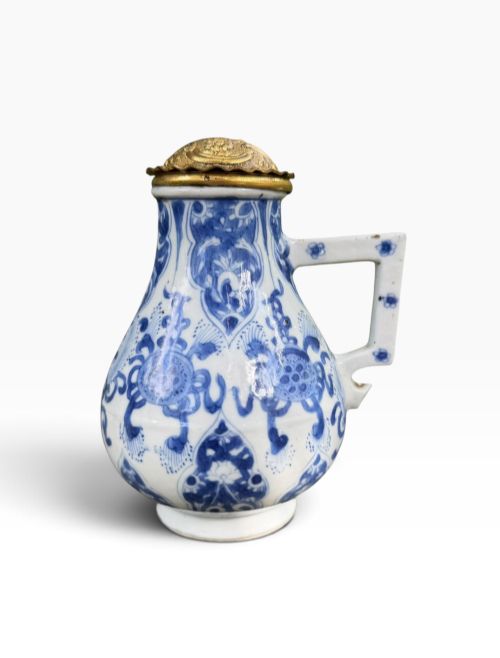
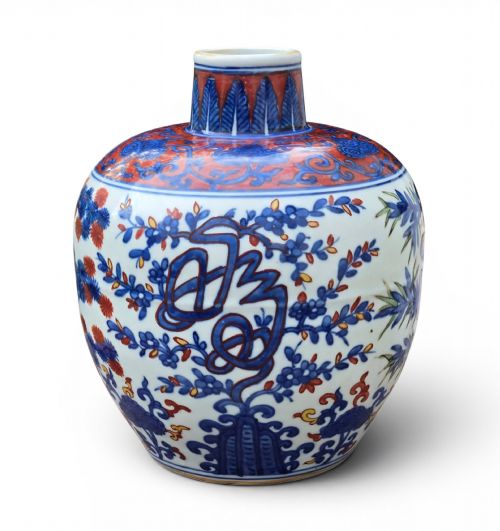
Potters shaped high-firing ceramic paste into precise forms, applying cobalt underglaze before the main firing for durable blue and white decoration. Artisans then layered enamels, gold leaf, or celadon glaze over the body for subsequent low-temperature firings.
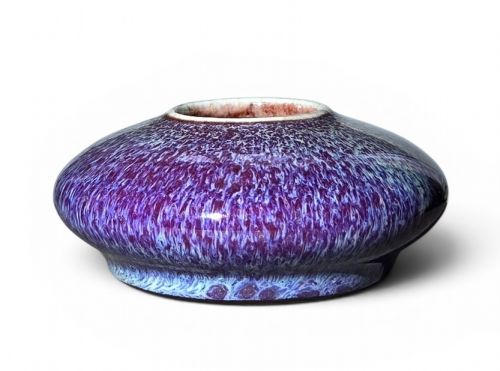
Specialised techniques like the flambé process created unpredictable, mottled glaze effects through controlled kiln oxidation and reduction. Dehua kilns focused on sculptural purity, producing translucent 'blanc de chine' vessels carved with delicate bamboo or floral motifs.
Listings feature porcelain pots spanning the seventeenth century through the early twentieth century, including pieces marked by the Kangxi, Qianlong, and Guangxu periods.
What varies in quality
The refinement of the potting and the precision of the painted or incised details dictate the standing of a vessel. Imperial pieces show superior control over cobalt pigments, enamel saturation, and glaze consistency compared to provincial items.
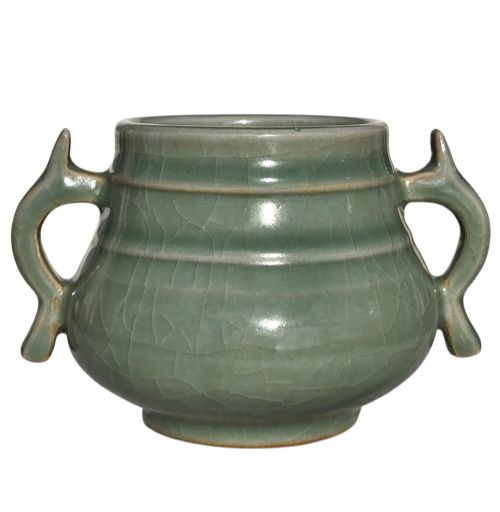
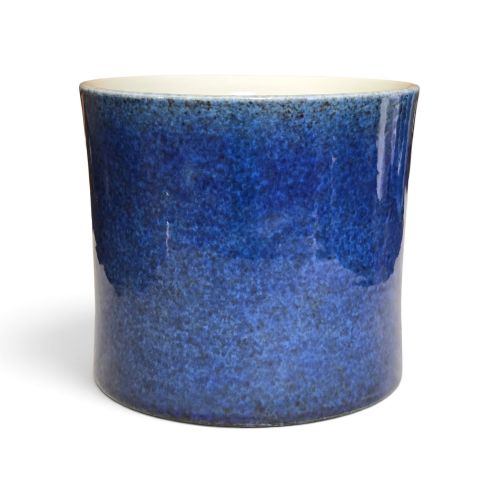
The clarity of reign marks and the sophistication of the glaze - whether a mirror-black, powder-blue, or crackled celadon - signal the ambition of the original kiln. Heavier throwing and balanced proportions distinguish important scholar's items from decorative export wares.
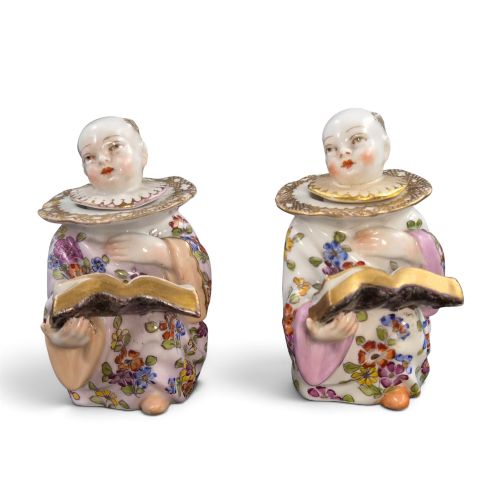
Edmé Samson
The Chinese Porcelain Pot Glossary
- Bitong
- A cylindrical brush holder used by scholars to organise writing implements on a desk. These vessels often feature carved porcelain, blue and white scenes, or figural decoration.
- Jardiniere
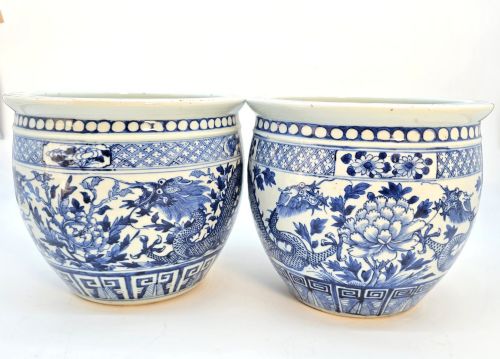
- A large ceramic pot or planter designed to hold growing plants or flowers. They appear in various sizes, sometimes serving as fish bowls.
- Famille rose
- A palette of opaque enamel colours dominated by pink, introduced during the Qing dynasty. Artisans used these tones to depict elaborate floral, bird, and figure scenes.
- Celadon glaze
- A pale green or grey-green translucent glaze that mimics the appearance of jade. The finish relies on iron oxide reacting within a reducing kiln atmosphere.
- Underglaze blue
- A decorative technique where cobalt oxide pigment is applied directly to the raw clay body before glazing and firing. This method ensures the design remains permanently sealed beneath a glassy layer.
Chinese Porcelain Pot: Frequently Asked Questions
What is a bitong used for?
A bitong is a traditional Chinese brush pot designed to hold writing brushes on a scholar's desk. These cylindrical vessels keep delicate tools upright and protected when not in use.
Over time, scholars also used them to display small scrolls or feathers. Their artistic decoration reflected the owner's refined taste and literary pursuits.
How were jardinières used?
Jardinières served as large indoor planters or decorative water basins for goldfish and lotus flowers. Wealthy households placed them in courtyards, reception rooms, and verandahs.
Their heavy ceramic walls provided stability for substantial plants or water arrangements. They combined practical horticulture with striking interior decoration.
How do I identify a Qing dynasty pot?
Qing dynasty vessels often display rich famille rose enamels, controlled underglaze blue painting, or specific imperial reign marks on the base. The forms range from robust nineteenth-century Canton pieces to finely potted eighteenth-century scholar's items.
Examining the weight, glaze depth, and foot rim helps determine the exact period. Provincial pieces show simpler designs while imperial works exhibit rigorous technical precision.
Where should I display a porcelain pot?
Porcelain pots look best in well-lit spaces on stable wooden stands or heavy furniture where their glaze and form can be appreciated safely. Brush pots and small jars suit desks, bookshelves, and mantelpieces.
Larger jardinières work well on the floor or low plant stands away from heavy traffic. Keeping them away from direct sunlight protects any overlying enamel colours.