



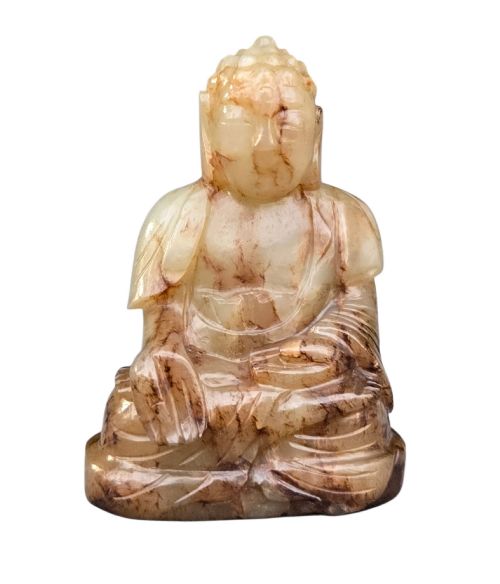


Chinese Ming Figure
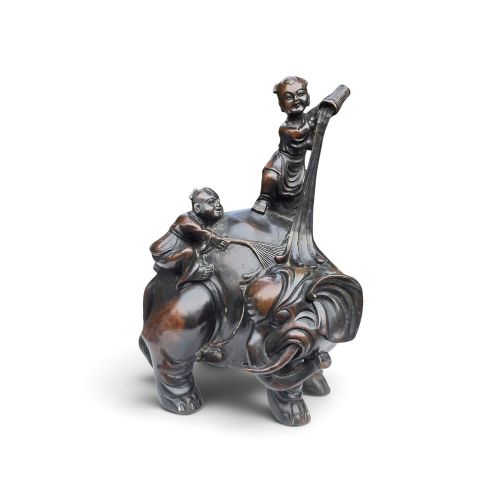
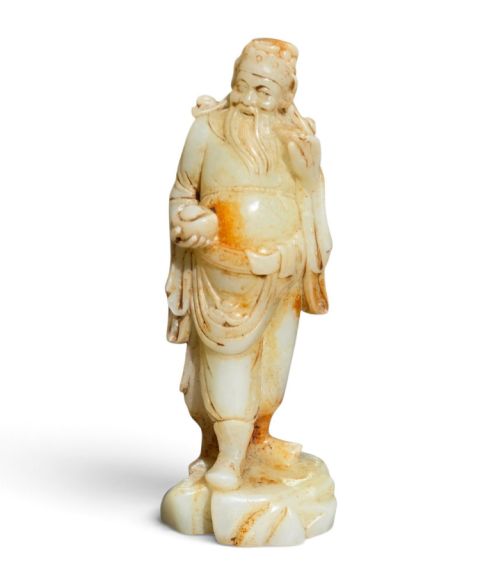
These Chinese ming figure works span carved jade immortals, cast bronze scholars' objects and gilt wood temple officials that bring centuries of history into a room.
Chinese Ming Figure
A Chinese ming figure encompasses carved jade immortals, cast bronze scholars' objects, and temple figures produced across multiple dynasties and later revival periods. Buyers searching this phrase look for sculptural representations of officials, attendants, and mythological subjects in materials ranging from nephrite jade to wood and bronze.
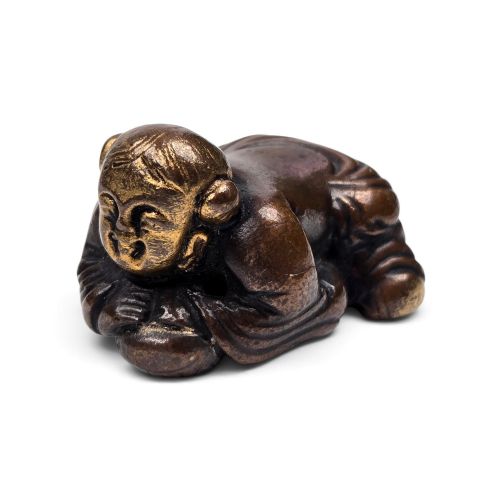
The pieces appearing in these listings stretch from pre-sixteenth century works and the Ming dynasty itself through to seventeenth century interpretations, eighteenth century objects, and later nineteenth and twentieth century revival pieces. Examples include solid-cast bronze paperweights, celadon jade figural carvings, and polychrome wood temple sculptures.
Forms vary from scholar's desk items and architectural corbels to substantial statues and decorative figures. Collectors encounter both genuine early dynasty pieces and later traditional interpretations utilising sancai glaze or gilt and mineral pigment decoration.
Materials and techniques
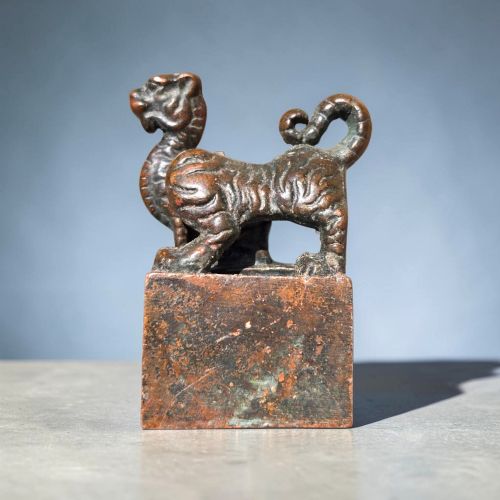
Makers shaped nephrite jade into figural carvings, utilising the natural pale celadon and russet tones of the stone. Bronze pieces involve solid-casting techniques, sometimes finished with selective fire-gilding or applied as nested seal sets.
Wood sculptures rely on carving and joinery, frequently enhanced with gold leaf, gilt, and mineral pigment surface treatments. Porcelain examples employ traditional moulding and shaping finished with sancai glazes.
Artisans working in lacquer and copper alloy produced decorative figures and scholar's objects, combining sculptural form with detailed surface finishing appropriate to each medium.
Chinese Ming Figure Retail Price Guide 2026
Typical asking prices for chinese ming figure among the pieces listed under this phrase on Sellingantiques today, from the lower quarter to the upper quarter. They describe what is for sale here now, not the wider market.
Current listings feature materials ranging from nephrite jade and bronze to wood, porcelain, lacquer, and mineral pigment.
Quality differences
Material selection dictates much of the distinction, such as the purity and natural colour variation in nephrite jade or the quality of mineral pigments and gold leaf applied to temple figures. Greater refinement in proportion and detail across scholar's objects and attendants marks the upper tier of these works.
YA MING
The Chinese Ming Figure Glossary
- Celadon
- A pale green jade or ceramic glaze imitating jade. It is prized for its subtle tone and smooth surface texture.
- Sancai
- A three-colour glaze tradition used on ceramics. This technique typically combines green, amber, and cream or white tones.
- Gilt
- A thin layer of gold applied to the surface of wood or metal. It provides a durable metallic finish that catches the light in temple settings.
- Scholar's Object
- An item created for the desk of a traditional scholar. These include brush rests, paperweights, and small seals associated with literati culture.
- Corbel
- A structural piece of stone or wood projecting from a wall to support a weight. In these listings, carved wooden examples serve architectural functions.
Chinese Ming Figure: Frequently Asked Questions
How old are these figures?
The pieces span a considerable timeline, running from pre-sixteenth century examples through Ming and Qing dynasty periods, seventeenth and eighteenth century objects, and up to early twentieth century and mid-century interpretations.
Because the selection includes both original dynasty pieces and later revival works referencing traditional styles, dating depends closely on the specific material, wear patterns, and manufacturing technique observed in each individual item.
What materials were used?
Makers employed a diverse range of materials, including nephrite jade, bronze, copper alloy, wood, and porcelain. Surface decoration frequently incorporates gold leaf, fire-gilding, mineral pigments, lacquer, and sancai glazes.
Choice of material often aligns with the object type, such as jade for immortals and scholar's carvings, or wood and pigment for temple figures and architectural elements.
How were scholar's objects used?
Scholar's objects served functional and contemplative purposes on the desks of traditional literati in China. Items like bronze paperweights in the form of reclining boys or nested seal sets were used daily in writing, stamping, and scholarly study.
These pieces combined practical utility with symbolic meaning, often referencing scholarly pursuits, myths, or auspicious figures intended to inspire the owner.
What is a temple figure?
A temple figure is a sculptural representation of a civil official, deity, or attendant originally housed within a religious or official structure in China. These are typically carved from wood and finished with gilt and mineral pigments.
Over time, such figures have transitioned into private collections, retaining the weathering and surface patination acquired during their long history in temple environments.
How do I care for carved jade?
Nephrite jade is a durable and tough material that requires minimal maintenance beyond gentle dusting with a soft, dry cloth. Avoid harsh chemical cleaners or abrasive materials that could alter the natural surface patination.
Keep pieces away from sudden, extreme temperature fluctuations and direct sunlight to protect any mounted settings or associated display elements.